 fellfolio
Small Chinese companion with a dense mane
Pekingese
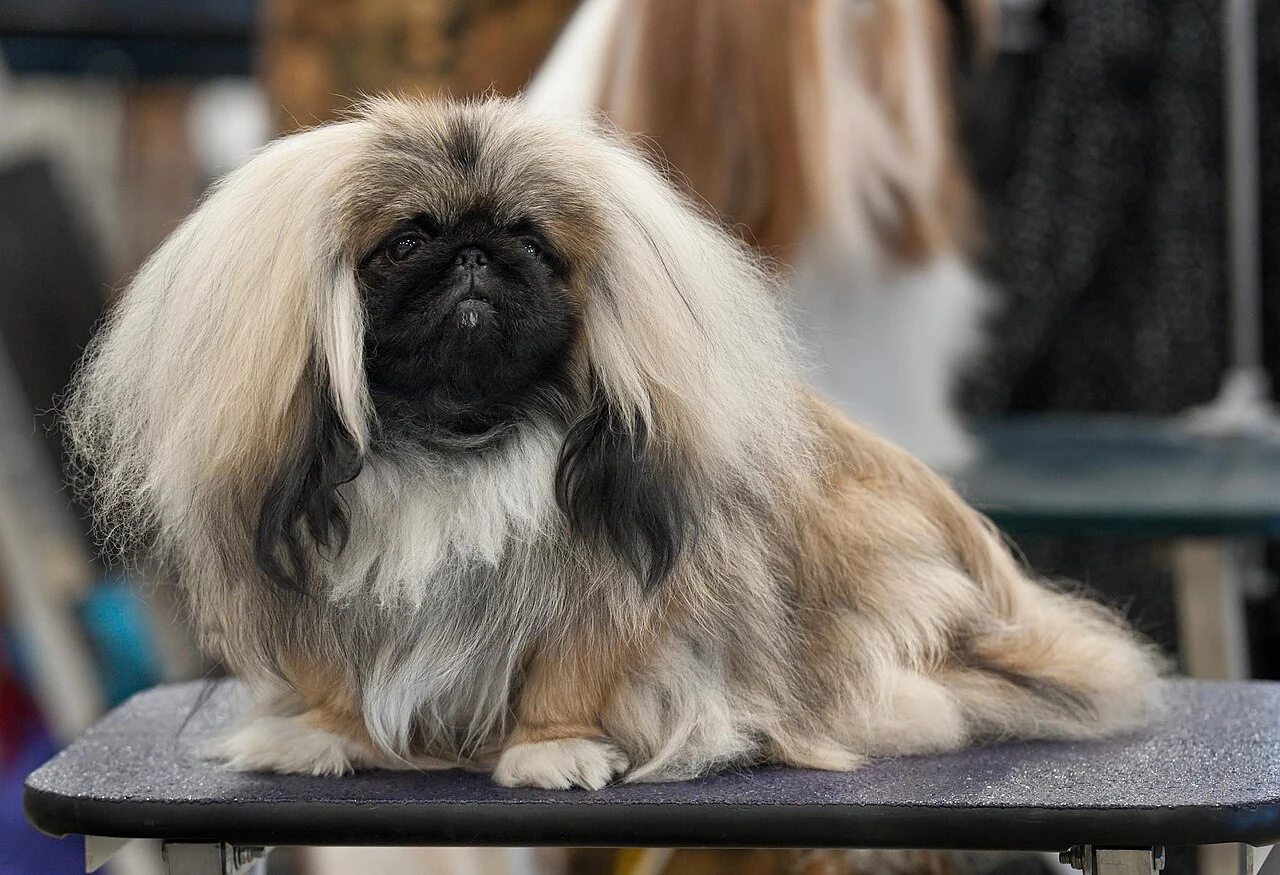
The Pekingese is a small, sturdy companion with a dense mane and a long history in China’s imperial palaces. It can be devoted to familiar people while retaining strong opinions of its own. Its short face and demanding coat care deserve close attention, even when its exercise needs seem modest.
At a glance
- Size
- Small
- Lifespan
- 12 to 14 years
- Activity
- Moderate
- Grooming
- Daily
- Training
- Patience & clear guidance
- Owner experience
- First dog with support
A small companion with a mind of its own
For generations, Pekingese were kept as companions at the Chinese imperial court. Their name refers to Peking, now Beijing. Following the looting of the Summer Palace in 1860, some of these dogs were brought to Britain, where European breeding developed. This background helps explain their close association with life indoors. Walks and shared activities still belong in their daily routine.
Beneath the mane is a compact dog with short legs and a substantial body. The international canine organisation FCI gives ideal maximum weights of five kilograms for males and 5.4 kilograms for females. Long outer hair covers a dense, softer undercoat, and many coat colours are permitted. The breed standard expressly requires free breathing and sound movement.
A Pekingese can be very affectionate with its people. During training, it may first consider whether joining in is worthwhile. A small reward, a friendly voice and a few successful repetitions often help more than pressure. Unfamiliar people should allow it time to approach. With children, an adult should make sure that it is not picked up carelessly or disturbed while sleeping. Rough games or careless lifting can injure it.
Everyday life
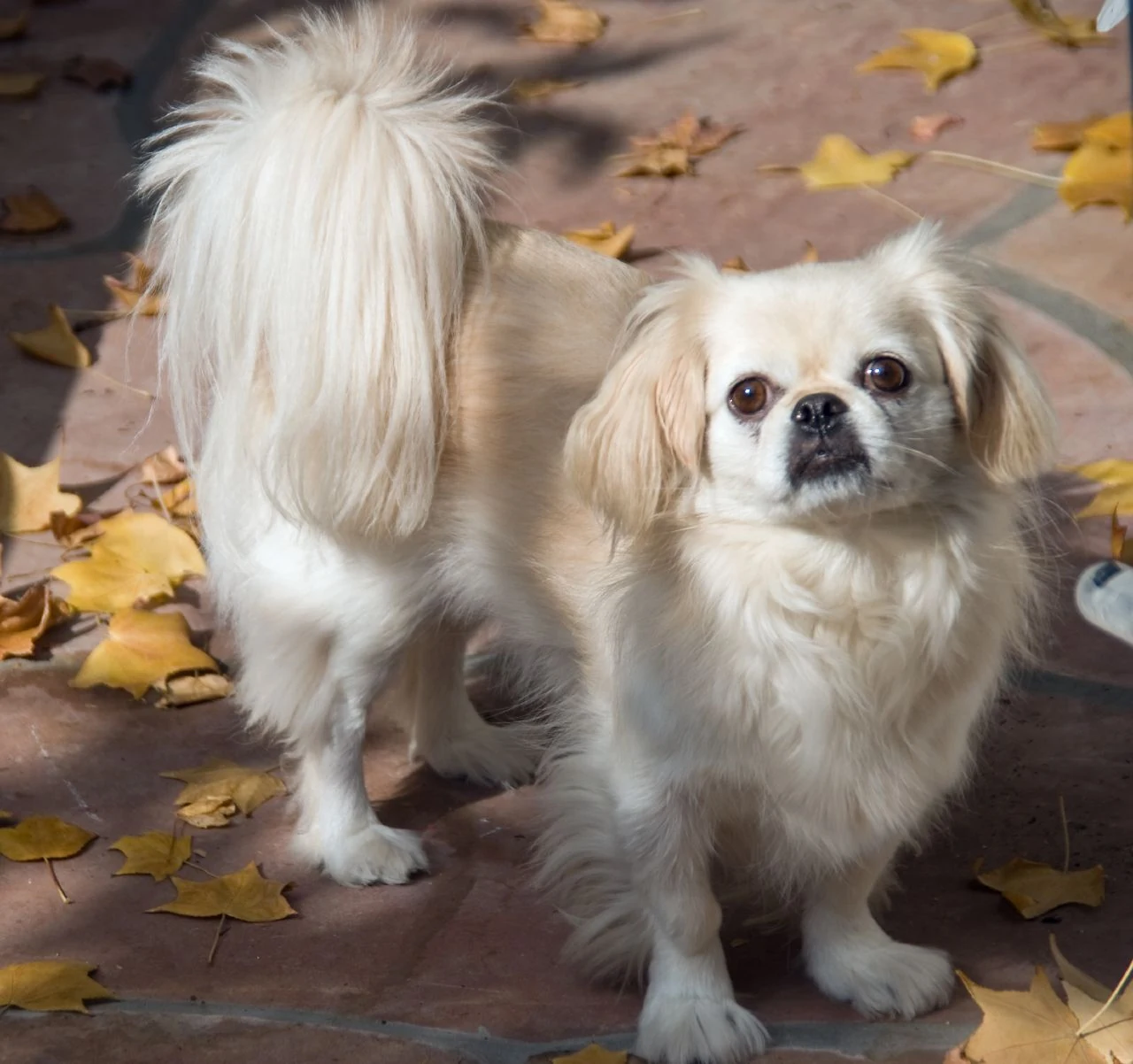
A Pekingese needs daily opportunities to explore smells outdoors and move comfortably. Several gentle walks may suit it better than one long outing. Simple indoor searches or learning to settle on a mat can add interest. Its exercise routine should also be discussed in light of how easily it breathes.
Warm weather makes the short face particularly relevant. Dogs release much of their excess heat through panting, which becomes harder when the airways are narrow. Walks should therefore take place during cooler parts of the day, with water and breaks in the shade. A well fitted harness avoids extra pressure on the neck. Loud breathing or repeatedly falling behind should be investigated rather than accepted as an ordinary breed trait.
A flat can provide a suitable home when there is a quiet bed and regular time together. Being left alone should be introduced gradually. Persistent distress calls for suitable care arrangements and help with training. Fellfolio’s cost planner can help you include grooming and a veterinary reserve alongside routine expenses.
Staying home alone
Dogs learn to stay home alone in small steps. The RSPCA advises no more than four hours at a time. Puppies and dogs that become unsettled when left alone need shorter absences and gradual practice. Arrange someone to care for your dog when you will be away longer.
Everyday dog training: recall, a loose lead and clear communication ↗
Day-to-day care
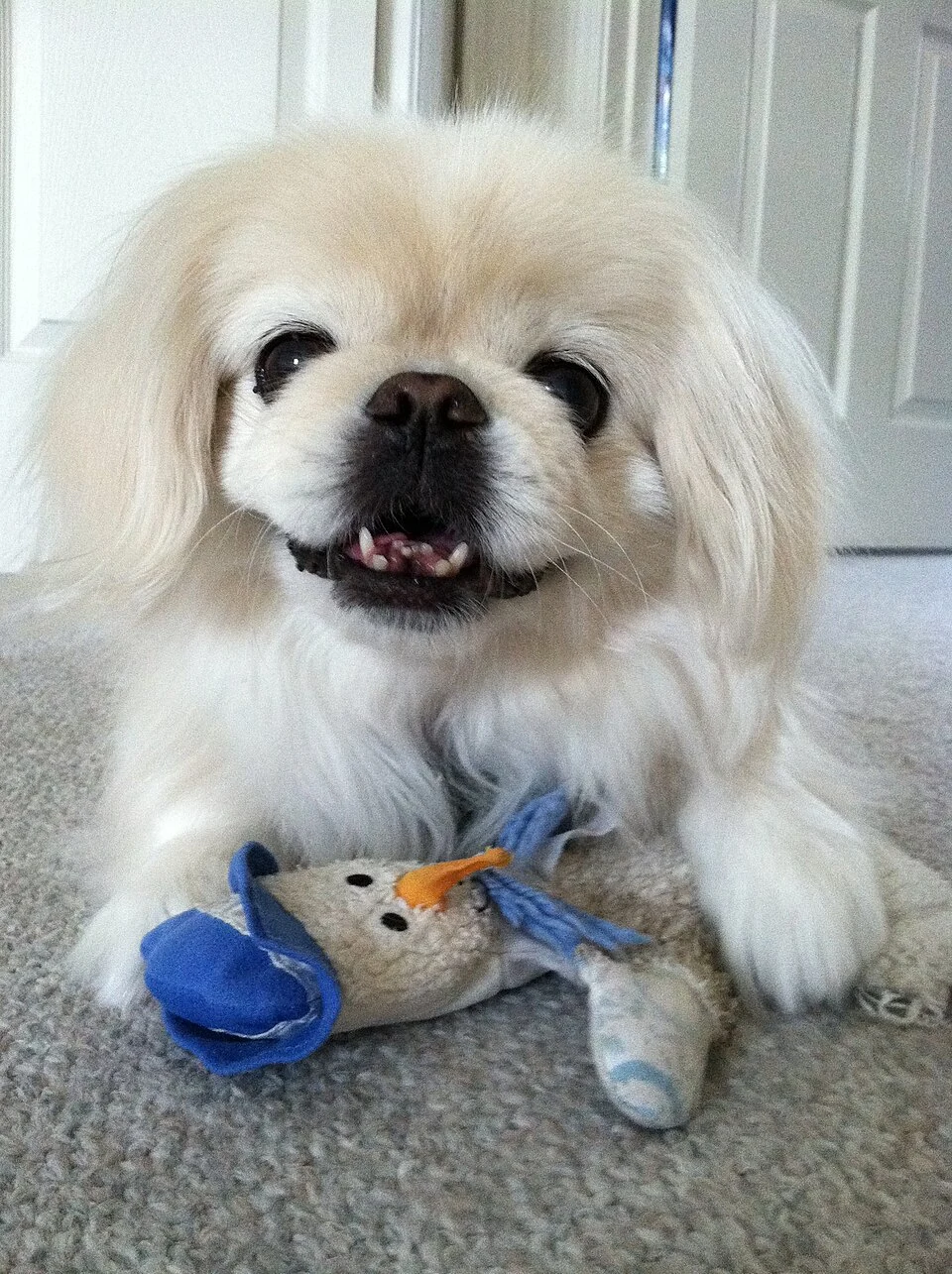
The coat should be checked and gently brushed each day. Knots often form behind the ears, beneath the legs and where a harness rubs. Brushing should reach through the hair without tugging at the skin. Short, comfortable sessions are easier than removing established mats later. An experienced groomer can demonstrate suitable tools for a particularly dense coat.
Eyes and skin folds need attention too. Dirt should be removed gently, with damp folds allowed to dry properly. Redness, an unpleasant smell or a tightly closed eye needs veterinary attention. The prominent eyes are particularly vulnerable to injury. Daily brushing with dog toothpaste is useful for the teeth, introduced gradually in small steps. Nails should also stay short enough not to interfere with movement.
Size and build
A puppy should have safe opportunities to explore and meet people without being carried constantly or touched by everyone. Short play sessions and little walks with breaks suit a growing body. Repeated high jumps and long forced distances should wait. At the same time, it can become comfortable with brushing, paw checks and having its teeth examined.
In adulthood, weight, enthusiasm for walks and breathing are worth monitoring together. Excess body fat puts additional strain on the airways. Later in life, shorter walks and an easily reached bed may help. New breathing noises, pain or a marked withdrawal should be investigated. The American Kennel Club gives twelve to fourteen years as a guide to life expectancy.
From puppy to senior: caring for your dog through every life stage ↗
Health
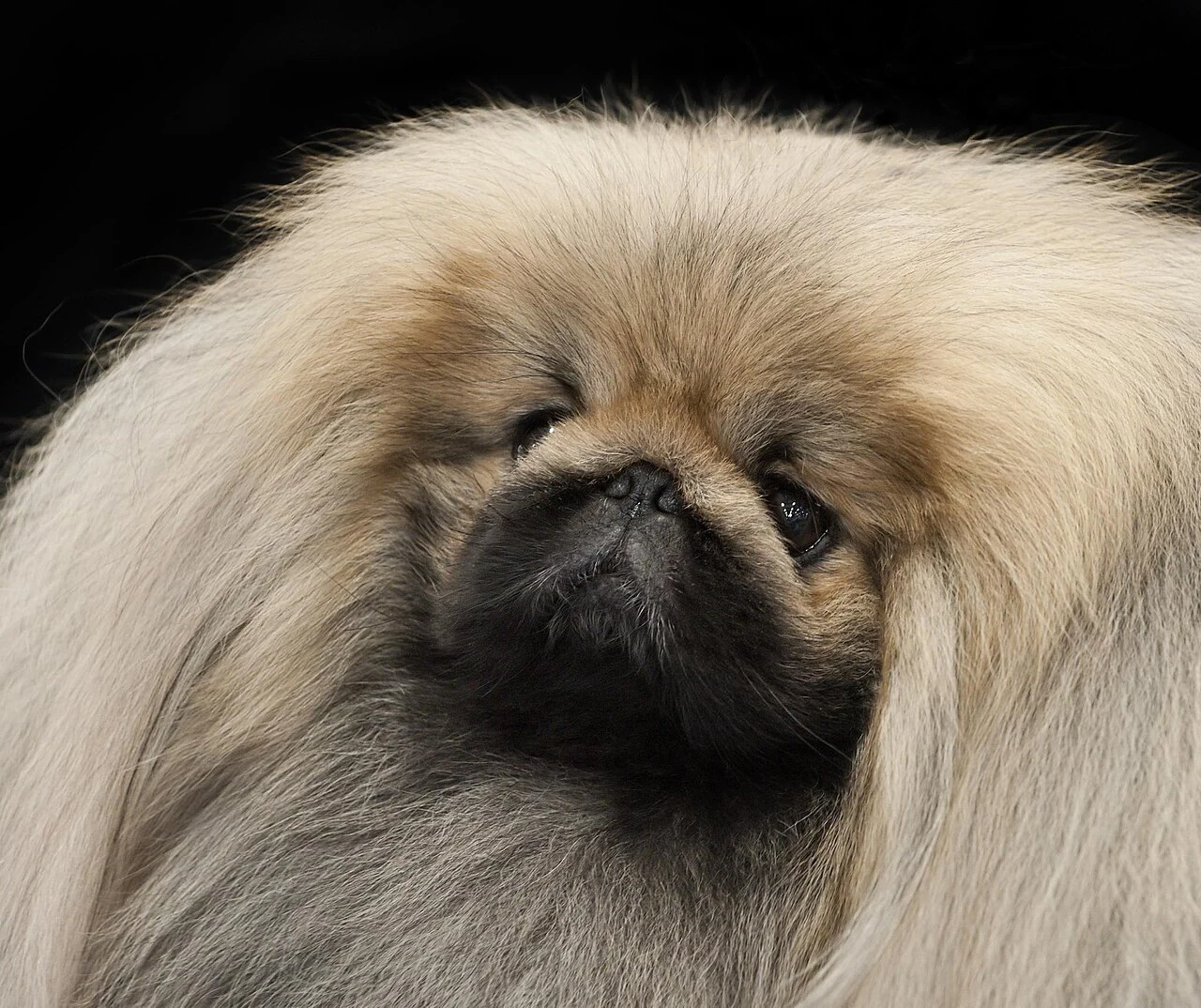
The Pekingese’s short face is a significant health consideration. In some dogs, narrow nostrils and other restricted parts of the upper airway make breathing difficult. This condition is called brachycephalic obstructive airway syndrome, usually shortened to BOAS. It can cause noisy breathing, poor exercise tolerance, disturbed sleep and dangerous overheating. Even routine snoring should therefore be discussed with a vet. Breathing distress or collapse is an emergency.
Before choosing a puppy, you should ask about professional assessment of its parents’ breathing. In Britain, the Royal Kennel Club has included Pekingese in its standardised breathing function assessment since August 2026. Eye examinations are recommended too. Wide nostrils are a useful visible feature, but do not replace assessment of the rest of the airway.
Knee problems can also occur. A luxating patella is a kneecap that slips out of its normal groove. A dog might briefly lift a hind leg or move with an intermittent skipping step. These changes should be investigated. Fellfolio can keep observations, weight records and veterinary findings together. A short video of an unusual movement may also help at the appointment.
Could this breed fit your life?
Could work well if …
- You want a small companion and can make daily time for its coat, eyes and teeth.
- You can offer gentle walks and enjoyable training together.
- You are prepared to have its breathing carefully assessed and budget for treatment where needed.
What to consider
- The short face can seriously affect breathing and the ability to cool down.
- The dense coat needs daily attention, including on busy days.
- Rough games and careless lifting can injure this small dog.
Similar needs, different dogs.
Selected by shared size, activity, grooming and training characteristics.
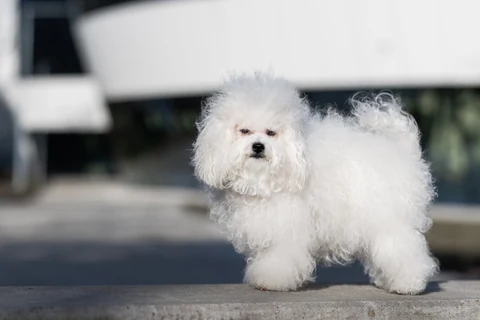
Companion dog
Bolognese
The Bolognese is a small white dog with a soft coat that falls in loose tufts. It comes from Italy and is closely associated with Bologna. Life with one involves company, walks with time to sniff and careful coat care. If you are looking for a fairly quiet small dog, that daily grooming should be part of your plans from the start.
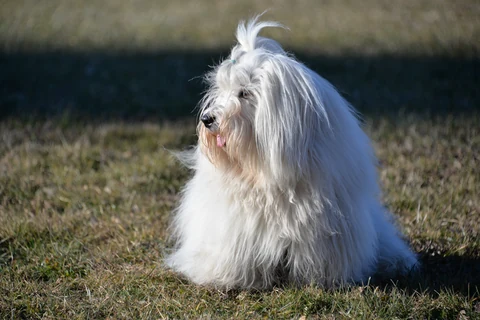
Companion dog
Coton de Tuléar
The Coton de Tuléar is a small companion dog from Madagascar. Its name refers to its soft, cotton-like coat and to the Malagasy city of Tuléar. It is known as a sociable, playful dog. That appealing appearance comes with a task that is easy to underestimate: the long coat needs thorough daily care.
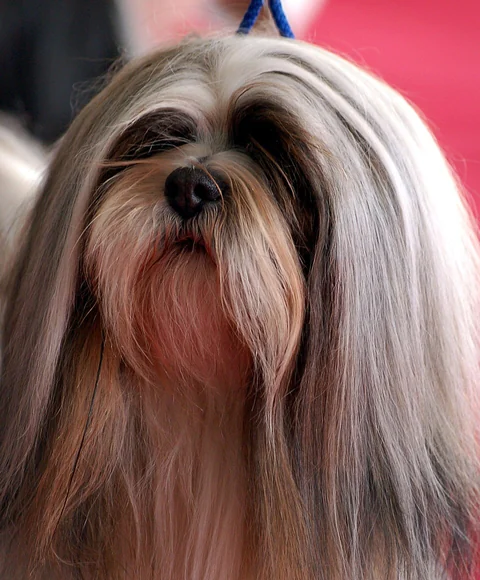
Tibetan companion and watch dog
Lhasa Apso
A small, sturdy Tibetan dog with long hair and an independent mind. Once an indoor sentinel, it notices noises and visitors. Its size is manageable, but maintaining the coat is a daily task.
Sources and photograph credit
- Teaching your dog to be left alone
Used in this profile for: Staying home alone
- Pekingese, Shih Tzu and Staffordshire Bull Terrier among twelve dog breeds at risk of serious breathing condition
Used in this profile for: Health
- Brachycephalic Obstructive Airway Syndrome
Used in this profile for: Everyday life, Size and build, Health, Could this breed fit your life?
- BOAS, breathing problems in flat faced dogs
Used in this profile for: Health
- Luxating patella in dogs
Used in this profile for: Health
- Exercising your puppy
Used in this profile for: Size and build
- Pekingese
Used in this profile for: Temperament, Everyday life, Size and build, Lifespan, Could this breed fit your life?
- The Pekingese
Used in this profile for: Everyday life, Day-to-day care, Could this breed fit your life?
- Pekingese, FCI Standard No.207
Used in this profile for: Size / Weight, Temperament, Day-to-day care
- Pekingese
Used in this profile for: Temperament, Day-to-day care, Health
- Training Your Dog to Be Left Alone
Used in this profile for: Everyday life
- Children and Dogs
Used in this profile for: Temperament
- Dog dental care
Used in this profile for: Day-to-day care
- Training your dog
Used in this profile for: Everyday life
Photo credits
Portrait · 1AKC Pekingese Dog Show 2011.jpg · SheltieBoy · CC BY 2.0 · Edited

Side view · Bailey Pekingese.jpg · Dirk · CC BY 2.0 · Edited

Coat and features · 111 AKC Pekingese head.jpg · SheltieBoy · CC BY 2.0 · Edited

Everyday life · Happy Pekingese Wanting to Play.jpg · Rwc2118 · CC BY-SA 3.0 · Edited
