 fellfolio
Terrier
Norfolk Terrier
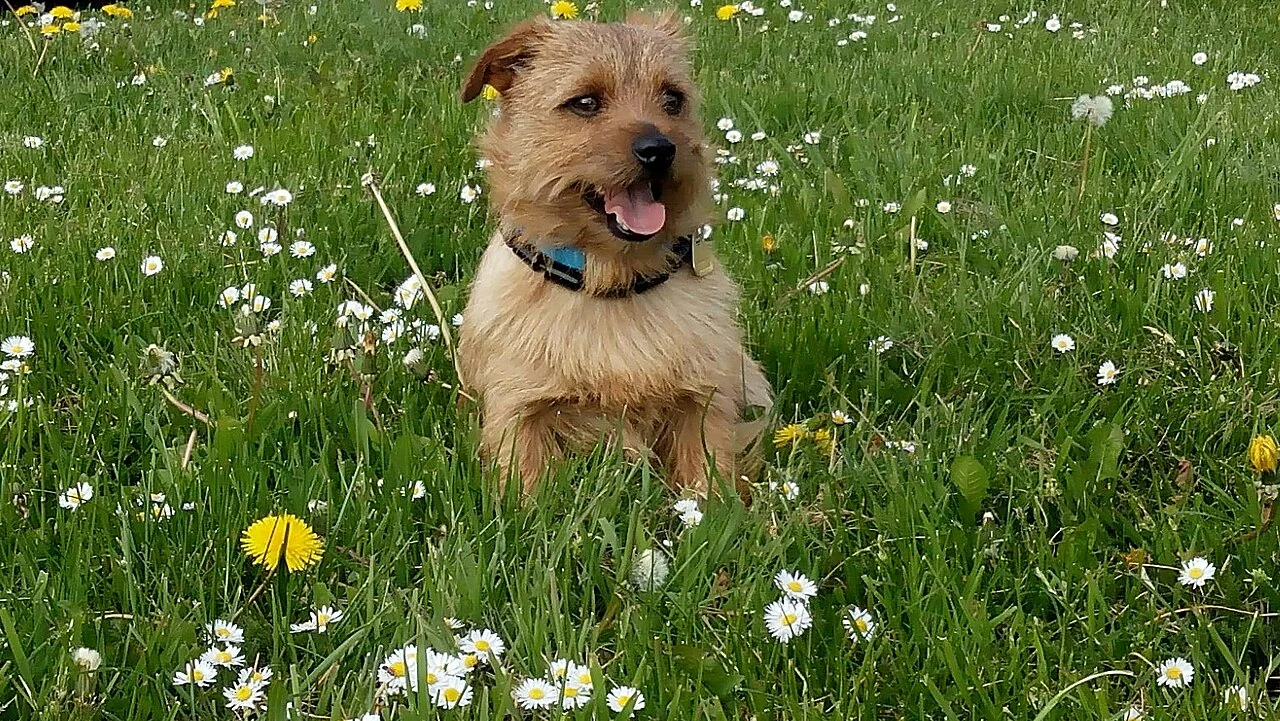
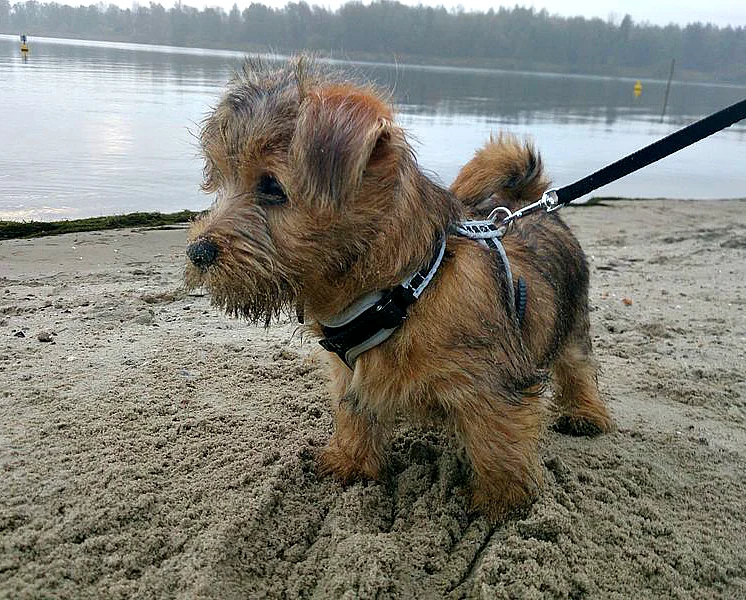
The Norfolk Terrier is small, sturdy and curious. Its ancestors pursued small animals on British farms. Today it needs sniffing walks, secure garden fencing and practice settling again after it barks at a noise.
At a glance
- Size
- Small
- Lifespan
- over 10 yearsUK Royal Kennel Club breed profile
- Activity
- Moderate
- Grooming
- Several times weekly
- Training
- Patience & clear guidance
- Owner experience
- First dog with support
A small dog with a big interest in life
The Norfolk developed from British working terriers that pursued small pests on farms and in the countryside. Until 1964 it and the upright-eared Norwich Terrier were registered as one breed. The Norfolk’s ears fold forward beside its cheeks, though ear shape tells you little about an individual dog’s character. The breed standard calls for an alert, fearless and lovable dog.
Many Norfolks approach people readily and like to know what is happening at home. They also notice every sound outside the window. Teach early that a brief check-in with you and a calm resting place pay better than prolonged barking. Reliable recall matters outdoors: a gap beneath a hedge may look like an excellent invitation. Cats and small pets call for supervision, space and patient introductions.
Everyday life
The Royal Kennel Club places the Norfolk in its up-to-one-hour daily exercise category. That does not mean being carried around or circling the garden. Different walking routes, time to sniff and short searching games suit its working terrier background. Scatter a few food pieces in grass or hide a toy behind a tree, then practise calling the dog back.
It can live well in a flat when walks and quiet periods are dependable. In a lively family, give it a place where nobody disturbs its sleep. Young children need to learn that a dog may walk on its own feet and move away; small does not mean toy-like. A fence should meet the ground securely, because an inquisitive terrier may find a surprisingly narrow gap.
Staying home alone
Dogs learn to stay home alone in small steps. The RSPCA advises no more than four hours at a time. Puppies and dogs that become unsettled when left alone need shorter absences and gradual practice. Arrange someone to care for your dog when you will be away longer.
Day-to-day care
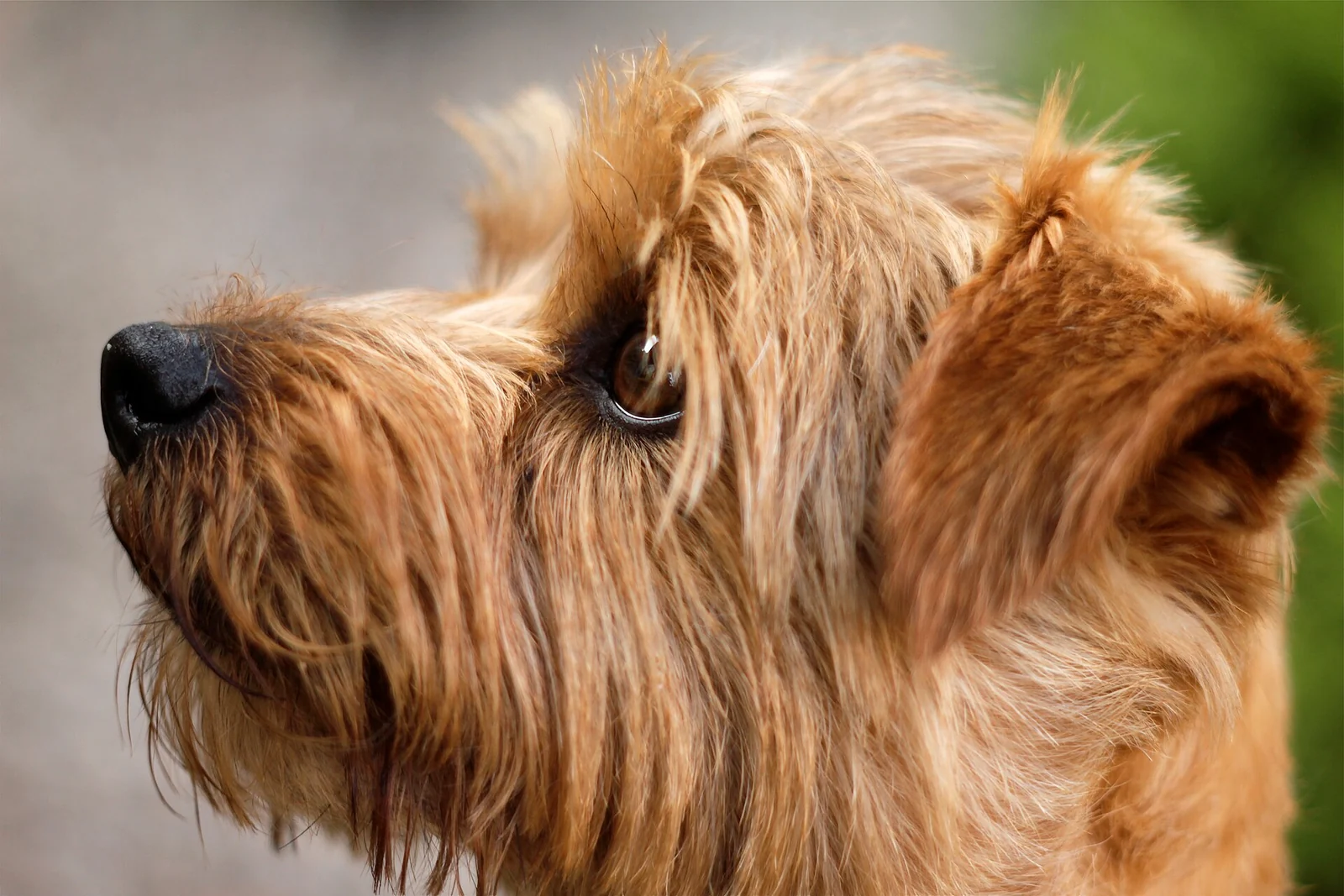
The hard, wiry coat lies close to the body and grows slightly longer around the neck and shoulders. Comb through it several times a week, reaching the skin where a harness or collar may rub. Skilled hand stripping removes dead hair and preserves the firm texture. A groomer can help untangle or trim firmly matted areas gently. Regular combing helps prevent new knots.
Check the folded ears after wet walks; lasting odour, head shaking or redness needs a veterinary opinion. Inspect feet after long grass and keep the nails short. Let a puppy learn these handling steps through very brief, rewarding practice.
Size and build
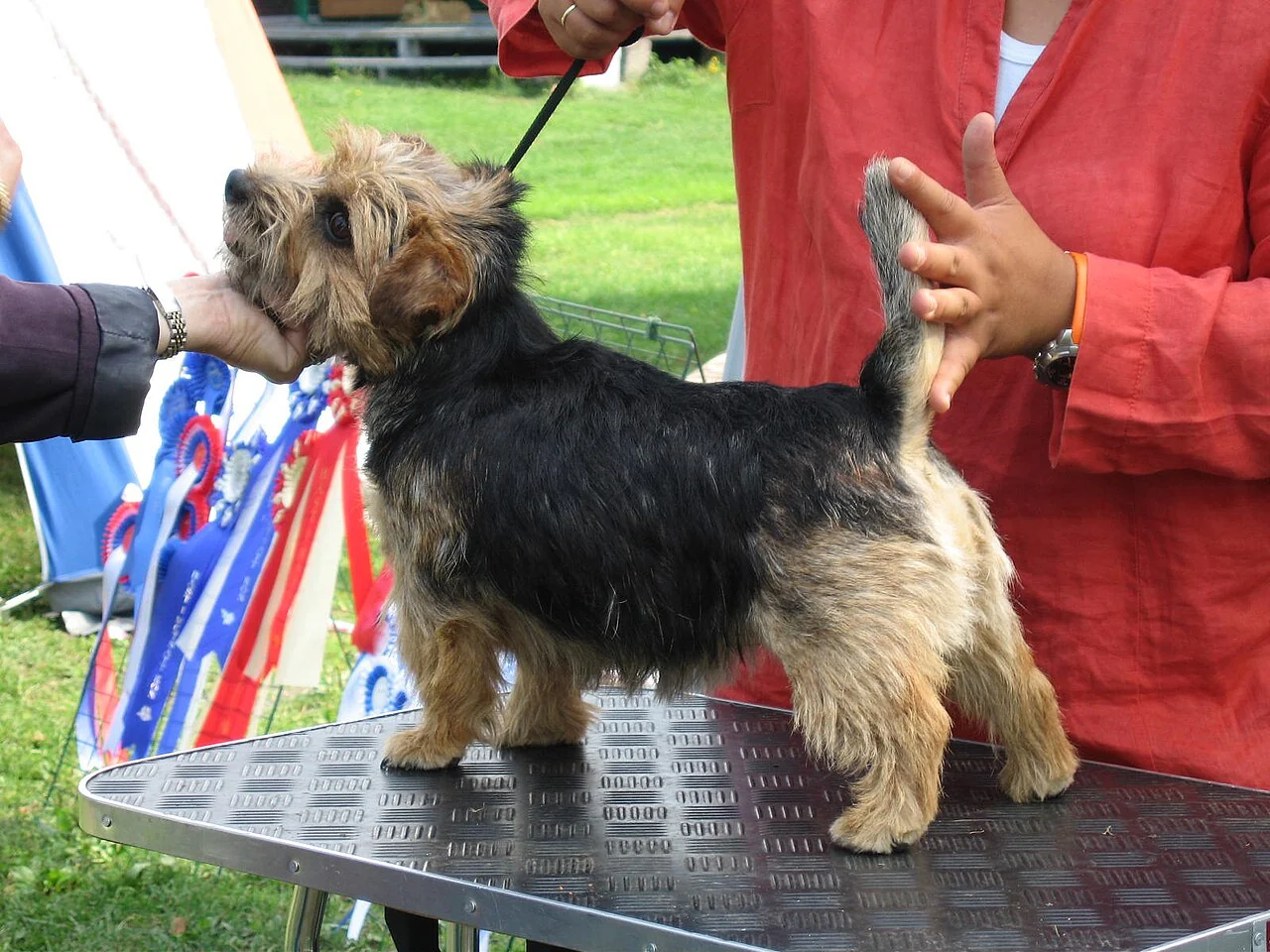
At an ideal shoulder height of 25 cm, the Norfolk is low, short-backed and surprisingly solid. Its chest is rounded, the short front legs straight, and the round feet have firm pads. This build helps it move quickly and close to the ground. It should not look fragile, nor so heavy that its straight, easy stride disappears.
The coat comes in shades of red, wheaten, black and tan, or grizzle. Forward-folding V-shaped ears distinguish it visually from the closely related Norwich Terrier, whose ears stand upright. In a young dog, free movement and friendly curiosity tell you more than an especially striking coat colour.
Health
The American Norfolk Terrier Club advises a heart examination including Doppler ultrasound, an eye examination by a specialist and a patella check for breeding dogs. Hip evaluation and an ichthyosis DNA test are optional in its guidance. Ichthyosis is an inherited skin disorder that can cause excessive scaling. In the mitral valve disease named by the club, a heart valve no longer closes tightly. An ultrasound shows how the valve and heart are working. Ask a breeder exactly which assessments were done and to show the actual reports.
Repeatedly skipping on three legs can suggest a patella problem. Unusual fatigue, coughing or breathlessness also calls for a veterinary assessment rather than being dismissed as age.
Could this breed fit your life?
Could work well if …
- You want a small, lively companion and enjoy regular walks.
- You like training and can plan for coat care.
May be more difficult if …
- You expect occasional brief garden visits to be enough.
- Small pets cannot be kept safely apart from an inquisitive terrier.
Similar needs, different dogs.
Selected by shared size, activity, grooming and training characteristics.
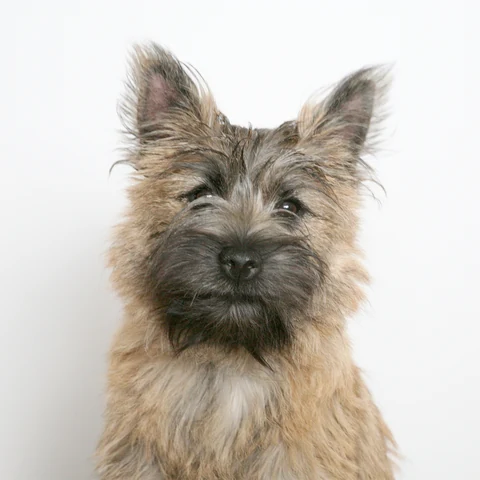
Terrier
Cairn Terrier
The Cairn Terrier once searched Scottish stone piles for small animals. Today it brings the same energy to sniffing, digging and exploring. Recall needs practice despite its small size.
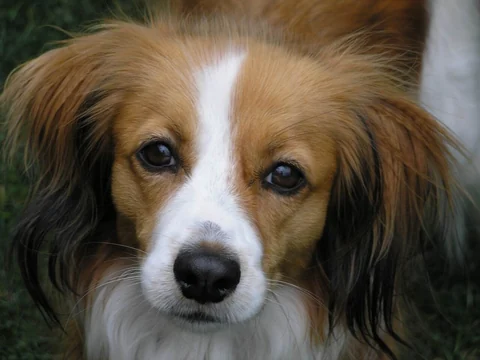
Dutch decoy and companion dog
Nederlandse Kooikerhondje
The Kooikerhondje once lured wild ducks into Dutch trapping channels. This small dog is lively and enjoys learning. It may need time with strangers and a well-practised recall outdoors.
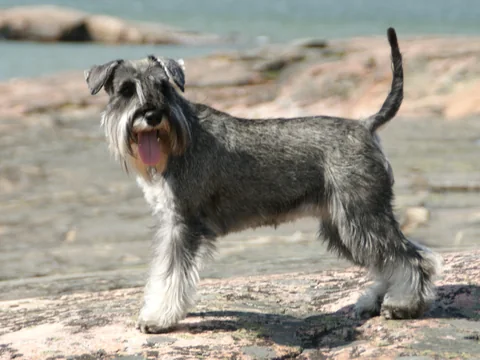
Companion dog
Miniature Schnauzer
A sturdy small dog with a distinctive beard and an alert expression. It enjoys company but needs daily exercise and regular coat care.
Sources and photograph credit
- Teaching your dog to be left alone
Used in this profile for: Staying home alone
- Welcome to the Wonderful World of Norfolk Terriers
Used in this profile for: Day-to-day care
- Norfolk Terrier Club health statement
Used in this profile for: Health
- Leaky valve disease of older dogs
Used in this profile for: Health
- Epidermolytic hyperkeratosis (ichthyosis), Norfolk terrier type
Used in this profile for: Health
- Norfolk Terrier, Breeds A to Z
Used in this profile for: Temperament, Everyday life, Day-to-day care, Health, Lifespan, Could this breed fit your life?
- Norfolk Terrier breed standard
Used in this profile for: Size / Weight, Temperament, Day-to-day care, Size and build, Could this breed fit your life?
Portrait · Norfolk terier · Masár · CC BY-SA 4.0 · Edited

Side view · Norfolk Terrier Norway · Hanne Tangenes · CC BY 3.0 · Edited

Coat and features · 1Kofi eye's a tasty morsel · Franco Lautieri · CC BY 2.0 · Edited

Puppy · Norfolk terriër, Bruno, 9 weken oud- 2014-01-15 16-16 · User:ArwindKoendan · CC BY-SA 3.0 · Edited
