 fellfolio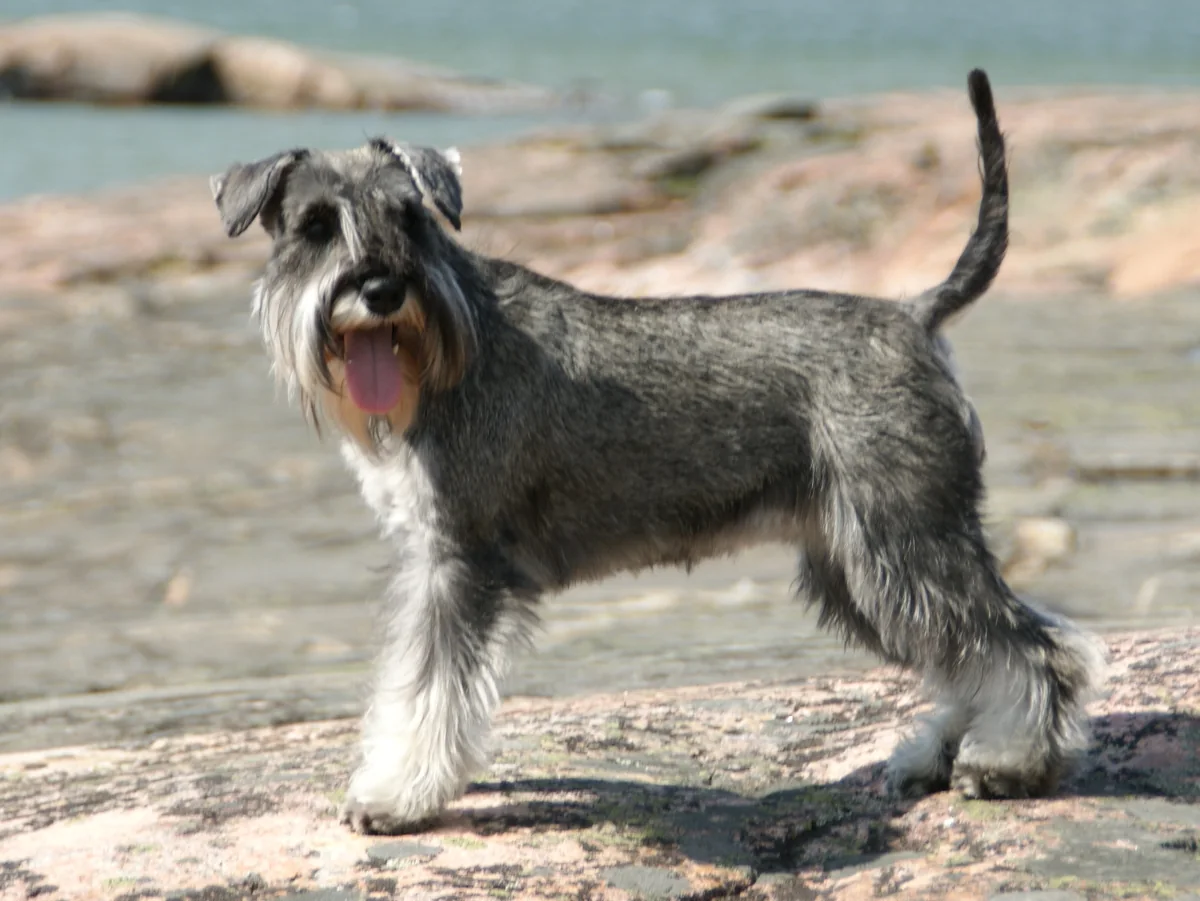
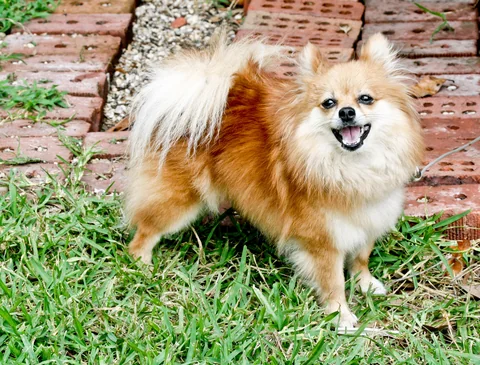
Spitz
Pomeranian
A lively toy spitz with a bright expression, dense undercoat and plenty of confidence.
Companion dog
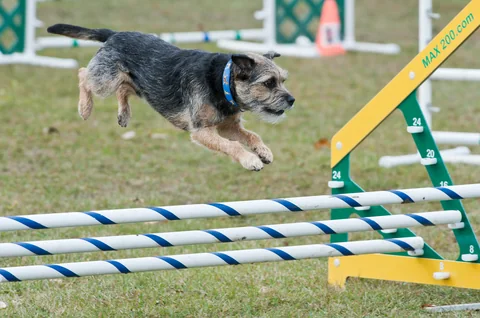
A small, attentive dog with a wiry coat. It needs exercise and grooming; manageable size does not mean it can be left to entertain itself.
Miniature Schnauzers are described as playful and inquisitive. They may bring their own ideas to training. Short, understandable tasks and consistent boundaries help more than endless repetition. Alertness and vocal behaviour also depend on the environment and experience.
Regular walks and short scent tasks provide useful activity. A flat can work with sufficient outdoor opportunities. Around children, respectful handling and a retreat matter. Assess compatibility with other animals in the individual dog and build introductions gradually.
Being alone needs gradual practice. The RSPCA advises no more than four hours at a time; puppies and some adults need much shorter intervals. Arrange company during longer absences.
The wiry coat releases relatively little loose hair but still needs work. Brush several times a week and arrange regular skilled clipping or stripping. Check the beard after meals. Keep nails, teeth and ears in the care routine.
The figures come from PDSA’s British breed guide and are not strict limits. Build and breeding line vary. Low shedding does not establish that a dog is suitable for someone with allergies.
PDSA lists urinary stones, pancreatitis and several eye conditions among breed-related concerns. The list does not predict whether an individual will be affected. Do not choose preventive diets or treatments solely on the basis of breed. Discuss routine care and concerning changes with your vet.
A 2024 British study estimates a median of 13.3 years for this breed (95% confidence interval 13.2–13.5; 7693 dogs). The interval describes uncertainty in the estimate, not the range of individual lifespans. Region, sampling and living conditions limit generalisation.
Breed traits describe tendencies. Breeding line, socialisation, care and experience shape the individual. Children and animals always need responsible supervision.
Selected by shared size, activity, grooming and training characteristics.
Spitz
A lively toy spitz with a bright expression, dense undercoat and plenty of confidence.
Companion dog
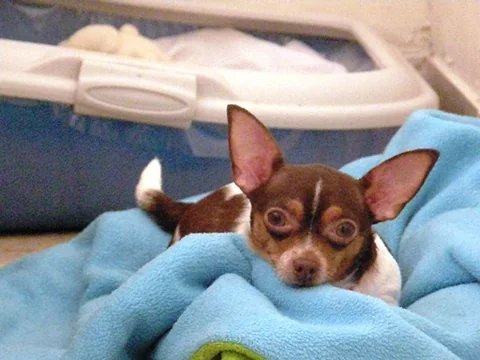
Small, alert and active. Chihuahuas still need suitable activity, gentle introductions and protection from rough handling.
Portrait · Canarian · CC BY-SA 3.0 · Image cropped
.jpg)