 fellfolio
Small German Pinscher
Miniature Pinscher
Small, quick and strikingly self-assured, the Miniature Pinscher comes from the German Pinscher family, which was also used to catch mice and rats. Its short coat is simple to maintain; its energy and curiosity can demand more of you.
At a glance
- Size
- Small
- Height at shoulder
- 25 to 30 cm
- Lifespan
- over 12 yearsUK Royal Kennel Club breed profile
- Activity
- High
- Grooming
- Weekly
- Training
- Often cooperative
- Owner experience
- First dog with support
It notices movement quickly
The Miniature Pinscher is not a shrunken Doberman. Its roots lie with German Pinschers, whose smaller relatives also caught mice and rats. That history helps explain its alert interest in movement and its appetite for exploring. At home it is often closely attached to its people. Its courage can seem bigger than its body, so early training is more useful than picking it up at every encounter.
It may loudly announce visitors. Teach a settled place, reward brief quiet moments, then let the dog meet someone at its own pace. Outdoors, practise recall and loose-lead walking where distractions are modest before moving to busier routes. The AKC recommends early exposure to varied people and situations. A Min Pin learns quickly, and also notices when rules change from day to day. Calm consistency works better than volume.
Everyday life
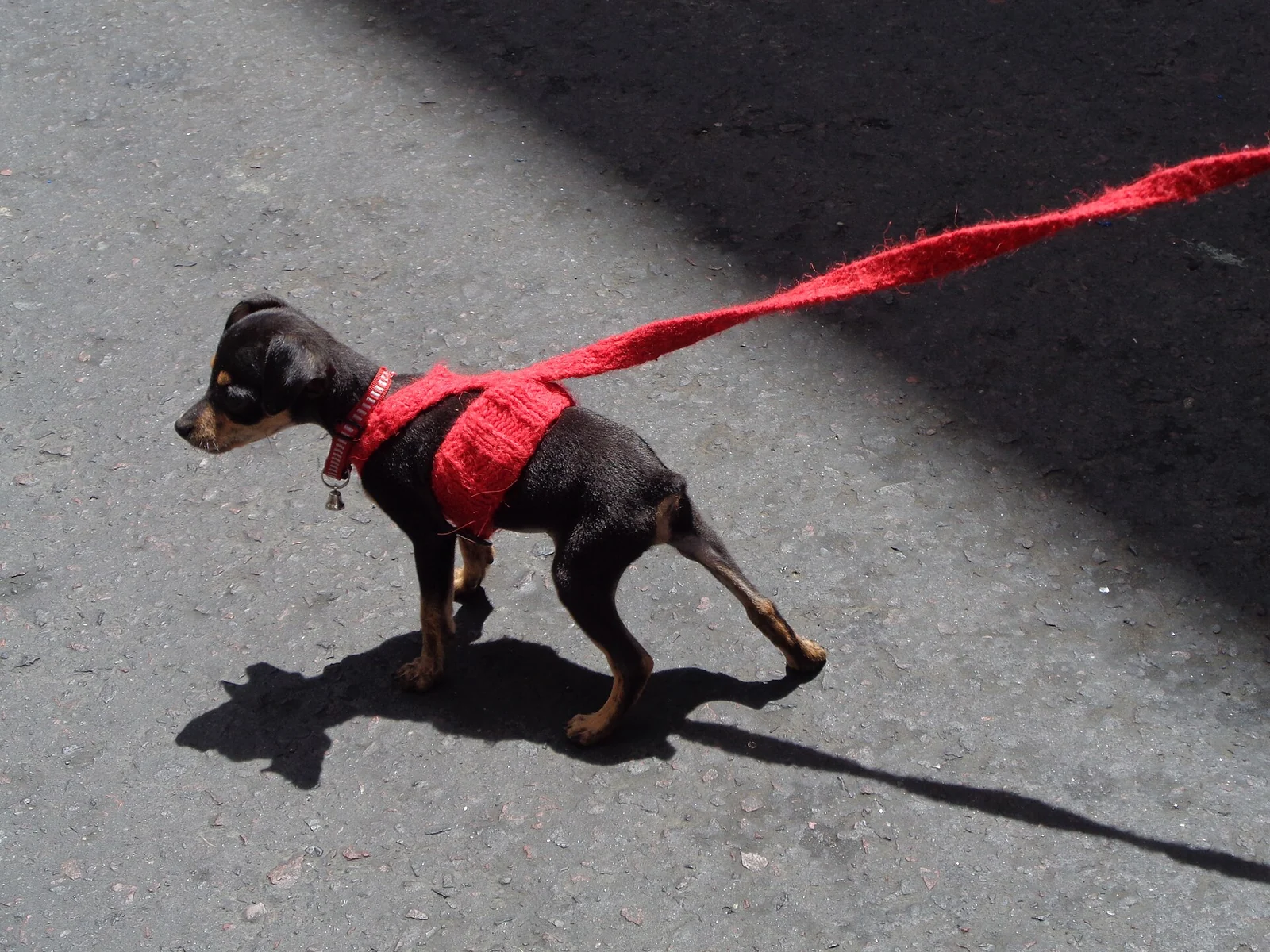
The British breed profile lists up to 30 minutes of daily exercise, while the AKC describes a very active dog that enjoys several walks and games. Taken together, these suggest it does not need marathon distances but does need regular chances to use its legs and mind. A walk with sniffing breaks, a short indoor search for a toy and a few minutes of training can spread that activity through the day.
Small and fast is an easy combination to underestimate. Secure doors and garden fences: a narrow opening may be enough for it to follow something interesting. It can live comfortably in a flat if you guide its barking and take it out daily. With young children an adult should protect both sides. A dog standing only 25 to 30 cm at the shoulder can be hurt by rough handling and needs a resting place where nobody picks it up.
Staying home alone
Dogs learn to stay home alone in small steps. The RSPCA advises no more than four hours at a time. Puppies and dogs that become unsettled when left alone need shorter absences and gradual practice. Arrange someone to care for your dog when you will be away longer.
Day-to-day care
A soft brush or grooming glove once a week usually keeps the short, close-lying coat tidy. It still sheds; short hair is not the same as no hair. Use grooming time to check the skin, feet and nails. Overgrown nails change how a small dog places its feet. Get it used to brief, calm paw handling before a nail-trimming appointment becomes urgent.
Teeth deserve attention too. The AKC recommends regular brushing with a dog-safe product. Start with brief touches around the mouth and reward relaxed participation. The thin coat offers less protection in cold rain than a dense double coat. A well-fitted coat may help then, provided it lets the dog move freely.
Size and build
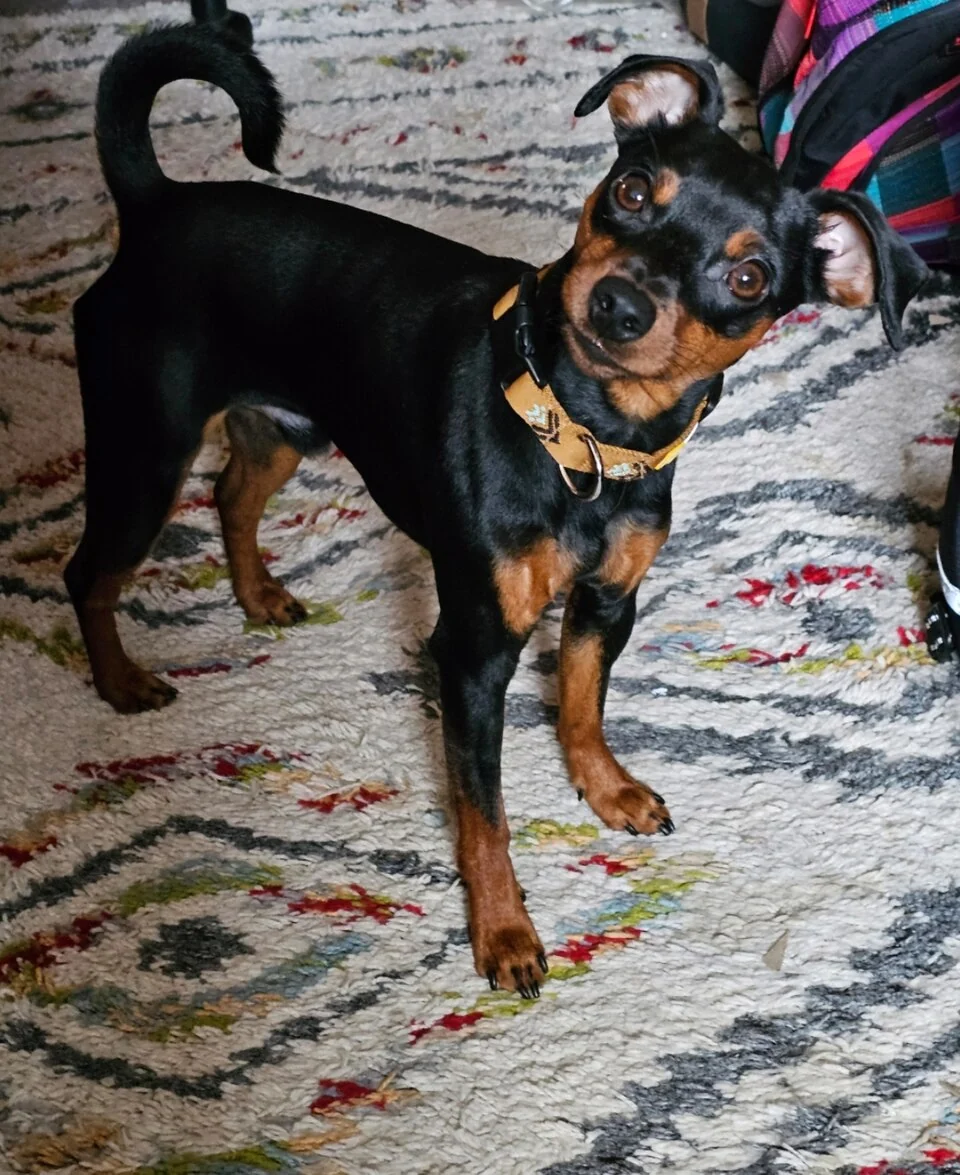
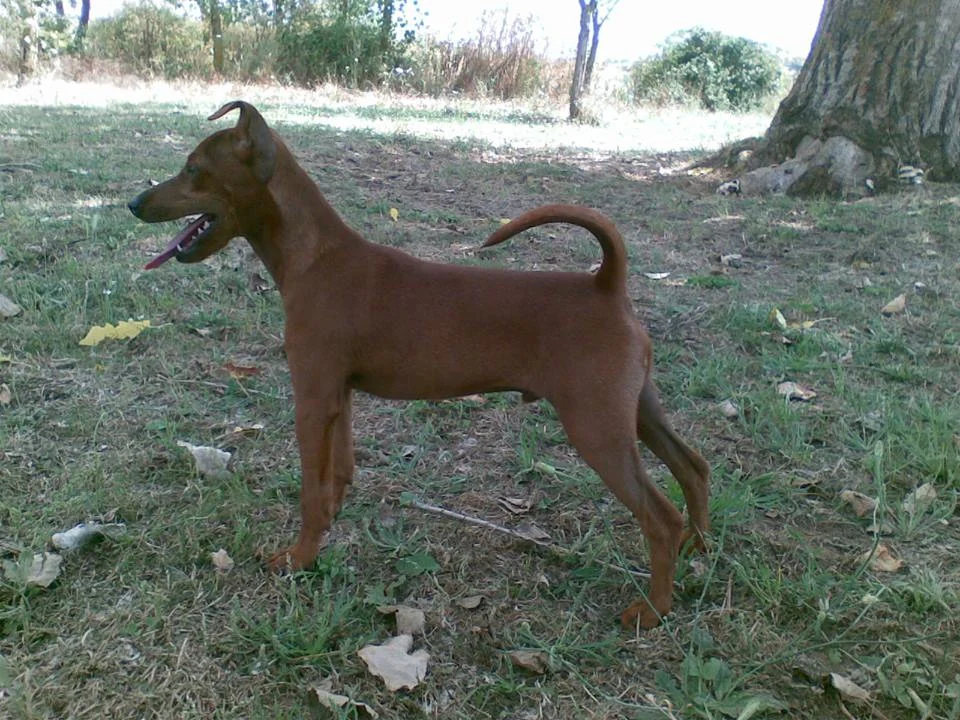
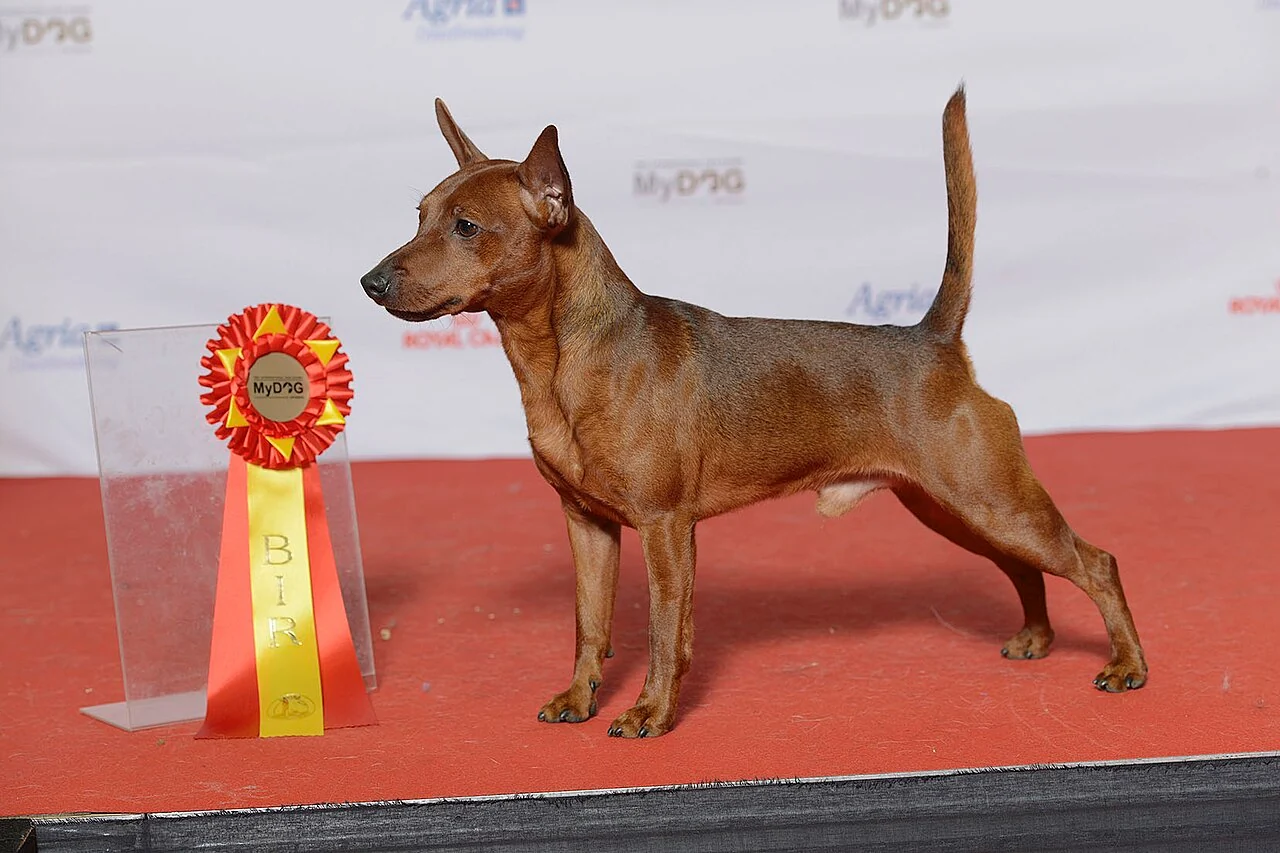
The Royal Kennel Club gives a shoulder height of 25 to 30 cm; its standard does not provide a general weight range. The body is compact and short-coupled, with straight legs carrying a quick, lively stride. A smooth coat lies close to the skin. Colours include several reds and dark coats with clearly defined tan markings. Alert eyes and ears frame a wedge-shaped head rather than the round face seen in some toy breeds.
A Miniature Pinscher should move freely and strongly despite its size. A dog so delicate that ordinary movement is difficult does not fit the breed’s original purpose. A notably high-stepping action is seen in some lines, but should not distract from whether the dog walks comfortably on firm ground. A puppy should be curious and responsive, not bred simply to be exceptionally tiny.
Health
Knees and hips deserve particular attention in Miniature Pinschers. The American parent club lists patella evaluation as a core part of its breeding-health protocol. An X-ray assessment for Legg-Calvé-Perthes disease, in which disrupted blood supply causes bone in the femoral head to die, is one of several additional checks. The Royal Kennel Club recommends eye examinations, including litter screening. Ask which results are available for both parents and whether close relatives have had lameness or eye problems.
If the dog suddenly carries a hind leg, briefly runs on three legs or stops wanting to jump, have a vet check its knees and hips. This matters especially in a young dog. The AKC also names eye and heart conditions; ask whether either has affected close relatives.
Could this breed fit your life?
Could work well if …
- You want a very small but agile dog and can go out with it several times a day.
- You enjoy short, regular training and can calmly manage visitors, barking and secure boundaries.
May be more difficult if …
- You want a quiet lap dog that needs little walking or practice.
- Young children can grab or lift the dog freely and you cannot supervise.
Similar needs, different dogs.
Selected by shared size, activity, grooming and training characteristics.
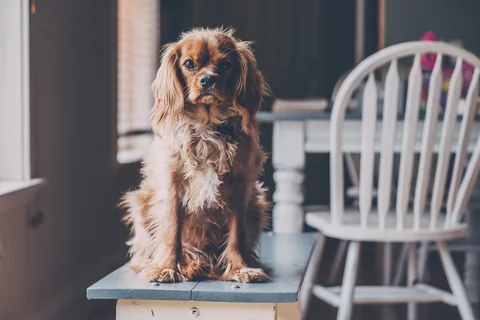
Companion dog
Cavalier King Charles Spaniel
Cavaliers enjoy being close to their people and exploring on walks. Before getting one, ask to see the parents’ heart results and what is known about syringomyelia in the family.
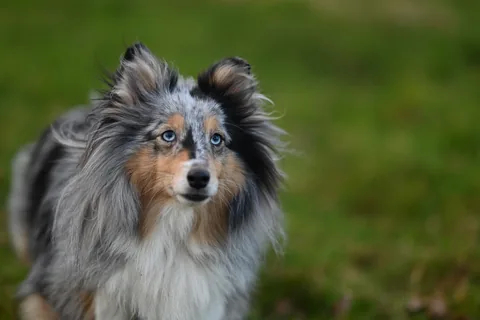
Herding dog
Shetland Sheepdog
A small herding dog that enjoys working with its people. The Sheltie's watchful eyes, unmistakable voice and thick coat are as much a part of daily life as its eagerness to learn.

Companion dog
Bichon Frise
The Bichon Frise is a small, playful companion that likes to be near its people. Its white curly coat sheds little, but mats without daily care.
Sources and photograph credit
- Teaching your dog to be left alone
Used in this profile for: Staying home alone
- Avascular necrosis of the femoral head (Legg-Calvé-Perthes Disease) in dogs
Used in this profile for: Health
- Patellar luxation
Used in this profile for: Health
- Miniature Pinscher dog breed information
Used in this profile for: Temperament, Everyday life, Day-to-day care, Health, Could this breed fit your life?
- Miniature Pinscher Club of America health statement
Used in this profile for: Health, Could this breed fit your life?
- Miniature Pinscher, Breeds A to Z
Used in this profile for: Temperament, Everyday life, Day-to-day care, Size and build, Health, Lifespan, Could this breed fit your life?
- Miniature Pinscher breed standard
Used in this profile for: Size / Weight, Size and build, Could this breed fit your life?
Portrait · -02- Male Miniature Pinscher - männlicher Zwergpinscher · Runologe · CC BY-SA 4.0 · Edited

Side view · Grupp 2 DVÄRGPINCHER, Pincerella’s Rinaldo Rosso · Johan Frick-Meijer / Svenska Mässan · CC BY 2.0 · Edited

In action · Walking a mini doberman, Quito Colonial Center Mini Doberman Pinscher Miniature Pinscher · David Adam Kess · CC BY-SA 4.0 · Edited

Young dog · Zwergpinscher - Cucciolo di 5 mesi · E.minpinschers · CC BY-SA 3.0 · Edited
