 fellfolio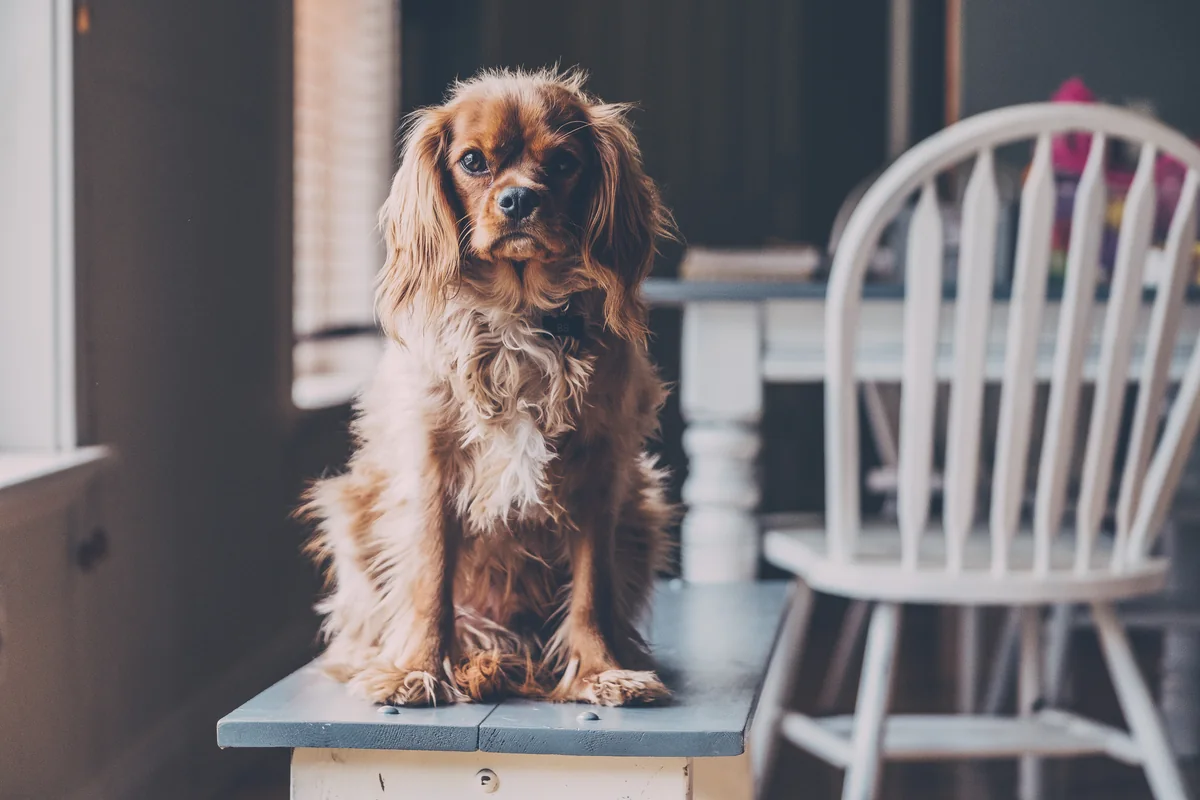
Companion dog
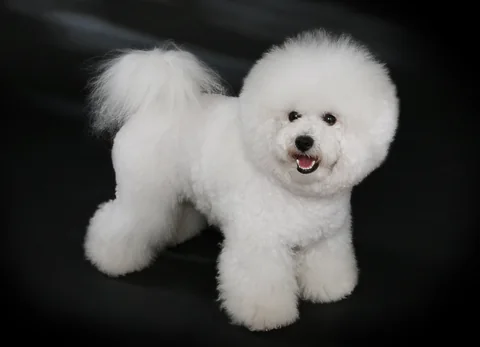
Bichon Frise
A small, curly-coated companion that is often interested in its people. Modest exercise needs come with a considerably greater grooming commitment.
Companion dog
An active companion that seeks close company. Grooming and the high prevalence of heart disease deserve early attention.
Cavaliers were bred as companions and are often friendly and sociable. That is a tendency, not a guarantee; some dogs find separation difficult.
PDSA recommends at least an hour of exercise each day. Split it across walks and play. Plan for company and a quiet place where the dog can retreat.
Being alone needs gradual practice. The RSPCA advises no more than four hours at a time; puppies and some adults need much shorter intervals. Arrange company during longer absences.
Brush the longer feathering regularly, sometimes daily. Check ears, eyes and teeth as part of a routine.
The cited measurements describe adults. A companion breed is not care-free: health screening and daily coat care belong in the decision.
PDSA highlights mitral valve disease as a major concern and also lists eye, knee and neurological conditions. Ask about the parents’ health and available heart screening.
Breed traits describe tendencies. Breeding line, socialisation, care and experience shape the individual. Children and animals always need responsible supervision.
Selected by shared size, activity, grooming and training characteristics.
Companion dog
A small, curly-coated companion that is often interested in its people. Modest exercise needs come with a considerably greater grooming commitment.
Companion dog
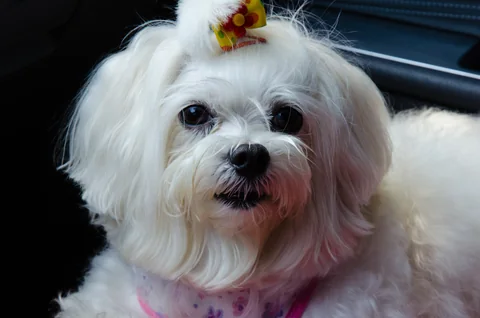
A cheerful companion who likes being part of family life and needs daily brushing.
.jpg)