 fellfolio
Small companion dog
Löwchen
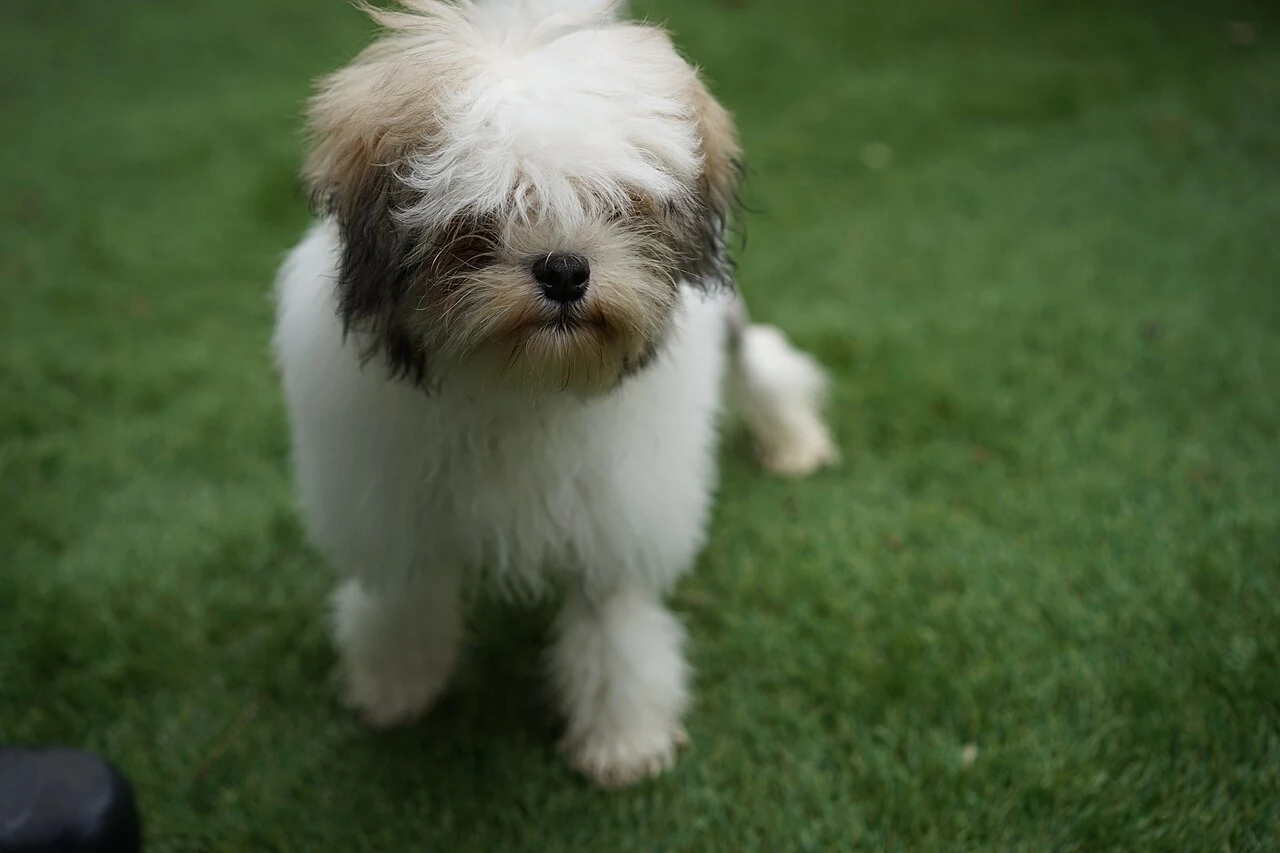
A Löwchen can look quite different with a long coat or its distinctive lion clip. Both appearances belong to the same small companion breed. Alongside its cheerful looks, prospective owners should plan for regular coat care, shared activities and dependable company.
At a glance
- Size
- Small
- Height at shoulder
- 26 to 32 cm
- Lifespan
- over 12 years
- Activity
- Moderate
- Grooming
- Several times weekly
- Training
- Often cooperative
- Owner experience
- First dog with support
A small companion with more than one hairstyle
The Löwchen belongs to the bichons and related breeds, a group of small companion dogs. The Fédération Cynologique Internationale, or FCI, the international federation of kennel clubs, describes it as attentive and affectionate towards its people. When you meet the dog, you can see whether it welcomes visitors eagerly or prefers some distance at first.
Its size makes it easy to take along, but a busy café, a family gathering or a long train journey should be introduced gradually. For a first café visit, a quiet table at the edge and a familiar blanket can help. Relaxed lying down can be rewarded there without people continually stepping over or stroking the dog.
At home, a Löwchen also needs somewhere to sleep undisturbed. Children should leave it alone there, and adults should supervise shared games. If it moves away from a child or visitor, it should have room to keep its distance. Comfortable contact is easier when the dog can choose to approach.
Everyday life
A Löwchen needs walks and opportunities to explore with its nose. Simple searches and useful everyday exercises fit alongside them. For example, you can practise waiting on a mat while you put on your shoes. The task should be brief and easy initially. Once the dog understands what earns a reward, the wait can gradually become longer.
Play need not consist of repeated ball throwing. An appropriate toy can be found together or exchanged for a reward during a short, gentle game. This also teaches a useful skill for times when the dog picks up an object. The reward should be appealing enough to make participation worthwhile.
For life in a flat, the important question is what the dog’s day involves. A small dog needs care just as a large one does. If you are regularly away, time alone should be introduced gently and suitable care arranged. Prolonged barking, pacing or scratching at the door may show that the dog is not yet coping with an absence.
Staying home alone
Dogs learn to stay home alone in small steps. The RSPCA advises no more than four hours at a time. Puppies and dogs that become unsettled when left alone need shorter absences and gradual practice. Arrange someone to care for your dog when you will be away longer.
Everyday dog training: recall, a loose lead and clear communication ↗
Day-to-day care
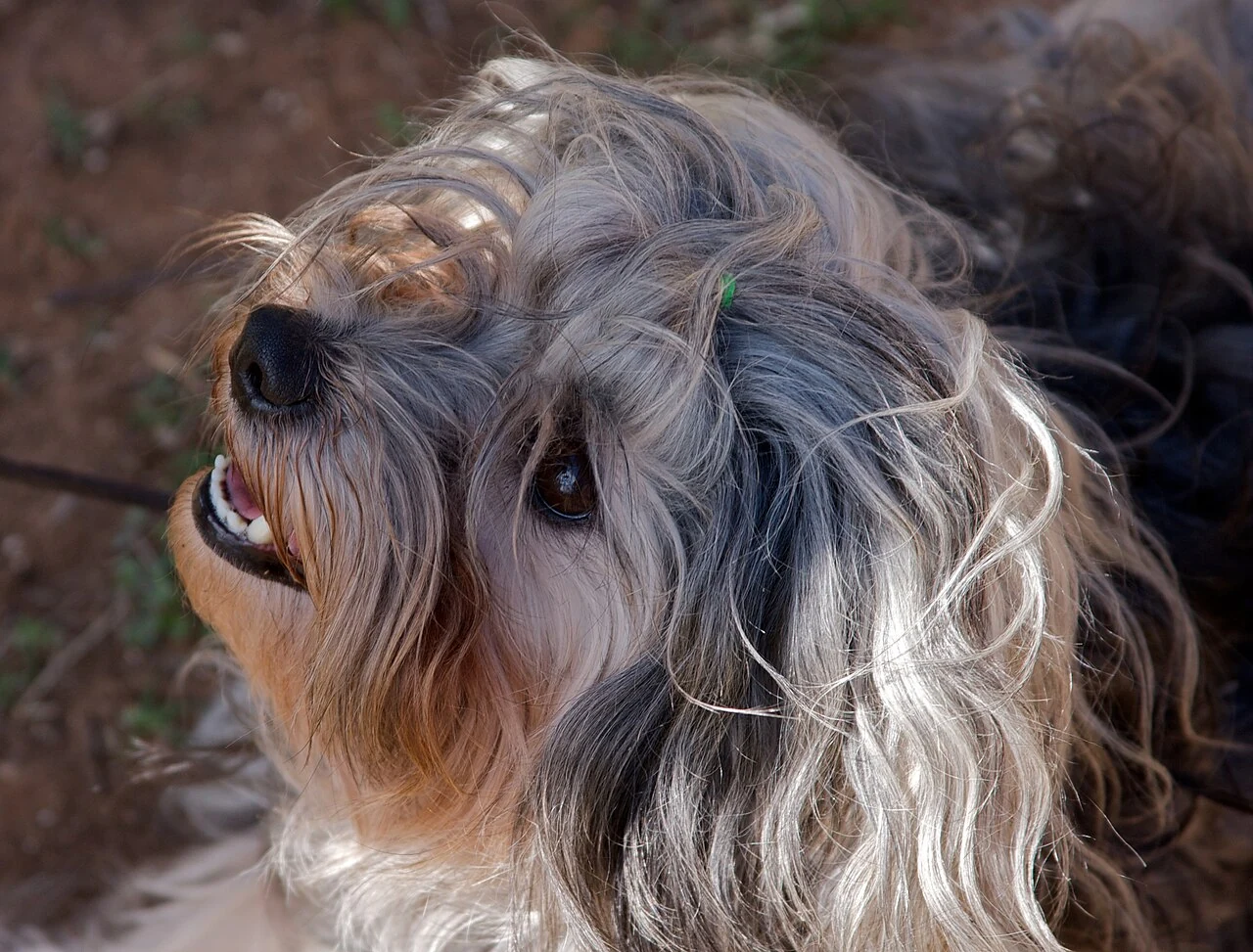
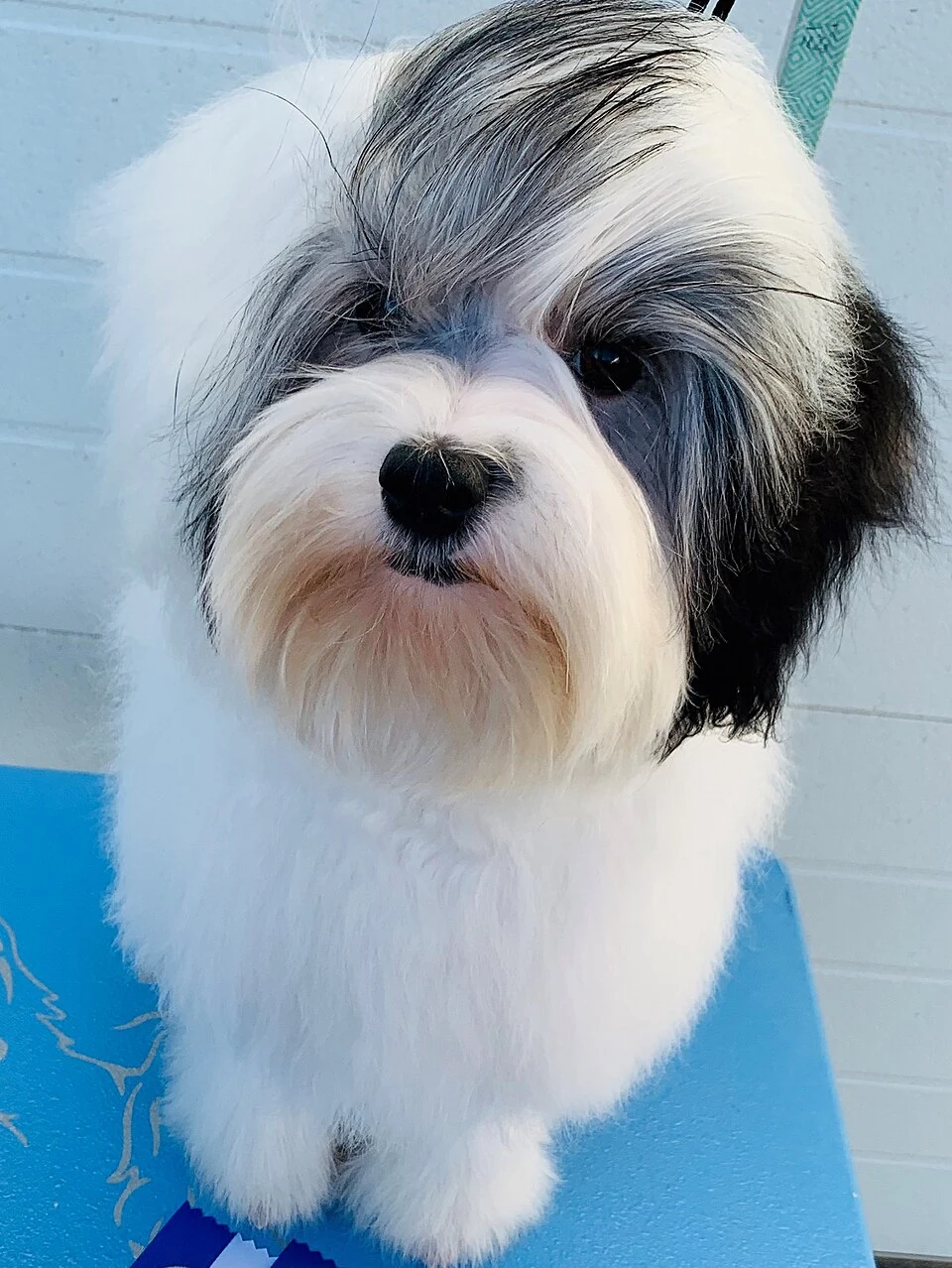
The FCI standard describes a long, wavy coat without an undercoat. An undercoat is an extra layer of shorter hair beneath the outer coat. Long hair can still knot. Brushing should therefore include gently combing through to the roots, particularly behind the ears and where a harness lies. Smoothing only the surface will miss tangles underneath.
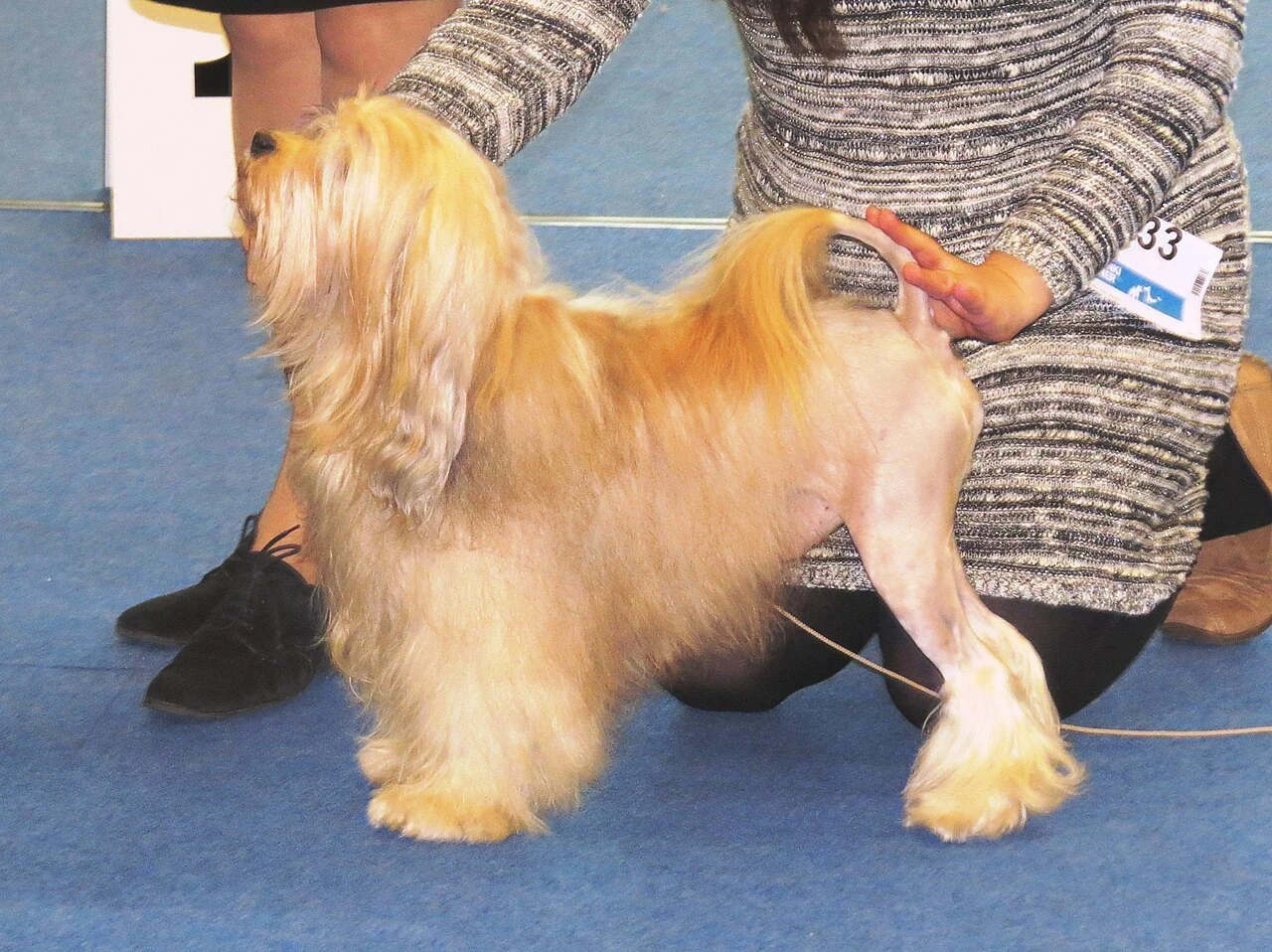
The traditional lion clip leaves long hair at the front while closely trimming parts of the hindquarters. The standard requires this style for showing. It is not compulsory for a pet at home. A skilled groomer can help choose a cut that suits the coat and the care you can provide. Tight mats should be dealt with professionally rather than cut with scissors close to the skin.
Weather also matters when the coat has been trimmed closely. A well-fitting coat may help in cold conditions if the dog has little protective hair or chills quickly. It should allow free movement. Regular nail checks and gradually introduced dental care belong in the routine too. Use toothpaste intended for dogs when brushing their teeth.
Size and build
The name is German, while the FCI standard lists France as the country of origin. It places the Löwchen among the bichons and related breeds. The lion clip has shaped depictions of the breed for a long time. The standard refers to historical artworks and stone carvings, including examples at Amiens Cathedral. These show a similar appearance but cannot establish an unbroken ancestry for today’s dogs.
The standard gives shoulder height as 26 to 32 cm, allowing 1 cm above or below that range. Weight is only approximate, at around 6 kg. This is a breed-standard guide rather than a feeding target for every dog. Appropriate body condition and fitness matter for the individual’s care.
From puppy to senior: caring for your dog through every life stage ↗
Health
Before choosing a dog, discuss the parents’ health records and known conditions in their relatives. In its 2020 health statement, the Löwchen Club of America recommends kneecap examinations, annual eye examinations and hip evaluations. These are recommendations from that American breed club. A breeder should be able to explain the records provided clearly.
Patellar luxation means that the kneecap slips out of its normal track. A dog might briefly hold up a hind leg while moving, then put it down and walk normally again. Repeated skipping or limping should be examined by a vet rather than dismissed as a small dog being lively.
The Royal Kennel Club, the British kennel club, gives a lifespan of over 12 years. An individual may live for a shorter or longer time. Long-term planning should include grooming costs, preventive care and money set aside for treatment. New difficulty moving, eating or seeing should be investigated even when an older Löwchen has become quieter overall.
Could this breed fit your life?
Could work well if …
- You want a small companion and can make walks and shared practice part of everyday life.
- You have time for regular combing and can arrange professional grooming when needed.
- You can provide care and an undisturbed resting place, including in a busy household.
What to consider
- Long hair can mat close to the skin even when the surface still looks tidy.
- The lion clip is a show style. It replaces neither coat care nor protection from cold weather.
- Small size cannot tell you how well an individual will cope with time alone or behave around children.
Similar needs, different dogs.
Selected by shared size, activity, grooming and training characteristics.
Herding dog
Cardigan Welsh Corgi
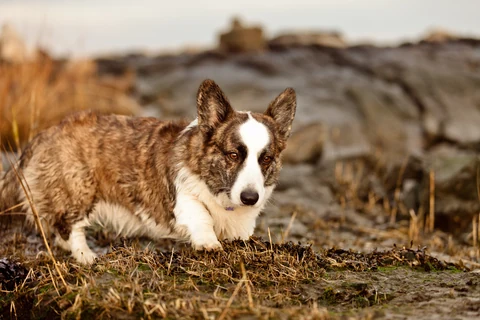
The Cardigan Welsh Corgi is a short-legged herding dog with a long body, large ears and a naturally long tail. Its compact size can obscure a history of working with livestock. Shared walks and small training tasks belong in everyday life alongside a comfortable place to rest.
Small companion dog
Chinese Crested
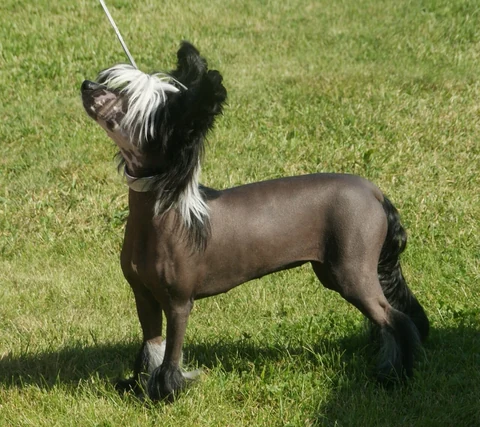
The Chinese Crested comes with a largely hairless body or as a fully coated Powderpuff. Both varieties belong to the same small companion breed. Their care differs considerably: the Powderpuff needs attention to its long coat, while the hairless variety particularly needs skin care and thoughtful protection from sun and cold.
Spitz and companion dog
Japanese Spitz
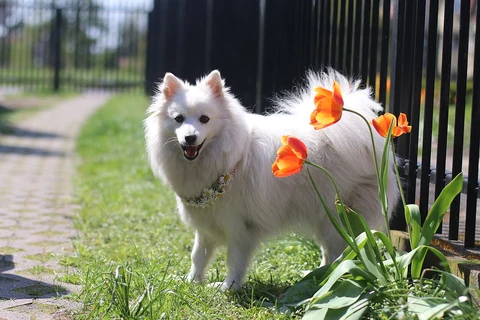
A white stand-off coat, upright ears and a tail carried over the back give the Japanese Spitz its distinctive outline. This small companion dog needs regular walks, shared activities and coat care. Before choosing one, it is worth discussing barking, time alone and the dog’s previous experiences as well as admiring its appearance.
Sources and photograph credit
- Teaching your dog to be left alone
Used in this profile for: Staying home alone
- Patellar Luxations
Used in this profile for: Health
- Position Statements and Humane Dog Training
Used in this profile for: Temperament, Everyday life
- Löwchen Club of America Health Statement
Used in this profile for: Health
- Löwchen (Little Lion Dog)
Used in this profile for: Everyday life, Day-to-day care, Size and build, Health, Lifespan, Could this breed fit your life?
- FCI Standard No. 233: Löwchen (Little Lion Dog)
Used in this profile for: Size / Weight, Temperament, Day-to-day care, Size and build
- Does My Dog Need a Coat on Winter Walks?
Used in this profile for: Day-to-day care
- Training Your Dog to Be Left Alone
Used in this profile for: Temperament, Everyday life, Could this breed fit your life?
- Understanding Your Dog’s Behaviour
Used in this profile for: Everyday life
- Children and Dogs
Used in this profile for: Temperament, Could this breed fit your life?
- Caring for Your Dog’s Teeth
Used in this profile for: Day-to-day care
Photo credits
Portrait · Brown Parti Color Lowchen.jpg · Jk9dat · CC BY-SA 4.0 · Edited

Coat and features · Löwchen dog (Basil Smile).jpg · John M. P. Knox · CC BY-SA 2.0 · Edited
.jpg)
Puppy · Parti Colored Lowchen puppy.jpg · Jk9dat · CC BY-SA 4.0 · Edited

Side view · Little lion Koira 2013.JPG · Томасина · CC BY-SA 3.0 · Edited
