 fellfolio
German companion with a white and brown coat
Kromfohrländer
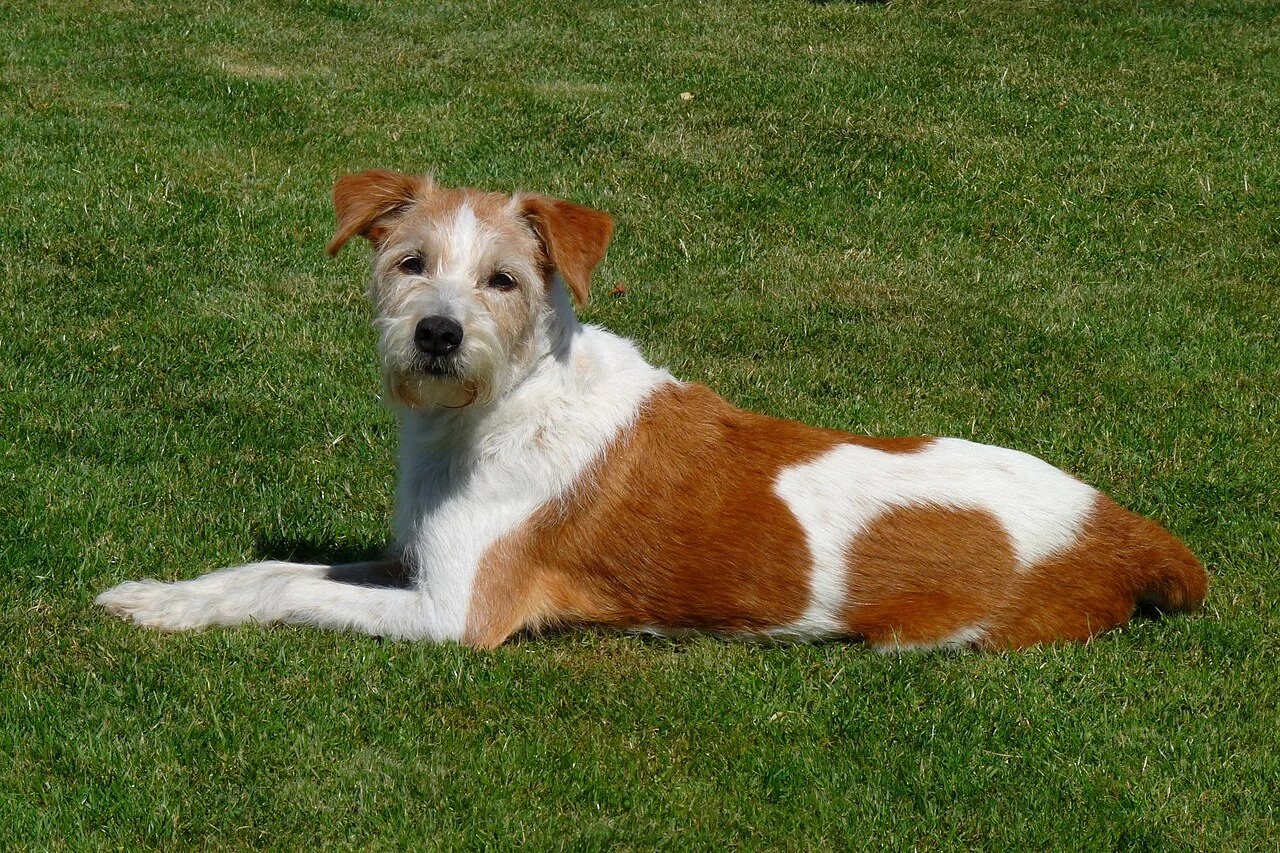
The Kromfohrländer is a medium sized companion with a white and brown coat and often a close attachment to its family. It enjoys shared outings but may prefer time to get to know unfamiliar people. Its recent breed history and small breeding population make careful puppy selection particularly important.
At a glance
- Size
- Medium
- Height at shoulder
- 38 to 46 cm
- Weight
- 9 to 16 kg
- Lifespan
- 13 to 15 years
- Activity
- High
- Grooming
- Weekly
- Training
- Patience & clear guidance
- Owner experience
- First dog with support
Lively with family, often reserved at first
The Kromfohrländer’s history began near Siegen after the Second World War. Ilse Schleifenbaum took in a dog called Peter and followed the development of his offspring with the Fox Terrier Fiffi. Peter’s exact background could not be established. From these beginnings, a consistent companion type developed and was recognised by the international canine organisation FCI in 1955. The name recalls Krom Fohr, a local expression meaning a crooked furrow.
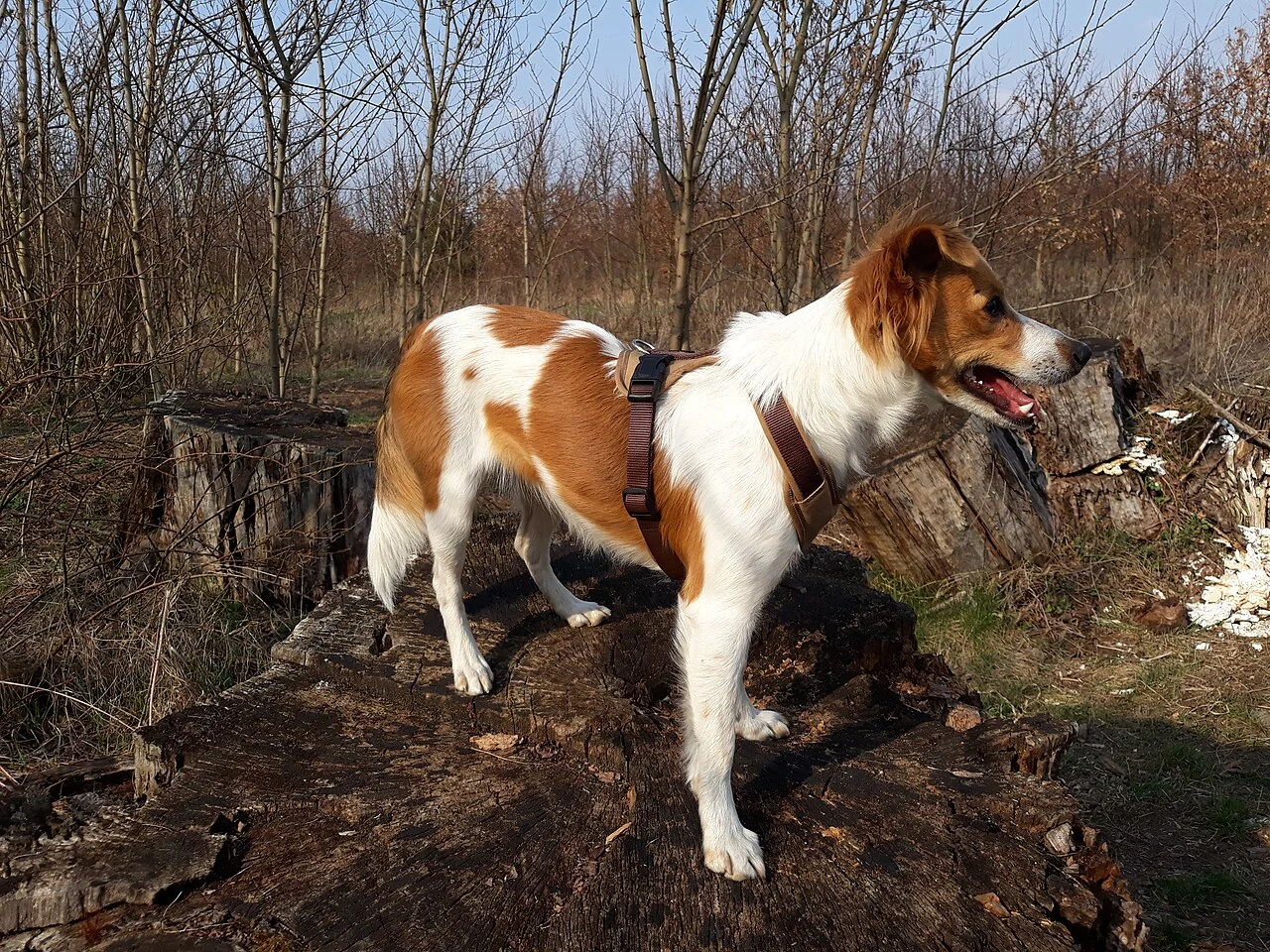
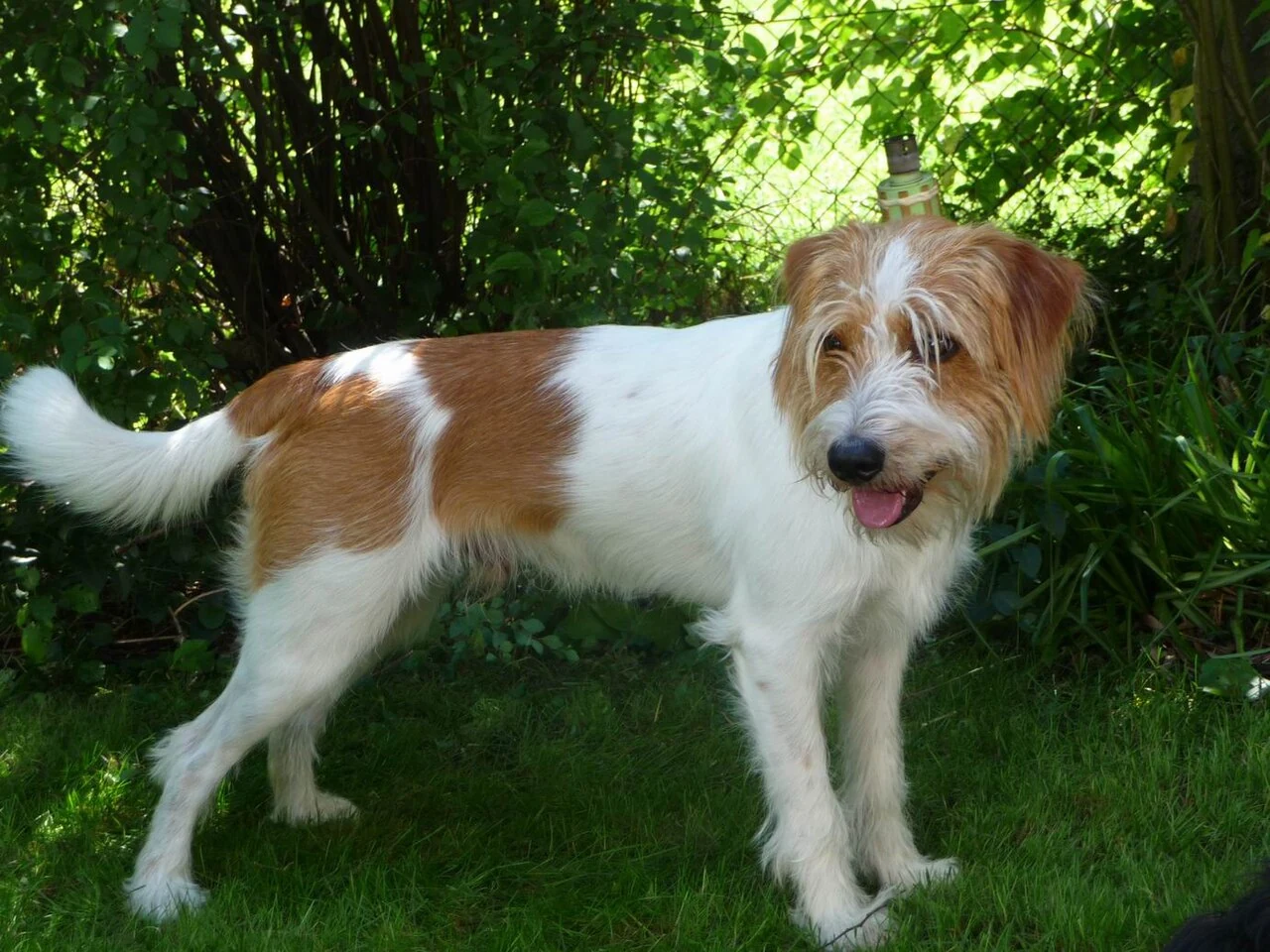
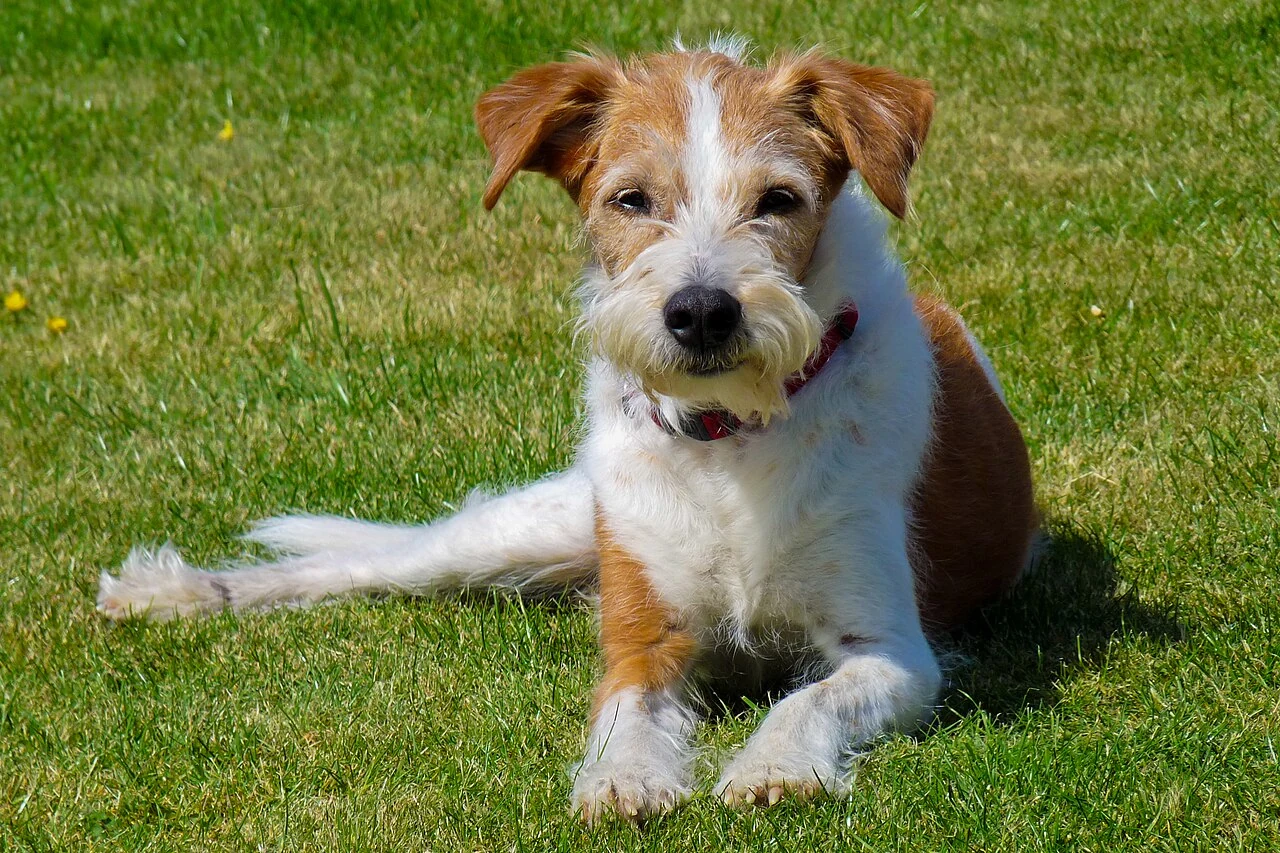
There are now rough coated dogs with a beard and smooth coated dogs without one. Both have white coats with brown markings. Smooth coated does not necessarily mean very short haired, as these dogs may have longer hair on the ears, legs and tail. Shoulder height is 38 to 46 centimetres. The standard gives weights of eleven to sixteen kilograms for males and nine to fourteen kilograms for females.
A Kromfohrländer often seeks plenty of contact with familiar people and may become especially attached to one person. Visitors should therefore allow a friendly introduction without immediately reaching to touch it. Reserve can become more apparent as it matures. The standard describes little hunting drive, although returning when called should still be taught. An adult should help children keep games calm and leave the dog undisturbed at its bed.
Everyday life
Many Kromfohrländers enjoy substantial walks, searches and little shared tasks. An outing can combine different routes, breaks and time to investigate smells. Training works well in short, rewarded exercises, such as coming back when called or waiting before a door. Difficulty and unfamiliar experiences should increase gradually.
During encounters, extra distance may be more comfortable than greeting every unfamiliar dog. The individual dog should have time to show interest. Quiet observation beside a familiar person can be a useful start. Too many encounters in succession can overwhelm a sensitive dog, even one that plays enthusiastically at home.
A flat can suit it when exercise and shared time are reliably available. Being left alone needs careful preparation because a close attachment can make separation difficult. Suitable care should be arranged for long working days. A Fellfolio handover can record familiar routines and useful guidance about encounters, helping someone else care for the dog thoughtfully.
Staying home alone
Dogs learn to stay home alone in small steps. The RSPCA advises no more than four hours at a time. Puppies and dogs that become unsettled when left alone need shorter absences and gradual practice. Arrange someone to care for your dog when you will be away longer.
Everyday dog training: recall, a loose lead and clear communication ↗
Day-to-day care
Both coat types should be brushed regularly and checked for knots or trapped plant material. With longer hair, the areas behind the ears and on the legs need extra attention. After a wet walk, the dog should be able to dry properly. Grooming needs depend partly on coat length and where it has been exploring.
For a rough coat, an experienced groomer can show how to remove loose hair gently. The beard and paws should stay clean. Paw pads deserve regular checks, because unusual thickening or cracks are important health signals in this breed. Nails and teeth need care too. Brushing with dog toothpaste can be introduced in short, rewarded sessions.
Size and build
A puppy should meet different people, sounds and safe environments in manageable stages. A familiar companion and enough quiet time between experiences help. Short explorations and free play suit its physical development. Long forced distances and frequent high jumps should wait while bones and joints are still growing.
Reserve around strangers may become more noticeable in a young adult Kromfohrländer. A suitable training plan allows pleasant encounters at a comfortable distance. Pronounced fear or defensive behaviour calls for early professional help. In later life, shorter outings with familiar search games can work well. Pain or a sudden loss of stamina should be investigated. The American Kennel Club gives thirteen to fifteen years as a guide to life expectancy.
From puppy to senior: caring for your dog through every life stage ↗
Health
An inherited condition can cause the paw pads to produce too much hard outer material. It is called hereditary footpad hyperkeratosis. The pads become unusually thick and firm, may crack and can become infected. This can be painful and make walking difficult. Changes often begin while the dog is young. A DNA test is available for a known inherited form. It helps with breeding decisions because parents can carry the variant without showing signs themselves. Abnormal pads should be assessed by a vet rather than having hard areas cut away at home.
The German breed club requires relevant DNA testing and sets rules for permitted matings. Its current breeding measures also address epilepsy, kneecap problems and other inherited conditions. Before choosing a puppy, you should ask about examinations of the parents and illnesses in their relatives. In a small breeding population, health information across generations and the inclusion of different family lines are especially valuable.
Cystinuria is a metabolic condition in which too much cystine enters the urine. Cystine is an amino acid naturally present in the body that can form urinary crystals and stones. So far, only male dogs have been affected in this breed. The breed club therefore recommends a yearly urine check for these crystals in males. Your vet should explain which checks suit your own dog. Pain when urinating should be assessed promptly. A dog that repeatedly tries to urinate without passing any urine needs immediate veterinary help. Fellfolio can keep laboratory results, paw photographs and observations together, making changes easier to follow over time.
Could this breed fit your life?
Could work well if …
- You want a lively companion for walks and shared activities.
- You can give a reserved dog time to get to know new people.
- You arrange reliable care and choose its background using transparent health information.
What to consider
- A close attachment can make being left alone difficult.
- Reserve around strangers should be considered when planning encounters and care.
- The small breeding population makes clear examinations and family health information particularly important.
Similar needs, different dogs.
Selected by shared size, activity, grooming and training characteristics.
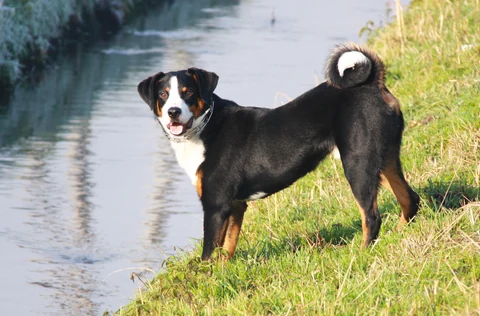
Swiss cattle and watchdog
Appenzeller Mountain Dog
The Appenzeller Mountain Dog is easy to recognise by its tricolour coat and tightly curled tail. Behind that cheerful appearance is an attentive Swiss working dog. It enjoys activity, learns quickly and notices changes around it. This breed suits people who want to spend time outdoors with their dog every day and can help it cope calmly with visitors and events at home.
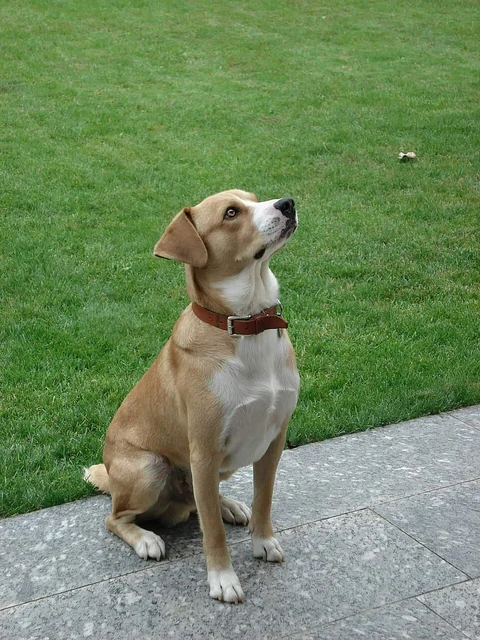
Austrian farm and companion dog
Austrian Pinscher
The Austrian Pinscher is a lively farm dog that enjoys accompanying familiar people and notices visitors attentively. Its short to medium-length coat is relatively straightforward to maintain. Exercise, shared activities and calm guidance of its guarding behaviour require more time. Meeting adult dogs helps show whether its watchfulness and temperament could suit your daily life.
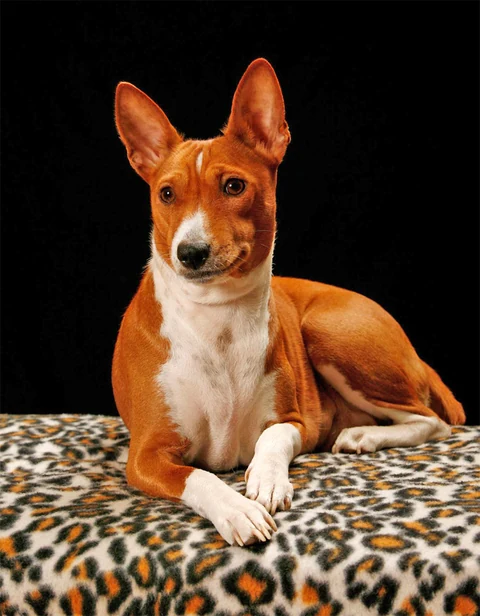
Hound
Basenji
The Basenji rarely barks but can make yodelling sounds. Outside, it may follow a scent or moving animal at speed, so off-lead running calls for secure fencing.
Sources and photograph credit
- Teaching your dog to be left alone
Used in this profile for: Staying home alone
- Cystinuria
Used in this profile for: Health
- Kromfohrländer
Used in this profile for: Temperament, Everyday life, Day-to-day care, Size and build, Lifespan, Could this breed fit your life?
- Zuchtlenkungsmaßnahmen 2/2026
Used in this profile for: Health
- Kromfohrländer Zucht und Züchter
Used in this profile for: Health
- Der Kromfohrländer
Used in this profile for: Temperament, Everyday life, Day-to-day care, Size and build, Could this breed fit your life?
- Kromfohrländer, FCI Standard No.192
Used in this profile for: Size / Weight, Temperament, Day-to-day care
- Digitale Hyperkeratose, Merkblatt
Used in this profile for: Health
- A Mutation in the FAM83G Gene in Dogs with Hereditary Footpad Hyperkeratosis
Used in this profile for: Health
- Exercising your puppy
Used in this profile for: Size and build
- Training Your Dog to Be Left Alone
Used in this profile for: Everyday life
- Children and Dogs
Used in this profile for: Temperament
- Dog dental care
Used in this profile for: Day-to-day care
- Train Your Dog to Come When Called
Used in this profile for: Everyday life
- Training your dog
Used in this profile for: Everyday life
Photo credits
Portrait · Kromfohrländer Glatthaar Holzem.JPG · Marc Rünger · CC BY-SA 3.0 · Edited

Side view · Kromfohrländer Glatthaar.jpg · Krominchen · CC BY-SA 4.0 · Edited

Coat and features · Kromfohrlaender rauhaar liegend.jpg · Marc Rünger · CC BY 3.0 · Edited

Everyday life · Kromfohr rauhaar.JPG · Ellarie · CC BY-SA 3.0 · Edited
