 fellfolio
Turkish livestock guardian with a dark mask
Kangal Shepherd Dog
The Kangal is a large Turkish livestock guardian with a dark facial mask and a dense, pale coat. It was bred to protect sheep from predators and make decisions while doing so. Living with one calls for plenty of space, experience and careful arrangements for visitors and encounters with other dogs.
At a glance
- Size
- Large
- Height at shoulder
- 65 to 78 cm
- Weight
- 40 to 60 kg
- Lifespan
- over 10 years
- Activity
- High
- Grooming
- Several times weekly
- Training
- Patience & clear guidance
- Owner experience
- Experience recommended
Watchful, independent and attached to its family
The Kangal comes from Turkey, where it protected flocks of sheep from predators. That work required it to recognise danger and respond even when a person was not standing nearby. Its job was to guard the sheep rather than drive them between pastures. This helps explain its behaviour today. A Kangal can pay attention to its people while continuing to assess its surroundings independently.
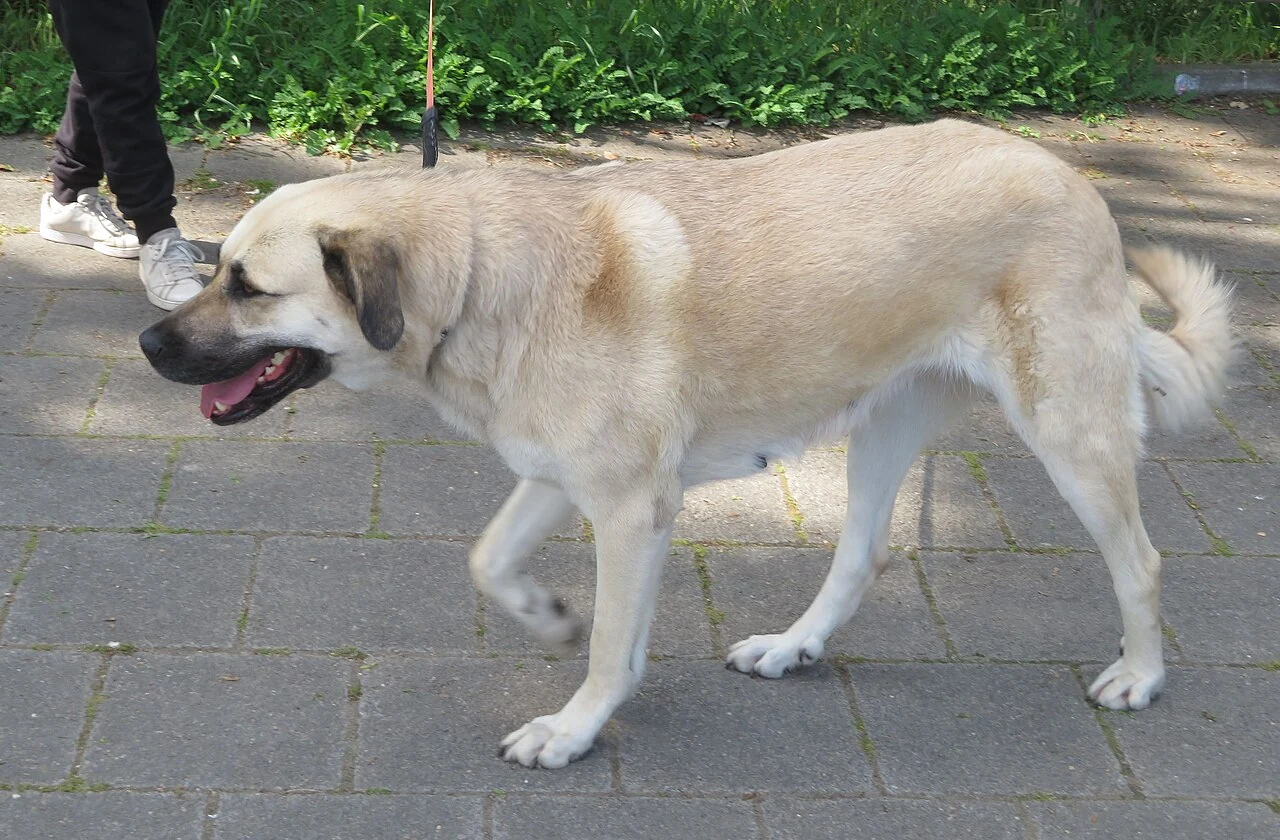
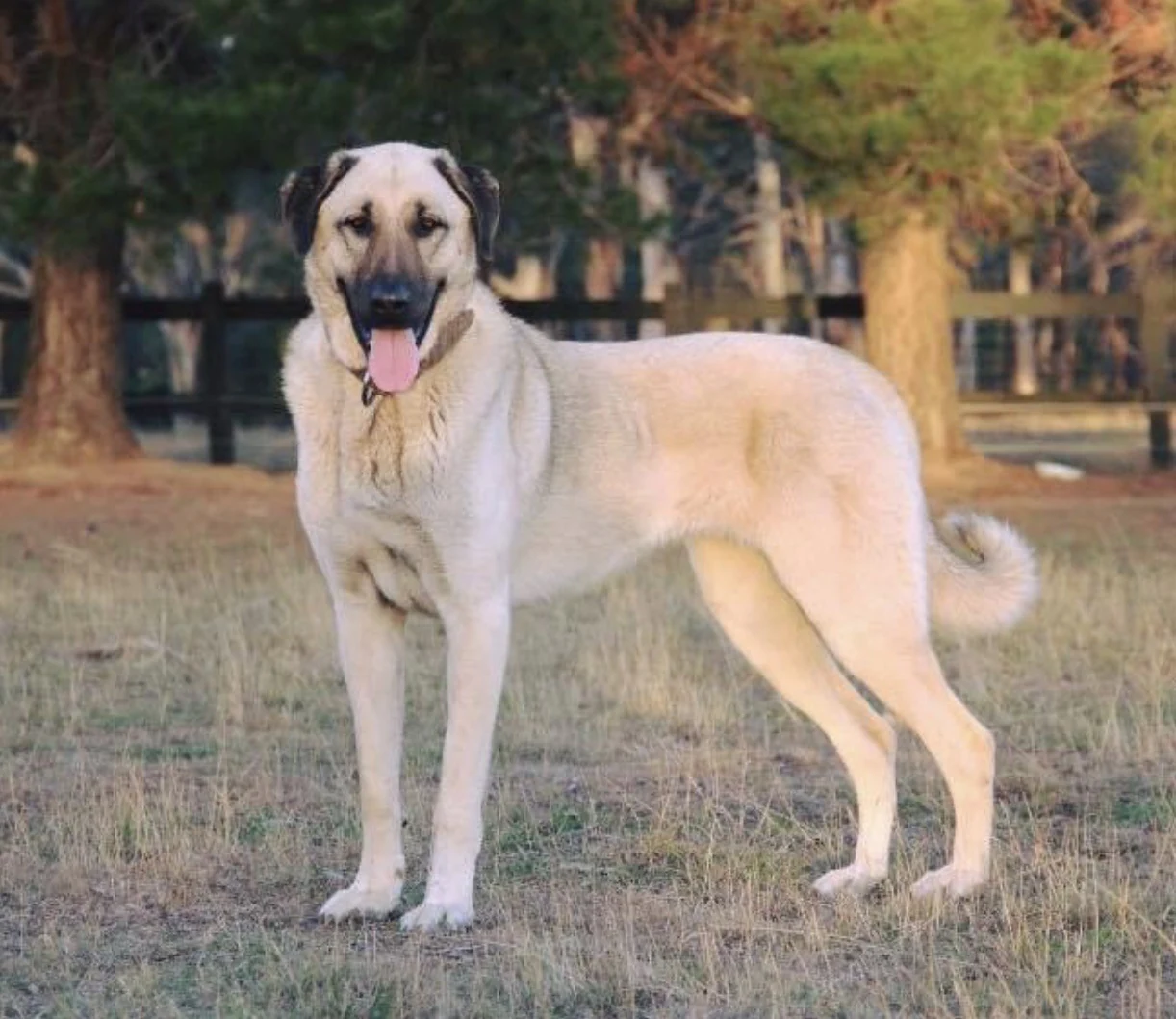
A powerful body, dark mask and curved tail carried high make it recognisable. The international standard gives shoulder heights of 72 to 78 centimetres for males and 65 to 73 centimetres for females, allowing a further two centimetres either side. For weight, the standard gives 48 to 60 kilograms for males and 40 to 50 kilograms for females. Beneath the fairly short outer coat is an undercoat, a second layer of softer, dense hair.
A Kangal may be calm and affectionate with familiar people. Unfamiliar people and dogs often receive more watchful attention. Visitors should have a planned introduction, enough distance and arrangements to keep the dog away from the entrance when needed. Children need an adult nearby who notices the dog’s body language. Even a familiar family dog should be left undisturbed while eating or sleeping.
Everyday life
A suitable routine includes substantial walks, time to explore scents and shared training. The Kangal has strength and stamina. Learning to wait calmly beside you during an encounter matters too. Walking on a loose lead and returning when called should also be taught early. Small rewards help make the desired behaviour clear.
A securely fenced outdoor area can provide space without allowing independent encounters with passers by or neighbouring dogs. Gates, fencing and visitor access should be planned together. If the dog spends its time at the boundary watching every passing dog, more distance from the pavement and a visual screen may help it settle. A property still needs to be combined with outings and contact with the family.
On walks, you should choose enough distance from other dogs to be able to engage your own dog calmly. Anyone caring for it needs to manage its size and behaviour reliably. Suitable holiday care or help on long working days is worth arranging before it comes home. A Fellfolio handover can record comfortable walking routes, visitor arrangements and familiar routines.
Staying home alone
Dogs learn to stay home alone in small steps. The RSPCA advises no more than four hours at a time. Puppies and dogs that become unsettled when left alone need shorter absences and gradual practice. Arrange someone to care for your dog when you will be away longer.
Everyday dog training: recall, a loose lead and clear communication ↗
Day-to-day care
The dense coat should have a thorough brush at least weekly. More undercoat comes loose during seasonal shedding. Additional short grooming sessions can help remove it before it spreads through the house. The neck and hindquarters deserve a closer look, as loose hair can collect there. After outings, the coat and paws should be checked for ticks, thorns and injuries.
Nails and teeth need attention too. A puppy can first learn to let someone hold a paw briefly or gently lift a lip. Brushing and cleaning its teeth with dog toothpaste become easier when those touches are familiar. An unpleasant smell, redness or frequent head shaking may indicate an ear problem and should be assessed by a vet. Cotton buds should not be put into the ear canal.
Size and build
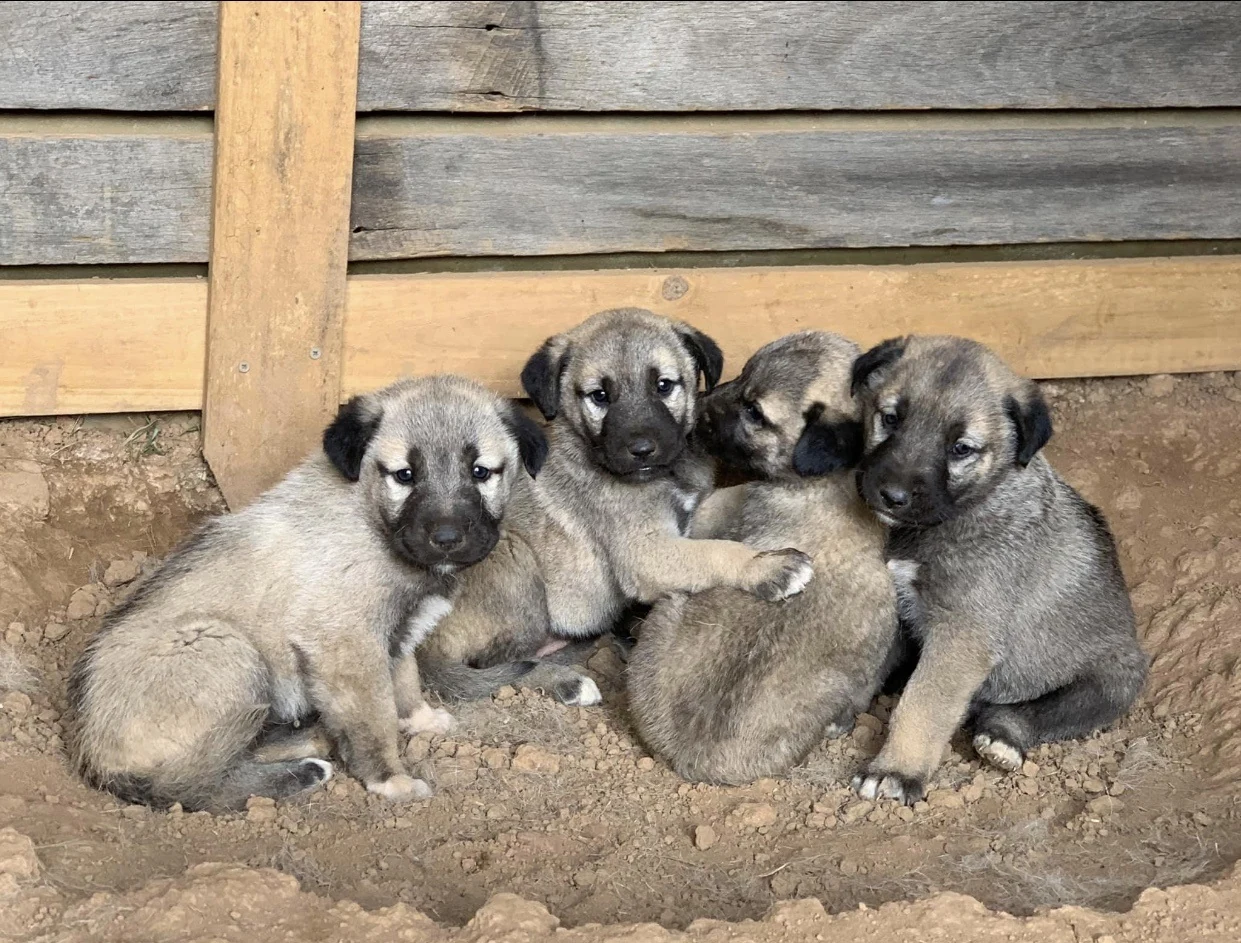
A Kangal puppy should meet people, traffic and other dogs in manageable situations. Quiet places allow it to watch without people approaching from every direction. Settling on a mat or waiting calmly beside its person can already be practised at home with small rewards.
Guarding the home and property may become more noticeable as it matures. Visitor arrangements and walking routines should be established before a small puppy becomes a powerful dog. Short explorations and play at its own pace suit growing bones and joints. Long forced distances, running alongside a bicycle and repeated high jumps should wait until it is physically mature.
An older Kangal benefits from easily accessible beds and walks suited to its stamina. Difficulty rising or falling behind on walks should prompt a check for pain. The Royal Kennel Club gives more than ten years as a guide to life expectancy.
From puppy to senior: caring for your dog through every life stage ↗
Health
Before choosing a large dog such as a Kangal, it is worth discussing the parents’ hip health. With hip dysplasia, the ball of the joint does not sit securely enough in its socket. This can cause pain and later arthritis. The Kangal Dog Club of America’s published requirements for its breeder listing include documented hip assessments. You should ask to see the results and discuss problems affecting related dogs.
Gastric dilatation and volvulus, often called a twisted stomach, is another important emergency in large dogs. The stomach fills with gas and may rotate, cutting off blood circulation. Unproductive attempts to vomit, increasing restlessness or a noticeably swollen abdomen need immediate veterinary help. The number and route to an available emergency practice should be known in advance.
Keeping the dog lean and providing appropriate exercise help reduce strain on its joints. A vet can explain how to assess weight during growth and choose suitable food. Fellfolio can keep weights, examination results and changes in movement together, making useful observations easy to find at the next appointment.
Could this breed fit your life?
Could work well if …
- You have experience with large dogs that make independent decisions and want to continue supporting their training.
- You can provide a secure outdoor area and calm, carefully managed encounters.
- You have arranged suitable care and planned for the costs of a very large dog.
What to consider
- Its guarding behaviour calls for careful visitor arrangements and secure boundaries.
- Strength and size can make encounters challenging.
- A cramped flat with many unpredictable encounters is difficult to adapt to its needs.
Similar needs, different dogs.
Selected by shared size, activity, grooming and training characteristics.
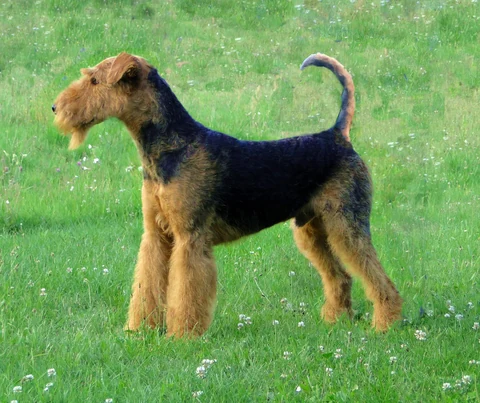
Large terrier from Yorkshire
Airedale Terrier
With its wiry coat, long head and distinctive beard, the Airedale is hard to miss. It is the largest terrier and shares much of the curiosity and independence of its smaller relatives. The breed originated along Yorkshire’s rivers, where dogs were needed for hunting on the banks. Today it suits people who enjoy being out with their dog, train patiently and make time for regular coat care.
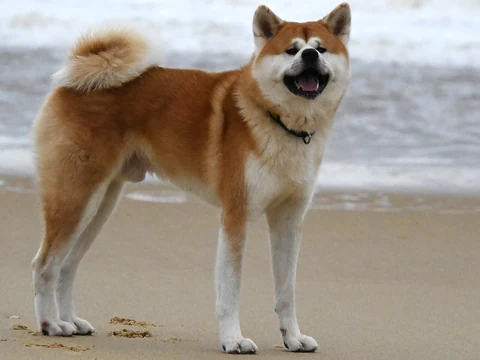
Japanese spitz with a dense undercoat
Akita
The Japanese Akita is a large dog with a dense undercoat, upright ears and a curled tail. It can form close bonds with familiar people while remaining more reserved with strangers. Its independence and hunting instincts suit people willing to guide encounters calmly and work with it regularly.
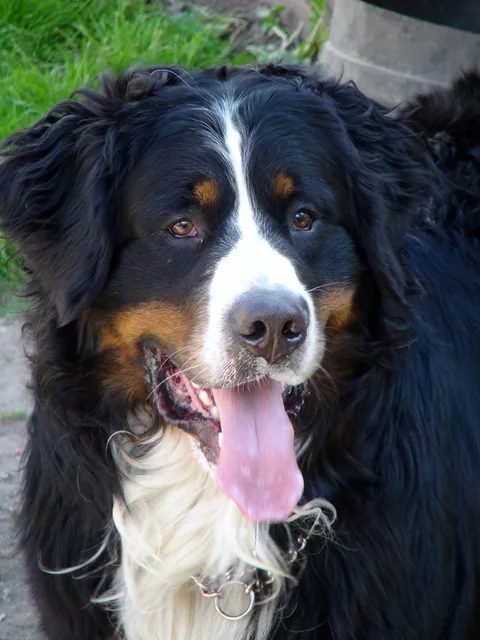
Swiss mountain dog
Bernese Mountain Dog
This large Swiss farm dog likes being close to its people. Start lead training early, groom its thick coat regularly and plan summer walks for the cooler parts of the day.
Sources and photograph credit
- Teaching your dog to be left alone
Used in this profile for: Staying home alone
- Gastric Dilatation Volvulus
Used in this profile for: Health
- Canine Hip Dysplasia
Used in this profile for: Health
- Application form and requirements for KDCA website breeder listing
Used in this profile for: Health
- Breed Standard
Used in this profile for: Temperament, Everyday life, Day-to-day care, Size and build, Health, Could this breed fit your life?
- Kangal Shepherd Dog, FCI Standard No.331
Used in this profile for: Size / Weight, Temperament, Everyday life, Day-to-day care, Size and build, Health, Could this breed fit your life?
- Turkish Kangal Dog
Used in this profile for: Temperament, Everyday life, Day-to-day care, Size and build, Health, Lifespan, Could this breed fit your life?
- Ear problems in pets
Used in this profile for: Day-to-day care
- Grooming and bathing pets
Used in this profile for: Day-to-day care
- Exercising your puppy
Used in this profile for: Size and build
- Children and Dogs
Used in this profile for: Temperament, Could this breed fit your life?
- Dog dental care
Used in this profile for: Day-to-day care
- Train Your Dog to Come When Called
Used in this profile for: Everyday life
- Training your dog
Used in this profile for: Everyday life, Size and build, Could this breed fit your life?
Photo credits
Side view · Kangal female.jpg · Sciencia58 · CC0

Portrait · Kangal front on.jpg · Kangalshepherddog · CC BY-SA 4.0 · Edited

Puppy · Kangal puppies.jpg · Kangalshepherddog · CC BY-SA 4.0 · Edited

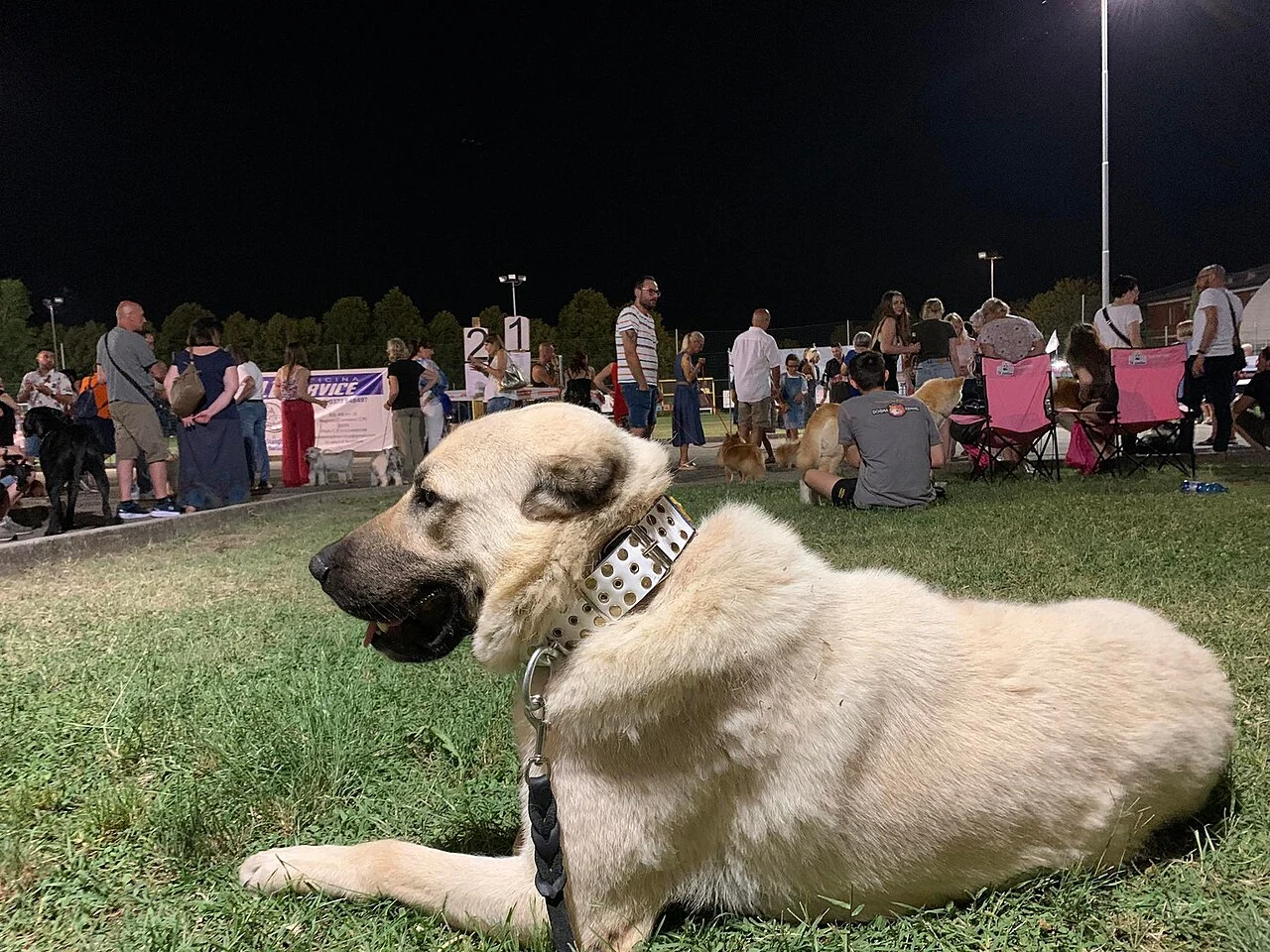
Coat and features · Kangal çoban köpeği male dog.jpg · AslanKralice · CC BY-SA 4.0 · Edited
