 fellfolio
Sighthound
Irish Wolfhound
The Irish Wolfhound is immense and usually gentle. Its size shapes daily life, from a suitable bed to exercise, transport and veterinary costs.
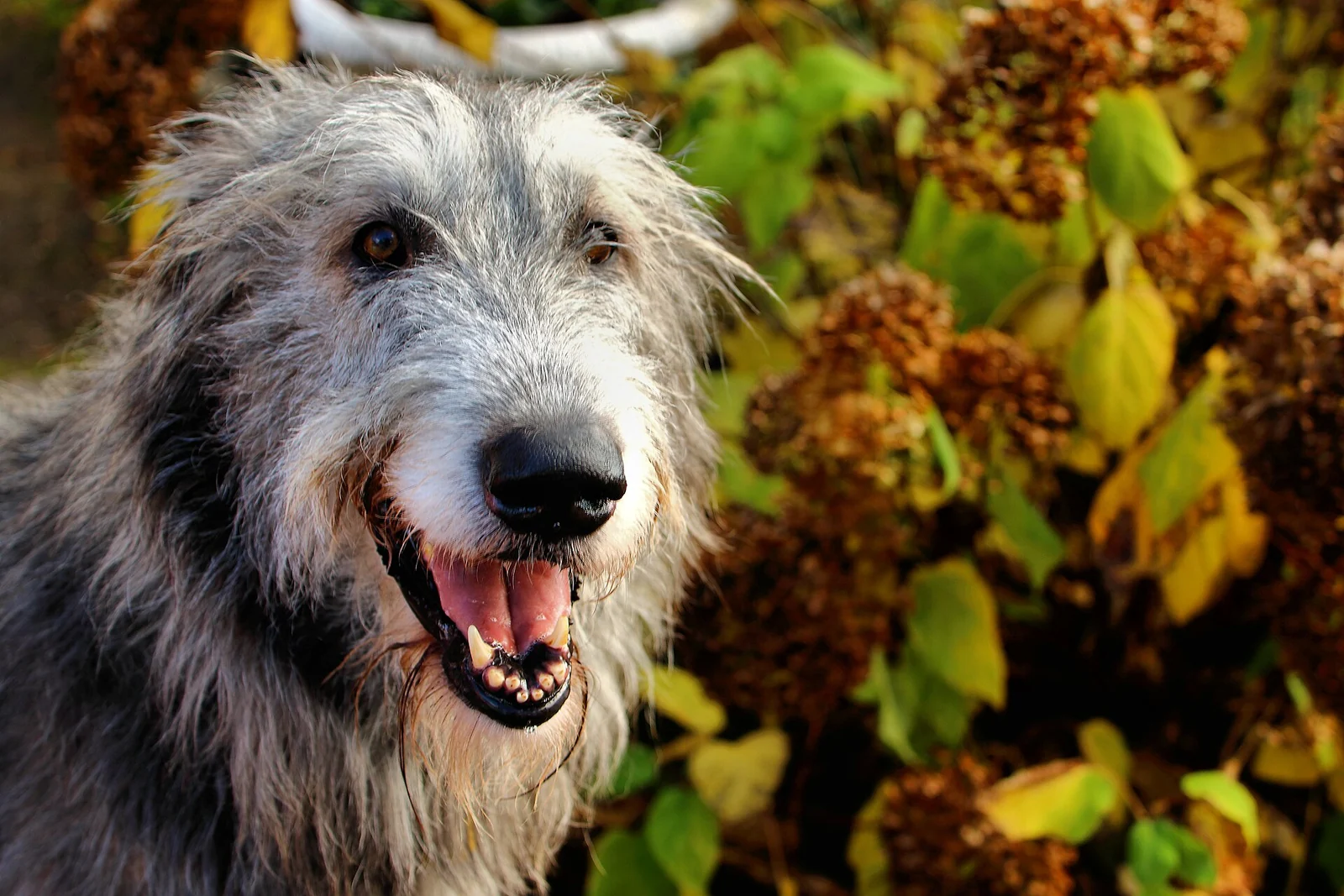
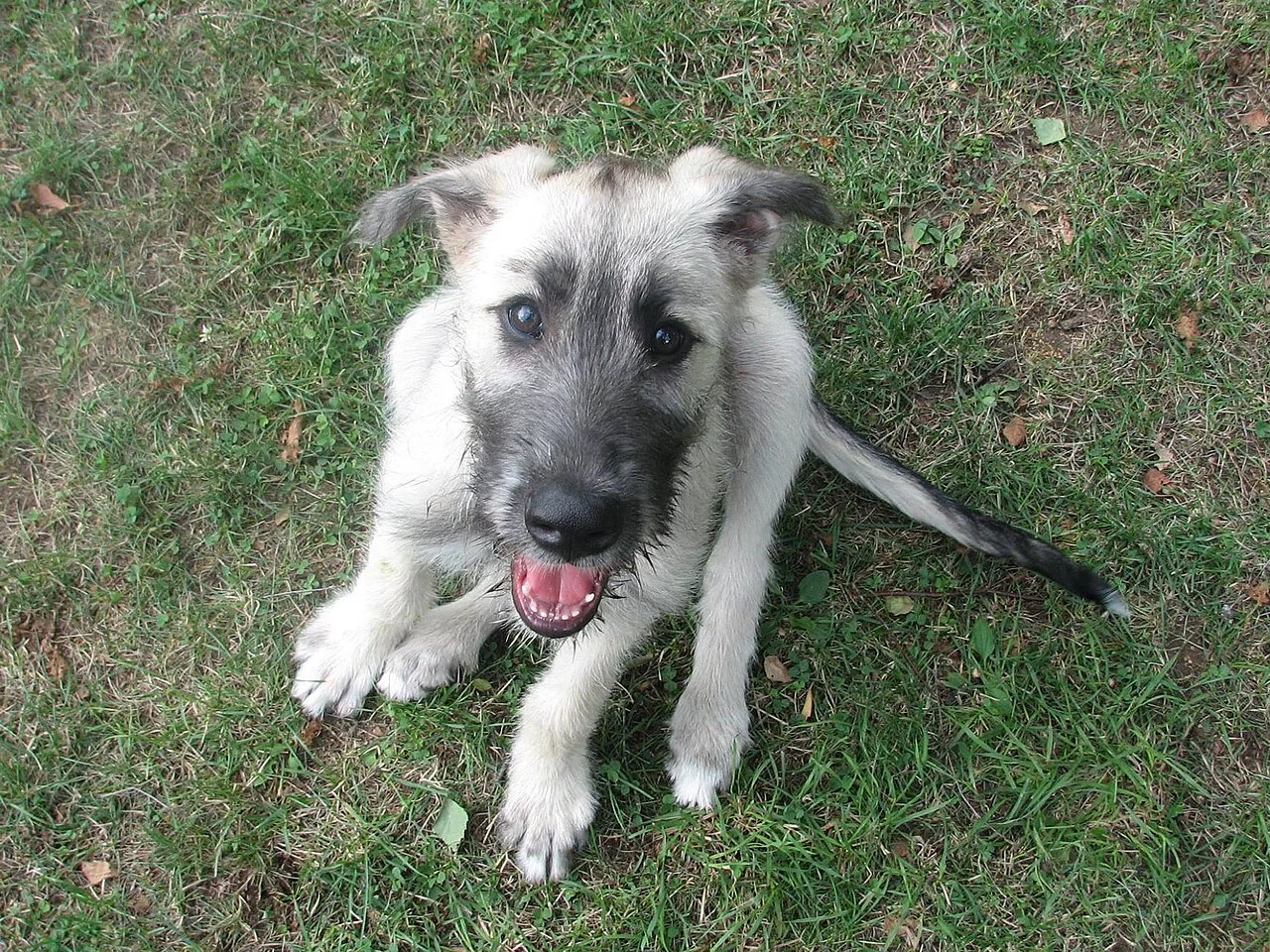
At a glance
- Size
- Large
- Lifespan
- under 10 yearsUK Royal Kennel Club breed profile
- Activity
- Very high
- Grooming
- Several times weekly
- Training
- Patience & clear guidance
- Owner experience
- Experience recommended
Close to family, often boisterous when young
In Ireland these great sighthounds were used to hunt wolves and protect livestock. Today the Irish Wolfhound is chiefly a calm, people-oriented companion. Many enjoy close family company and respond well to kind training.
Its composure does not remove its strength. An excited young dog can knock a small child over by accident. Supervise time with children and give the dog room to move away. As a sighthound it may also chase an animal that runs; small pets therefore need protected areas the dog cannot reach.
Everyday life
The UK veterinary charity PDSA advises at least two hours of daily exercise for adults, spread over several outings. Gentle walks with time to sniff and controlled running in a secure area are suitable. Puppies grow rapidly, so long-distance running and repeated high-impact jumping should not become their routine. Match activity to the individual dog’s development.
Plan practically for the size: a bed the dog can stretch out on, enough space in the car and a lead you can hold safely. Practise time alone gradually because many Wolfhounds seek close contact with their family.
Staying home alone
Dogs learn to stay home alone in small steps. The RSPCA advises no more than four hours at a time. Puppies and dogs that become unsettled when left alone need shorter absences and gradual practice. Arrange someone to care for your dog when you will be away longer.
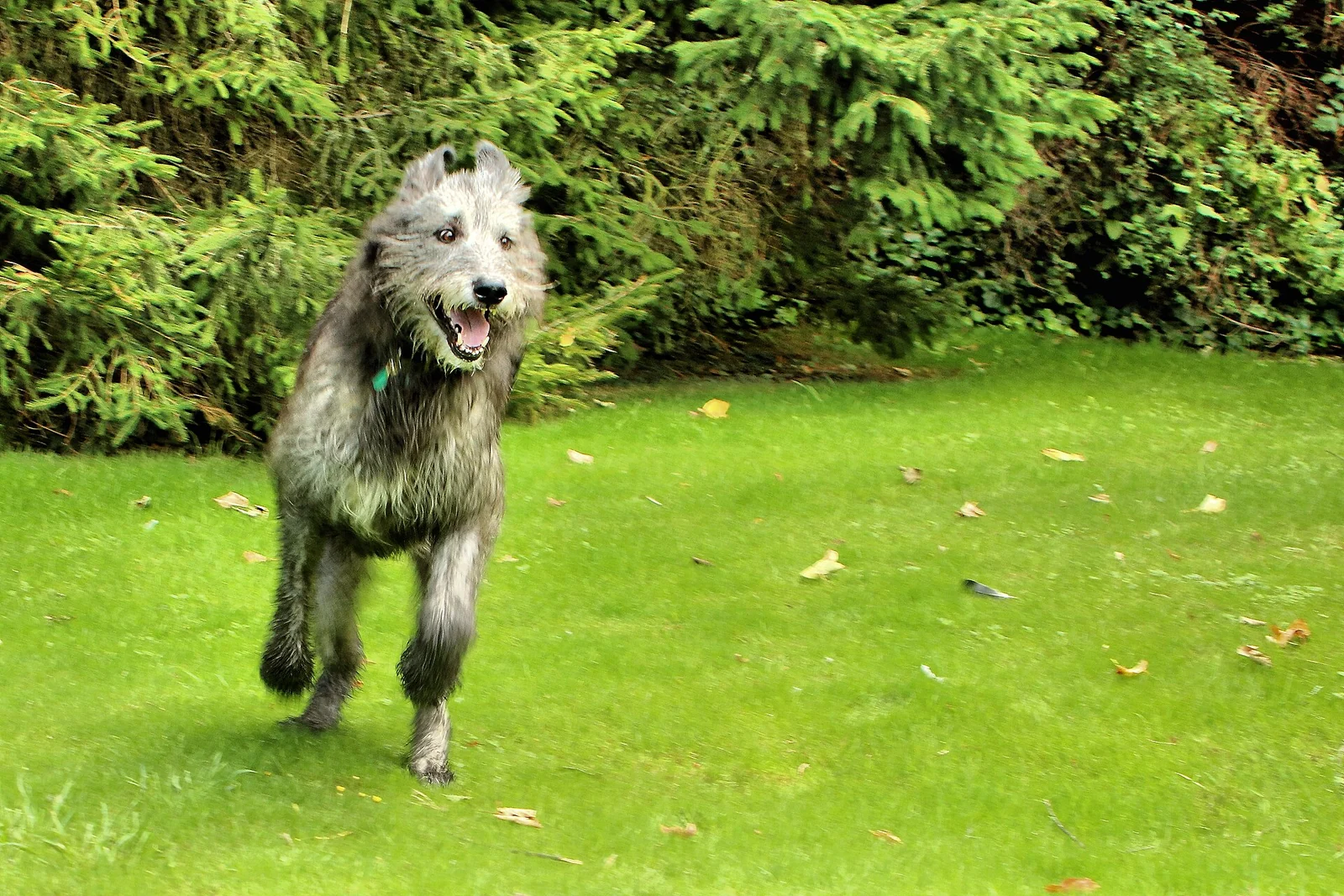
Day-to-day care
A thorough brush about twice a week keeps the rough coat manageable. Dirt and loose hair collect more readily behind the ears, around the beard and on the legs. Routine coat care does not require clipping the coat short.
Its size makes early, calm practice with foot and mouth handling worthwhile: a vet will later need to examine a very large patient safely. Nails, teeth and weight belong in routine care; excess weight adds strain to the joints.
Size and build
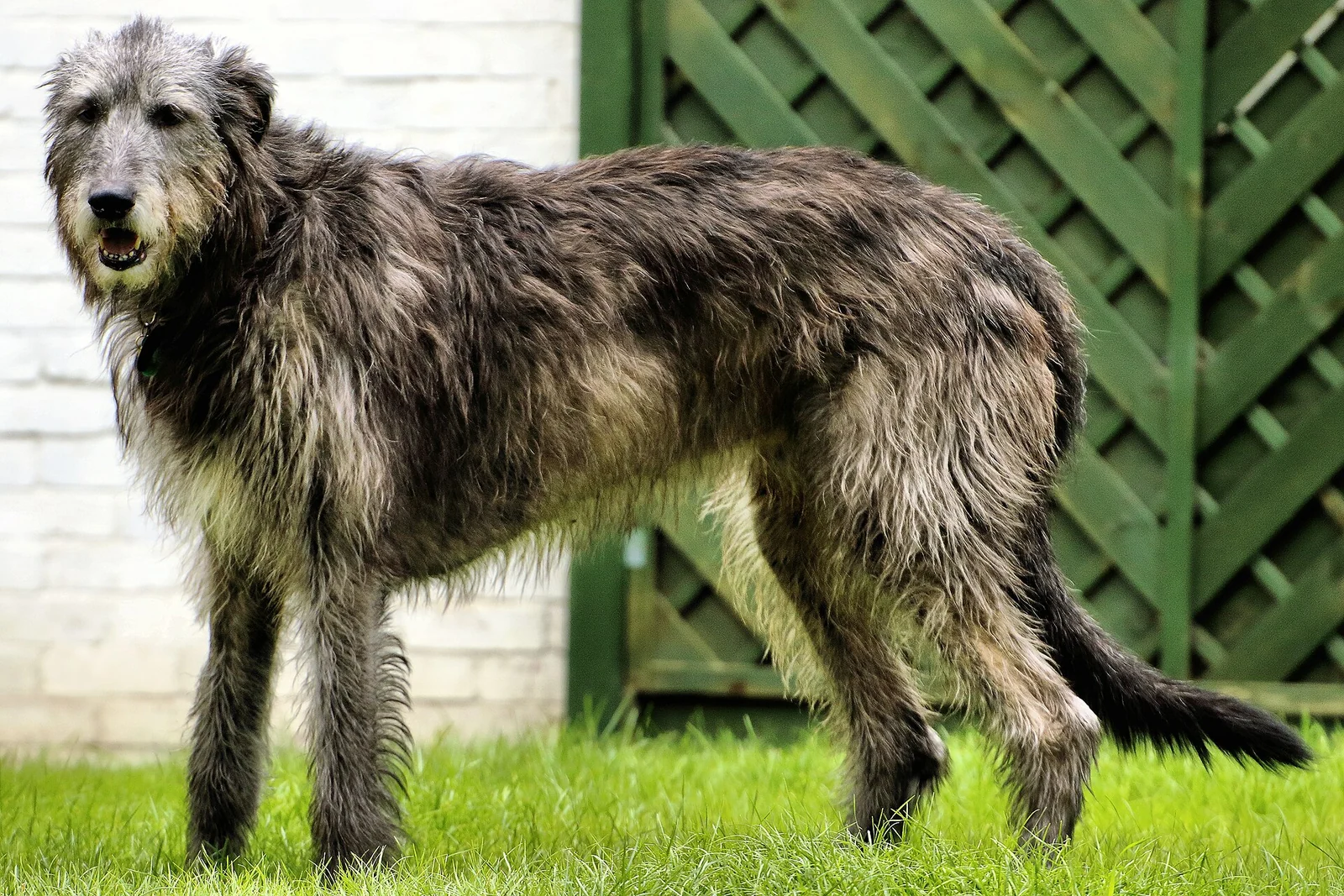
The Irish Wolfhound is among the tallest dog breeds. The British standard gives minimums of 79 cm at the shoulder and 54.5 kg for males, and 71 cm and 40.9 kg for females. It is long-legged and strongly muscled, yet should not look like a lumbering mastiff. The deep chest, long head and rough hair over the eyes and under the jaw define its outline.
Grey is common, but the standard also allows brindle, red, black and wheaten, among other colours. Movement should remain easy and free. That matters more than an extreme height.
Health
Heart disease, especially disease of the heart muscle, is a key concern. PDSA describes annual heart checks for breeding dogs involving listening to the heart, an ECG and ultrasound. An ECG records the heart’s electrical activity and helps detect abnormal rhythms. Congenital liver shunts allow blood to bypass the liver, so harmful substances are not filtered out properly. Ask about liver testing in the litter. US breed recommendations include hip, elbow and eye assessments. Request the written results.
Gastric dilatation-volvulus is an emergency in this deep-chested breed. Repeated retching without vomiting, marked restlessness or a swollen abdomen needs immediate veterinary care. The breed also has a shorter expected lifespan than many smaller dogs; this belongs in an honest decision about a puppy.
Could this breed fit your life?
Could work well if …
- You have room, time and a realistic budget for a giant dog.
- You enjoy a gentle companion and can balance exercise with rest during growth.
May be more difficult if …
- You cannot supervise time with small children or give smaller pets a protected space.
- Transport, veterinary care and safely handling a giant dog are hard to arrange.
Similar needs, different dogs.
Selected by shared size, activity, grooming and training characteristics.
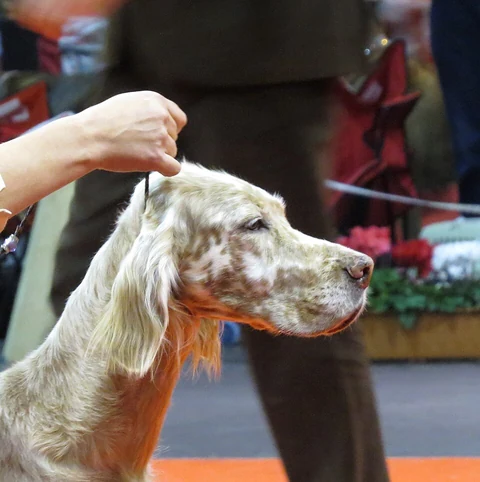
Setter
English Setter
A friendly bird dog in a silky, flecked coat. It ranges widely when searching and needs more activity than its gentle expression suggests.
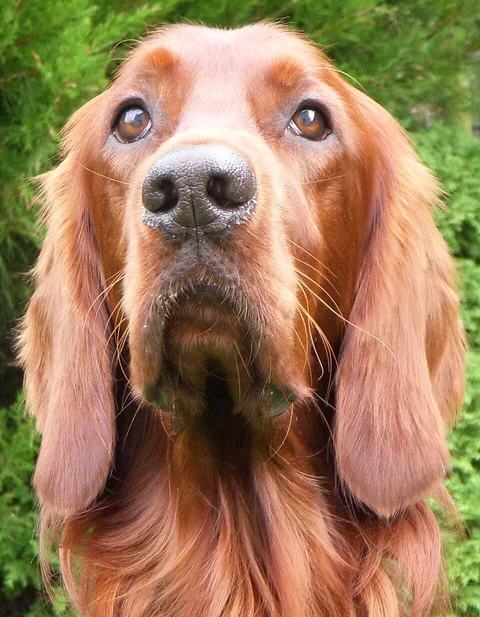
Setter
Irish Setter
The red Irish Setter searches widely for game birds. Family life with one calls for long outings, a practised recall and a chance to settle after an exciting walk.
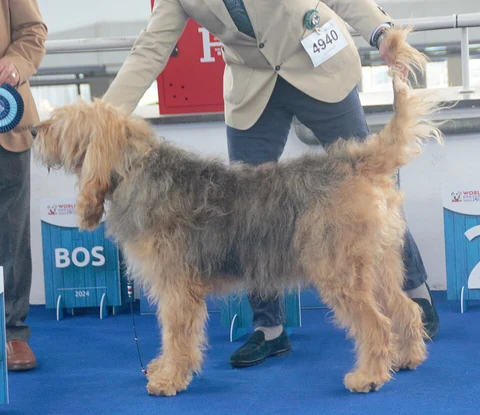
Scent hound
Otterhound
The rare Otterhound follows scents with persistence and often enjoys swimming. It needs long sniffing walks, secure boundaries and care for its dense coat and long ears.
Sources and photograph credit
- Teaching your dog to be left alone
Used in this profile for: Staying home alone
- Hound Group Health Testing Requirements
Used in this profile for: Temperament, Day-to-day care, Size and build, Health, Lifespan, Could this breed fit your life?
- Irish Wolfhound breed information
Used in this profile for: Size / Weight, Temperament, Everyday life, Day-to-day care, Size and build, Health, Lifespan, Could this breed fit your life?
- Irish Wolfhound, Breeds A to Z
Used in this profile for: Temperament, Everyday life, Day-to-day care, Size and build, Health, Lifespan, Could this breed fit your life?
- Irish Wolfhound breed standard
Used in this profile for: Size / Weight, Temperament, Day-to-day care, Size and build, Lifespan, Could this breed fit your life?
Portrait · Tommy · Airwolfhound · CC BY-SA 2.0 · Edited

Side view · Drew - Irish Wolfhound · Airwolfhound · CC BY-SA 2.0 · Edited

In action · Drew - Irish Wolfhound · Airwolfhound · CC BY-SA 2.0 · Edited

Puppy · Irish Wolfhound Puppy · Miro Hrončok · CC BY-SA 4.0 · Edited
