 fellfolio
Setter
Irish Setter
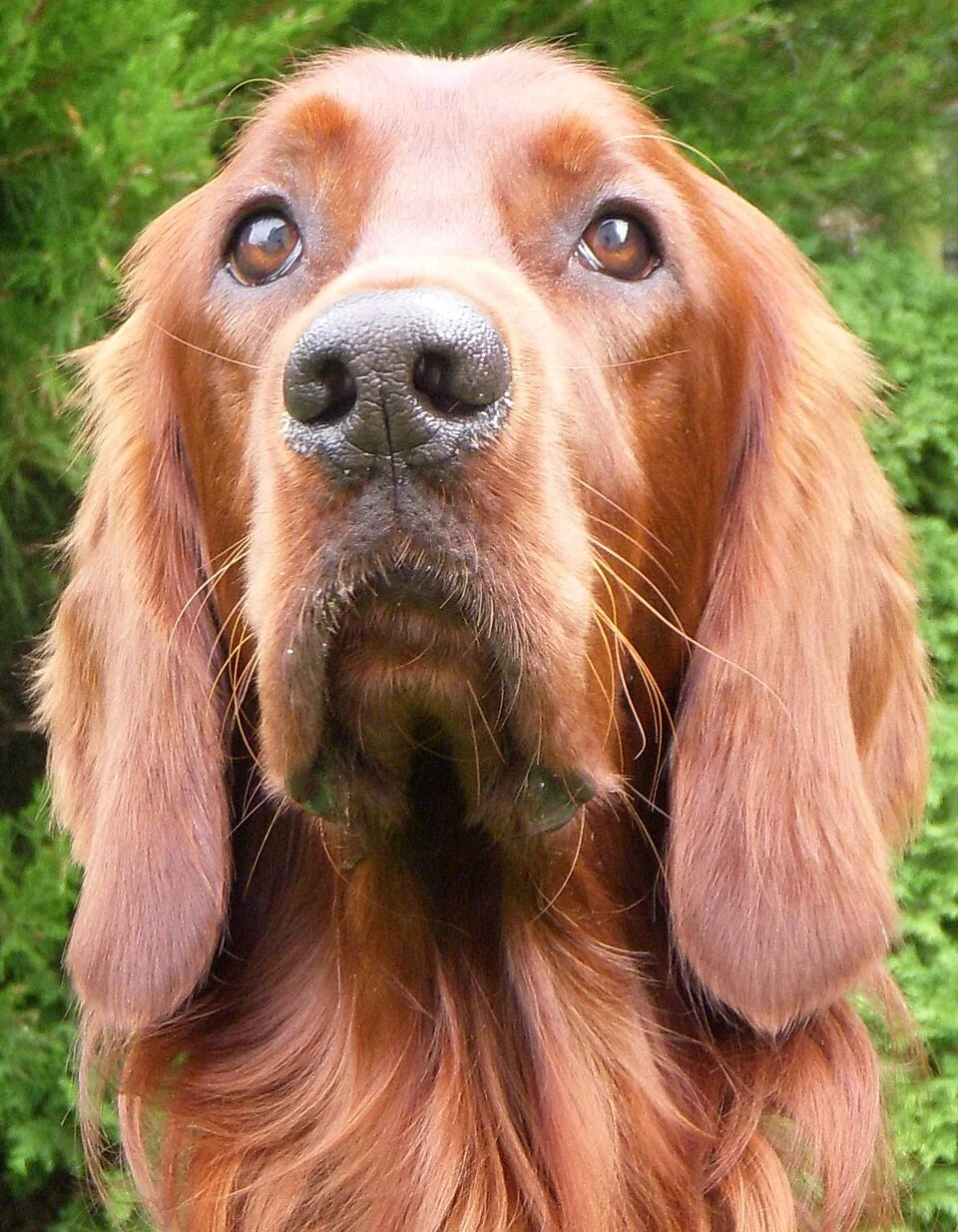
The red Irish Setter searches widely for game birds. Family life with one calls for long outings, a practised recall and a chance to settle after an exciting walk.
At a glance
- Size
- Large
- Height at shoulder
- 54 to 67 cm
- Weight
- 25 to 32 kg
- Lifespan
- over 10 yearsUK Royal Kennel Club breed profile
- Activity
- Very high
- Grooming
- Several times weekly
- Training
- Patience & clear guidance
- Owner experience
- Experience recommended
A history of finding game birds
The Irish Setter developed as a bird-finding pointing dog in Ireland. It ranges widely and pauses when it locates game. That work explains why many Irish Setters are quick and attentive outdoors even though they like to stay close to their people at home.
A friendly expression can hide the amount of training required. A young Setter may greet people exuberantly and forget everything else when birds appear. Practise calm greetings, recall and waiting before being let off lead while distractions are still small. Supervise energetic play between dog and children.
Everyday life
The UK veterinary charity PDSA advises ideally more than two hours of daily exercise for adults. Long walks, secure off-lead running and family games can all contribute. Hide a toy in tall grass and let the dog search for it: the nose gets work without needing to chase wildlife.
Notice which places attract many birds. A lead and an early-practised turn-back cue help there. After an active outing, many Setters enjoy settling at home. A routine of long absences and only a short evening walk seldom suits the breed.
Staying home alone
Dogs learn to stay home alone in small steps. The RSPCA advises no more than four hours at a time. Puppies and dogs that become unsettled when left alone need shorter absences and gradual practice. Arrange someone to care for your dog when you will be away longer.

Day-to-day care
The chestnut coat is fairly smooth and medium in length over the body, longer on the ears, legs, belly and tail. Brush at least twice a week and ease out knots with a comb before they pull on the skin. Grass seeds can lodge in the longer hair and between the toes after meadow walks.
Check the hanging ears for odour, redness and pain, particularly after wet outings. Clean them only when needed, and have recurrent trouble assessed by a vet.
Size and build
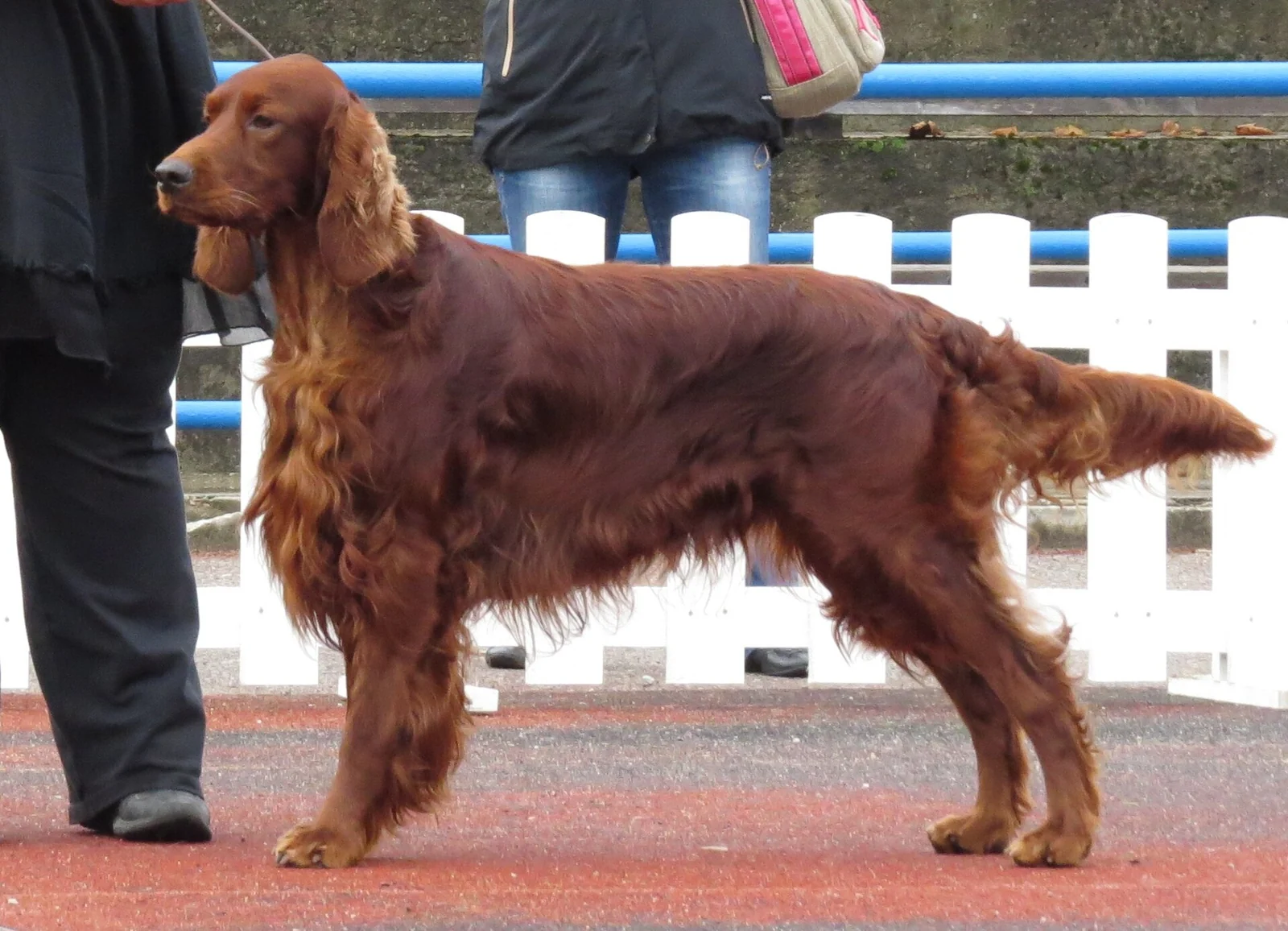
The Irish Setter is lean and muscular, with a deep chest, long legs and a free, flowing stride. PDSA gives broad adult guides of about 54 to 67 cm at the shoulder and 25 to 32 kg. Rich chestnut is its best-known feature; small white markings may occur.
Its athletic outline should remain visible beneath the longer coat. Watch how a young Setter moves and whether it can settle after excitement.
Health
The Royal Kennel Club recommends a DNA test for PRA-rcd4, a progressive degeneration of the light-sensitive retina that can lead to blindness, along with hip, elbow and eye assessments. For breeding dogs imported into the UK, it also lists tests for PRA-rcd1 and CLAD. CLAD affects the function of certain white blood cells, leaving affected dogs less able to fight infections. Ask to see both parents’ reports and have the breeder explain which condition each test covers.
Like other large, deep-chested dogs, Irish Setters can develop gastric dilatation-volvulus. Unproductive retching, marked restlessness or a tight abdomen needs emergency veterinary care.
Could this breed fit your life?
Could work well if …
- You want an active dog to share long days outside.
- You enjoy kind training and regular coat care.
May be more difficult if …
- Your routine usually allows only brief walks.
- You expect reliable recall around birds without sustained practice.
Similar needs, different dogs.
Selected by shared size, activity, grooming and training characteristics.
Setter
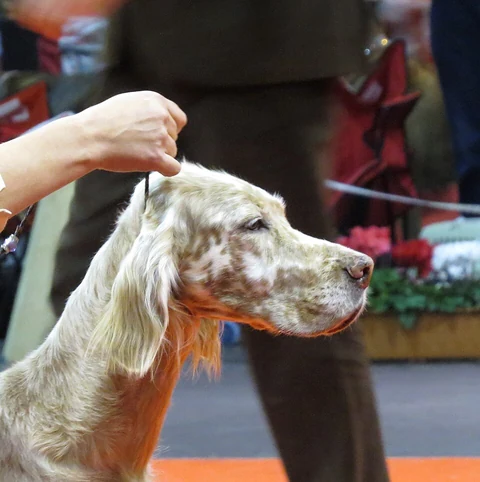
English Setter
A friendly bird dog in a silky, flecked coat. It ranges widely when searching and needs more activity than its gentle expression suggests.
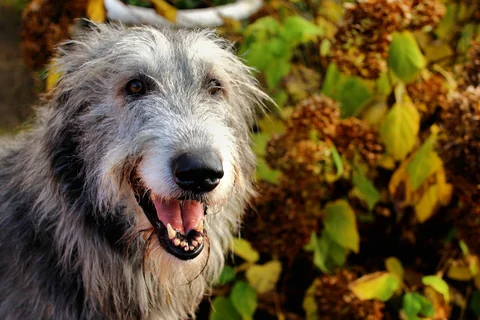
Sighthound
Irish Wolfhound
The Irish Wolfhound is immense and usually gentle. Its size shapes daily life, from a suitable bed to exercise, transport and veterinary costs.
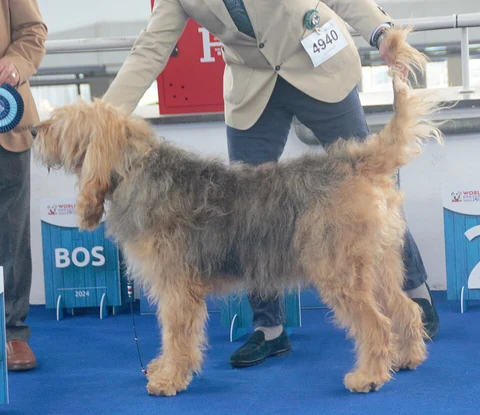
Scent hound
Otterhound
The rare Otterhound follows scents with persistence and often enjoys swimming. It needs long sniffing walks, secure boundaries and care for its dense coat and long ears.
Sources and photograph credit
- Teaching your dog to be left alone
Used in this profile for: Staying home alone
- Irish Setter dog breed information
Used in this profile for: Temperament, Day-to-day care, Size and build, Health, Lifespan, Could this breed fit your life?
- Irish Setter breed information
Used in this profile for: Size / Weight, Temperament, Everyday life, Day-to-day care, Size and build, Lifespan, Could this breed fit your life?
- Irish Setter, Breeds A to Z
Used in this profile for: Temperament, Everyday life, Day-to-day care, Size and build, Health, Lifespan, Could this breed fit your life?
- Irish Setter breed standard
Used in this profile for: Temperament, Day-to-day care, Size and build, Lifespan, Could this breed fit your life?
- GDV (Gastric Dilatation Volvulus) in dogs
Used in this profile for: Health
- DNA test: CLAD
Used in this profile for: Health
Portrait · Douglas_0158 · Dirk Kuenkel · CC BY 2.0 · Edited

Side view · Irish Setter in Tallinn 2 · Томасина · CC BY-SA 3.0 · Edited

In action · Running with light · Горбунова М.С. · CC BY-SA 4.0 · Edited

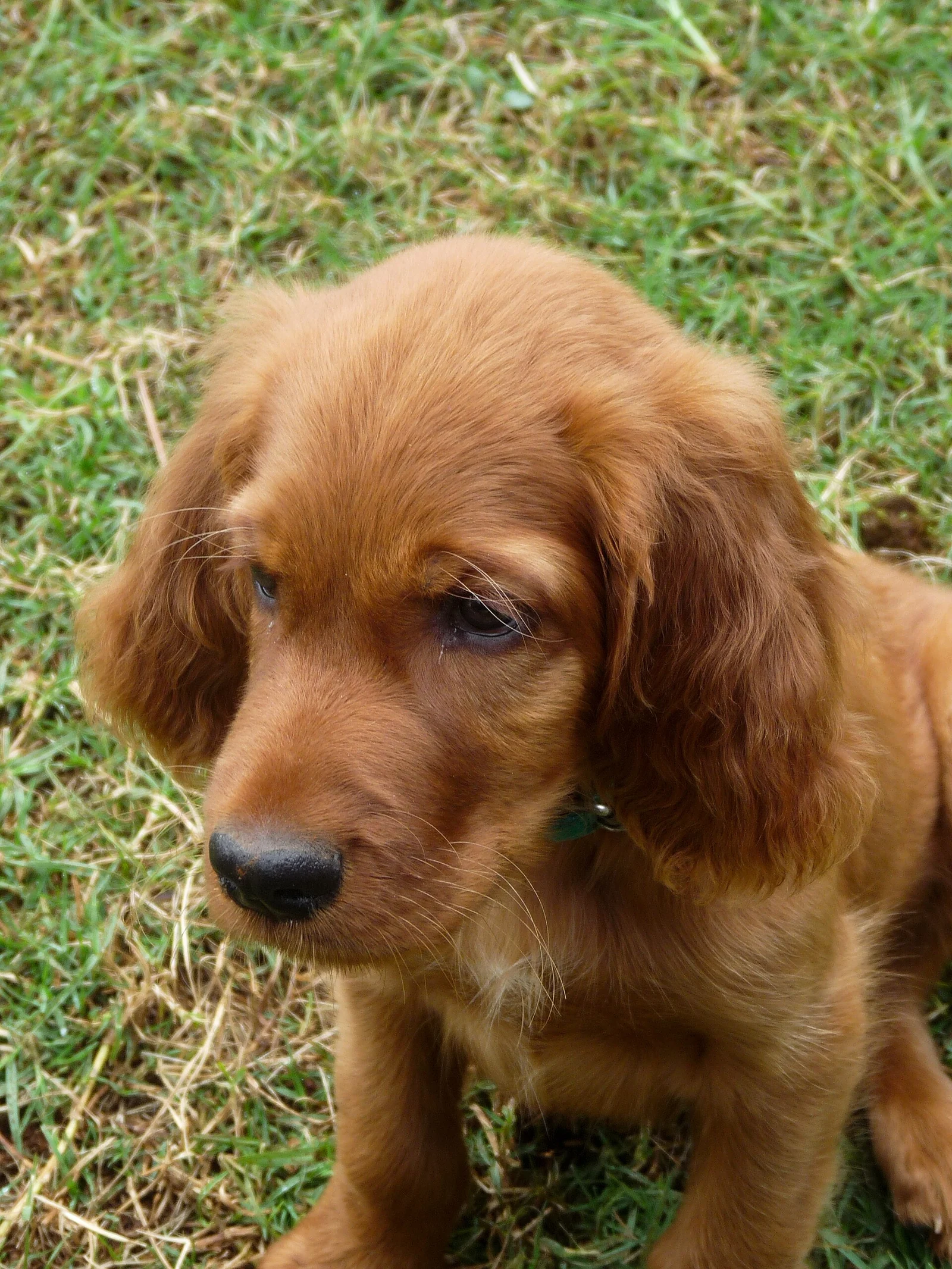
Puppy · Rusty Puppy Week10 Ooty Nov09 P1010548 · Timothy A. Gonsalves · CC BY-SA 4.0 · Edited
