 fellfolio
Scent hounds
Harrier
The Harrier is an English scent hound, larger than the Beagle and smaller than the English Foxhound. It was bred to hunt hare alongside other dogs. For people who enjoy substantial walks and training a sociable, independent dog, it is an interesting breed with considerable care demands.
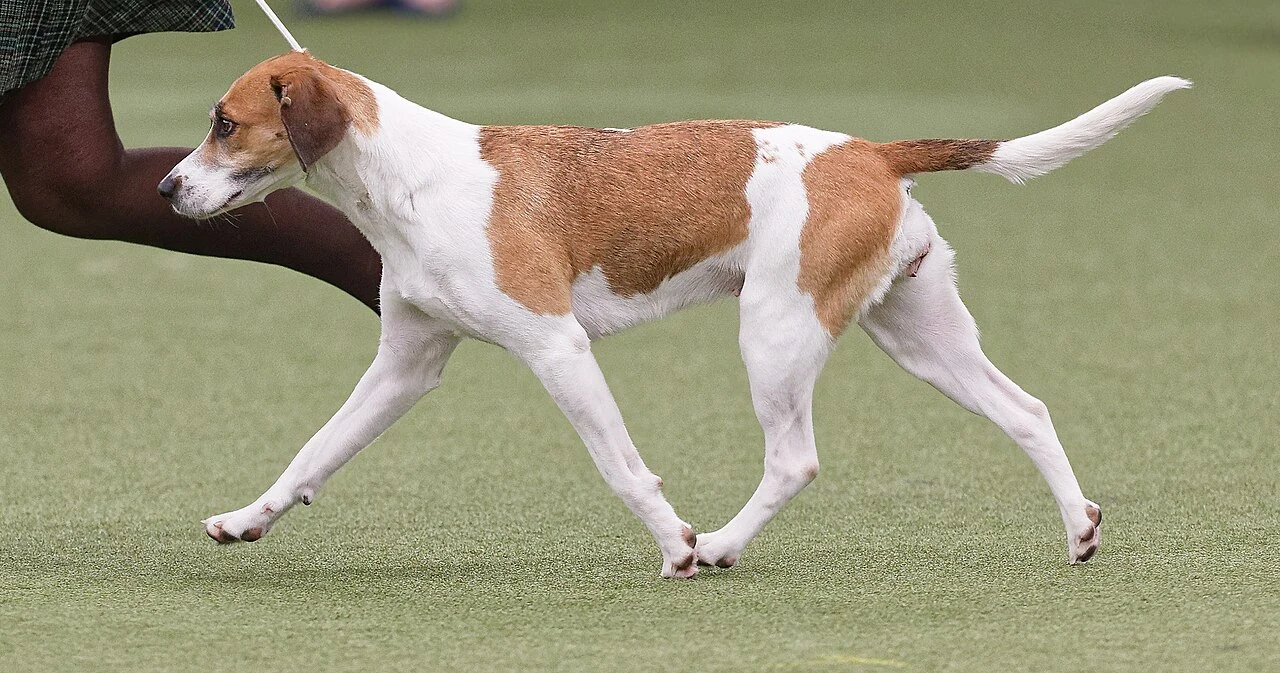
At a glance
- Size
- Medium
- Height at shoulder
- 48 to 55 cm
- Lifespan
- over 12 years
- Activity
- High
- Grooming
- Weekly
- Training
- Patience & clear guidance
- Owner experience
- Experience recommended
A keen nose and an enthusiasm for travelling together
The name Harrier reflects its earlier role as a hare hound. Its nose allows it to pick up a trail on the ground and follow it. On an ordinary walk, it may therefore linger over a verge and be reluctant to leave a fascinating patch. You should allow time for investigation while noticing when the dog’s interest turns towards wildlife.
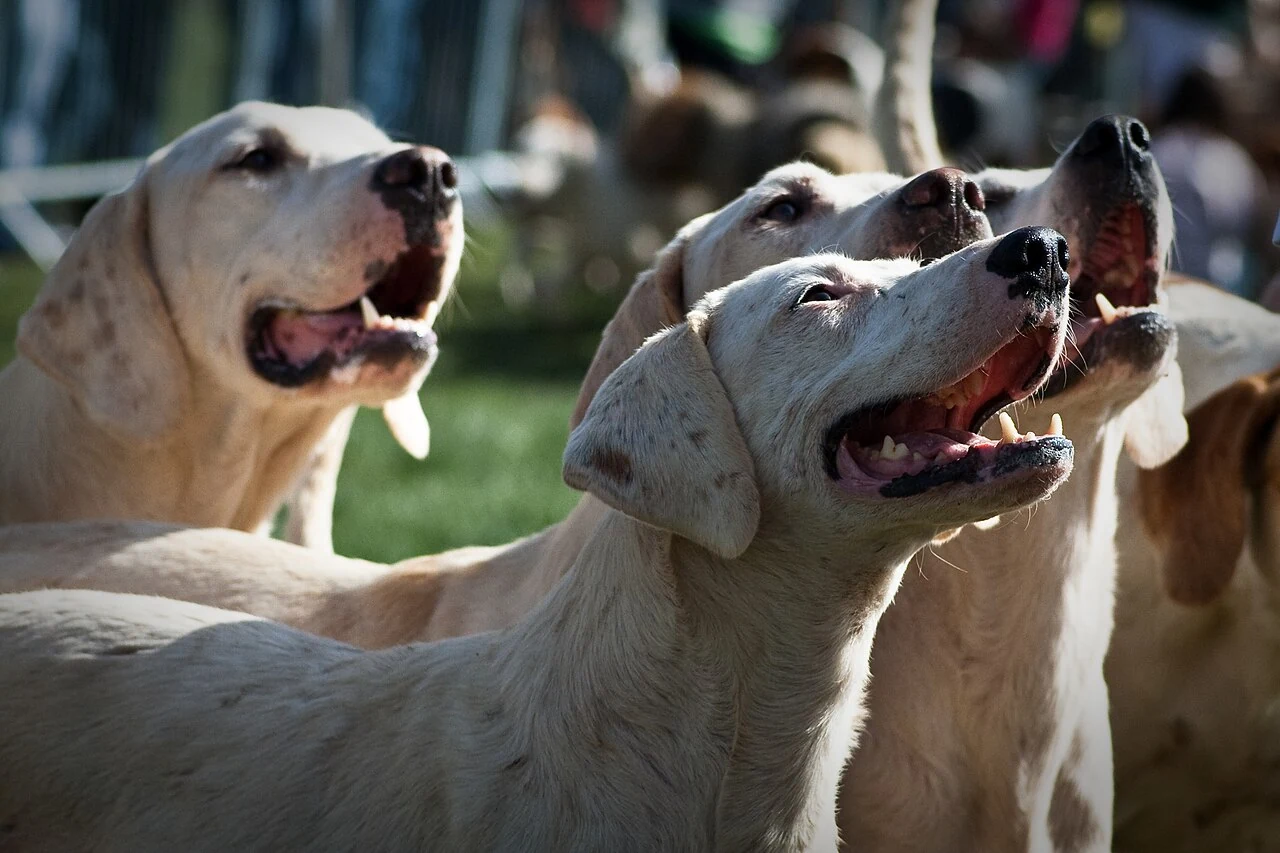
Harriers were developed to work in a pack, meaning several dogs together. The Royal Kennel Club describes them as affectionate and intelligent. When meeting a prospective dog, you should observe its responses to unfamiliar dogs and ask about previous experiences. Curiosity is a useful starting point for training. Small tasks with a worthwhile reward can encourage cooperation more effectively than long sequences of the same exercise.
Everyday life
An active routine should combine substantial walks, time to sniff and regular practice together. The Harrier has considerable stamina, but its exercise should still suit its age, health and fitness. A young dog or one used to little activity should build up to longer distances gradually. After activity, it should have the opportunity to sleep undisturbed.
Scent games can be arranged at home too. You might begin with a few pieces of the dog’s usual food placed where they are easy to see and find. Once it understands the game, individual pieces can be hidden in accessible places. Taking the portion from its measured daily allowance helps keep track of how much it eats. Searching gives it a chance to use its nose and spend time with you.
Recall is learning to return when you use an agreed cue. The first attempts can start a few steps apart in quiet surroundings. Outside, you should use a lead or a long training line attached to a suitable harness while wildlife trails remain strongly distracting. A securely fenced area offers space for free running. Garden boundaries, gates and possible escape gaps should be checked carefully.
Staying home alone
Dogs learn to stay home alone in small steps. The RSPCA advises no more than four hours at a time. Puppies and dogs that become unsettled when left alone need shorter absences and gradual practice. Arrange someone to care for your dog when you will be away longer.
Everyday dog training: recall, a loose lead and clear communication ↗
Day-to-day care
The short coat is straightforward to inspect and should be brushed regularly. Grooming makes it easier to notice loose hair, skin changes and small injuries. After outings over stony ground or through undergrowth, you should check the feet and spaces between the toes.
The hanging ears should be inspected regularly. Unpleasant odour, discharge or repeated head shaking should be assessed by a vet. Teeth and nails need attention too. Looking at the feet and using a dog toothbrush and dog toothpaste can be introduced in short steps with rewards.
Size and build
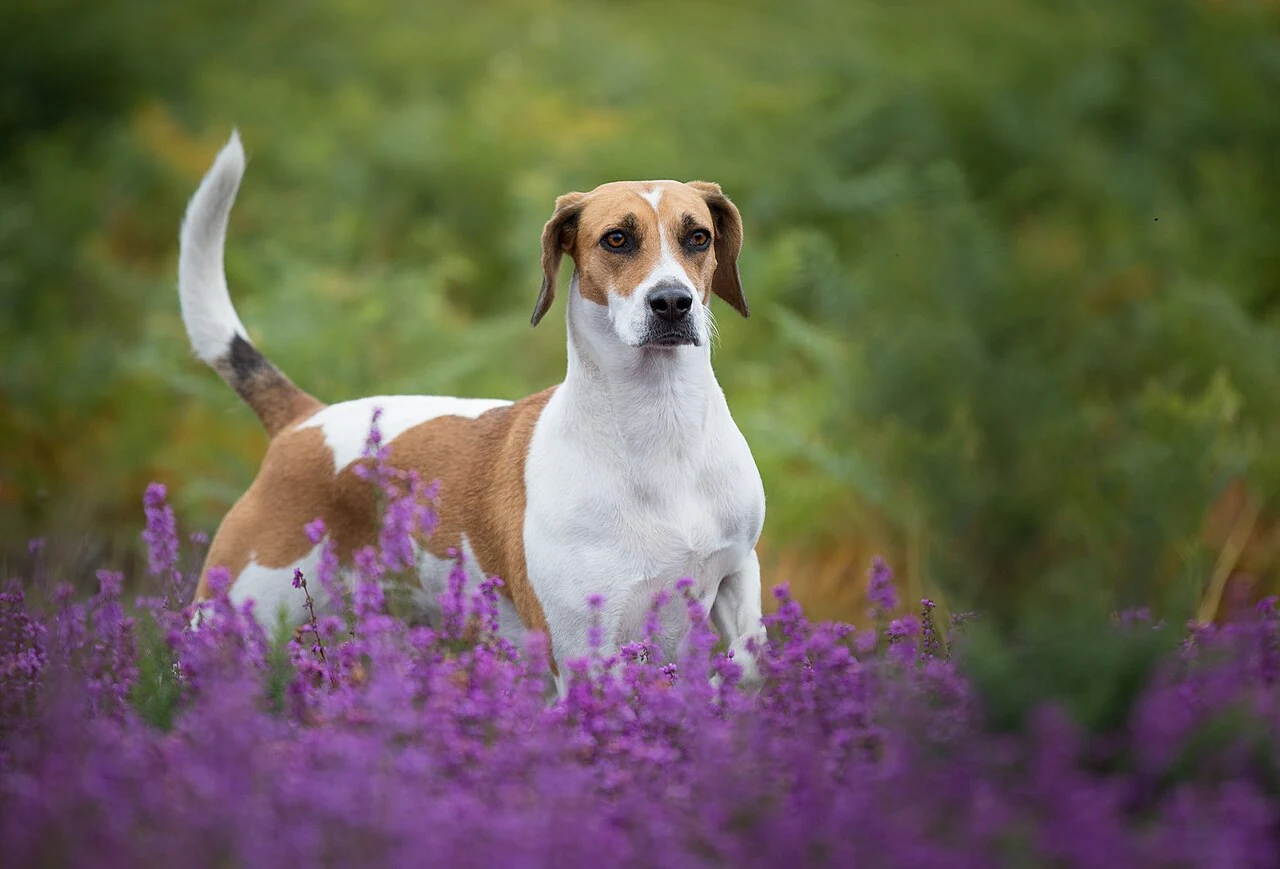
The Harrier developed in Great Britain as a scent hound for hare hunting. Crossbreeding with Foxhounds later influenced its development. Its strong body is built for sustained movement. The international standard gives a height of 48 to 55 centimetres. It is a separate breed and should not be confused with the French Beagle Harrier.
A puppy’s early experiences should include people and dogs as well as rest, gentle handling and household routines. For an adult dog, information about its previous living arrangements is especially useful. If it has lived with a group of dogs, short periods alone or life indoors may be new experiences. Settling in should take that history into account, using familiar routines and manageable first lessons.
From puppy to senior: caring for your dog through every life stage ↗
Health
Before buying a puppy, you should ask about both parents’ veterinary findings and known illnesses in related dogs. For an adult, previous medical records, medication and observed symptoms are important. Findings should be explained to you, and unresolved health questions can be discussed with your vet. The Royal Kennel Club also recommends considering genetic diversity in breeding. This includes checking how closely related potential parents are when choosing breeding dogs.
Preventive care includes teeth, vaccinations, parasites and body weight. Changes in movement deserve attention in a dog that enjoys covering long distances. Limping, unusual tiredness or difficulty getting up should be assessed. Recording when a change began and which movements bring it out helps you describe it accurately at an appointment.
Could this breed fit your life?
Could work well if …
- A Harrier suits people who can make enough time for daily outdoor activity and enjoy training an independent scent hound.
- Compatible canine company can be an important part of its life. Introductions should be calmly planned around the experiences of both dogs.
- Introductions to cats should reflect the dog’s previous experience. Rabbits, guinea pigs and other small pets should remain protected by reliable physical separation.
What to consider
- Its medium height should not obscure the Harrier’s stamina and interest in hunting.
- If you are often away for long periods during the day, care arrangements and gradually learning to be alone should be planned before adoption.
Similar needs, different dogs.
Selected by shared size, activity, grooming and training characteristics.
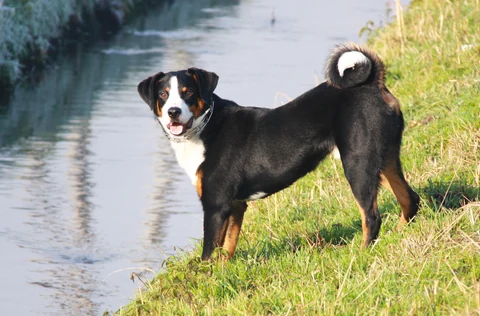
Swiss cattle and watchdog
Appenzeller Mountain Dog
The Appenzeller Mountain Dog is easy to recognise by its tricolour coat and tightly curled tail. Behind that cheerful appearance is an attentive Swiss working dog. It enjoys activity, learns quickly and notices changes around it. This breed suits people who want to spend time outdoors with their dog every day and can help it cope calmly with visitors and events at home.
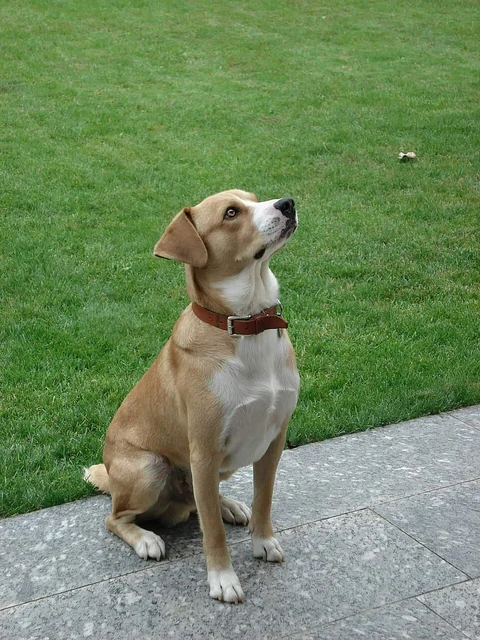
Austrian farm and companion dog
Austrian Pinscher
The Austrian Pinscher is a lively farm dog that enjoys accompanying familiar people and notices visitors attentively. Its short to medium-length coat is relatively straightforward to maintain. Exercise, shared activities and calm guidance of its guarding behaviour require more time. Meeting adult dogs helps show whether its watchfulness and temperament could suit your daily life.
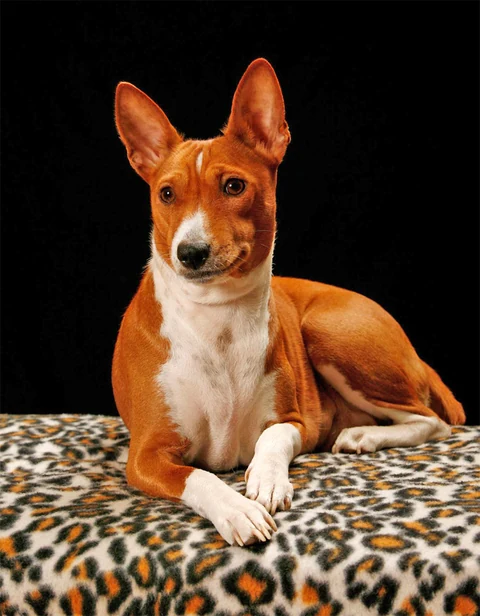
Hound
Basenji
The Basenji rarely barks but can make yodelling sounds. Outside, it may follow a scent or moving animal at speed, so off-lead running calls for secure fencing.
Sources and photograph credit
- Teaching your dog to be left alone
Used in this profile for: Staying home alone
- Harrier breed standard
Used in this profile for: Size / Weight, Temperament, Everyday life, Day-to-day care, Size and build, Could this breed fit your life?
- Harrier
Used in this profile for: Temperament, Everyday life, Day-to-day care, Size and build, Health, Lifespan, Could this breed fit your life?
- Healthcare for your dog
Used in this profile for: Day-to-day care, Health
- Dental disease in dogs
Used in this profile for: Day-to-day care
- How to give your pet a health check at home
Used in this profile for: Day-to-day care, Health
- Caring for your puppy
Used in this profile for: Size and build
- Train your dog to come when called
Used in this profile for: Everyday life, Size and build, Could this breed fit your life?
Photo credits
In action · Evforce Miss Havoc.jpg · Evforce · CC BY-SA 4.0 · Edited

Coat and features · Eva-5wsm.jpg · Evforce · CC BY-SA 4.0 · Edited

Side view · Harrieri1.jpg · Canarian · CC BY-SA 4.0 · Edited

Everyday life · Parade of Hounds - Harriers.jpg · Mark Robinson · CC BY 2.0 · Edited
