 fellfolio
German specialist for tracking injured game
Hanoverian Scent Hound
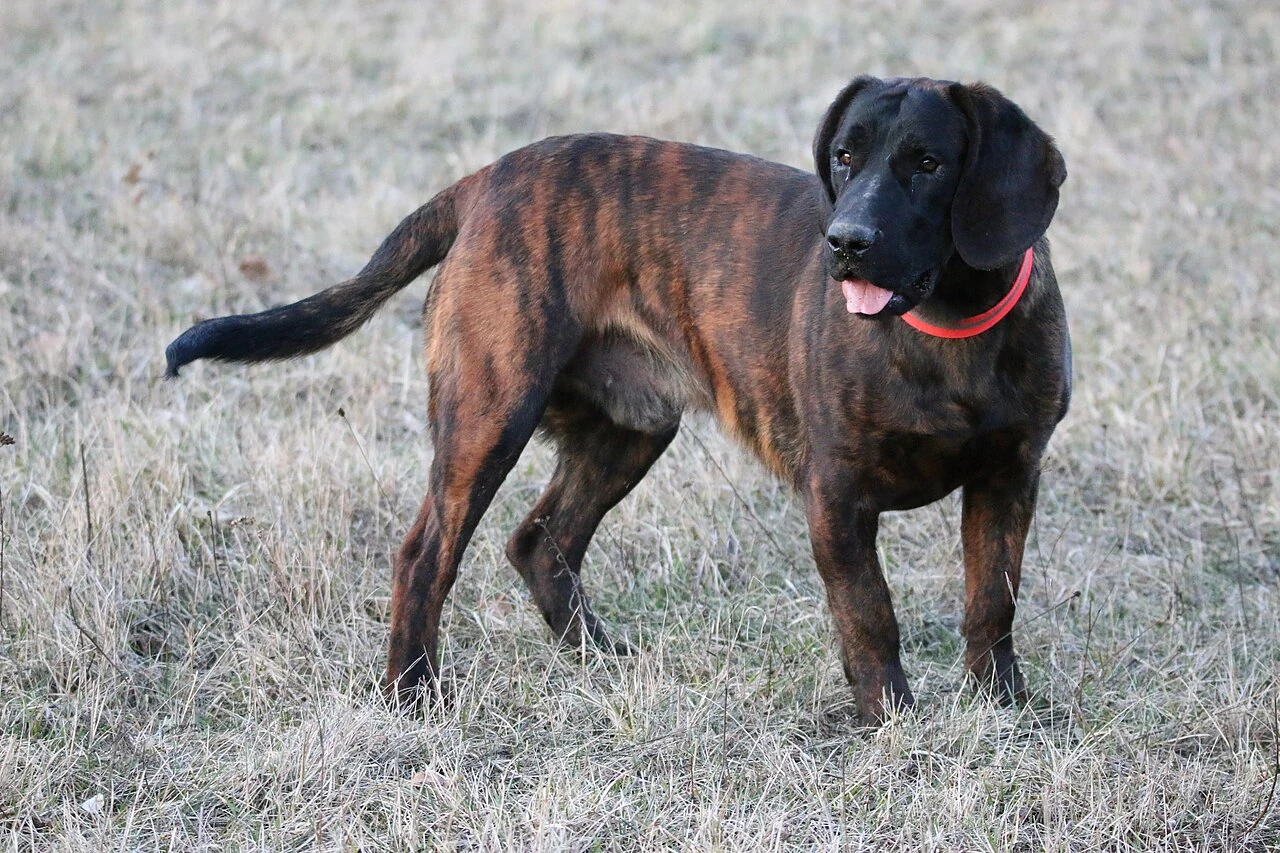
The Hanoverian Scent Hound is a powerful hunting dog developed to find injured game by following its trail. A calm manner and close bond with its handler go alongside stamina and exceptional concentration. It is best suited to people who can train it for this demanding work and provide regular opportunities to use those skills.
At a glance
- Size
- Large
- Height at shoulder
- 48 to 55 cm
- Weight
- 25 to 40 kg
- Lifespan
- 10 to 14 years
- Activity
- High
- Grooming
- Weekly
- Training
- Patience & clear guidance
- Owner experience
- Experience recommended
A remarkable nose with a particular purpose
The German name includes Schweiß, a hunting term for blood. This hound searches for animals injured during hunting or in road accidents, following their trail long after they have disappeared from view. The purpose is to locate the animal promptly and prevent further suffering. That takes a carefully trained dog and a handler able to interpret the trail and assess the situation safely.
The breed descends from old leash hounds used to investigate game trails. At the royal hunting establishment in Hanover, this type was further developed for tracking injured animals. Verein Hirschmann has overseen the breed since 1894, selecting dogs for their working ability.
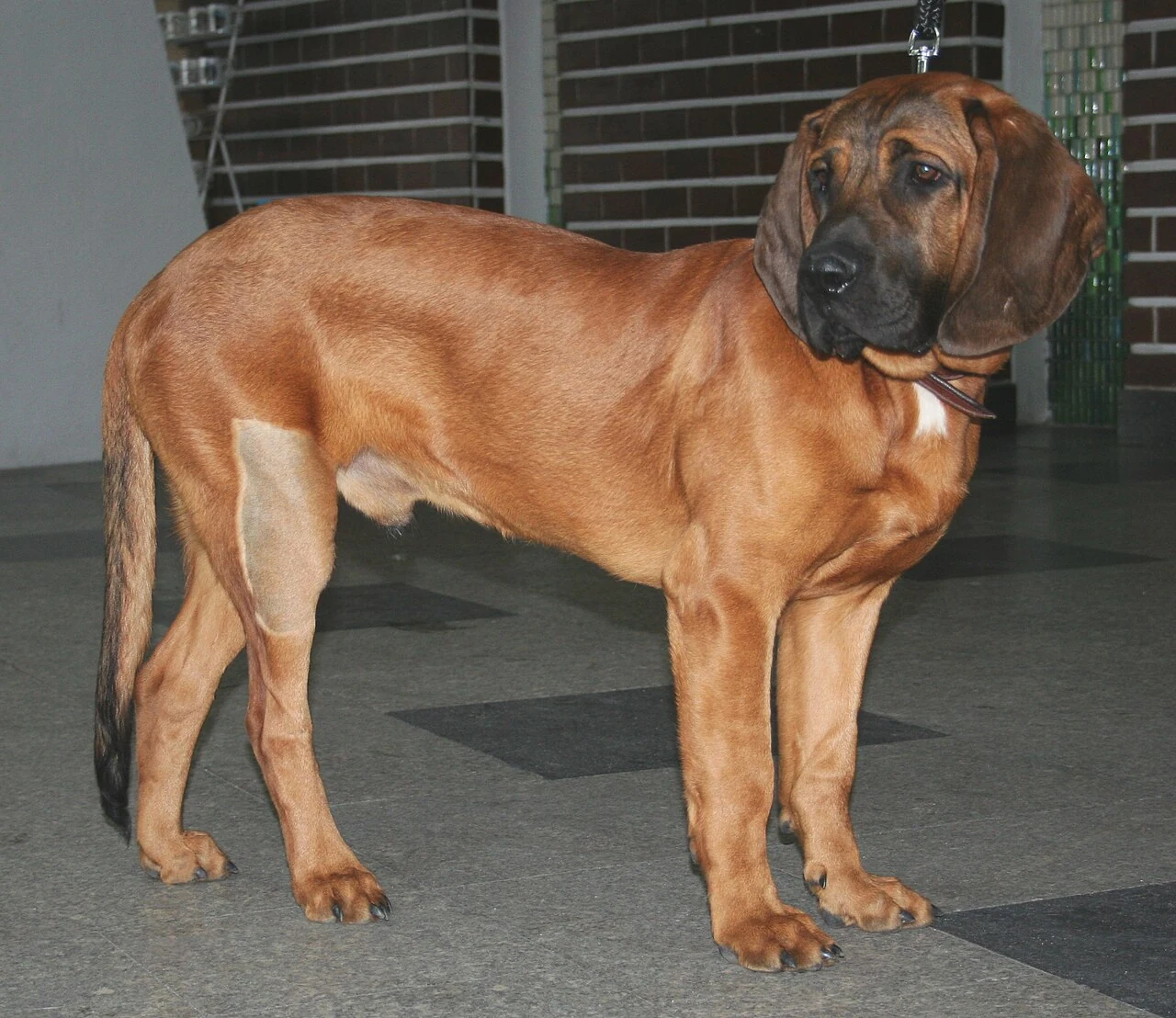
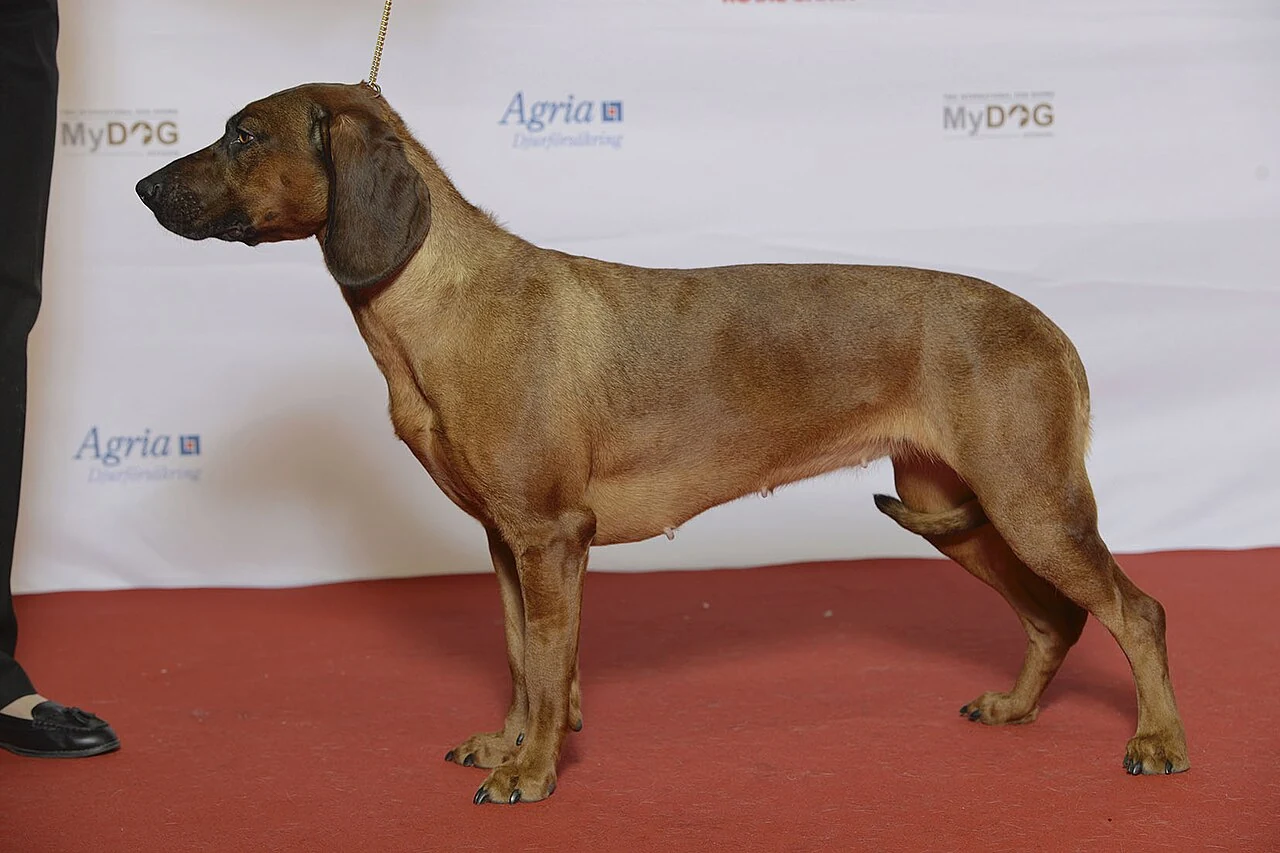
Its body is longer than it is tall, with strong legs and a deep chest. The short, dense coat ranges from pale deer red to dark brindle, meaning dark stripes over a red base. The international canine organisation FCI gives shoulder heights of 50 to 55 centimetres for males and 48 to 53 centimetres for females. Corresponding weight ranges are 30 to 40 and 25 to 35 kilograms.
The dog can form a close, sensitive relationship with familiar people and may be more reserved with strangers. Visitors should have time to get acquainted without crowding it. Children should respect its sleeping place, with an adult guiding their interactions. Outdoors, a game trail can capture its full attention. Its hunting behaviour should also be considered at home. Rabbits and other small pets should live in their own securely separated area that the dog cannot enter.
Everyday life
Daily life should support training for, or carrying out, searches for injured game. Exercise across suitable terrain, prepared practice trails and help from experienced trainers all play a part. A practice trail is a scent route laid for the dog to learn focused searching. Its length and difficulty should match the dog’s stage of training. A real search carries further responsibility because an injured animal needs to be found.
Verein Hirschmann expects puppy applicants to be available for this work, attend a training course and have considerable flexibility over their time. Searches may arise on weekdays and public holidays. The club places its puppies only with members. If you mainly want a walking companion with occasional scent games, you should discuss these requirements with the club before choosing the breed.
Alongside work, the dog needs a quiet place to sleep and dependable companionship at home. Coming back when called and walking calmly on a lead should be taught with rewards. Away from working sessions, a secure lead helps prevent an unwanted chase. You should arrange care during absences and introduce time alone in small steps.
Staying home alone
Dogs learn to stay home alone in small steps. The RSPCA advises no more than four hours at a time. Puppies and dogs that become unsettled when left alone need shorter absences and gradual practice. Arrange someone to care for your dog when you will be away longer.
Everyday dog training: recall, a loose lead and clear communication ↗
Day-to-day care
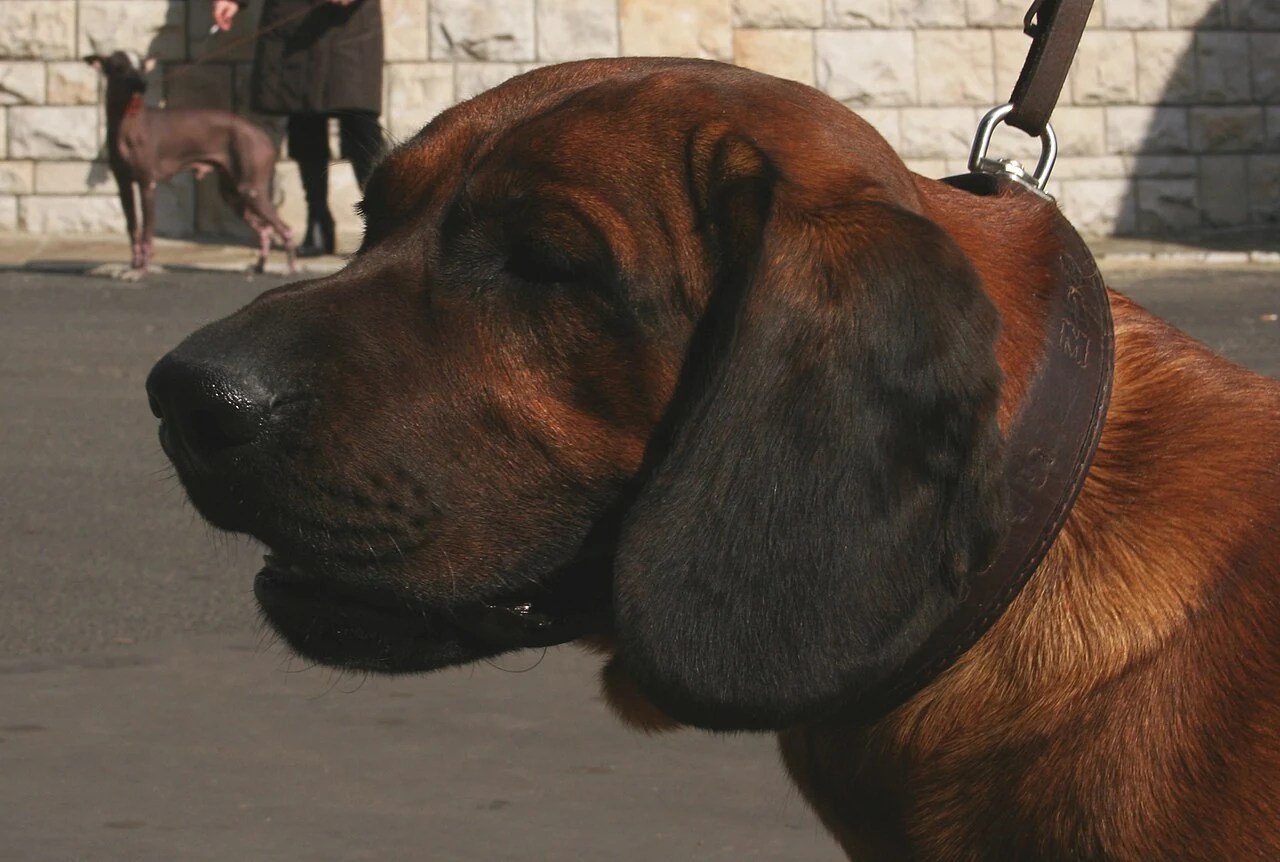
A suitable brush or grooming mitt can remove loose hair and dirt from the short coat. After exploring dense vegetation, you should inspect the skin, paws and spaces between the toes. This makes small injuries and trapped plant material easier to spot. Wet hair should be allowed to dry before the dog settles into its bedding for a long rest.
The hanging ears should be checked regularly. Frequent head shaking, redness or an unusual smell may indicate a painful infection and need veterinary attention. Your veterinary practice can demonstrate whether and how your dog’s ears should be cleaned. Nails and teeth need care too. Brief, pleasant first attempts with dog toothpaste help introduce toothbrushing.
Size and build
A puppy should first get to know its handler, home and everyday routines. Working training begins with simple tasks and professional guidance. Short outings and free play with breaks suit a growing body. Long endurance sessions and repeated high jumps should wait while bones and joints are still developing.
An adult’s fitness and tracking tasks should be built up gradually. Even a tireless working dog needs recovery after demanding searches. In older age, shorter routes and less challenging terrain may become more comfortable. New difficulty rising or walking needs investigation. The American Kennel Club lists a life expectancy of ten to fourteen years for the breed.
From puppy to senior: caring for your dog through every life stage ↗
Health
Verein Hirschmann requires breeding dogs to have X rays of their hips, elbows and the junction between the lower spine and sacrum. Before choosing a puppy, you should ask to see and understand the parents’ results. Hip dysplasia involves a loose or unstable fit of the hip joint, which can lead to pain and joint wear. Elbow screening likewise looks for changes in an important weight bearing joint.
A lumbosacral transitional vertebra is a congenital variation in the shape of a vertebra at the bottom of the spine. It combines features of a lumbar vertebra and the sacrum. Some dogs remain comfortable, while others may develop back problems. The X ray finding should therefore be assessed alongside mobility and any pain.
Repeated limping, stiffness or a marked loss of stamina should not simply be attributed to a hard day’s work. Notes on when a change began and the preceding activities can help at a veterinary appointment. Fellfolio can keep those observations together with weight records and examination reports.
Could this breed fit your life?
Could work well if …
- You want to train a dog for searches for injured game with experienced guidance and regular working opportunities.
- You can make dependable time for training, searches and recovery.
- You have hunting dog experience or will work closely with skilled trainers and the breed club.
What to consider
- Its specialist role needs much more preparation than occasional scent games.
- Searches may be requested at short notice and outside normal leisure hours.
- Walks require a secure lead. Small pets should remain physically separated from the dog.
Similar needs, different dogs.
Selected by shared size, activity, grooming and training characteristics.
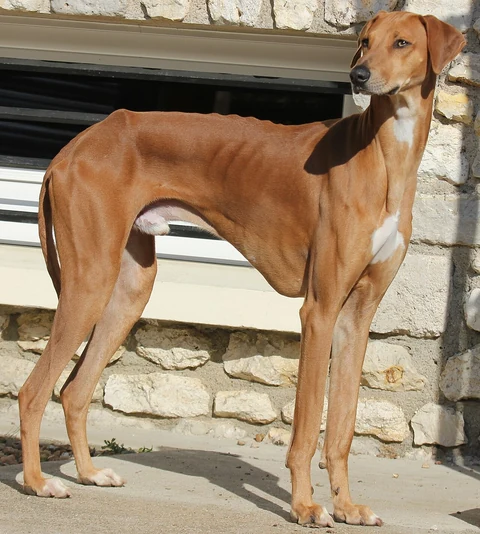
Lean sighthound from the Sahel with close bonds to familiar people
Azawakh
Long legs, a narrow body and a remarkably short coat give the Azawakh its distinctive appearance. This sighthound from the Sahel can be deeply attached to familiar people while keeping its distance from strangers at first. A suitable home offers shared exercise, secure space to run and people willing to let introductions develop gradually.
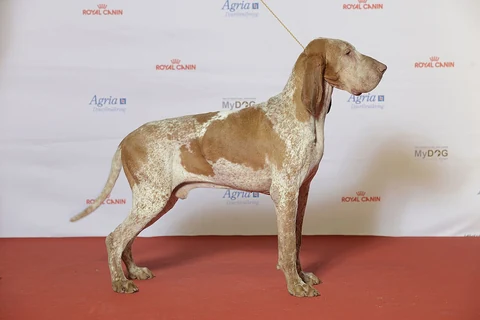
Italian pointing dog with a distinctive head and ground covering trot
Bracco Italiano
The Bracco Italiano is a large Italian hunting dog with long ears, a powerful body and an expressive head. It enjoys searching by scent and working with its handler. At home it can be a gentle companion when exercise, purposeful tasks and time together are dependable parts of daily life.
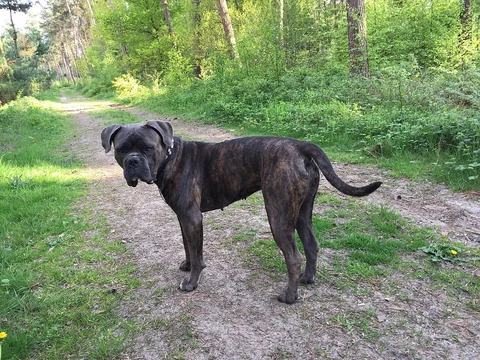
Athletic Italian guardian with considerable strength and a need for shared activities
Cane Corso
The Cane Corso combines a powerful body with considerable agility. Developed in Italy to guard homes, families and livestock, this breed suits people who enjoy shared exercise and training and can guide an alert guardian safely through everyday life.
Sources and photograph credit
- Teaching your dog to be left alone
Used in this profile for: Staying home alone
- Canine Hip Dysplasia
Used in this profile for: Health
- Position Statements and Humane Dog Training
Used in this profile for: Everyday life
- Hanoverian Scenthound
Used in this profile for: Everyday life, Day-to-day care, Size and build, Lifespan
- Zuchtziel
Used in this profile for: Health
- Hanoverian Scent Hound, FCI Standard No.213
Used in this profile for: Size / Weight, Temperament, Day-to-day care
- Welpenerwerb
Used in this profile for: Everyday life, Could this breed fit your life?
- Ausbildung
Used in this profile for: Temperament, Everyday life, Size and build, Could this breed fit your life?
- Lumbosakral overgangsvirvel (LTV) hos hund
Used in this profile for: Health
- Ear problems in pets
Used in this profile for: Day-to-day care
- Exercising Your Puppy
Used in this profile for: Size and build
- Training Your Dog to Be Left Alone
Used in this profile for: Everyday life
- Children and Dogs
Used in this profile for: Temperament
- Caring for Your Dog’s Teeth
Used in this profile for: Day-to-day care
- Keeping rabbits in your home
Used in this profile for: Temperament
- Train Your Dog to Come When Called
Used in this profile for: Everyday life
Photo credits
Side view · Hanover Hound.jpg · TobiasHR · CC BY-SA 4.0 · Edited

Portrait · Posokowiec hanowerski 2009 pl2.jpg · Pleple2000 · CC BY-SA 4.0 · Edited

Coat and features · Posokowiec hanowerski pl1.jpg · Pleple2000 · CC BY-SA 4.0 · Edited

Everyday life · Grupp 6 HANNOVERANSK VILTSPÅRHUND, SE JV-14 SE VCH Skogsråa’s Lycka (23661436923).jpg · Johan Frick-Meijer / Svenska Mässan · CC BY 2.0 · Edited
.jpg)