fellfolio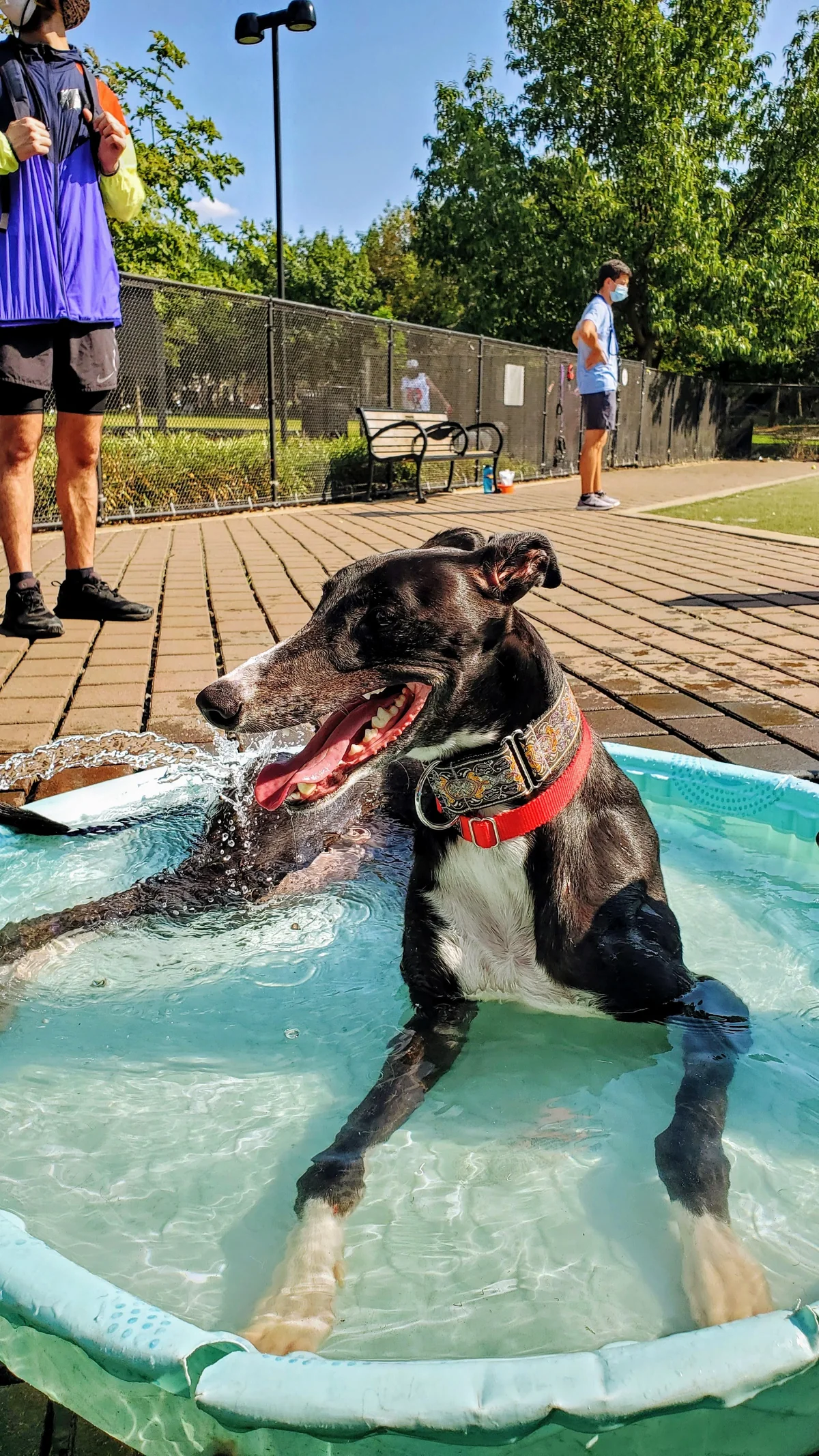
Working dog
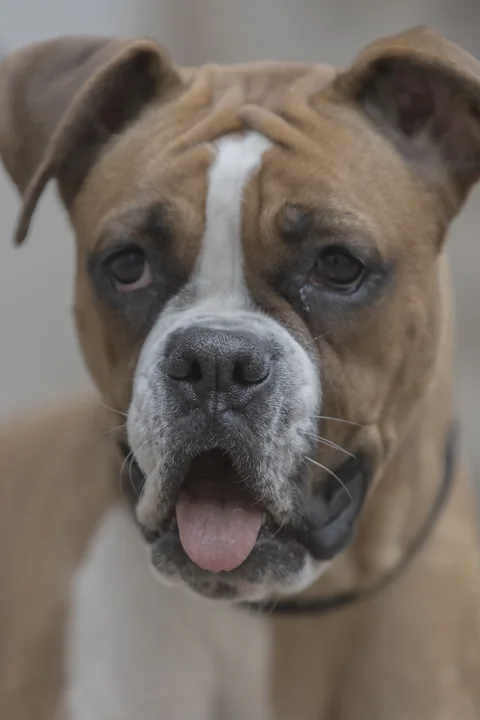
Boxer
A playful, strong dog that matures slowly. Exercise, patient training and room for its energy all need planning.
Sighthound
A gentle sprinter who benefits from secure running areas, short bursts of speed and quiet recovery.
Greyhounds are sensitive sighthounds. Many enjoy a short, fast run followed by rest, though chase instincts can override recall.
Around an hour of activity with secure opportunities to run and calm walks is a useful guide. Practise recall on lead and manage small-animal encounters.
Being alone needs gradual practice. The RSPCA advises no more than four hours at a time; puppies and some adults need much shorter intervals. Arrange company during longer absences.
Brush the short coat weekly. Also keep up with dental care and provide warmth in cold weather.
Measurements describe adult dogs and are a guide. Lines and individuals can vary; ask about the parents’ health, temperament and daily life.
PDSA lists concerns including gastric dilatation-volvulus, dental disease, progressive retinal atrophy and exercise-related overheating. Discuss safe conditioning with a vet.
Breed traits describe tendencies. Breeding line, socialisation, care and experience shape the individual. Children and animals always need responsible supervision.
Selected by shared size, activity, grooming and training characteristics.
Working dog
A playful, strong dog that matures slowly. Exercise, patient training and room for its energy all need planning.
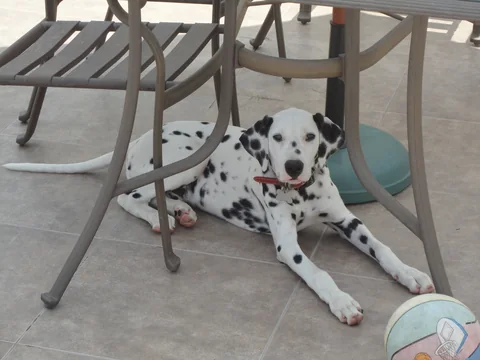
Endurance and companion dog
A watchful, athletic companion with a short coat and substantial daily exercise needs.
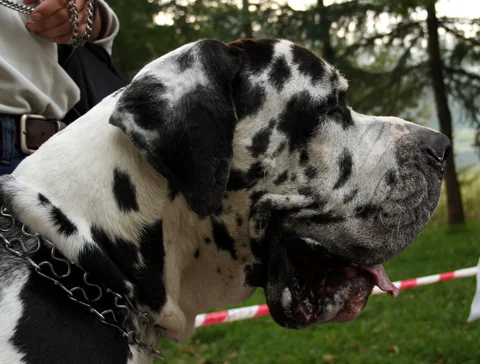
Working dog
Exceptionally tall and usually short-coated, with substantial space and handling needs. Even a gentle dog can knock people over by accident.
Portrait · Supreme Chungus · CC BY-SA 4.0 · Image cropped