 fellfolio
Sighthound
Saluki
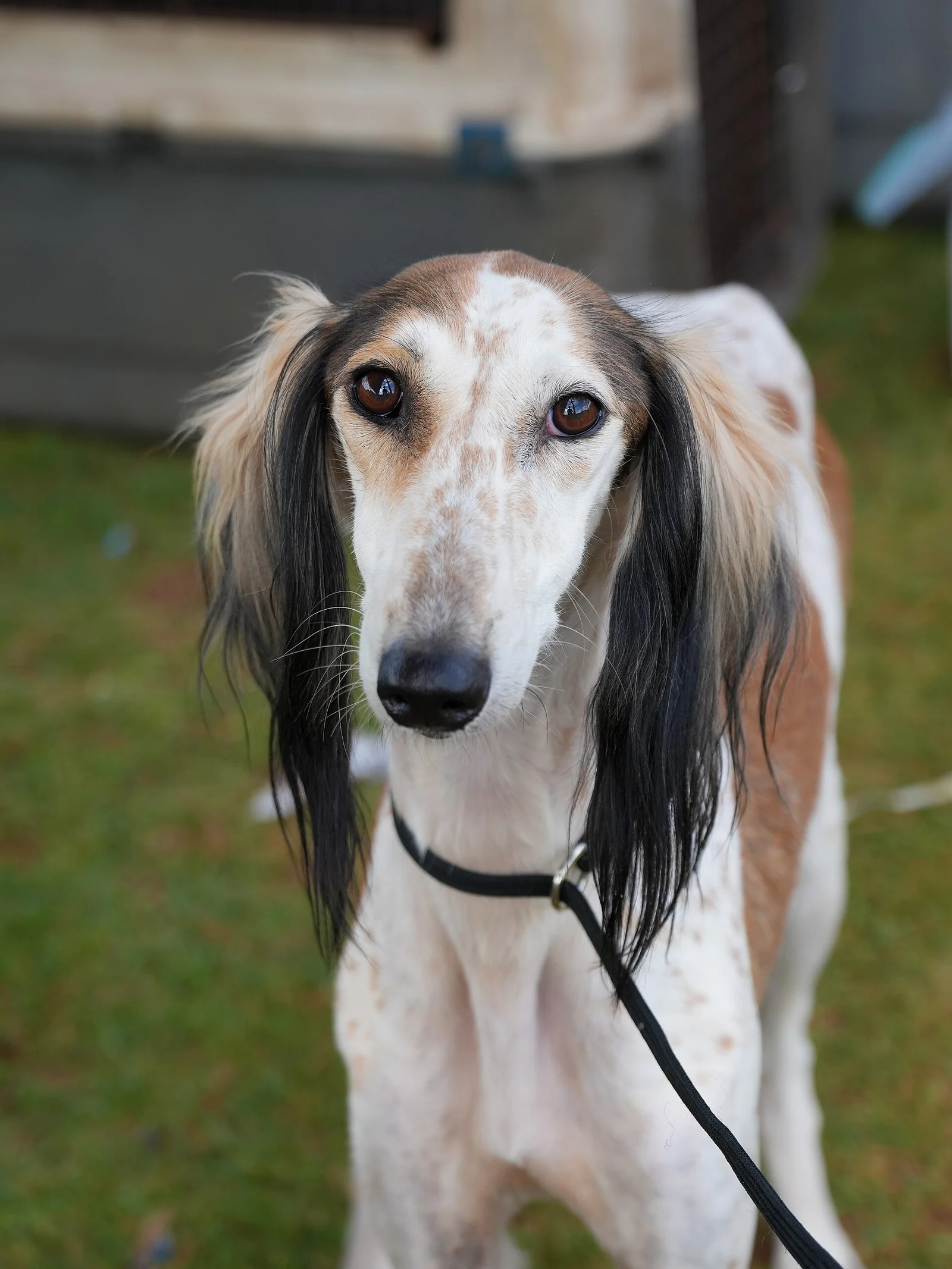
A light, enduring sighthound from the Middle East. Often gentle indoors, it becomes fast and alert to movement outside.
At a glance
- Size
- Large
- Height at shoulder
- 58 to 71 cm
- Weight
- 18 to 30 kg
- Lifespan
- over 12 yearsUK Royal Kennel Club breed profile
- Activity
- Very high
- Grooming
- Weekly
- Training
- Patience & clear guidance
- Owner experience
- Experience recommended
A sighthound alert to movement
Salukis hunted hare, fox and gazelle across open country in their region of origin. They relied on sight and speed. Many are gentle and unobtrusive with family but take time to know strangers. Ask visitors not to touch it at first. If it approaches, let it sniff them without a rushed greeting.
A quiet dog on the sofa still has a hunting instinct. A small animal bolting nearby can trigger a chase. Leads, reliable fencing and a trained recall therefore belong in everyday life.
Everyday life
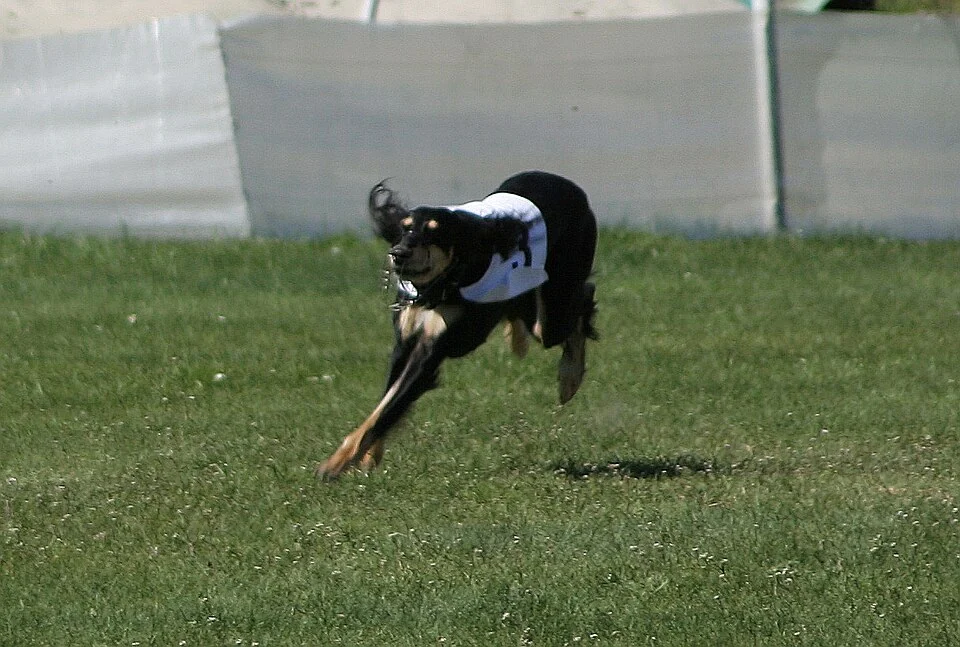
The Royal Kennel Club places Salukis in its more-than-two-hours-a-day exercise category. Long walks are valuable, but they do not replace every chance to run freely. Arrange a large, securely enclosed place where the dog can build speed without chasing wildlife. Keep it on a lead in unfenced places to prevent it from chasing wildlife.
At home, scent games and brief, friendly training offer variety. Training a Saluki calls for patience and a reason for the dog to join in. Call when the dog can still respond, reward its return and keep it on a lead where wildlife is likely.
Staying home alone
Dogs learn to stay home alone in small steps. The RSPCA advises no more than four hours at a time. Puppies and dogs that become unsettled when left alone need shorter absences and gradual practice. Arrange someone to care for your dog when you will be away longer.
Day-to-day care
Salukis have either a feathered or a smooth coat. The feathered variety carries longer silky hair on the ears, legs and tail; the smooth variety lacks these fringes. Weekly brushing suits many dogs, although knots in longer ear hair need prompt attention.
The narrow feet and long toes are built for running. After a run on stony ground, look for cuts or debris between the toes. Trim nails regularly so those long toes can land cleanly.
Size and build
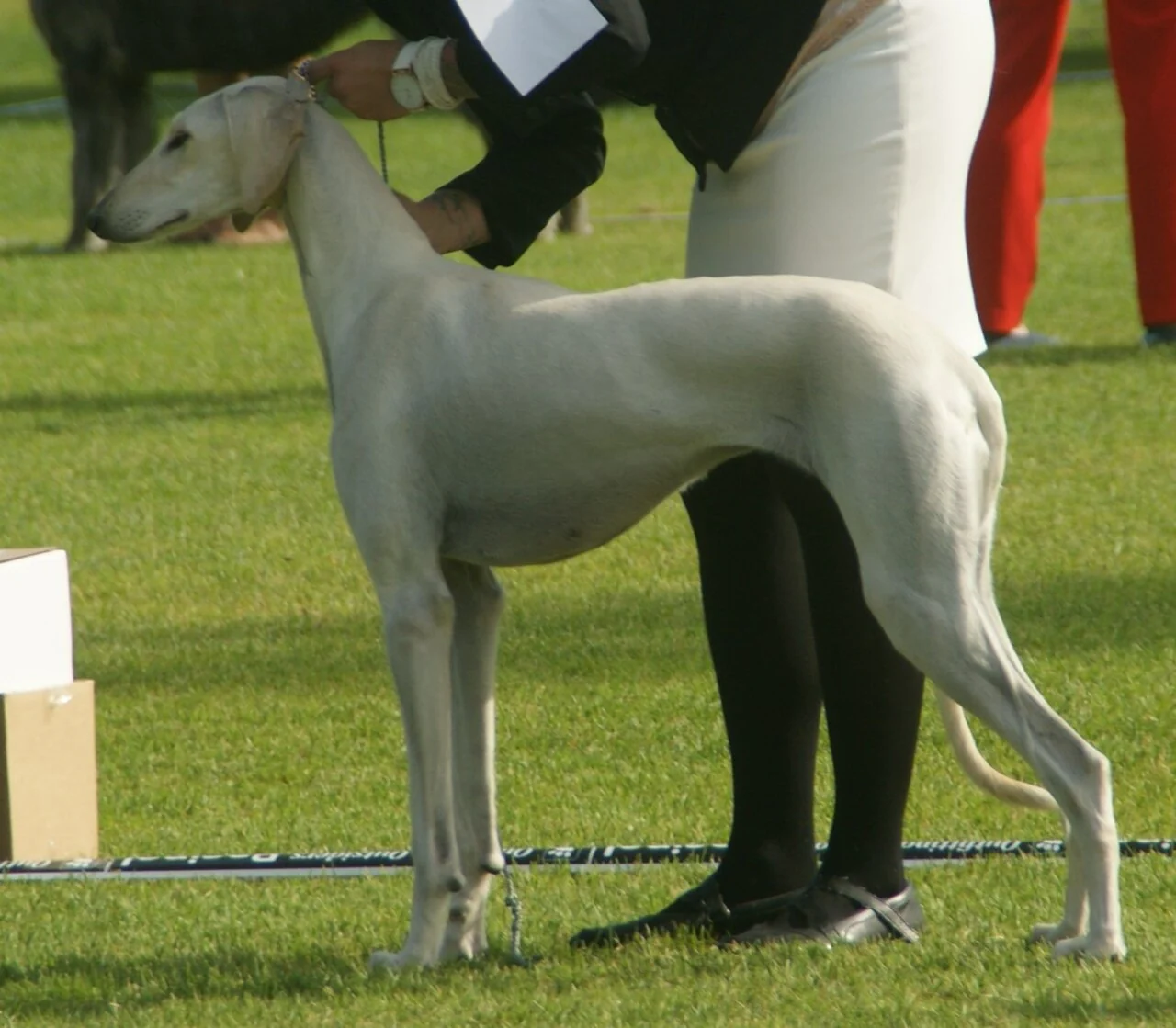
The Saluki is lean, long-legged and muscular. A deep, fairly narrow chest and long back support its flowing stride. The British standard gives 58 to 71 cm at the shoulder for males, with females proportionately smaller. The American Kennel Club gives a broad adult weight guide of about 18 to 30 kg. Check the individual dog’s body condition rather than treating that range as a target. Coat and colour vary considerably across a breed shaped by different landscapes.
Sound, free movement matters more than an extremely fine outline. A young Saluki needs time to develop muscle and stamina; ordinary walks should not be confused with an adult exercise programme.
Health
The US breed club recommends heart and thyroid assessments for breeding dogs; heart and thyroid conditions do occur. A DNA test exists for neuronal ceroid lipofuscinosis, an inherited storage disease that progressively damages nerve cells and can cause vision loss and seizures. The Royal Kennel Club requires it for breeding dogs imported into the UK to prevent the condition being reintroduced into that population. Ask about family history and relevant results, particularly where a parent was imported.
Gastric dilatation-volvulus can occur in deep-chested dogs. Unproductive retching, marked restlessness or a tight abdomen is an emergency needing immediate veterinary care.
Could this breed fit your life?
Could work well if …
- You can provide long outings and a safe place to run.
- You like a gentle dog with an independent streak.
May be more difficult if …
- You want frequent off-lead walks where wildlife is abundant.
- Small pets roaming freely are a fixed part of your household.
Similar needs, different dogs.
Selected by shared size, activity, grooming and training characteristics.
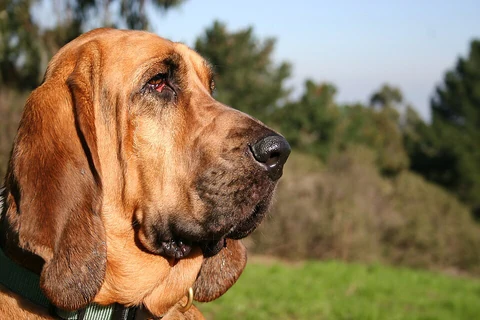
Scent hound
Bloodhound
The Bloodhound follows scent with remarkable persistence. Often friendly and calm at home, it needs time to sniff and safe handling outdoors.
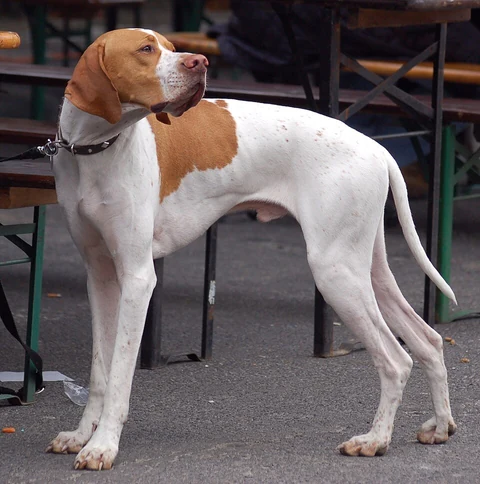
Pointer
Pointer
The Pointer ranges widely to find gamebirds, then stands still to show where they are. Its short coat is easy to care for, but it needs plenty of daily exercise.
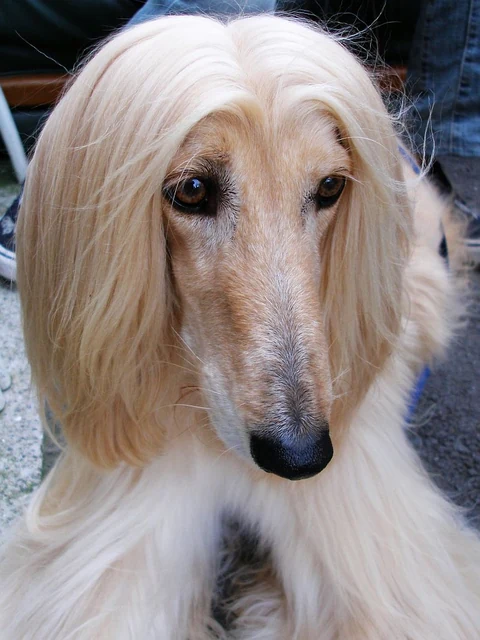
Sighthound
Afghan Hound
There is a fast hunting dog beneath the long silk coat. An Afghan Hound needs secure places to run and a substantial commitment to coat care.
Sources and photograph credit
- Teaching your dog to be left alone
Used in this profile for: Staying home alone
- GDV (Gastric Dilatation Volvulus) in dogs
Used in this profile for: Health
- Saluki dog breed information
Used in this profile for: Size / Weight, Temperament, Everyday life, Day-to-day care, Size and build, Health, Lifespan, Could this breed fit your life?
- Neuronal ceroid lipofuscinosis in Salukis is caused by a single base pair insertion in CLN8
Used in this profile for: Health
- Saluki, Breeds A to Z
Used in this profile for: Temperament, Everyday life, Day-to-day care, Size and build, Health, Lifespan, Could this breed fit your life?
- Saluki breed standard
Used in this profile for: Size / Weight, Temperament, Day-to-day care, Size and build, Lifespan, Could this breed fit your life?
Portrait · Front Saluki Dog Show 2026 Ooty May26 A7CR 10809 · Timothy A. Gonsalves · CC BY-SA 4.0 · Edited

Side view · Saluki Smooth · Canarian · CC BY-SA 4.0 · Edited

In action · Wyścigi chartów Szombierki 2009 saluki 6p · Przykuta · CC BY-SA 3.0 · Edited

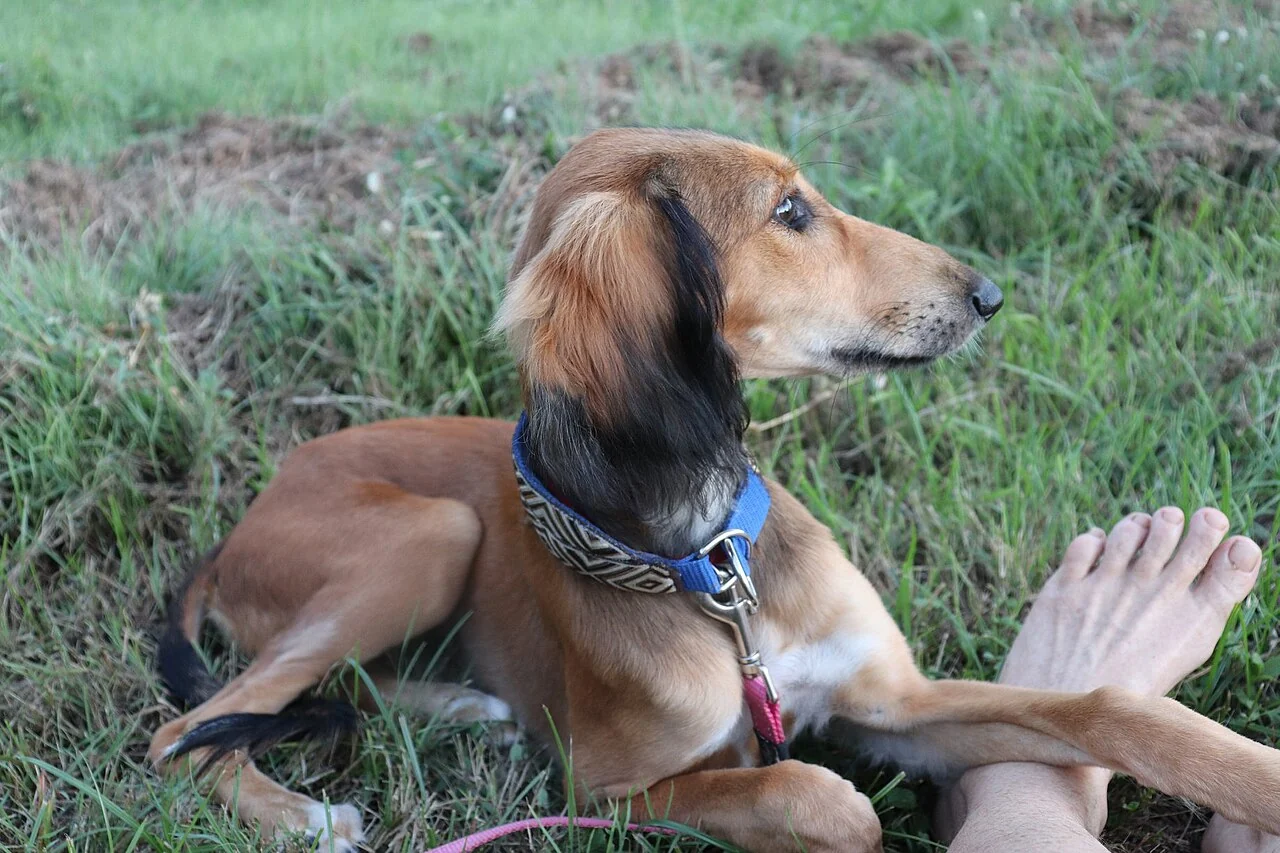
Puppy · Baby saluki · Rebeccakhawk · CC BY-SA 4.0 · Edited
