fellfolio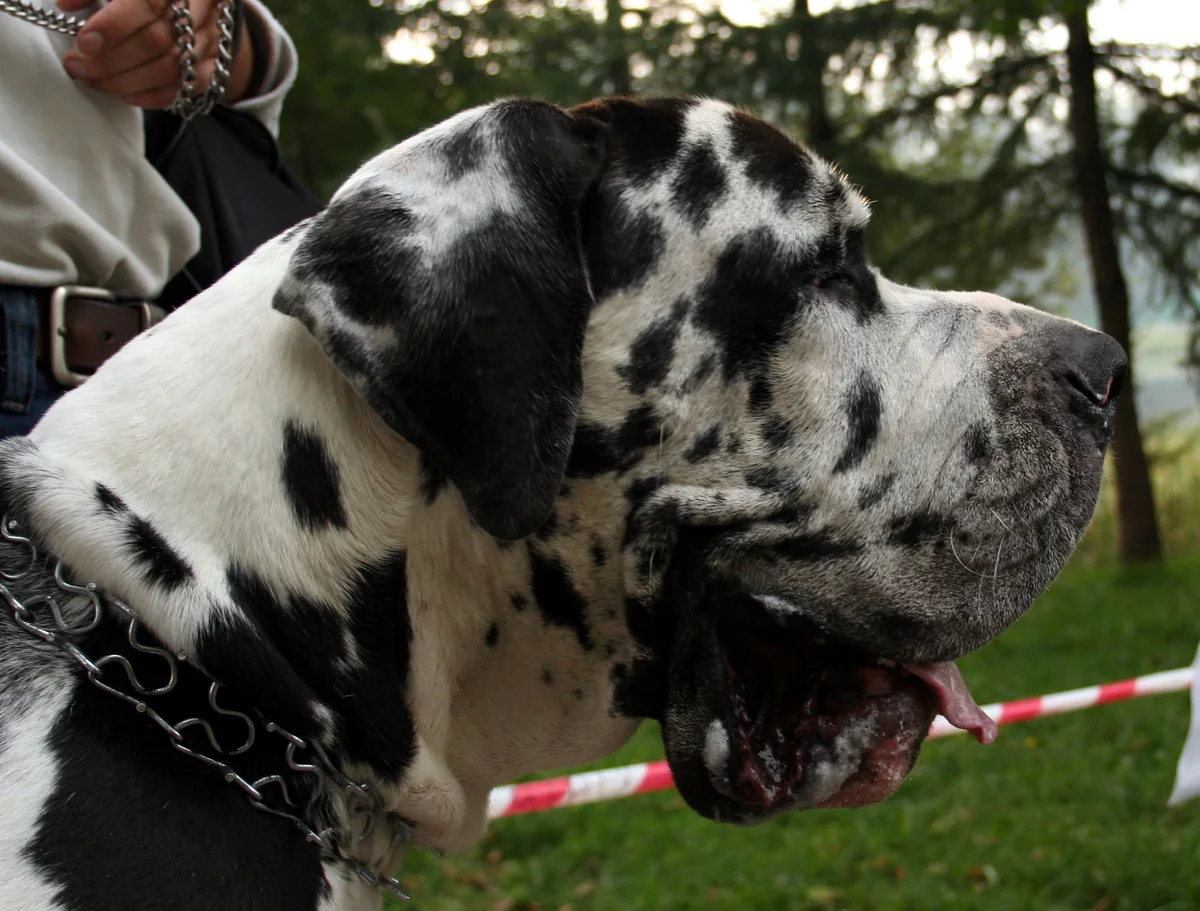
Swiss mountain dog
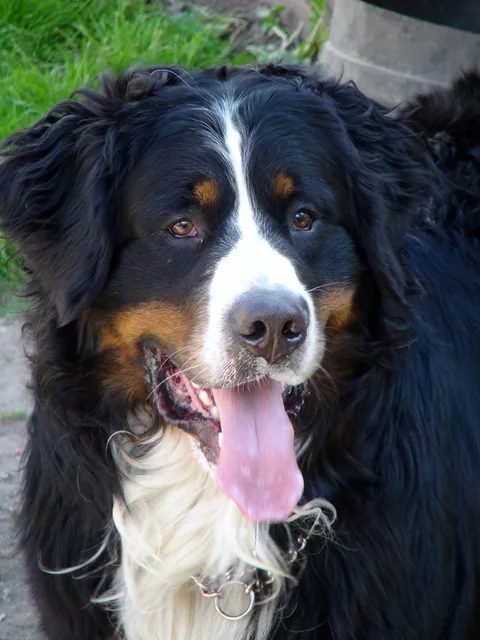
Bernese Mountain Dog
A strong farm and companion dog with a long coat. A calm appearance can mask real needs: strength, grooming and a comparatively short lifespan all matter.
Working dog
Exceptionally tall and usually short-coated, with substantial space and handling needs. Even a gentle dog can knock people over by accident.
Great Danes were used for hunting and later guarding. Many now live as companions. Playfulness and size make training a safety need.
PDSA recommends at least two hours of exercise and plenty of room. Practise polite greetings and loose-lead walking early. A secure, accessible outdoor area helps.
Being alone needs gradual practice. The RSPCA advises no more than four hours at a time; puppies and some adults need much shorter intervals. Arrange company during longer absences.
The short coat is easy to maintain and needs a weekly brush. Food, transport and equipment all cost more at this size.
PDSA places the average lifespan under ten years. That is a source-based guide, not a prediction for an individual dog. A vet should advise on a young Dane’s growth.
PDSA lists gastric dilatation-volvulus, hip and elbow dysplasia, heart, eye and neck problems, and some cancers. Ask which health checks the parents have had.
Breed traits describe tendencies. Breeding line, socialisation, care and experience shape the individual. Children and animals always need responsible supervision.
Selected by shared size, activity, grooming and training characteristics.
Swiss mountain dog
A strong farm and companion dog with a long coat. A calm appearance can mask real needs: strength, grooming and a comparatively short lifespan all matter.
Working dog
A playful, strong dog that matures slowly. Exercise, patient training and room for its energy all need planning.
Guarding dog
A large, powerful guardian with close family bonds and a need for safe handling.
Portrait · Pleple2000 · CC BY-SA 3.0 · Image cropped