 fellfolio
Dog with wolf ancestry, considerable stamina and demanding daily needs
Czechoslovakian Wolfdog
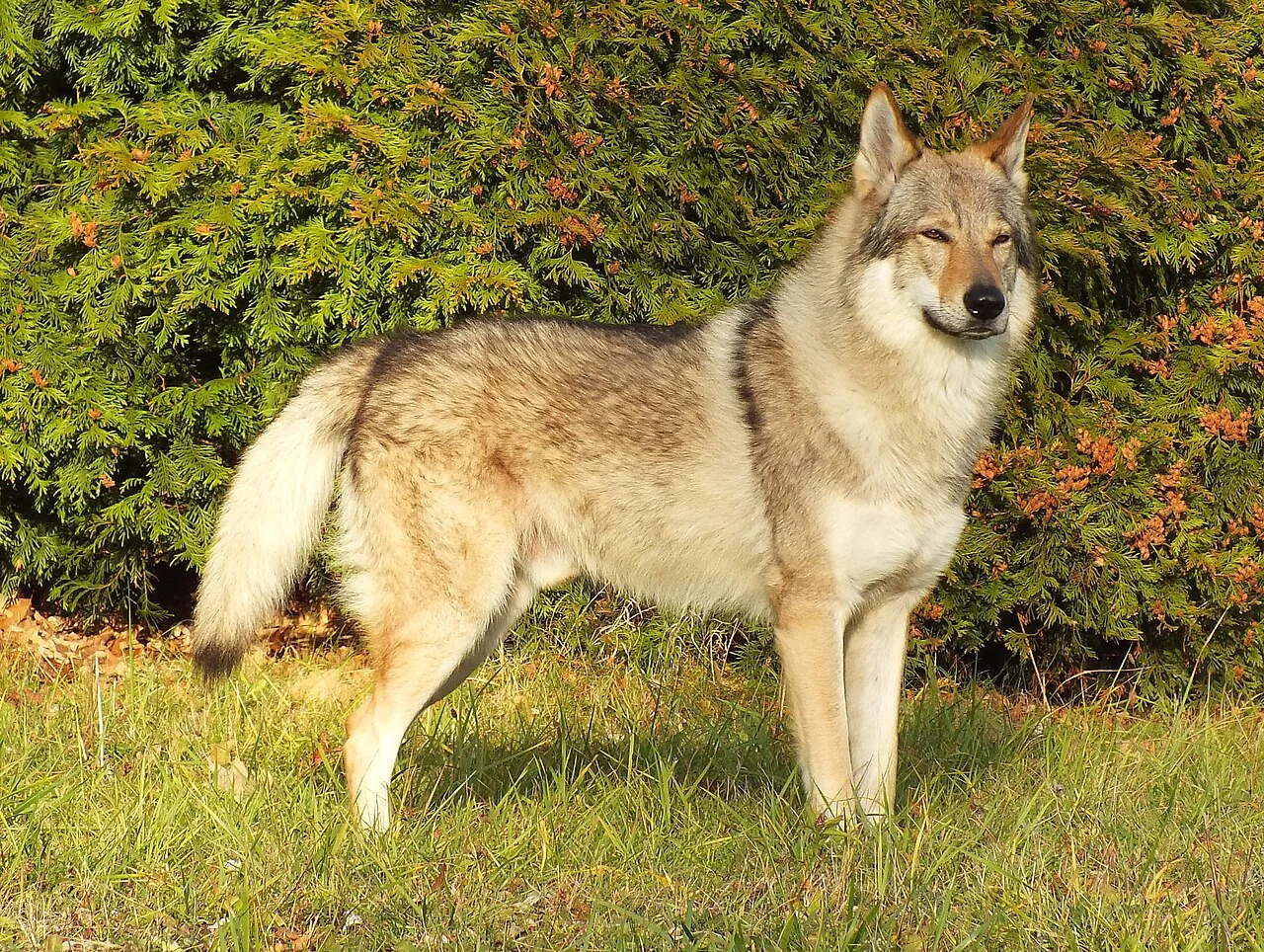
Upright ears, a pale facial mask and a grey coat give the Czechoslovakian Wolfdog its wolf-like appearance. It is a highly active dog with considerable stamina and a close bond with its family. Prospective owners should meet adult dogs and talk to experienced owners about exercise, training and time spent alone before deciding whether the breed suits their lives.
At a glance
- Size
- Large
- Lifespan
- Not sufficiently documentedWhy is there no reliable range?
- Activity
- Very high
- Grooming
- Several times weekly
- Training
- Demanding activities
- Owner experience
- Experience recommended
A young breed with demanding everyday needs
The breed began with crosses between German Shepherd Dogs and Carpathian wolves in the former Czechoslovakia in 1955. An experimental programme eventually led to an organised breeding programme, and the breed received national recognition in 1982. The name Czechoslovakian Wolfdog refers to this established breed with its particular ancestry. It does not describe every new cross between a dog and a wolf.
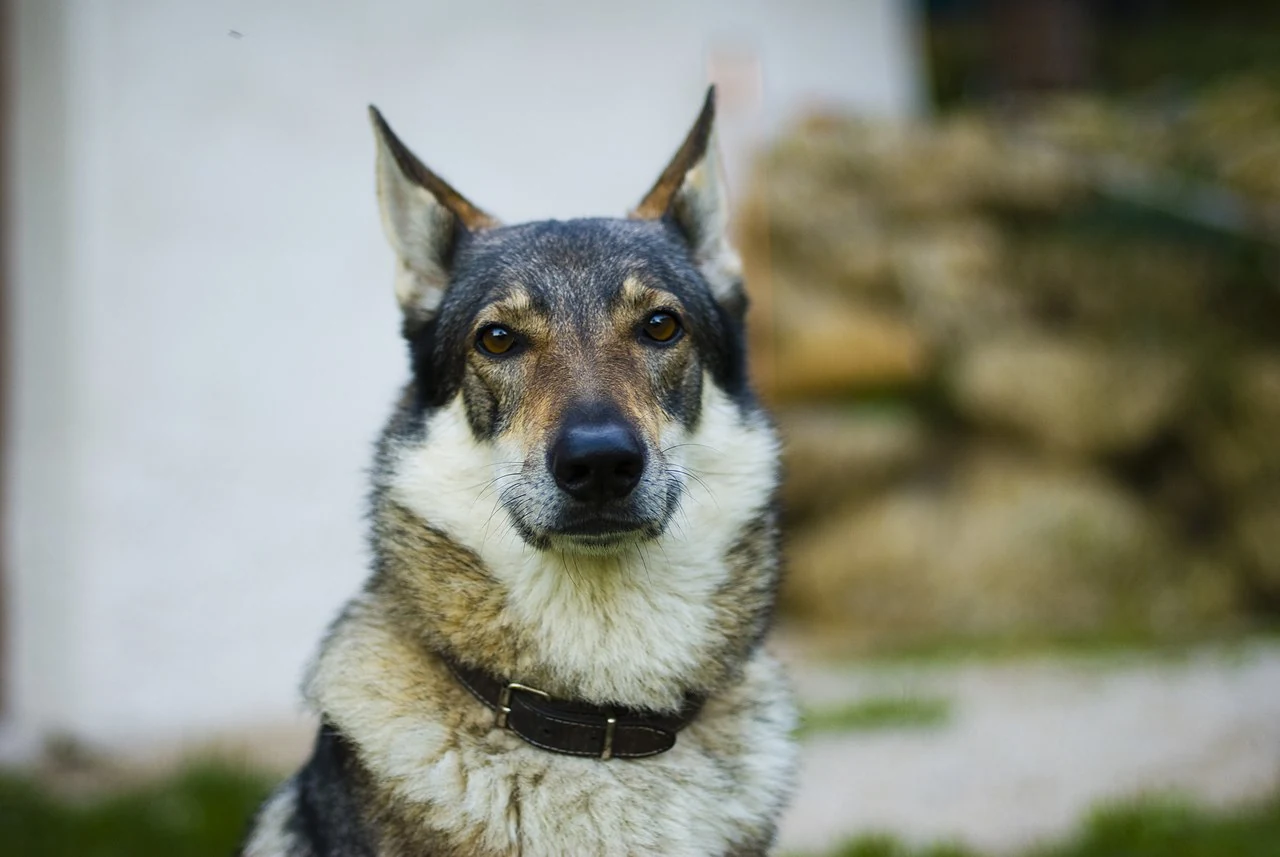
The international canine organisation FCI describes a very active dog with considerable stamina, quick reactions and a close attachment to its people. Its dense coat changes with the seasons. In winter, it develops plenty of undercoat, the fine hair beneath the outer coat that helps keep it warm. Grey shades and a paler facial mask are characteristic. The standard sets minimum shoulder heights of 65 centimetres for males and 60 for females, and minimum weights of 26 and 20 kilograms respectively.
A Czechoslovakian Wolfdog often wants to be wherever its family is. Long daily absences can therefore be difficult. New people and unfamiliar situations should be introduced gradually, and a future carer should have opportunities to get to know the dog in calm surroundings before taking over.
Wildlife and small pets can trigger hunting behaviour, so small pets should have a securely separate area of their own. How well the dog gets along with another dog depends on both animals and their previous experiences. An adult should closely supervise contact with children, and children should learn to leave a resting dog undisturbed.
Everyday life
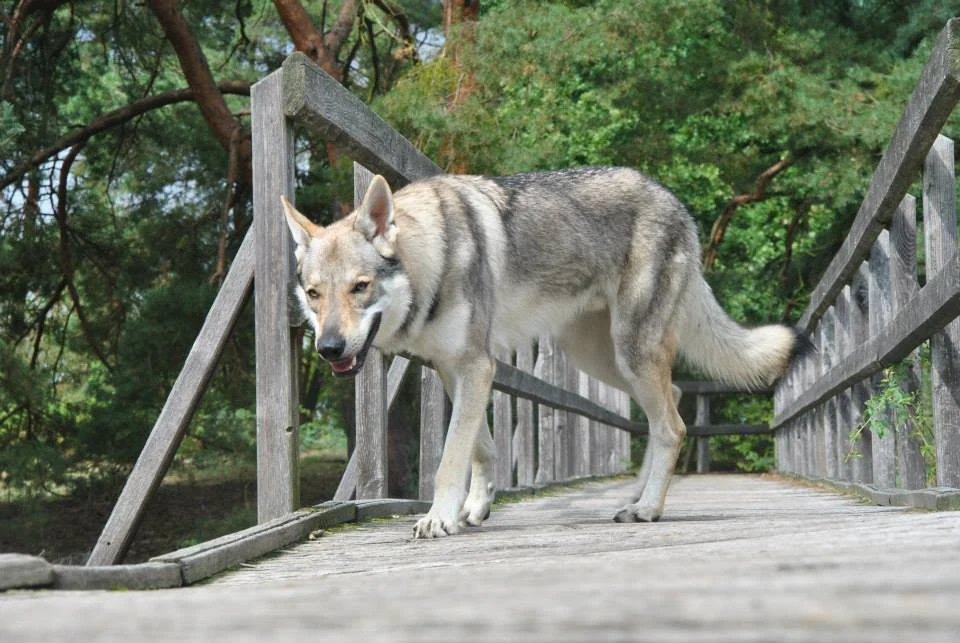
Walks should give this dog plenty of opportunities to move, explore and work together with its owner. Scent games, searches for a hidden toy and varied outdoor exercises can all help keep it interested. For an easy first search, a familiar toy can be placed beside a tree with part of it still visible. The hiding places can become more challenging as the dog learns what to do.
Short, varied training sessions help keep its attention. When it comes back after being called, a reward it really enjoys helps make returning worthwhile. In areas with wildlife, it should be kept on a lead unless a chase can reliably be prevented. An experienced trainer who uses rewards can help owners build cooperation and handle difficult situations without frightening or physically confronting the dog.
A garden should be secured against climbing over fences and digging underneath them. The American breed club specifically describes both abilities. At home, the dog also needs quiet time and a predictable daily routine. Learning to spend time alone should begin with short absences and progress gradually. Persistent howling, restlessness or destruction when left alone should prompt a review of its care arrangements and training plan with qualified help.
Staying home alone
Dogs learn to stay home alone in small steps. The RSPCA advises no more than four hours at a time. Puppies and dogs that become unsettled when left alone need shorter absences and gradual practice. Arrange someone to care for your dog when you will be away longer.
Everyday dog training: recall, a loose lead and clear communication ↗
Day-to-day care
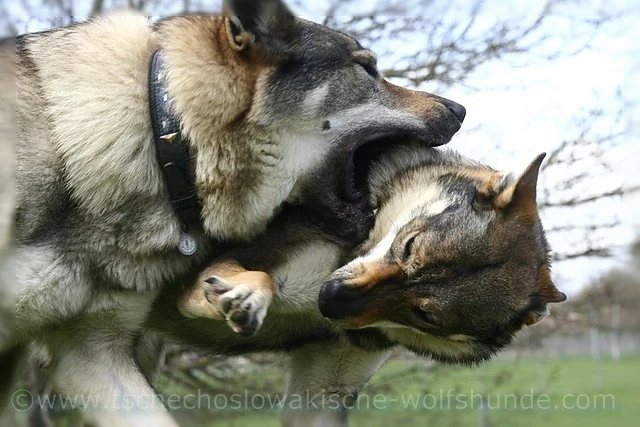
The dense coat should be brushed regularly. Daily attention may be needed during shedding periods to remove loose undercoat. This can produce far more hair than a brief look at the close lying coat suggests. Paws, skin and ears should also be checked after exploring grass and undergrowth.
Nails and teeth belong in routine care. Dog toothpaste is suitable for brushing the teeth. Gentle practice with paw handling, brief ear checks and brushing should begin early. A dog familiar with these touches is easier to care for during examinations or treatment of minor injuries.
Size and build
A puppy needs brief, positive experiences with different people, places and everyday sounds, with time to absorb new impressions quietly. Becoming comfortable with travel, grooming and care arrangements matters alongside games together. Long runs beside a bicycle and repeated high jumps should wait until physical maturity.
Practice in manageable everyday situations remains useful beyond puppyhood. An adult could first take a walk along a quiet route with a prospective carer before staying with them for longer. This helps reveal where further support is needed.
In later life, exercise and search tasks should suit the dog’s stamina. Shorter routes can still offer plenty of interesting smells. Changes such as dragging the hind paws or stumbling more frequently should be investigated by a vet. Fellfolio can keep observations and brief progress notes alongside examination findings.
From puppy to senior: caring for your dog through every life stage ↗
Health
The American breed club specifies assessments including hip and elbow screening and genetic tests for degenerative myelopathy and inherited dwarfism. Before choosing a puppy, you should see the parents’ results and have their relevance to the pairing explained. X-ray assessments are important for hips and elbows. Hip dysplasia means the joint lacks sufficient stability and may develop painful changes.
Degenerative myelopathy involves gradual changes in nerve pathways within the spinal cord. Affected dogs may develop increasing coordination problems, particularly in the hind limbs. The genetic test detects a particular inherited variant. Having two copies increases the risk, but some dogs with this result never develop the disease. New movement problems need investigation because other causes can produce similar signs.
Inherited dwarfism involves impaired production of growth hormone. Affected puppies grow less than expected and may retain their puppy coat unusually long. Genetic testing helps breeders account for this inherited variant. Healthy carriers can pass it on without developing the growth disorder themselves.
Discussion of preventive health care should also cover heart and eye examinations and known illnesses in the family. The breeder should be able to explain which records are available for the particular pairing.
Lifespan
Life expectancy figures differ. The American Kennel Club lists twelve to sixteen years, while the American breed club lists twelve to fifteen.
Could this breed fit your life?
Could work well if …
- You have substantial time for shared outings, varied tasks and continued training.
- You have experience with demanding dogs and can organise suitable care.
- You can carefully manage fencing, walks and life with other animals.
What to consider
- Long daily absences fit poorly with its need for close contact.
- An ordinary garden fence may be climbed or dug underneath. Its construction should account for both.
- Its resemblance to a wolf should matter less than the care and occupation you can realistically provide.
Similar needs, different dogs.
Selected by shared size, activity, grooming and training characteristics.
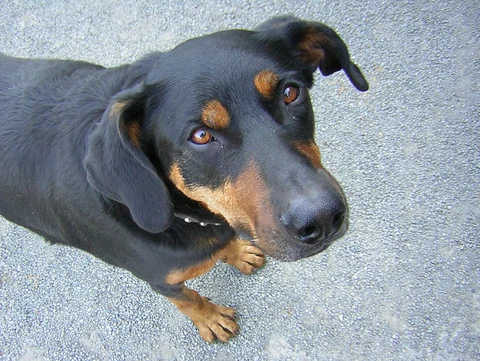
Herding dog
Beauceron
The Beauceron once herded and guarded flocks in France. This large, quick dog needs long outings and early practice with leads, visitors and life around children.
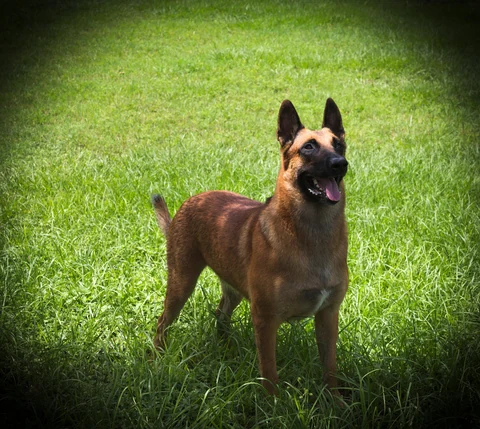
Herding dog
Belgian Malinois
The Malinois learns quickly, moves tirelessly and notices small changes around it. It suits people who can make daily time for training and calm guidance.
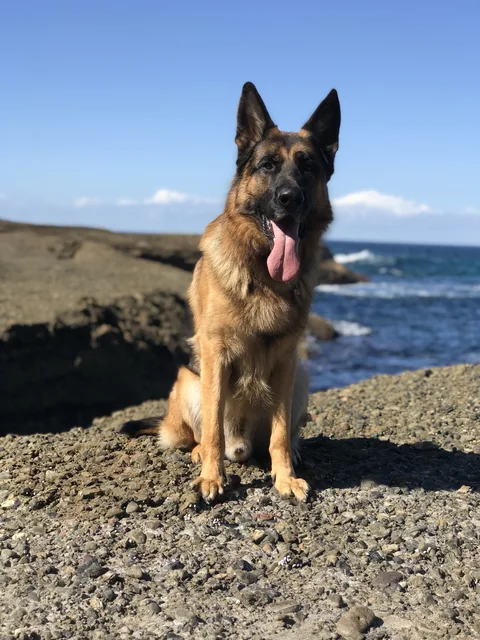
Herding dog
German Shepherd
The German Shepherd is a strong, enduring working dog with a keen nose and alert expression. It enjoys learning with its people, but daily life also calls for rest and a dependable way of handling visitors and other animals.
Sources and photograph credit
- Teaching your dog to be left alone
Used in this profile for: Staying home alone
- Canine Hip Dysplasia
Used in this profile for: Health
- Position Statements and Humane Dog Training
Used in this profile for: Everyday life
- Czechoslovakian Vlciak
Used in this profile for: Temperament, Everyday life, Day-to-day care, Lifespan, Could this breed fit your life?
- Czechoslovakian Vlcak Characteristics
Used in this profile for: Temperament, Everyday life, Size and build, Could this breed fit your life?
- Understanding Health Clearances
Used in this profile for: Health
- czech parent club health statement
Used in this profile for: Health, Lifespan
- Czechoslovakian Wolfdog FCI international standard
Used in this profile for: Size / Weight, Temperament, Day-to-day care
- Pituitary Dwarfism
Used in this profile for: Health
- Dental Disease in Dogs
Used in this profile for: Day-to-day care
- Exercising Your Puppy
Used in this profile for: Size and build
- Training Your Dog to Be Left Alone
Used in this profile for: Everyday life, Size and build
- Children and Dogs
Used in this profile for: Temperament
- Train Your Dog to Come When Called
Used in this profile for: Everyday life
- Degenerative Myelopathy
Used in this profile for: Health
Photo credits
Side view · Czambor jesień.jpg · wilczakrew · CC BY-SA 3.0 · Edited

Coat and features · Czechoslovakian Wolfdog portrait.jpg · Gerej · CC BY 2.0 · Edited

In action · Czechoslovakian Wolfdogs playing.jpg · Tlapka · CC BY-SA 3.0 · Edited

Everyday life · Eska der Tschechoslowakische Wolfhund auf einer Brücke.jpg · Hilti81 · CC BY-SA 3.0 · Edited
