 fellfolio
Pinscher
German Pinscher
The German Pinscher is a medium-sized, short-coated dog with plenty of energy and a keen interest in its surroundings. Its history includes guarding farms and catching rats. Today it needs people who enjoy being active with it and can support those quick reactions with reliable training.
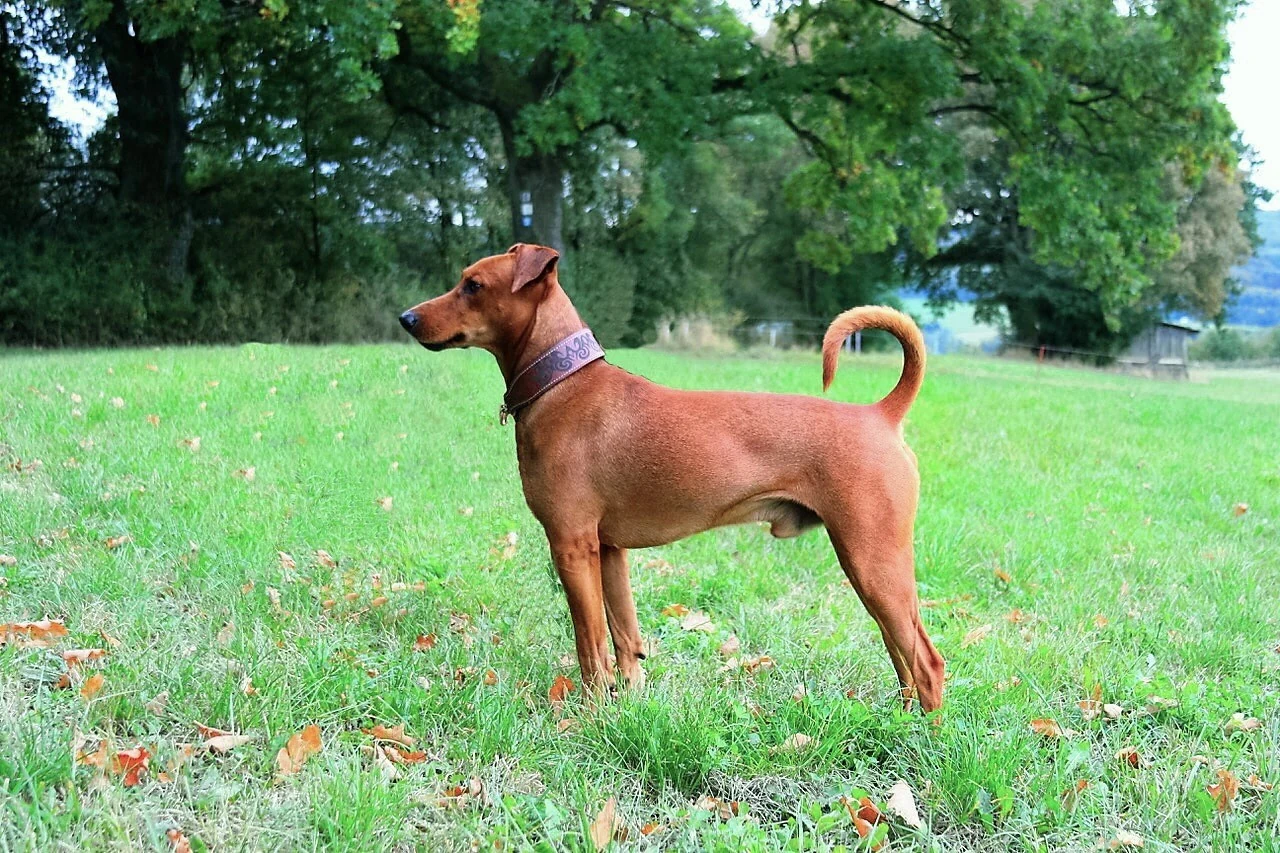
At a glance
- Size
- Medium
- Height at shoulder
- 45 to 50 cm
- Weight
- 14 to 20 kg
- Lifespan
- over 10 years
- Activity
- High
- Grooming
- Weekly
- Training
- Patience & clear guidance
- Owner experience
- Experience recommended
Alert, independent and interested in shared tasks
Rustling beside a path may interest a Pinscher more than its owners’ conversation. Its former work as a rat catcher helps explain why prey drive matters when choosing a household. Small pets such as rabbits or rats should not have unrestricted contact with the dog. Living with a cat that already knows dogs needs to be considered according to the individual animals involved.
A Pinscher can enjoy learning while also having ideas of its own. Clear, well-practised cues and tasks with an obvious reward can make working together worthwhile. Returning when called, waiting and walking on a loose lead provide useful foundations for outings. An attentive dog may also react to noises or visitors. Practising calm behaviour deserves a place alongside active games.
Everyday life
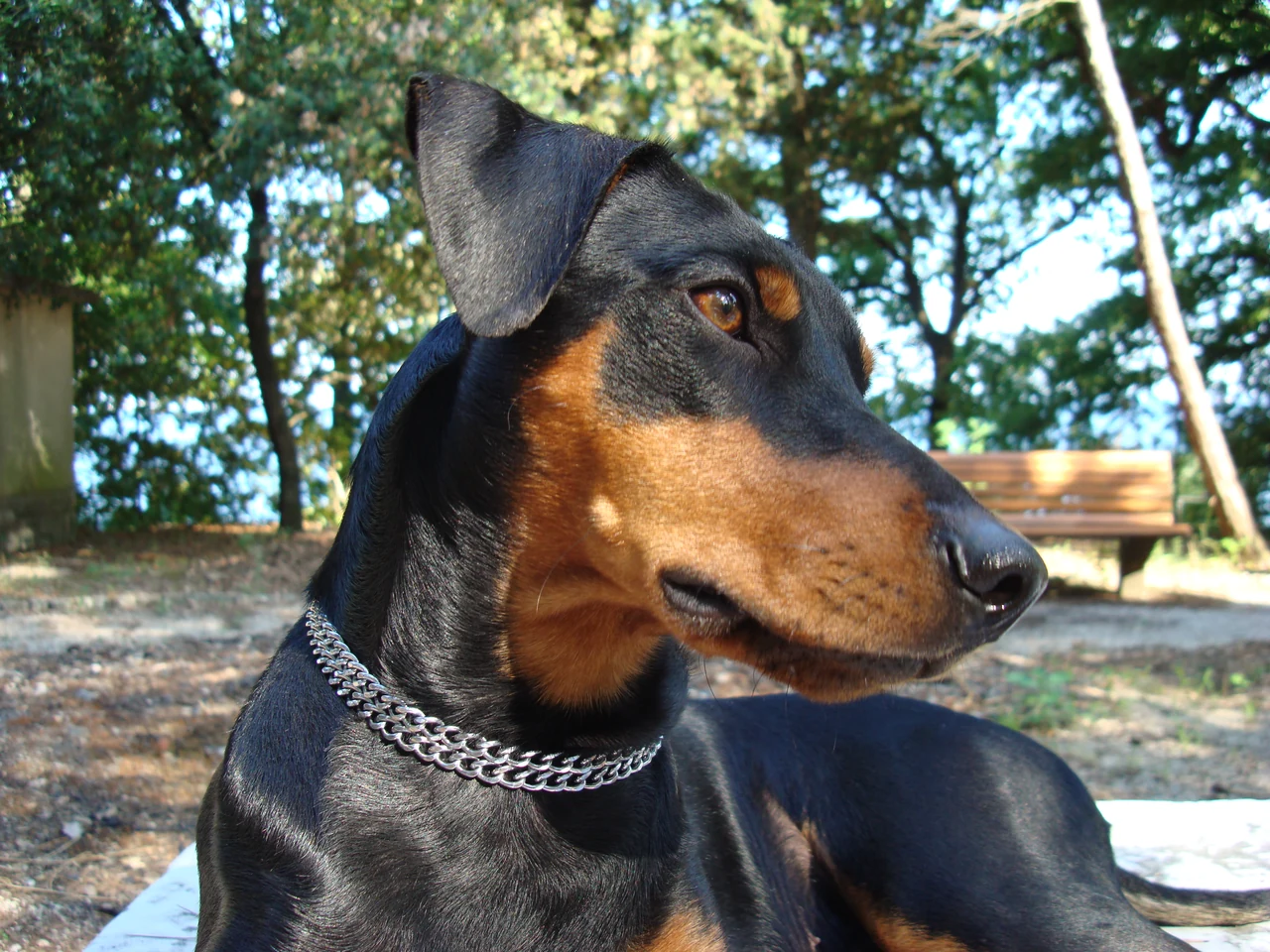
The UK’s Royal Kennel Club lists up to an hour of daily exercise as a broad breed guide for a healthy adult German Pinscher. The American breed club also describes an energetic dog that enjoys sporting activities. What happens during a walk matters as well as its duration. Sniffing, small searches and brief training exercises provide variety beyond covering the same route at the same pace.
A suitable agility class is one option if you would like to try dog sport. In agility, a person guides the dog through a course of obstacles. The activity and obstacles should suit the dog’s age and health. A simple game at home might involve finding a familiar toy after a short search. Off-lead walks need a reliable recall and a safe setting. Where wildlife may appear, a longer training lead attached to a harness can provide room to explore while keeping the dog with you.
Staying home alone
Dogs learn to stay home alone in small steps. The RSPCA advises no more than four hours at a time. Puppies and dogs that become unsettled when left alone need shorter absences and gradual practice. Arrange someone to care for your dog when you will be away longer.
Everyday dog training: recall, a loose lead and clear communication ↗
Day-to-day care
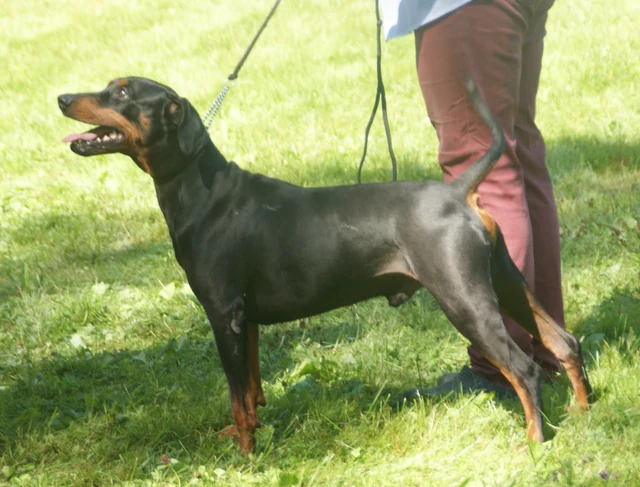
The close-fitting, short coat keeps grooming straightforward. Weekly brushing removes loose hair and gives you a chance to look at the skin. A short-coated Pinscher still sheds, so easy coat care does not mean a home without dog hair. After outings, checking paws and coat can reveal injuries or trapped plant material.
Folded ears and a natural, undocked tail are characteristic features of the breed. Regular toothbrushing with dog toothpaste and checking nail length also belong in the care routine. A puppy should learn to accept brief touches and examinations gradually, through short, comfortable sessions.
Size and build
The German Pinscher and the Schnauzer share ancestors. Smooth-coated and wire-coated dogs once came from the same lines. The wire-coated form developed into the Schnauzer, while the German Pinscher retained its short coat. The breed was already recorded in the German studbook in 1880.
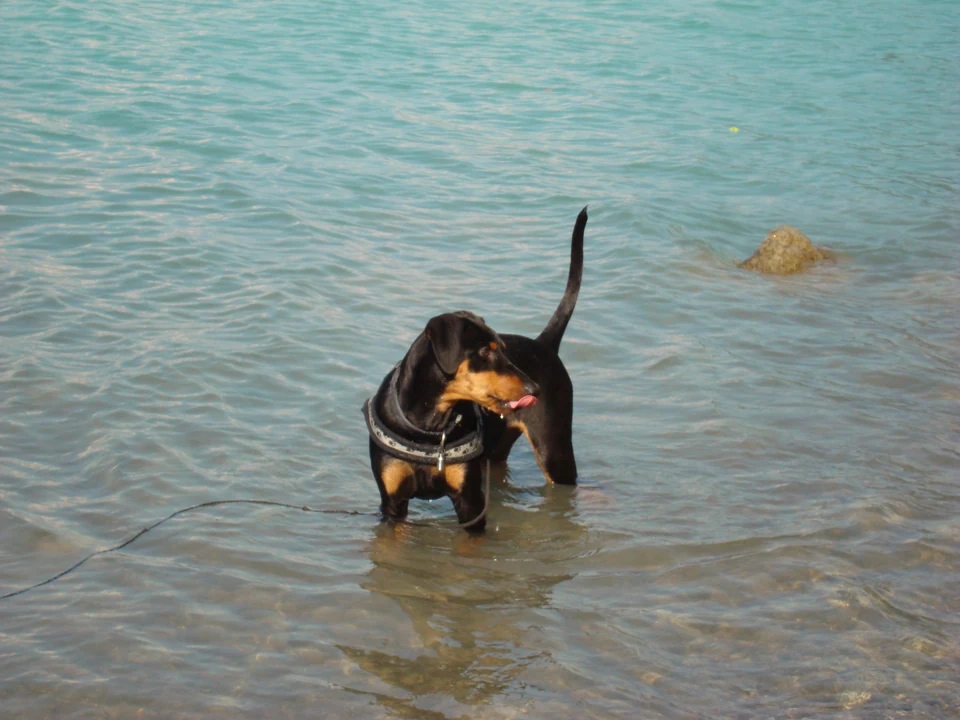
The international standard of the Fédération Cynologique Internationale, or FCI, the federation of national kennel clubs, specifies 45 to 50 cm in height and 14 to 20 kg in weight for both sexes. Height is measured in a standing dog to the highest point of the shoulders. This is a distinct medium-sized breed, rather than an oversized Miniature Pinscher or a small Dobermann. Its muscular, almost square body is as much a part of its appearance as its short coat.
From puppy to senior: caring for your dog through every life stage ↗
Health
Before getting a dog, health records deserve the same care as checking its background. The German Pinscher Club of America recommends eye, hip and cardiac assessments. Its cardiac assessment includes ultrasound. The German Pinscher Club in the UK also lists testing for von Willebrand disease among its breeding requirements. This condition can impair blood clotting and cause excessive bleeding after an injury.
Hereditary cataract is among the eye conditions discussed by the British club. A cataract is clouding of the eye’s lens that can affect vision. The DNA test for von Willebrand disease identifies a risk affecting blood clotting. An eye examination checks the condition of the eyes and cannot be replaced by that test. The documents should identify the actual results and the requirements of the relevant breed club.
The Royal Kennel Club gives a lifespan of over ten years as a general guide. If your dog starts stumbling, seems unable to see as well, limps or bleeds unusually heavily, the cause should be assessed by a vet.
Could this breed fit your life?
Could work well if …
- People who want an alert, active dog and enjoy regular training together.
- A household prepared to work on recall, visitor routines and possible chasing behaviour.
- Owners who want straightforward grooming but have time for activity and reliable care.
What to consider
- Medium size should not be mistaken for a low need for activity and engagement.
- Small pets need secure physical separation from the dog.
- When buying a puppy, the health assessments actually carried out should be documented.
Similar needs, different dogs.
Selected by shared size, activity, grooming and training characteristics.
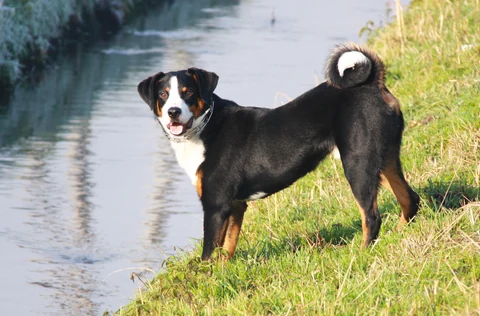
Swiss cattle and watchdog
Appenzeller Mountain Dog
The Appenzeller Mountain Dog is easy to recognise by its tricolour coat and tightly curled tail. Behind that cheerful appearance is an attentive Swiss working dog. It enjoys activity, learns quickly and notices changes around it. This breed suits people who want to spend time outdoors with their dog every day and can help it cope calmly with visitors and events at home.
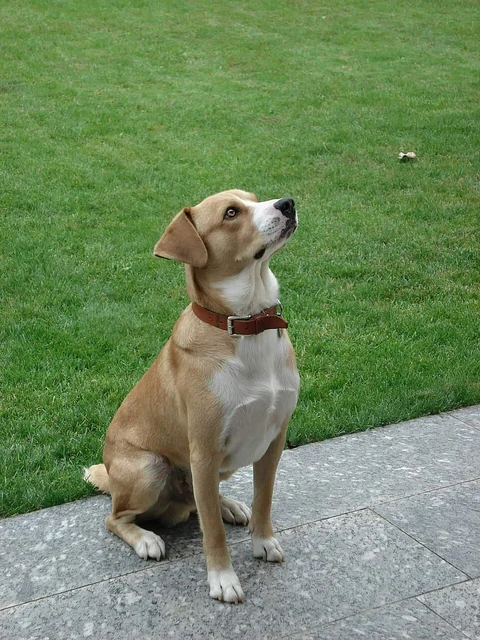
Austrian farm and companion dog
Austrian Pinscher
The Austrian Pinscher is a lively farm dog that enjoys accompanying familiar people and notices visitors attentively. Its short to medium-length coat is relatively straightforward to maintain. Exercise, shared activities and calm guidance of its guarding behaviour require more time. Meeting adult dogs helps show whether its watchfulness and temperament could suit your daily life.
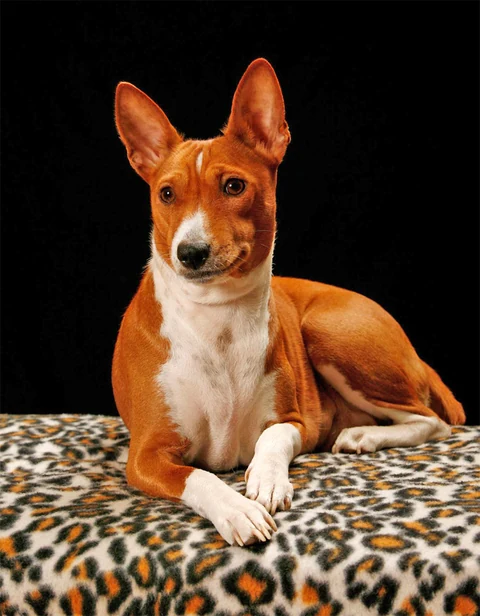
Hound
Basenji
The Basenji rarely barks but can make yodelling sounds. Outside, it may follow a scent or moving animal at speed, so off-lead running calls for secure fencing.
Sources and photograph credit
- Teaching your dog to be left alone
Used in this profile for: Staying home alone
- Humane Dog Training Position Statement
Used in this profile for: Temperament, Everyday life
- Von Willebrand Disease
Used in this profile for: Health
- About German Pinschers
Used in this profile for: Temperament, Everyday life, Could this breed fit your life?
- German Pinscher Health
Used in this profile for: Health
- German Pinscher
Used in this profile for: Everyday life, Day-to-day care, Health, Lifespan, Could this breed fit your life?
- FCI Standard No. 184: German Pinscher
Used in this profile for: Size / Weight, Day-to-day care, Size and build
- Activities
Used in this profile for: Everyday life
- Character and Temperament
Used in this profile for: Temperament, Could this breed fit your life?
- Mandatory Breeder Health Tests
Used in this profile for: Health
- Keeping Children Safe Around Dogs
Used in this profile for: With children
- Dog Health and Welfare
Used in this profile for: Day-to-day care, Health
- Looking After Your Dog’s Teeth
Used in this profile for: Day-to-day care
Photo credits
Portrait · File:Benny von den Spessartwaechtern.jpg · Stesi-cliff · CC BY-SA 4.0 · Edited

Coat and features · File:Deutscher Pinscher - Charmeur Nyack von BC 1.JPG · Babsi B. · CC BY-SA 3.0 · Edited

Everyday life · File:GermanPin.jpg · Canarian · CC BY-SA 4.0 · Edited

Everyday life · File:Deutscher Pinscher - Swimming-Time.JPG · Babsi B. · CC BY-SA 3.0 · Edited
