 fellfolio
Retriever
Flat-Coated Retriever
The Flat-Coated Retriever enjoys searching and retrieving. Young dogs often greet people exuberantly, so daily walks and scent games go together with practising calmer arrivals.
At a glance
- Size
- Large
- Height at shoulder
- 56 to 61 cm
- Weight
- 25 to 36 kg
- Lifespan
- under 10 yearsUK Royal Kennel Club breed profile
- Activity
- Very high
- Grooming
- Weekly
- Training
- Often cooperative
- Owner experience
- First dog with support
Ready to join in
The Flat-Coated Retriever was developed in Britain for work after the shot: finding game, picking it up and bringing it back to its handler. Many Flatcoats keep a playful manner well into adulthood. That makes them entertaining companions, but a young dog will not automatically greet visitors calmly or leave a favourite toy on the first request.
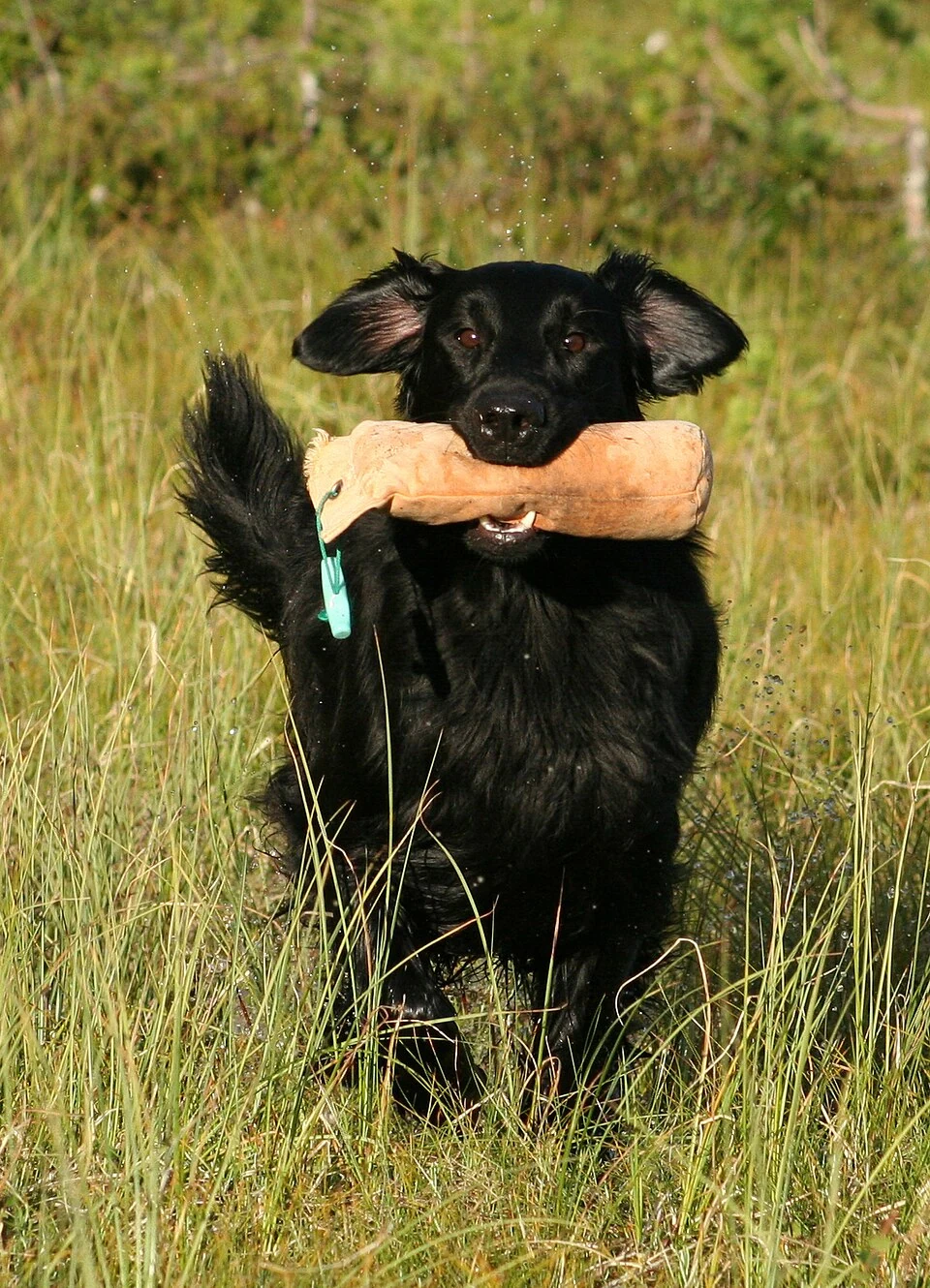
Practise retrieving with a familiar toy. Let the dog find it, call it back and reward it for letting go; then start another round. Chasing becomes a game with a beginning and an end. Flatcoats often enjoy working with people. Supervise children throughout the game and only start once everyone is ready and has enough space. If the dog becomes too boisterous, stop for a quiet break.
Everyday life
The British breed guide rates the Flatcoat's exercise needs as high. Plan long walks, time to sniff and brief searching or retrieving games. A visit to safe water may be welcome; check the entry point and keep an eye on the dog. A retriever still eager after ten throws does not necessarily need an eleventh. Balance movement with slower scent games and breaks.
Recall and willingly releasing a toy are particularly useful everyday skills. Practise both in a quiet setting before taking them outside. Use a sturdy toy too large to fit entirely inside the dog’s mouth, and replace it if parts become loose or break off. If you are regularly out for long stretches, arrange care. A dog that values company and shared activities should learn to spend time alone gradually, not be left for full days without preparation.
Staying home alone
Dogs learn to stay home alone in small steps. The RSPCA advises no more than four hours at a time. Puppies and dogs that become unsettled when left alone need shorter absences and gradual practice. Arrange someone to care for your dog when you will be away longer.
Day-to-day care
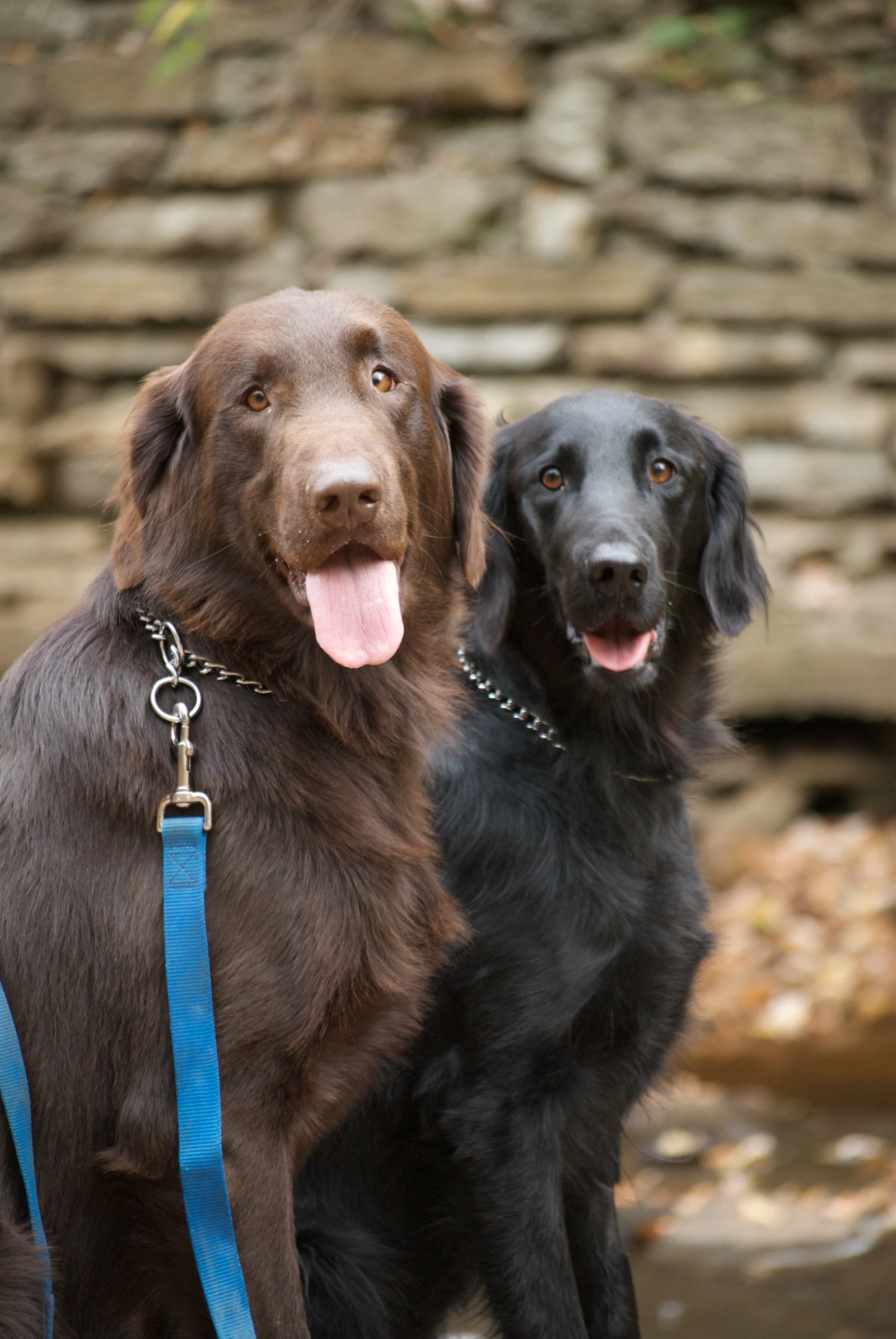
The coat lies as flat as possible along the body, with longer feathering on the legs and tail. A thorough weekly brush and comb is a good start; check it again after woodland walks or swimming. Knots and small pieces of vegetation can lodge behind the ears and in the longer leg hair.
Dry a wet coat right through its longer sections and look at the ears after water activities. The American Kennel Club advises regular checks for signs of ear infection. Redness, an unpleasant smell or repeated head shaking deserve a vet examination.
Size and build
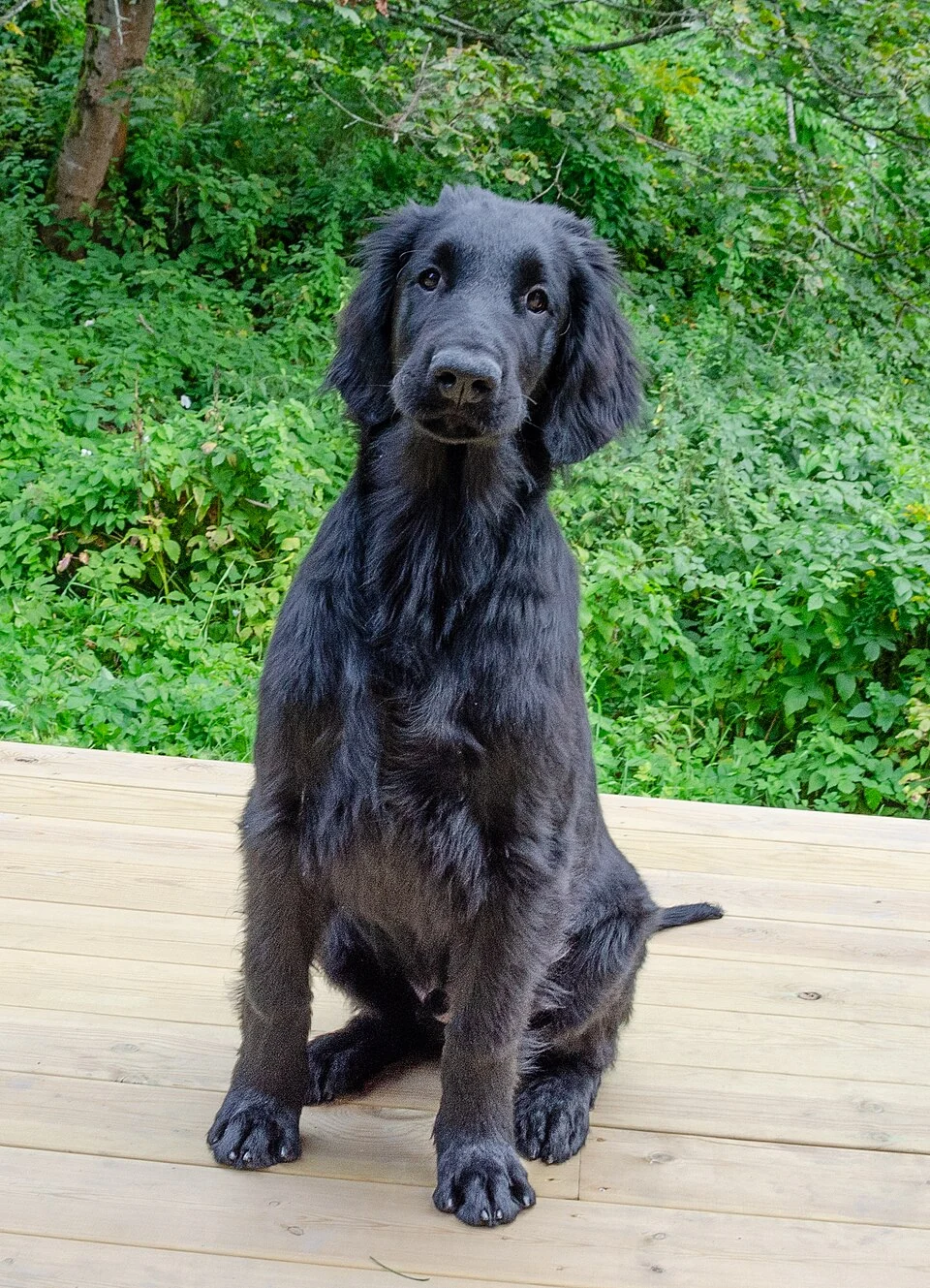
The Flatcoat is a medium-to-large, athletic retriever. Its head is long and cleanly shaped, with small ears lying close to the sides. The chest is deep and forelegs straight; the back and legs provide power without heaviness. A straight tail and free, flowing movement are part of its outline. The dense coat should lie fairly flat, with feathering on the legs and tail. The British standard recognises black and liver.
For males, the standard gives 58 to 61 cm at the shoulder and 27 to 36 kg in hard condition; for females, 56 to 58 cm and 25 to 32 kg. You should be able to see or feel a waist in an adult dog. Its athleticism appears in easy movement and sound muscle, not excess weight.
Health
Cancer is an important health concern in Flat-Coated Retrievers. The American breed club reports cancers affecting connective tissues, the lymphatic system and certain immune cells. There is no simple breeding test that rules out cancer. Ask a breeder whether cancers have been diagnosed in the parents, their siblings or dogs from earlier litters. A new lump is not automatically cancer, but have it checked promptly, especially if it grows or changes.
The Royal Kennel Club also recommends eye screening and hip and elbow X-rays for breeding dogs. Eye screening includes the drainage angle, the area through which fluid leaves the eye. An abnormal angle can obstruct drainage and increase the risk of dangerously high pressure inside the eye. The American breed club additionally asks for kneecap checks. Ask to see and understand the results. Repeated lameness, sudden squinting or obvious pain are reasons to visit a vet.
Could this breed fit your life?
Could work well if …
- You enjoy long walks and want to practise searching and retrieving with your dog.
- You like a lively companion and can plan for coat care and regular health checks.
May be more difficult if …
- You expect a large young dog to settle with little exercise or training.
- You need a highly predictable health outlook and could not manage the extra veterinary costs of a serious illness.
Similar needs, different dogs.
Selected by shared size, activity, grooming and training characteristics.
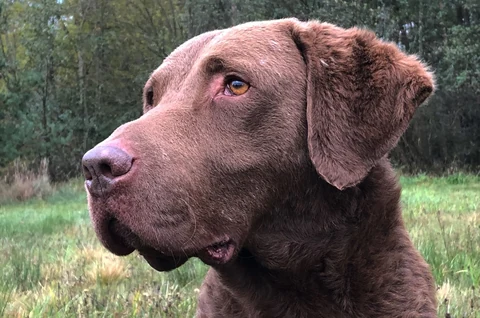
Water retriever
Chesapeake Bay Retriever
A strong, water-loving retriever with an oily, weather-resistant coat. The Chesapeake enjoys searching and bringing objects back from water, and bonds closely with its people. It may be more reserved with strangers than other retrievers.
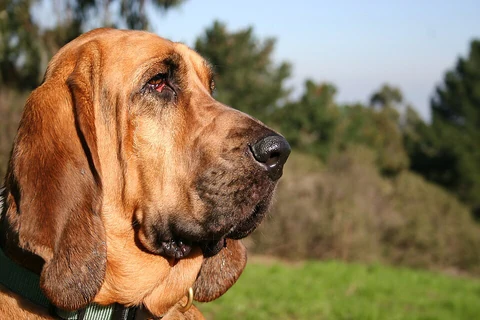
Scent hound
Bloodhound
The Bloodhound follows scent with remarkable persistence. Often friendly and calm at home, it needs time to sniff and safe handling outdoors.
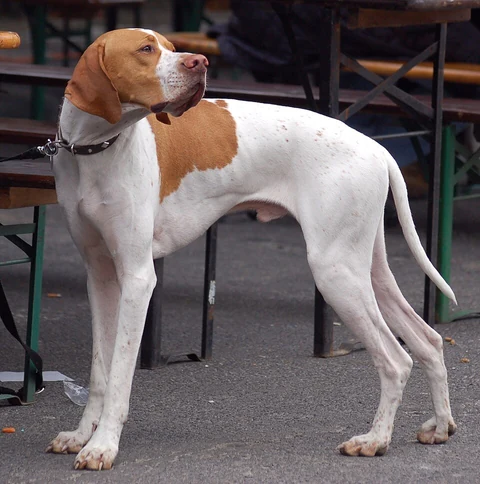
Pointer
Pointer
The Pointer ranges widely to find gamebirds, then stands still to show where they are. Its short coat is easy to care for, but it needs plenty of daily exercise.
Sources and photograph credit
- Teaching your dog to be left alone
Used in this profile for: Staying home alone
- Flat-Coated Retriever dog breed information
Used in this profile for: Everyday life, Day-to-day care, Health, Could this breed fit your life?
- Flat-Coated Retriever Society of America health statement
Used in this profile for: Health
- Retriever (Flat Coated), Breeds A to Z
Used in this profile for: Temperament, Everyday life, Health, Lifespan, Could this breed fit your life?
- Retriever (Flat Coated) breed standard
Used in this profile for: Size / Weight, Temperament, Day-to-day care, Size and build
- Flat-Coated Retriever
Used in this profile for: Health
Portrait · Flat-Coated Retriever front · Peulle · CC BY-SA 4.0 · Edited

In action · Flat Coated Retriever retrieving · Gunnandreassen · CC BY-SA 3.0 · Edited

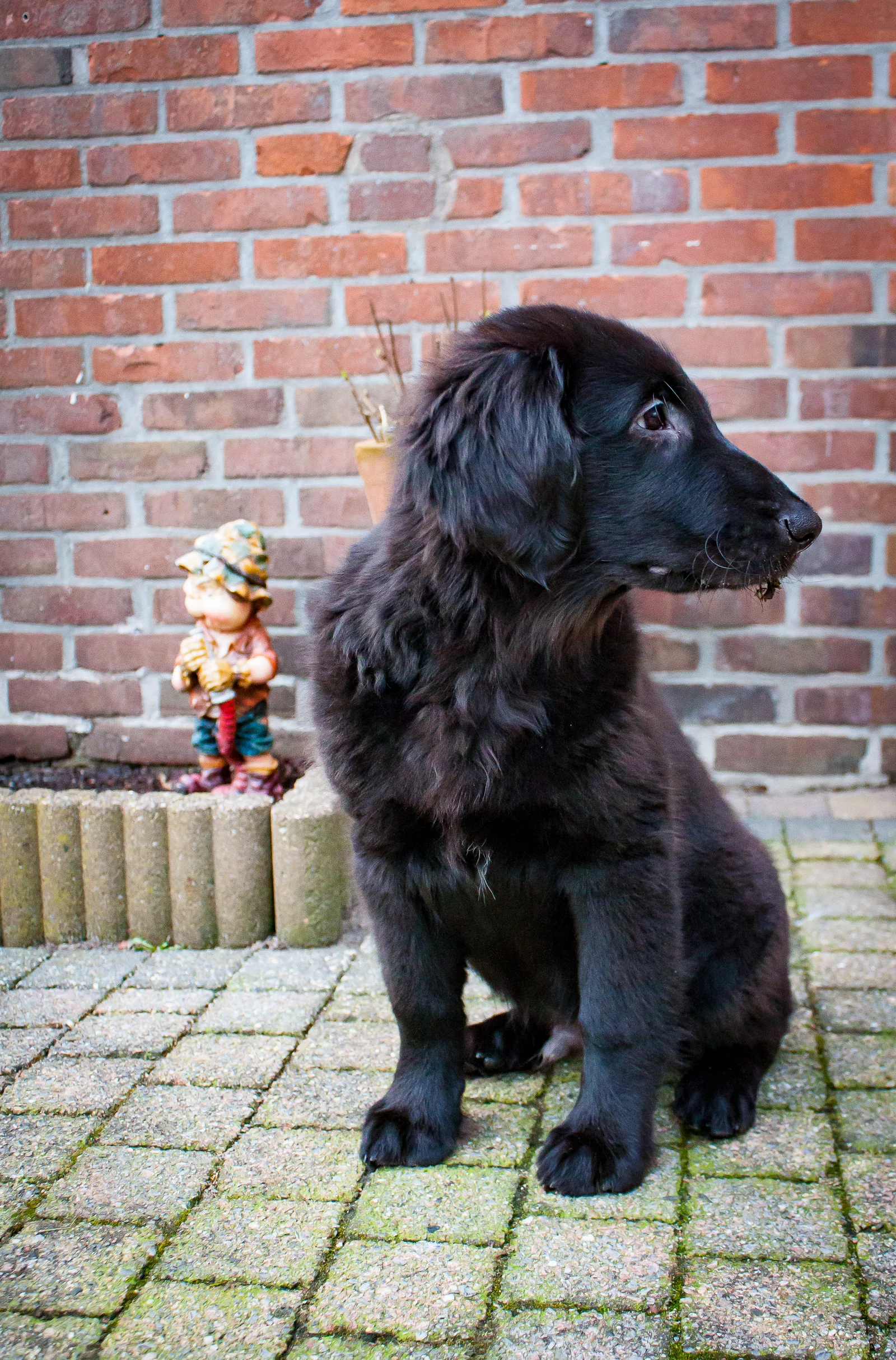
Puppy · Puppy flatcoated retriever · Sandra Vos · CC BY 2.0 · Edited
Coat and features · River and Bear · Pete Markham · CC BY-SA 2.0 · Edited
