 fellfolio
Pointer
Pointer
The Pointer ranges widely to find gamebirds, then stands still to show where they are. Its short coat is easy to care for, but it needs plenty of daily exercise.
At a glance
- Size
- Large
- Height at shoulder
- 61 to 69 cm
- Weight
- 20 to 35 kg
- Lifespan
- over 12 yearsUK Royal Kennel Club breed profile
- Activity
- Very high
- Grooming
- Weekly
- Training
- Patience & clear guidance
- Owner experience
- First dog with support
Finding birds and holding a point
The Pointer was bred to locate game birds across open ground. When it fixes on a scent, it may stand almost motionless and point its body towards the bird. This behaviour gave the breed its name.
Many Pointers are friendly and settled indoors when they have had enough to do outside. They enjoy working with people, but fresh game scent can be more compelling than a newly learned cue. Start recall and stop cues early in quiet places, then practise with birds at a distance. Supervise lively play with children.
Everyday life
The UK veterinary charity PDSA advises ideally more than two hours of daily exercise. A Pointer needs long outings with room to move freely and steadily. Secure enclosed areas or carefully managed off-lead places are valuable for this. Try a search for a hidden toy instead of repeatedly throwing a ball.
Where hare or birds are common, a long line may be wiser than risky off-lead exercise. Build in water and rest after activity. A large garden cannot replace shared walks where the dog can run and investigate scents.
Staying home alone
Dogs learn to stay home alone in small steps. The RSPCA advises no more than four hours at a time. Puppies and dogs that become unsettled when left alone need shorter absences and gradual practice. Arrange someone to care for your dog when you will be away longer.
Day-to-day care
The short, smooth coat usually needs only a weekly brush. A damp cloth removes light dirt. Pointers still shed. After fields and meadows, look at the feet, between the toes and around the ears so small cuts or plant debris do not go unnoticed.
A lean outline should still carry muscle. Feel the ribs and muscle regularly and discuss substantial weight changes with a vet; plenty of exercise does not automatically prevent poor body condition.
Size and build
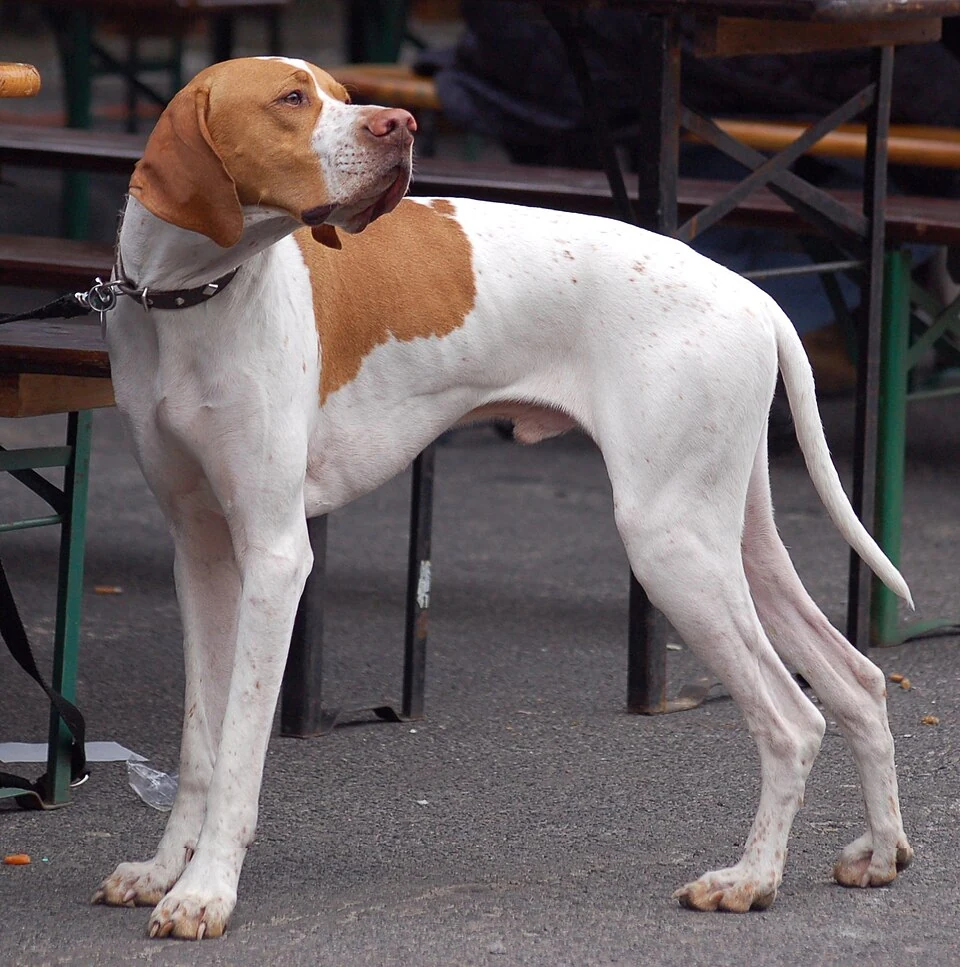
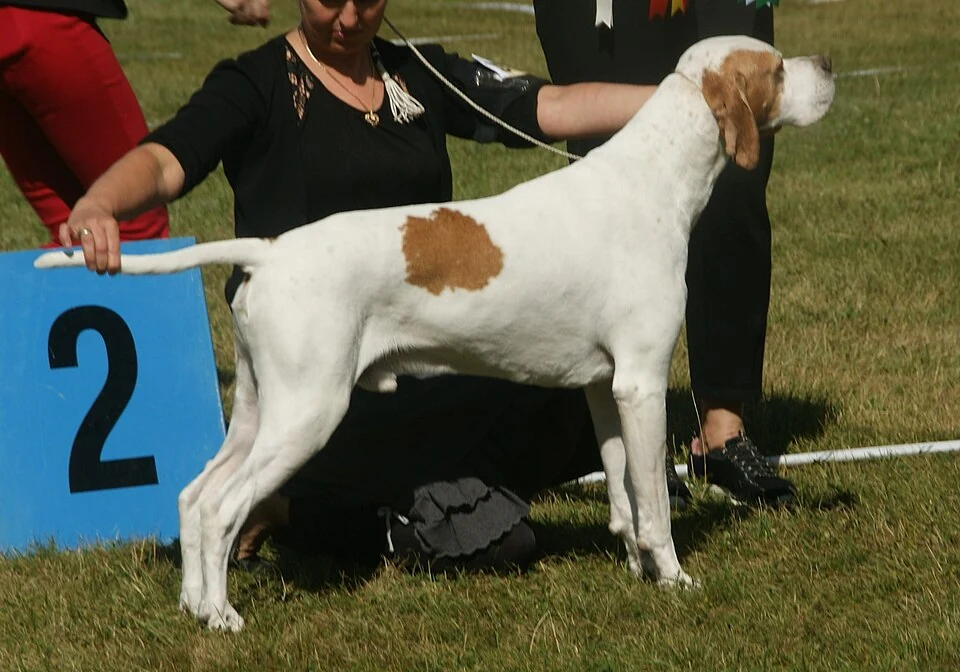
The Pointer is long-legged and deep-chested, clearly built for sustained running. The British standard gives 63 to 69 cm at the shoulder for males and 61 to 66 cm for females; PDSA gives a wide weight guide of around 20 to 35 kg. Wide nostrils, a slightly concave muzzle and a short, glossy coat are characteristic.
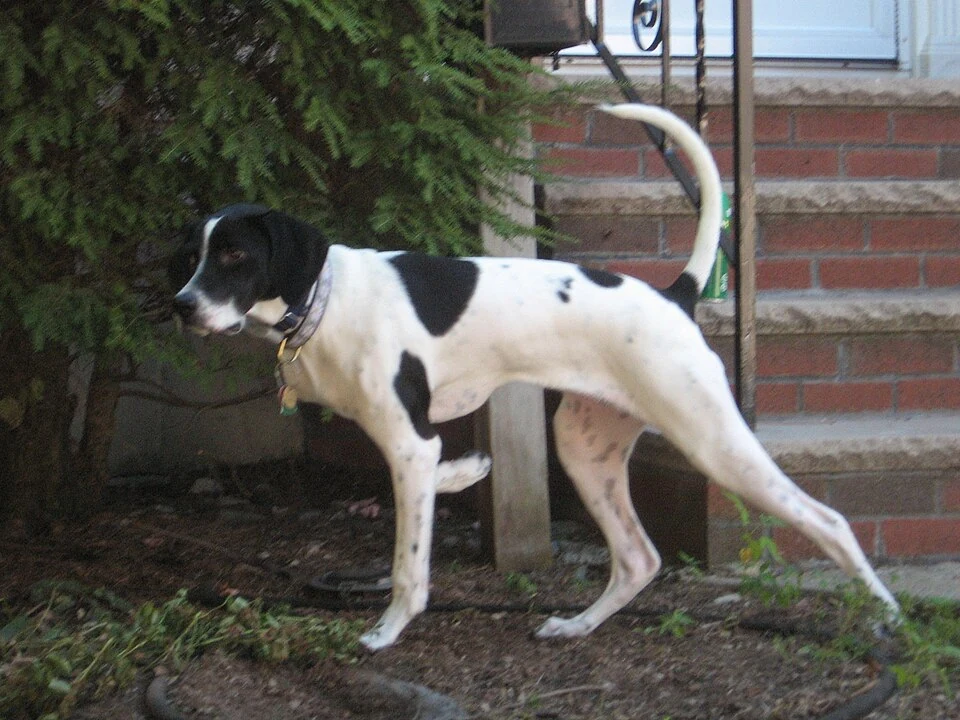
The coat is often white with larger or smaller black, liver, orange or lemon patches. Marking matters less than a free, powerful stride. A Pointer should look athletic rather than stiff or heavy.
Health
Hip dysplasia, abnormal development of the hip joint, is among the reported risks, and the Royal Kennel Club recommends hip grading in breeding dogs. PDSA also lists eye problems including progressive retinal atrophy, which gradually damages vision, and cataracts, a clouding of the lens. Inward-turning eyelids and hypothyroidism, meaning too little thyroid hormone, are also reported. Ask about the parents’ results and have eye changes or unexplained low energy checked.
Gastric dilatation-volvulus, in which the stomach swells and twists, can occur in deep-chested dogs. Unproductive retching, marked agitation or a tight abdomen needs immediate emergency veterinary care.
Could this breed fit your life?
Could work well if …
- You enjoy long outdoor days and can combine running with nose work.
- You want a friendly, athletic dog and will practise recall consistently.
May be more difficult if …
- You can offer only brief city walks.
- Wildlife-rich paths with no secure alternative are your only exercise option.
Similar needs, different dogs.
Selected by shared size, activity, grooming and training characteristics.
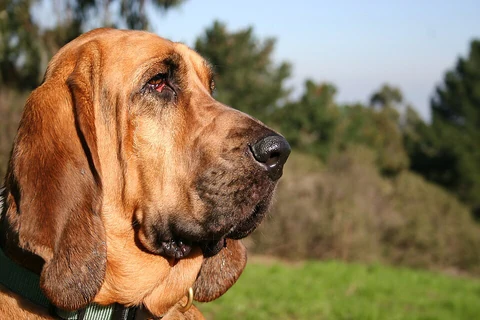
Scent hound
Bloodhound
The Bloodhound follows scent with remarkable persistence. Often friendly and calm at home, it needs time to sniff and safe handling outdoors.
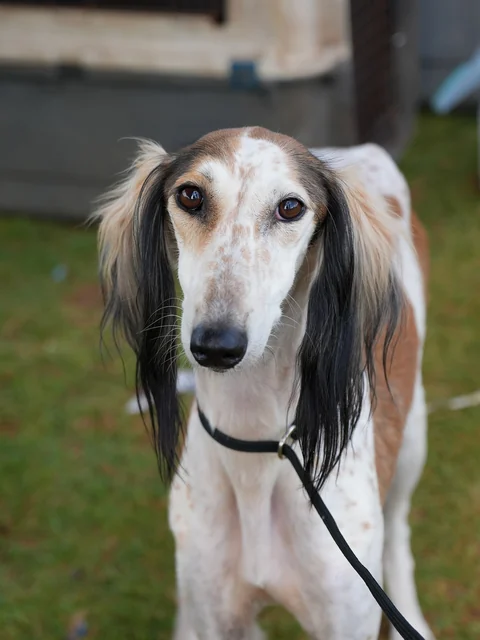
Sighthound
Saluki
A light, enduring sighthound from the Middle East. Often gentle indoors, it becomes fast and alert to movement outside.
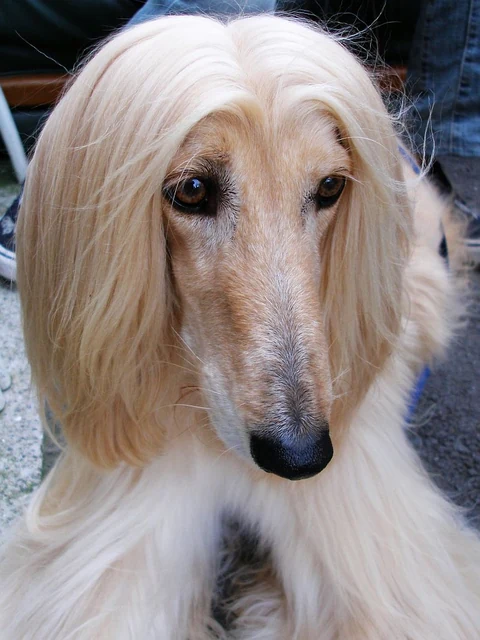
Sighthound
Afghan Hound
There is a fast hunting dog beneath the long silk coat. An Afghan Hound needs secure places to run and a substantial commitment to coat care.
Sources and photograph credit
- Teaching your dog to be left alone
Used in this profile for: Staying home alone
- Pointer breed information
Used in this profile for: Size / Weight, Temperament, Everyday life, Day-to-day care, Size and build, Health, Lifespan, Could this breed fit your life?
- Pointer, Breeds A to Z
Used in this profile for: Temperament, Everyday life, Day-to-day care, Size and build, Health, Lifespan, Could this breed fit your life?
- Pointer breed standard
Used in this profile for: Size / Weight, Temperament, Day-to-day care, Size and build, Lifespan, Could this breed fit your life?
Portrait · Pointer angielski LM · Lilly M · CC BY-SA 2.5 · Edited

Side view · EnglishPointer-redwhite · Canarian · CC BY-SA 4.0 · Edited

Holding a point · Daisy the English Pointer, pointing · J04n · CC BY-SA 3.0 · Edited

Young dog · Maggie; five months · global jet · CC BY 2.0 · Edited
