 fellfolio
Herding dog
Dutch Shepherd
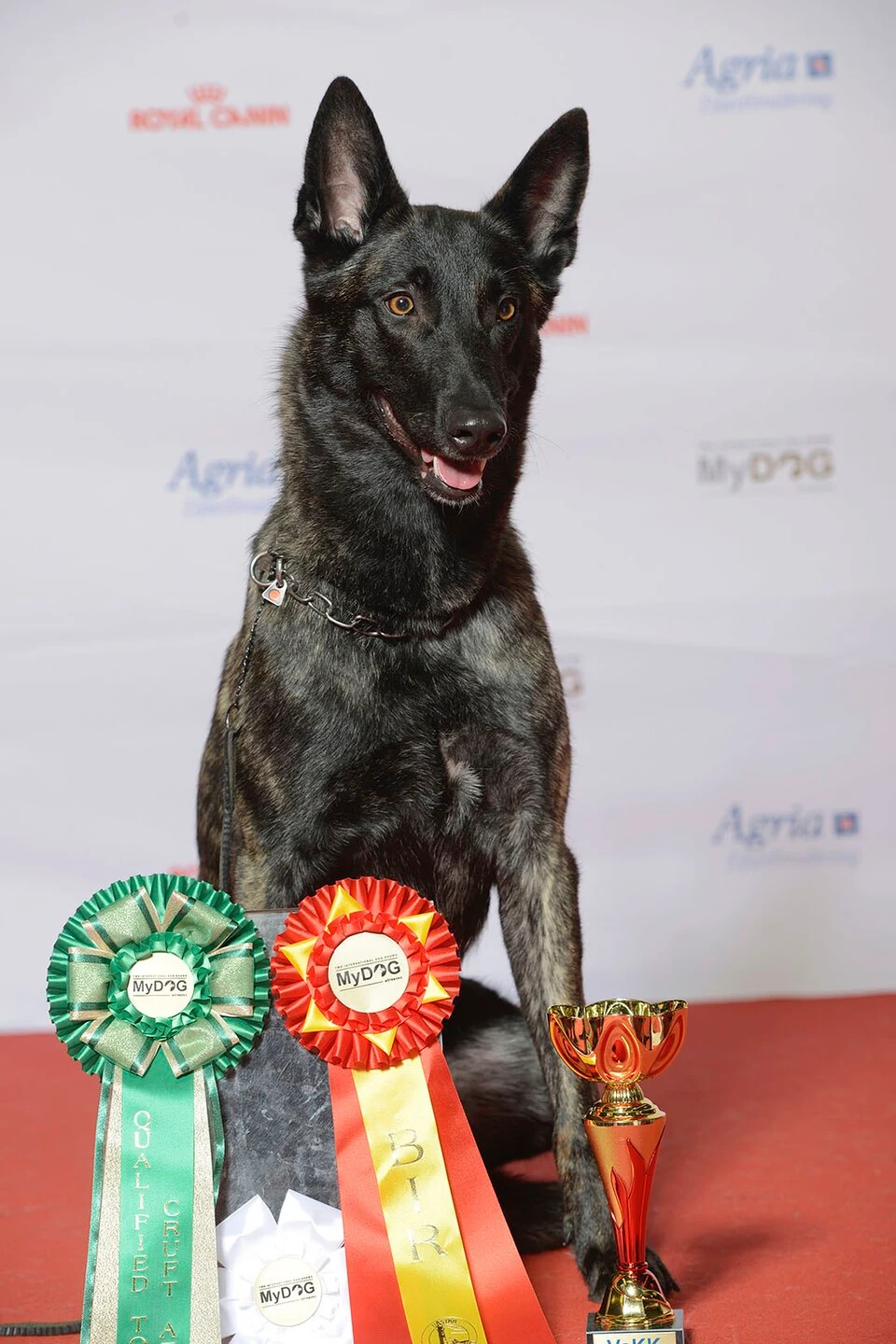
The Dutch Shepherd is an alert, active working dog with a striped coat known as brindle. Its short, long and rough coats differ markedly in grooming, and some health tests depend on the variety.
At a glance
- Size
- Medium
- Height at shoulder
- 55 to 62 cm
- Lifespan
- 11 to 14 yearsAmerican Kennel Club breed profile
- Activity
- High
- Grooming
- Several times weekly
- Training
- Demanding activities
- Owner experience
- Experience recommended
From field edges to family life
On Dutch farms these shepherds kept sheep away from cultivated fields, accompanied flocks and helped with other farm tasks. The FCI standard describes an alert, independent dog that still wants to work with its person. You may see both sides in training: it grasps a new task quickly and notices movement around it just as quickly.
Arrange early, pleasant meetings with people and dogs. If the dog alerts at every passer-by along a fence, teach a clear alternative: return to you, receive a reward and move away. Running children, other animals and frantic games need supervision so that the dog does not start controlling movement.
Everyday life
An adult Dutch Shepherd needs regular, varied outings and a chance to work with its person. A single minute target cannot describe every dog’s needs. Hide an object, let the dog search a short route and call it back. Tracking or a well-taught dog sport may also be a good fit.
Increase difficulty and pace gradually. Not every walk needs to become a training session: unhurried sniffing and breaks help the dog switch between work and rest. If you are considering a line bred for demanding work, ask exactly what daily life looks like for the parents.
Staying home alone
Dogs learn to stay home alone in small steps. The RSPCA advises no more than four hours at a time. Puppies and dogs that become unsettled when left alone need shorter absences and gradual practice. Arrange someone to care for your dog when you will be away longer.
Day-to-day care
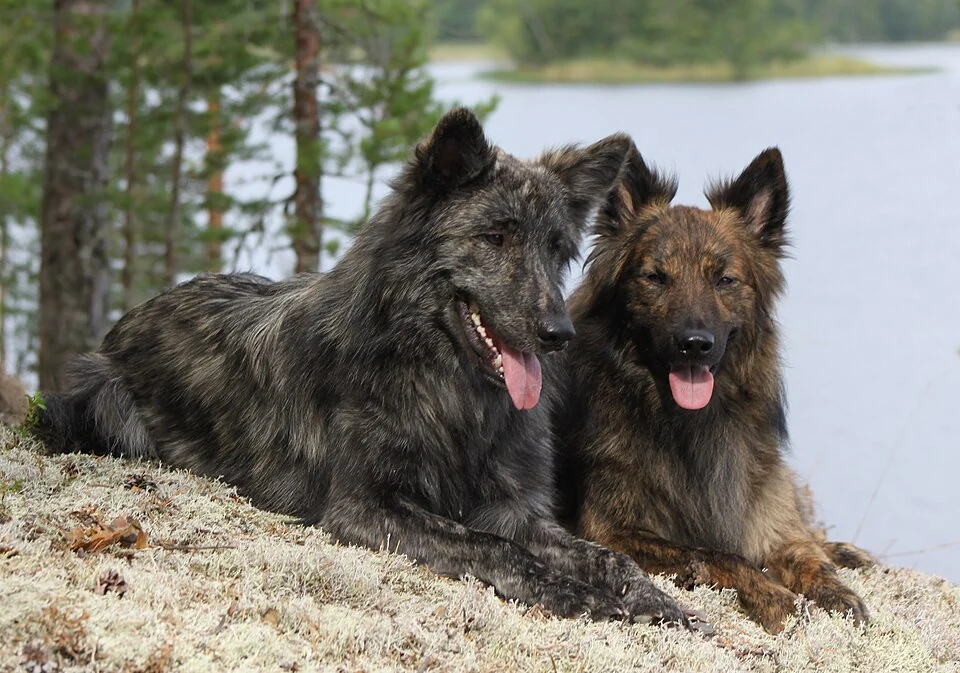
There are three coat varieties. The short coat needs regular brushing; the long coat also needs thorough combing behind the ears and along the feathering. On a rough-coated dog, skilled hand stripping removes dead hard hair; the FCI standard describes doing this roughly twice a year. Clipping changes the coat and is not the same thing.
All varieties have an undercoat and shed. Check between the toes after walks through long grass. Accustom a young dog to foot, ear and dental checks before it reaches adult strength and speed.
Size and build
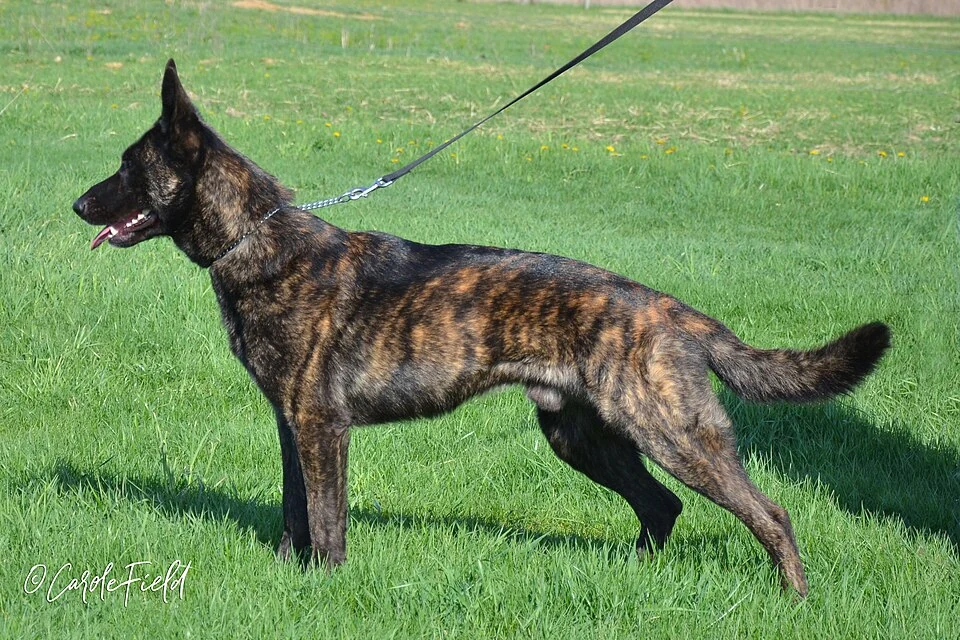
The Dutch Shepherd is medium-sized, muscular and slightly longer than tall. The FCI standard gives shoulder heights of 57 to 62 cm for males and 55 to 60 cm for females. Its smooth, easy trot reflects a past of travelling beside flocks. Upright ears and a firm, straight outline are characteristic.
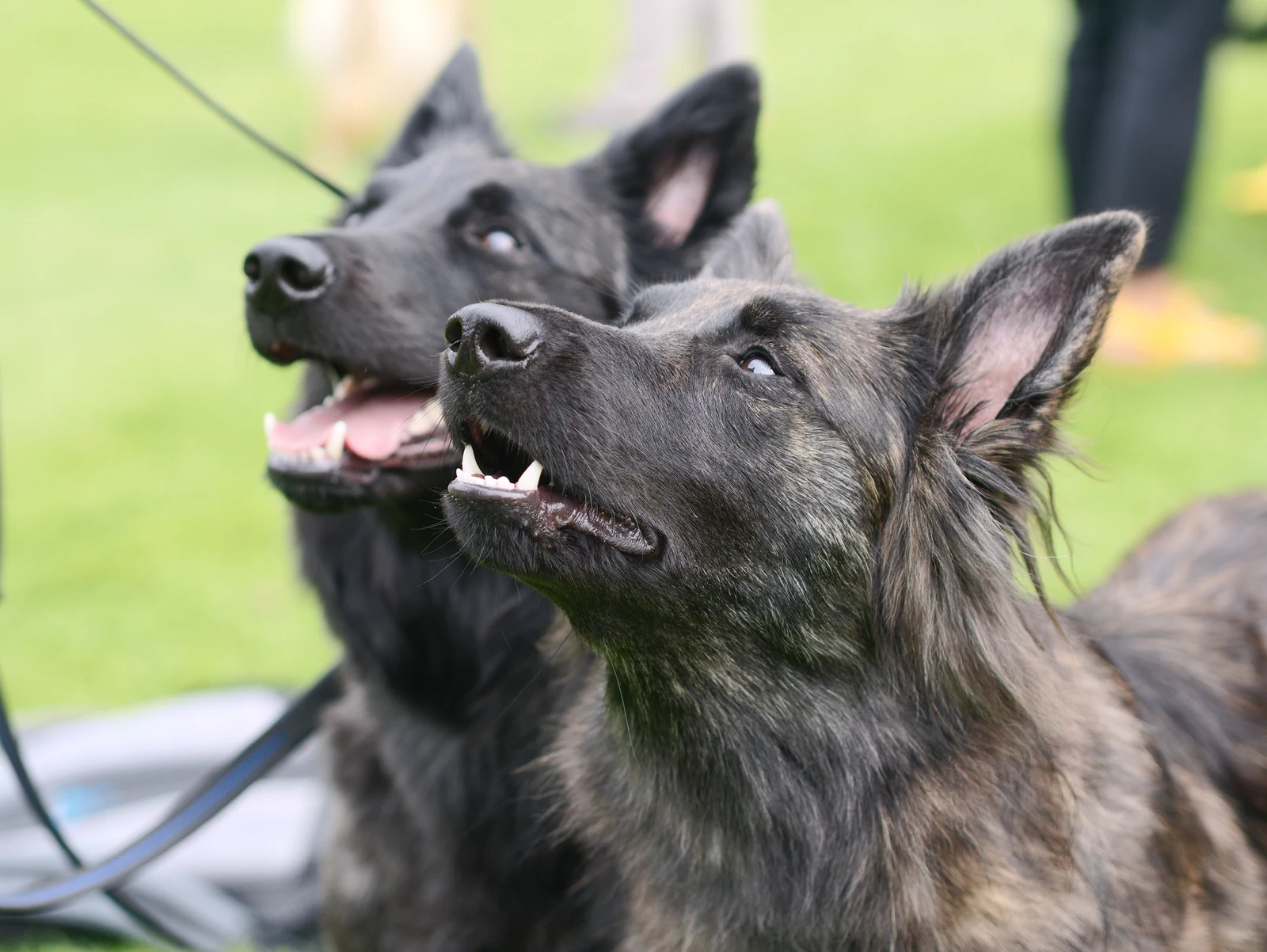
The coat is gold or silver brindle, lying close to the body, falling longer, or appearing rough and tousled according to variety. Brindle colour alone does not establish parentage. Look for a traceable pedigree as well as sound movement and the parents’ behaviour.
Health
The American Dutch Shepherd Association recommends hip and elbow assessments for all three coat varieties. Other checks differ by coat: short-haired breeding dogs may be tested for a cerebellar disorder that affects coordination; long-haired dogs for type 1 von Willebrand disease, which affects blood clotting, and thyroid function. For rough-haired dogs the club recommends an eye examination for goniodysgenesis. This change in the eye’s drainage angle can increase the risk of painful glaucoma. Ask which results apply to each parent.
An unsteady gait or repeated limping needs veterinary examination. Seek immediate help for persistent bleeding or a suddenly painful eye. Ask whether close relatives have had these problems as well.
Could this breed fit your life?
Could work well if …
- You want regular outdoor activity and training with a willing learner.
- You can investigate the breeding line and coat variety carefully.
May be more difficult if …
- You have little time on ordinary weekdays for walks, training and calmer activities.
- You cannot care for the chosen coat variety or see the parents’ relevant health results before taking a puppy.
Similar needs, different dogs.
Selected by shared size, activity, grooming and training characteristics.
Herding dog
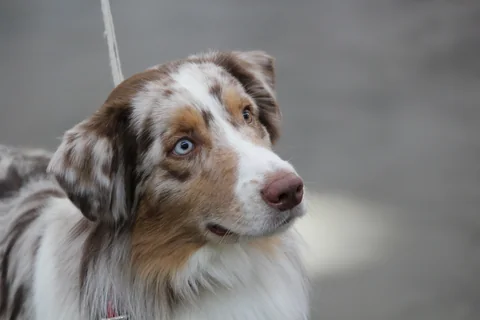
Australian Shepherd
Developed to herd livestock on ranches in the western United States, the Australian Shepherd likes to work closely with people and pays close attention to movement. Both traits still shape life with a family.
Herding dog
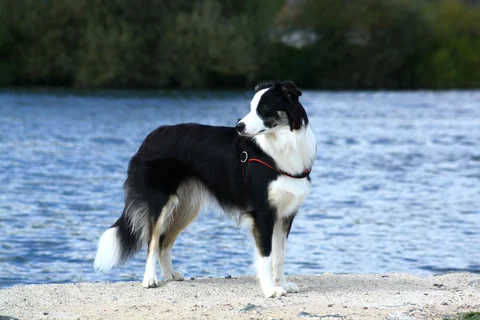
Border Collie
The Border Collie is a sheepdog from the border country of Britain. It learns quickly and notices movement at once. Its herding instinct can focus on bicycles and running children, so it needs space and calm practice around them.
Water dog and truffle finder
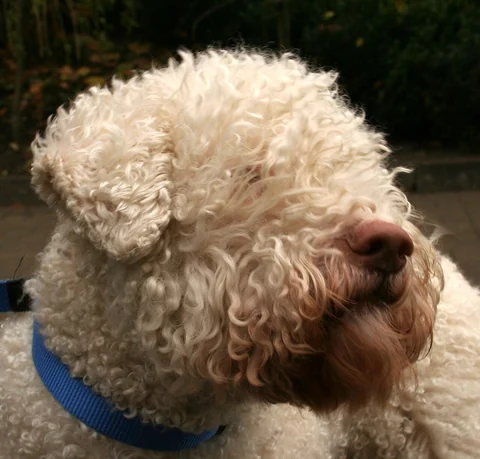
Lagotto Romagnolo
This curly dog from Romagna once retrieved waterfowl and is now famous for finding truffles, edible fungi that grow underground. Long walks, scent games and careful coat maintenance make up its daily routine.
Sources and photograph credit
- Teaching your dog to be left alone
Used in this profile for: Staying home alone
- Dutch Shepherd health recommendations
Used in this profile for: Temperament, Everyday life, Size and build, Health, Could this breed fit your life?
- Dutch Shepherd
Used in this profile for: Lifespan
- Dutch Shepherd Dog, FCI Standard No. 223
Used in this profile for: Size / Weight, Temperament, Everyday life, Day-to-day care, Size and build, Could this breed fit your life?
- Glaucoma in dogs
Used in this profile for: Health
- Glaucoma in Dogs
Used in this profile for: Health
Portrait · Grupp 1, HOLLANDSE HERDERSHOND, KORTHÅRIG, DK JV-14 DK UCH DK V-14 TJH(HV) Czylwiks Hilda (24227702661) · Johan Frick-Meijer / Svenska Mässan · CC BY 2.0 · Edited
_Czylwiks_Hilda_(24227702661).jpg)
Head and coat markings · Owczarek holenderski / Dutch Shepherd / Hollandse herder · Olgierd (Creative Commons licensed only) · CC BY 2.0 · Edited
The long-haired variety · Pitkäkarvainen hollanninpaimenkoira - Dutch Shepherd Dog longhaired · Lissunmusta · CC BY-SA 4.0 · Edited

Side view · Dash-Cher-Car's-Black-Gold-(LxJ-Mar-2014)-DSC 8059 · CaroleField · CC BY-SA 4.0 · Edited
-DSC_8059.jpg)