 fellfolio
Pinscher-type farm and companion dog
Danish-Swedish Farmdog
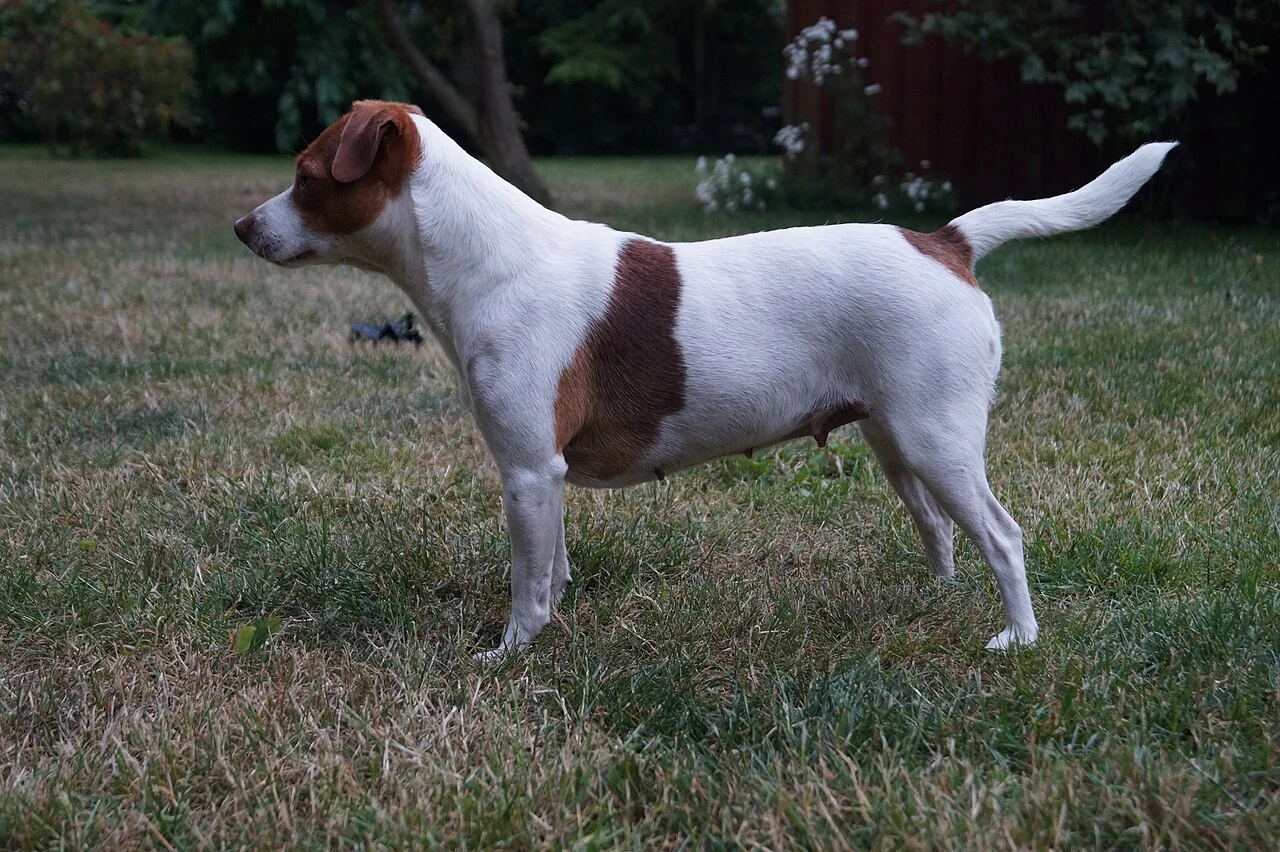
The Danish-Swedish Farmdog is a small, agile farm and companion dog with a short coat. Its former work catching rats helps explain why returning reliably when called and secure separation from small pets matter. Walks and scent games offer ways to spend time together and keep it occupied. It should also have a quiet place and time to rest.
At a glance
- Size
- Small
- Lifespan
- Not sufficiently documentedWhy is there no reliable range?
- Activity
- High
- Grooming
- Low
- Training
- Often cooperative
- Owner experience
- Experience recommended
A small farm dog with shared tasks to enjoy
At first glance, a Danish-Swedish Farmdog may resemble a small terrier. However, the Fédération Cynologique Internationale, or FCI, the international federation of kennel clubs, places it among pinscher-type dogs. Guarding farms and catching rats were former tasks. Today, it is also a companion whose attentiveness can be put to use through clear everyday exercises.
If it barks at sounds by the garden gate, simply interrupting the noise may achieve little. A familiar task, such as going to a particular spot while you admit a visitor, can be more useful. This can first be practised without a visitor. A familiar person can then join in while you reward calm behaviour. The dog gains a clear alternative to excitement at the gate.
Its former role catching rats matters around other pets. A peaceful encounter with another dog tells you little about its response to a running mouse or rabbit. Small pets need secure, separate areas. Children should also learn shared games with adult supervision and leave the dog undisturbed at its resting place.
Everyday life
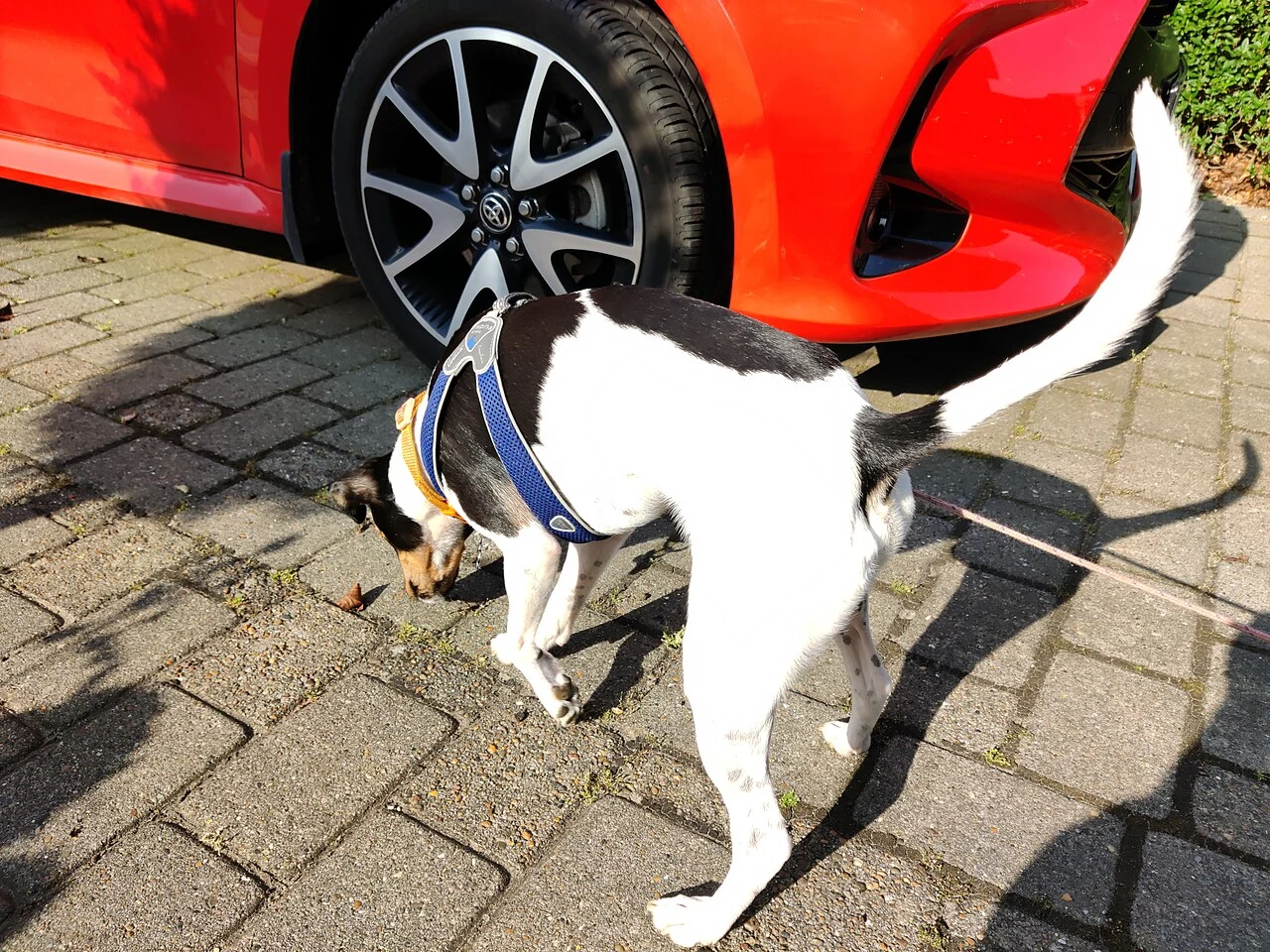
Scent work can offer this dog a shared task. This means using the nose to locate a particular smell or object. For a simple introduction at home, set out a few clean, open boxes with a piece of familiar food in one. The dog can eat it where it is found. The task should initially remain easy so that the dog understands the activity.
Reliable recall and secure opportunities to move are important outdoors. Recall means returning to you in response to a cue. It should first be rewarded away from major distractions. Where wildlife or small pets may appear, an appropriately used long training line helps while returning off lead is not yet dependable. A garden fence should also be checked for gaps the dog could squeeze underneath.
After active outings, a quiet place should be available. Adding more activity is not automatically helpful when the dog already struggles to settle. A farm dog also needs a routine with sleep and contact with its people. Anyone away for long periods should arrange care and build up time alone gradually.
Staying home alone
Dogs learn to stay home alone in small steps. The RSPCA advises no more than four hours at a time. Puppies and dogs that become unsettled when left alone need shorter absences and gradual practice. Arrange someone to care for your dog when you will be away longer.
Everyday dog training: recall, a loose lead and clear communication ↗
Day-to-day care
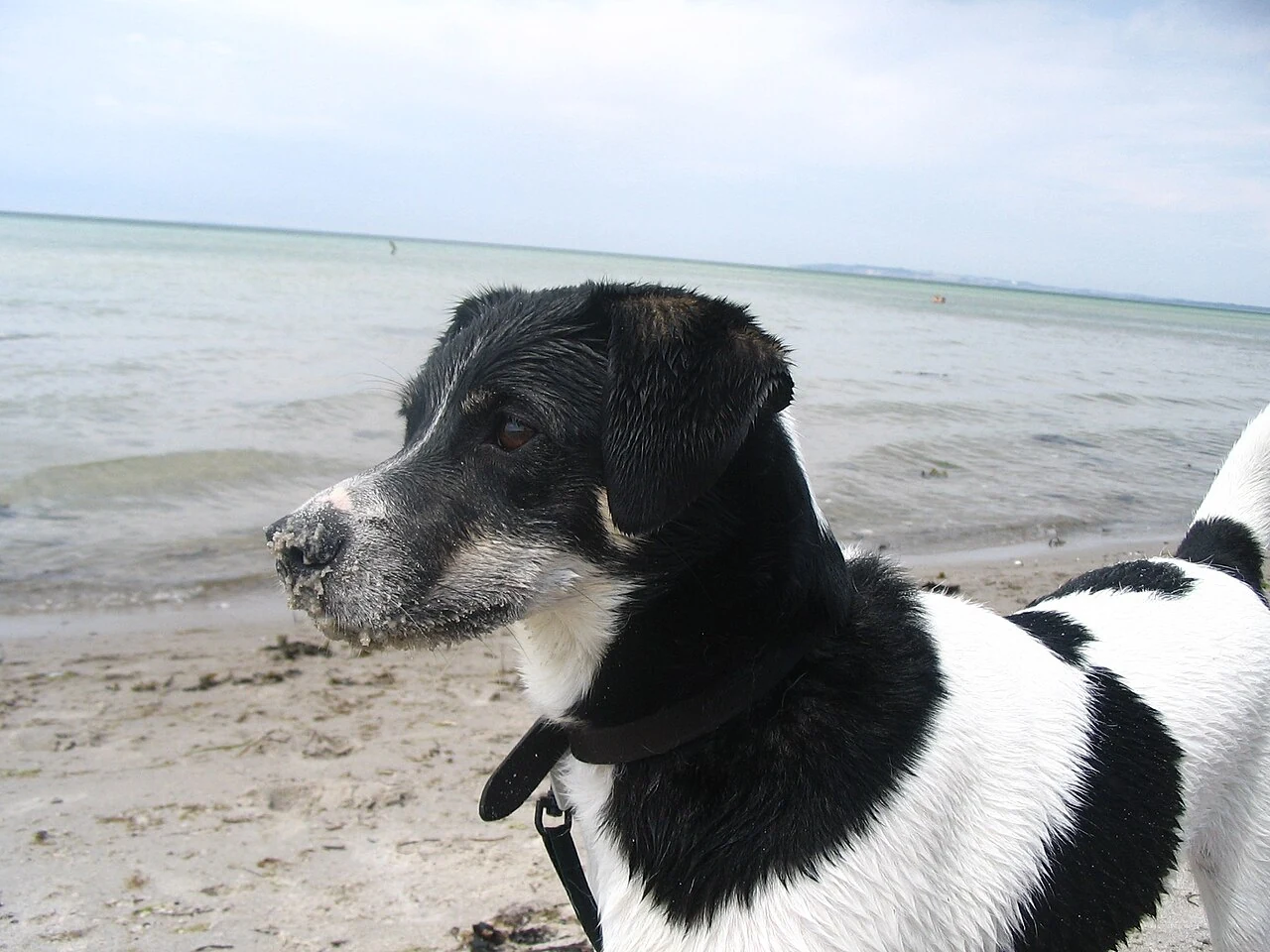
The short, smooth coat is relatively straightforward to maintain. A suitable soft brush or grooming mitt can remove loose hair. After outings, this also provides a chance to check paws, skin and nails. Persistent paw licking or a new sore area deserves closer attention rather than just washing away the dirt.
A short coat will not protect every dog adequately from cold, wet weather. Whether an extra coat helps depends on the conditions, age, health and the dog’s response. A dog that chills needs its outing adapted. Clothing should fit comfortably and not remain damp against the skin after a wet walk.
Dental care can begin at a calm point in the day. The dog can first become familiar with brief touches around its mouth, then a soft brush and dog toothpaste. Pain or changes in the gums should be investigated by the practice. These small care routines matter even for an active dog that otherwise enjoys being out and about.
Size and build
The breed developed from farm dogs in Denmark and Sweden. Exactly how far its ancestry reaches back is uncertain. The American breed club discusses differing origin theories. Recognition in both countries of origin came in 1987. Full FCI recognition followed in 2019, and full recognition by the American Kennel Club in 2025. These dates describe kennel-club recognition rather than the beginning of life with this type of farm dog.
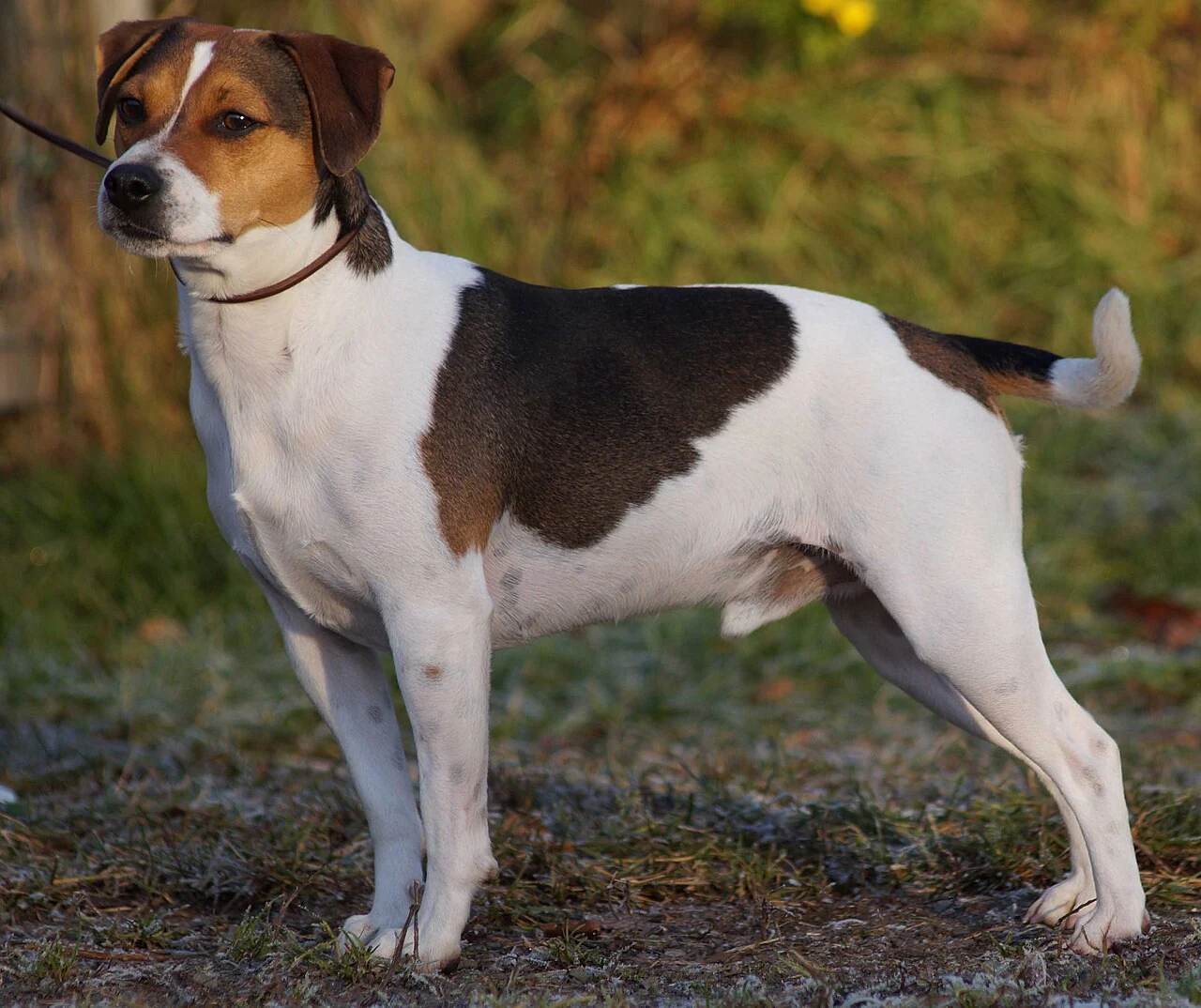
The FCI standard gives male shoulder height as 34 to 37 cm and female height as 32 to 35 cm, with a tolerance of 2 cm in each case. It specifies no weight. The tail can be naturally long or short. The standard also describes relatively late physical maturity. Even when a young dog looks adult, physical demands should be built up gradually. Bones and joints need time to develop during growth.
From puppy to senior: caring for your dog through every life stage ↗
Health
Before choosing a dog, a breeder should be able to explain specific health records. In an American Kennel Club interview, the American breed-club president describes voluntary hip, elbow and kneecap evaluations, primary lens luxation testing and BAER hearing tests. BAER stands for Brainstem Auditory Evoked Response. The test measures electrical responses to sound in the inner ear and the nerve pathways carrying hearing information through the brain. These comments describe club members’ practice rather than a universally compulsory checklist.
Primary lens luxation, abbreviated PLL, is an inherited eye disorder in which the lens can move out of its normal position. It can be painful and threaten sight. A DNA test can identify the known genetic change covered by that test. It cannot replace eye examinations. A painful, red or suddenly changed eye needs urgent veterinary assessment.
Health records and observed changes should remain easy to follow over the years. For example, noting when a dog started limping after getting up or where it seemed unusually tired on a walk can help the veterinary conversation. Such changes should not be dismissed because a breed has a reputation for good health.
Lifespan
In the American Kennel Club interview, the breed-club president gives 16 to 18 years as a typical lifespan. The article does not present this as an analysis of a representative dog population. It is therefore not adopted here as a dependable general range. Planning should include long-term care, preventive veterinary visits and money set aside for treatment.
Could this breed fit your life?
Could work well if …
- You want a small, active dog and enjoy walks, searches and shared practice.
- You can practise recall and provide secure exercise when small animals or wildlife may be distracting.
- You can organise a routine with quiet sleep, company and reliable care.
What to consider
- Its former work catching rats matters if mice, rabbits or other small pets live in the household.
- A garden does not replace shared walks and training. Small gaps in a fence can also matter.
- Owners’ positive experiences cannot replace health records or examination of new symptoms.
Similar needs, different dogs.
Selected by shared size, activity, grooming and training characteristics.
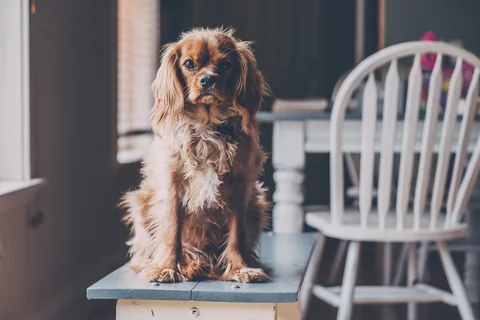
Companion dog
Cavalier King Charles Spaniel
Cavaliers enjoy close company and exploring on walks. Before choosing a puppy, ask for both parents’ heart results and about syringomyelia in the family. It causes fluid-filled cavities in the spinal cord that can be painful.
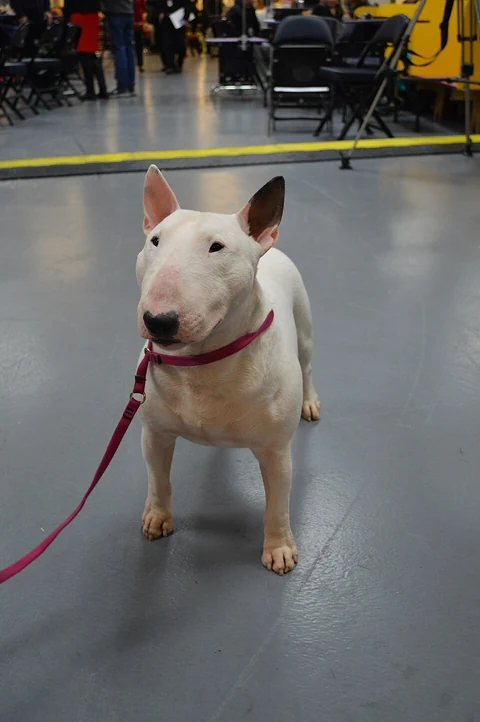
Small British terrier with a powerful build
Miniature Bull Terrier
The Miniature Bull Terrier has its larger relative’s distinctive head in a smaller, strong body. This lively companion enjoys playing with its people and can have considerable stamina. Its size makes some arrangements easier, but regular activity and careful health screening remain essential.
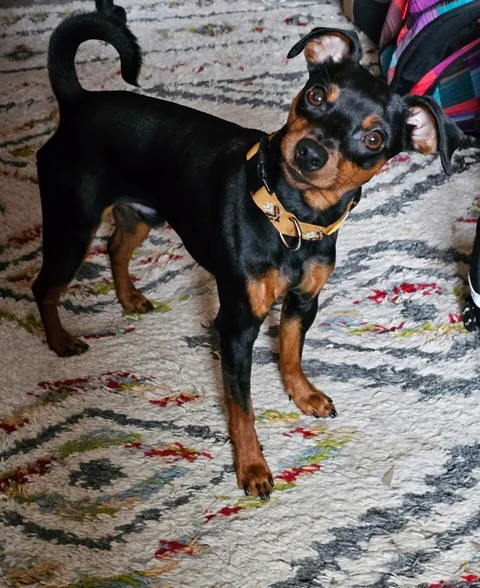
Small German Pinscher
Miniature Pinscher
Small, quick and strikingly self-assured, the Miniature Pinscher comes from the German Pinscher family, which was also used to catch mice and rats. Its short coat is simple to maintain; its energy and curiosity can demand more of you.
Sources and photograph credit
- Teaching your dog to be left alone
Used in this profile for: Staying home alone
- Position Statements and Humane Dog Training
Used in this profile for: Temperament, Everyday life
- Meet the Danish-Swedish Farmdog: AKC Recognition
Used in this profile for: Size and build, Health, Lifespan
- Farmdog History
Used in this profile for: Size and build
- Nose Work 101
Used in this profile for: Everyday life, Could this breed fit your life?
- FCI Standard No. 356: Danish-Swedish Farmdog
Used in this profile for: Size / Weight, Temperament, Everyday life, Day-to-day care, Size and build, Could this breed fit your life?
- What Is the BAER Test?
Used in this profile for: Health
- Eye Problems in Dogs: An Overview
Used in this profile for: Health
- Exercising Your Puppy
Used in this profile for: Size and build
- Does My Dog Need a Coat on Winter Walks?
Used in this profile for: Day-to-day care
- Training Your Dog to Be Left Alone
Used in this profile for: Everyday life
- Understanding Your Dog’s Behaviour
Used in this profile for: Temperament
- Children and Dogs
Used in this profile for: Temperament, Could this breed fit your life?
- Caring for Your Dog’s Teeth
Used in this profile for: Day-to-day care
- Train Your Dog to Come When Called
Used in this profile for: Everyday life, Could this breed fit your life?
- Primary Lens Luxation (PLL)
Used in this profile for: Health
Photo credits
Side view · Breed typical female correct type, proportions, colors and size.jpg · Danish-swedish farmdog · CC BY-SA 4.0 · Edited

Side view · NORDUCH NJV-16 DKJV-16 Absalon.jpg · Danish-swedish farmdog · CC BY-SA 4.0 · Edited

Coat and features · Danish Swedish Farmdog.jpg · Medico80 at English Wikipedia · CC BY-SA 3.0 · Edited

In action · MadsenSniffingToTheGround.jpg · Kent Madsen (Designermadsen) · CC BY-SA 4.0 · Edited
