 fellfolio
Endurance and companion dog
Dalmatian
Dalmatians once accompanied carriages over long distances. Today they need plenty of exercise and reliable company. Practise walking on lead, recall and calm greetings from an early age.
At a glance
- Size
- Large
- Height at shoulder
- 56 to 61 cm
- Weight
- 18 to 27 kg
- Lifespan
- over 12 years
- Activity
- Very high
- Grooming
- Low
- Training
- Patience & clear guidance
- Owner experience
- Experience recommended
From carriage companion to family dog
Dalmatians once travelled long distances beside horse-drawn carriages and guarded the passengers. Many still enjoy being out with their people, playing energetically and keeping an eye on what happens around the home. Their stamina and strength make shared activities rewarding. It is also worth teaching calm greetings and walking on a loose lead early, so excitement does not turn into jumping up or pulling you along.
When a person or dog approaches, begin far enough away that your Dalmatian can notice them and still respond to you. Reward a voluntary glance back and walk on in a gentle arc. If the dog stiffens, pulls or barks, increase the distance and try an easier setting next time. Build recall in a fenced area first: call once, reward the return immediately and add distractions gradually. On open paths, use a long line attached to a harness until recall is dependable around wildlife, dogs and fast movement.
Everyday life
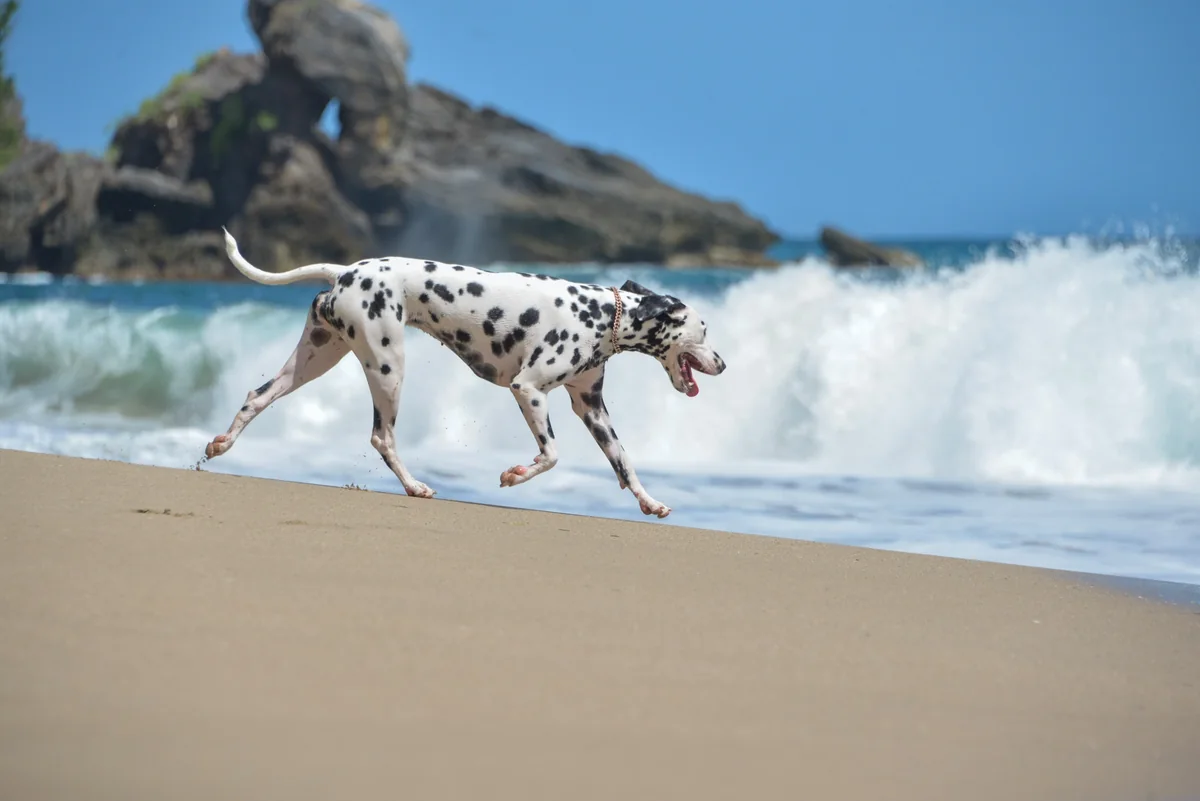
The UK veterinary charity PDSA recommends at least two hours of exercise a day for an adult Dalmatian, spread across several outings. Long walks and room to run in a secure area suit many dogs. Hide a toy or add short scent and training games for variety. If you enjoy running, build up distance gradually with a healthy adult dog; long runs are unsuitable for puppies and young dogs.
Dalmatians often want to be part of family life. If your dog needs to spend time alone, teach this in small steps and arrange care for long days. Their strength matters around children: exuberant play can knock someone over without any bad intent.
Staying home alone
Dogs learn to stay home alone in small steps. The RSPCA advises no more than four hours at a time. Puppies and dogs that become unsettled when left alone need shorter absences and gradual practice. Arrange someone to care for your dog when you will be away longer.
Everyday dog training: recall, a loose lead and clear communication ↗
Day-to-day care
The short coat needs a brush roughly once a week, but Dalmatians shed throughout the year. Fine white hairs show up readily on dark clothing and furnishings. Brush more often when shedding is heavy.
Their skin can be sensitive. Frequent scratching, red patches or repeated paw licking deserve veterinary advice before trying a series of shampoos. After long outings, check the paws and nails for small injuries.
Size and build
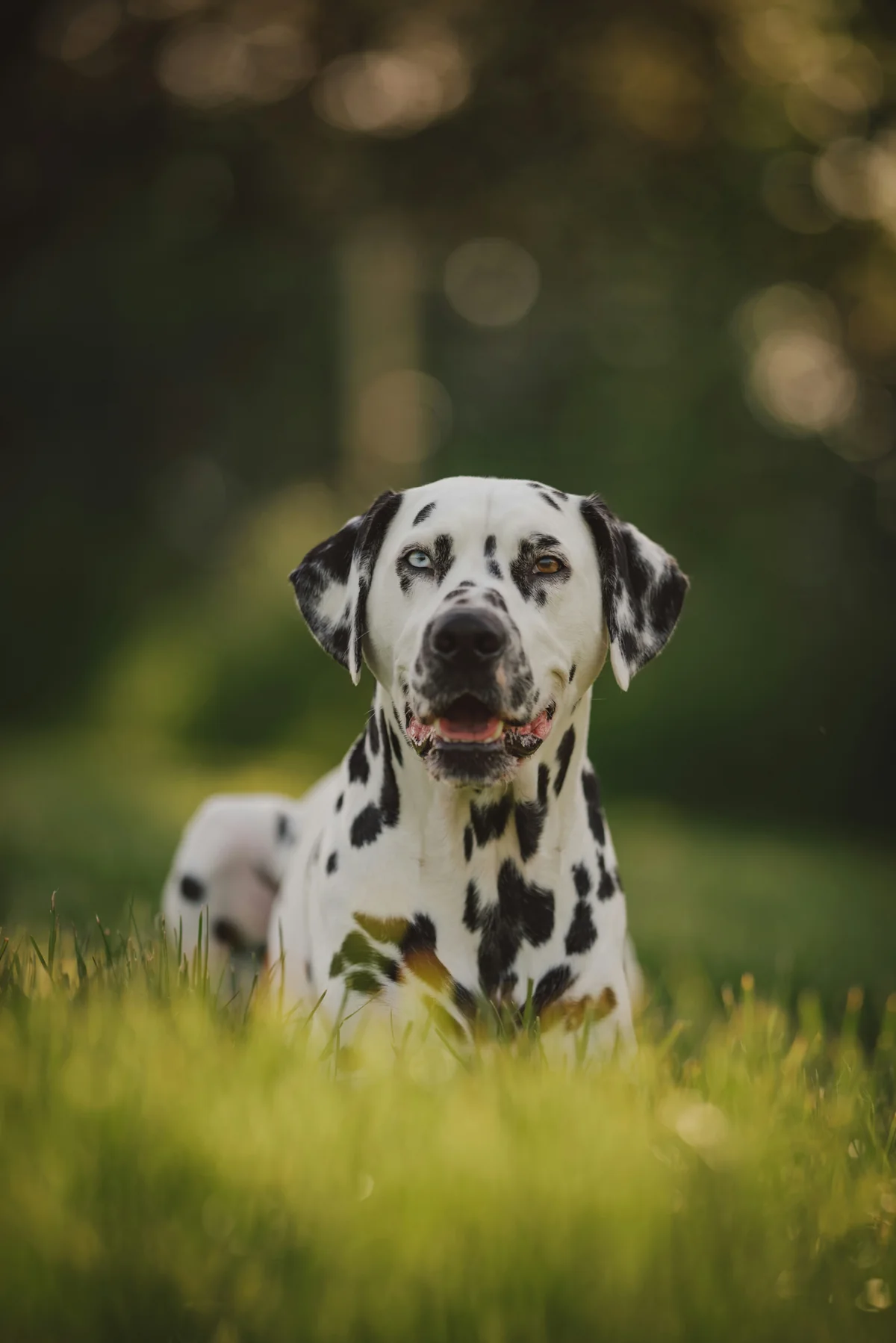
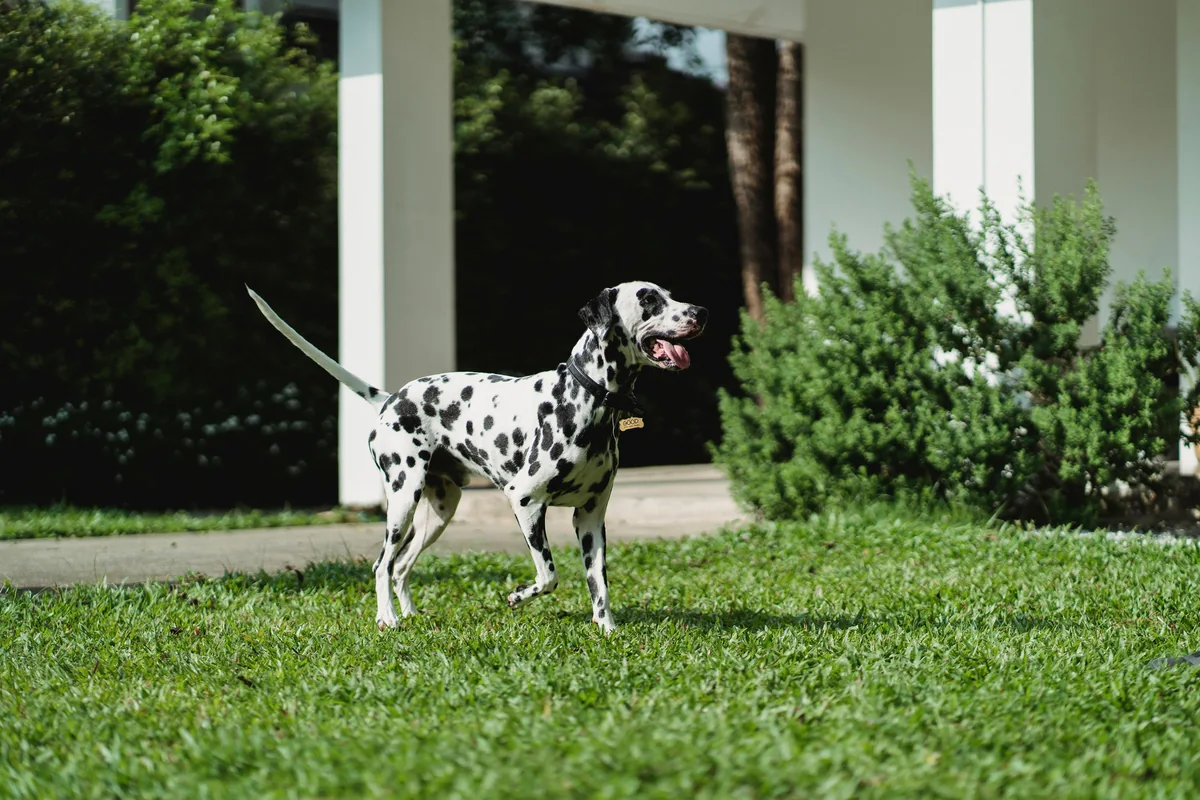
Dalmatians are strong runners without being heavy in build. PDSA lists 56 to 61 cm at the shoulder and 18 to 27 kg in weight. The body has a deep chest, firm back and long legs. The short coat lies close to the skin, with black or liver spots on white.
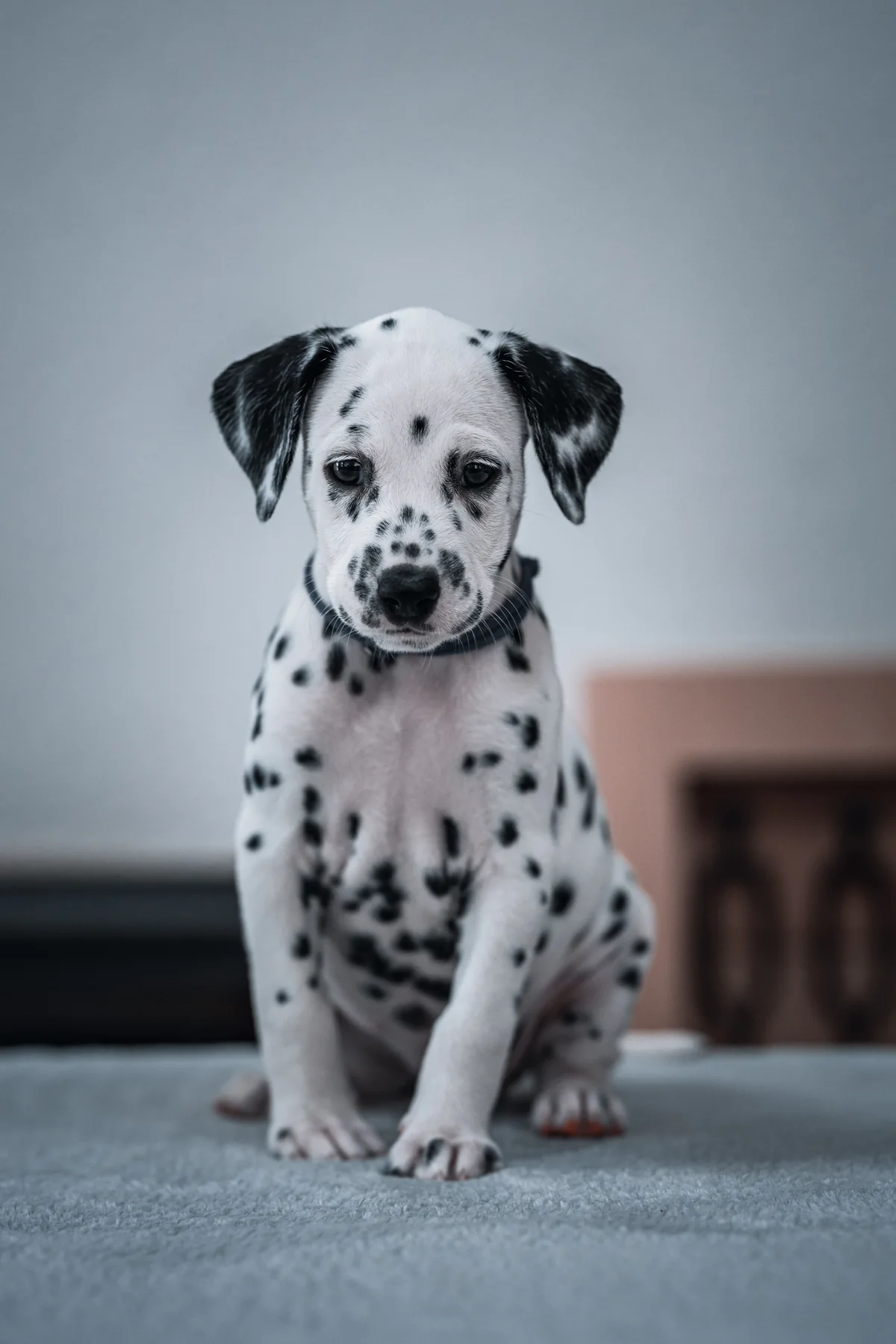
Puppies are born mostly white; their spots become clear during the first weeks. Each dog has its own pattern of spots. The sleek coat offers little protection in cold, wet weather.
From puppy to senior: caring for your dog through every life stage ↗
Health
Hearing and urinary health deserve particular attention in Dalmatians. Some puppies are born deaf. A BAER hearing test checks each ear separately; ask to see the puppy’s result. Most Dalmatians inherit a change that causes them to pass more uric acid in their urine, which can lead to urinary stones. Some dogs come from low-uric-acid, or LUA, lines. A DNA test distinguishes these inherited variants. Ask for your puppy’s result and what it means for future care. The result cannot predict whether that particular dog will develop stones. Discuss diet and water intake with your vet when risk is increased.
If the dog passes small amounts of urine frequently, strains or has blood in its urine, arrange a veterinary examination. If it cannot pass urine at all, seek urgent veterinary help. When choosing a puppy, also ask for the parents’ hip results.
Could this breed fit your life?
Could work well if …
- You have time for long walks even on workdays and will not routinely leave your dog alone all day.
- You are keen to teach a strong, lively dog to walk on a loose lead, come when called and greet people calmly.
May be less suitable if …
- You need a quiet dog with low exercise needs.
- You do not want a dog that sheds year-round and needs long walks every day.
Similar needs, different dogs.
Selected by shared size, activity, grooming and training characteristics.
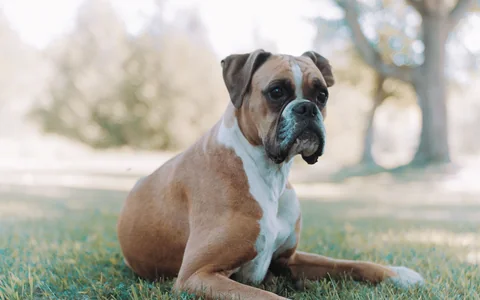
Working dog
Boxer
Powerful, playful and often exuberant well into adulthood, a Boxer needs exercise and practice with calm greetings. In warm weather, it needs a gentler pace.
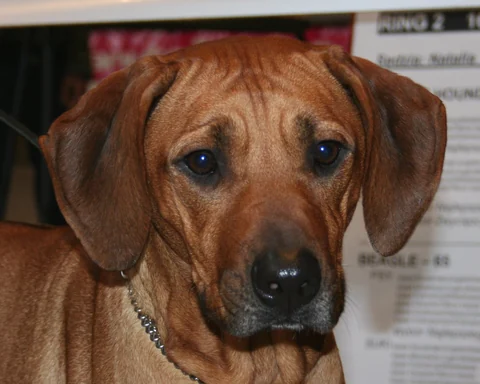
Hound
Rhodesian Ridgeback
The Rhodesian Ridgeback is a large hunting dog from southern Africa. It needs long daily walks and recall practice around the scents and movement of wildlife.
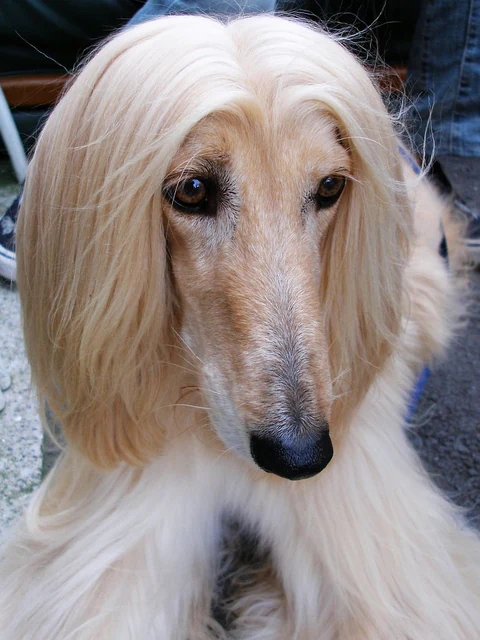
Sighthound
Afghan Hound
There is a fast hunting dog beneath the long silk coat. An Afghan Hound needs secure places to run and a substantial commitment to coat care.
Sources and photograph credit
- Teaching your dog to be left alone
Used in this profile for: Staying home alone
- BAER programme: best practice testing protocol
Used in this profile for: Health
- Hyperuricosuria (HUU) · genetic test and interpretation
Used in this profile for: Health
- Hyperuricosuria in Dalmatians
Used in this profile for: Health
- Dalmatian · breed guide
Used in this profile for: Size / Weight, Temperament, Everyday life, Day-to-day care, Size and build, Health, Lifespan, Could this breed fit your life?
Photo credits
Portrait · Lorren & Loki · Unsplash License
Side view · Bethany Ferr · Pexels License
In action · José Manuel Ramírez Brenis · Pexels License
Puppy · Jozef Fehér · Pexels License