 fellfolio
Hound
Rhodesian Ridgeback
The Rhodesian Ridgeback is a large hunting dog from southern Africa. It needs long daily walks and recall practice around the scents and movement of wildlife.
At a glance
- Size
- Large
- Height at shoulder
- 61 to 69 cm
- Weight
- 31 to 38 kg
- Lifespan
- over 10 yearsPDSA veterinary breed guide
- Activity
- Very high
- Grooming
- Low
- Training
- Patience & clear guidance
- Owner experience
- Experience recommended
Calm at home, alert to wildlife outdoors
The Rhodesian Ridgeback was developed in southern Africa to track large game and hold it at bay. It was not bred to fight lions. That background helps explain both its stamina and its interest in movement. If an animal runs across a path, a well-rehearsed recall matters more than hoping the dog will choose to turn back.
Many Ridgebacks are close to their own people but reserved with strangers at first. Give the dog room to approach visitors rather than asking them to make friends immediately. Young Ridgebacks can also be much more boisterous than their composed adult appearance suggests. An adult should supervise time with children; even a friendly leap can knock a small child over.
Everyday life
The UK veterinary charity PDSA advises at least two hours of exercise a day for an adult Ridgeback. Long walks and running in a securely enclosed area suit this powerful dog. Outdoors it may follow a scent a surprising distance. Build recall gradually around distractions, and use a long line in open places until the dog can reliably return.
Scent games give its nose a job without hunting: hide a toy in the garden, let the dog search and reward it when it finds the toy. Make room for rest at home as well. If your routine means leaving the dog regularly, practise short absences and arrange care rather than treating a full working day as a training exercise. Keep small pets safely separated because of the breed's hunting drive.
Staying home alone
Dogs learn to stay home alone in small steps. The RSPCA advises no more than four hours at a time. Puppies and dogs that become unsettled when left alone need shorter absences and gradual practice. Arrange someone to care for your dog when you will be away longer.
Day-to-day care
The short, smooth coat is straightforward to manage. A weekly brush removes loose hair; you may need to brush more often while the coat is shedding. The famous ridge is made of hairs growing in the opposite direction along the back. It is a breed feature, not a measure of a dog's health.
After a long walk on rough or stony ground, check the feet. Small cuts or something lodged between the toes can go unnoticed in an active dog. If the dog limps or keeps licking one spot, look closely and have persistent discomfort checked by a vet.
Size and build
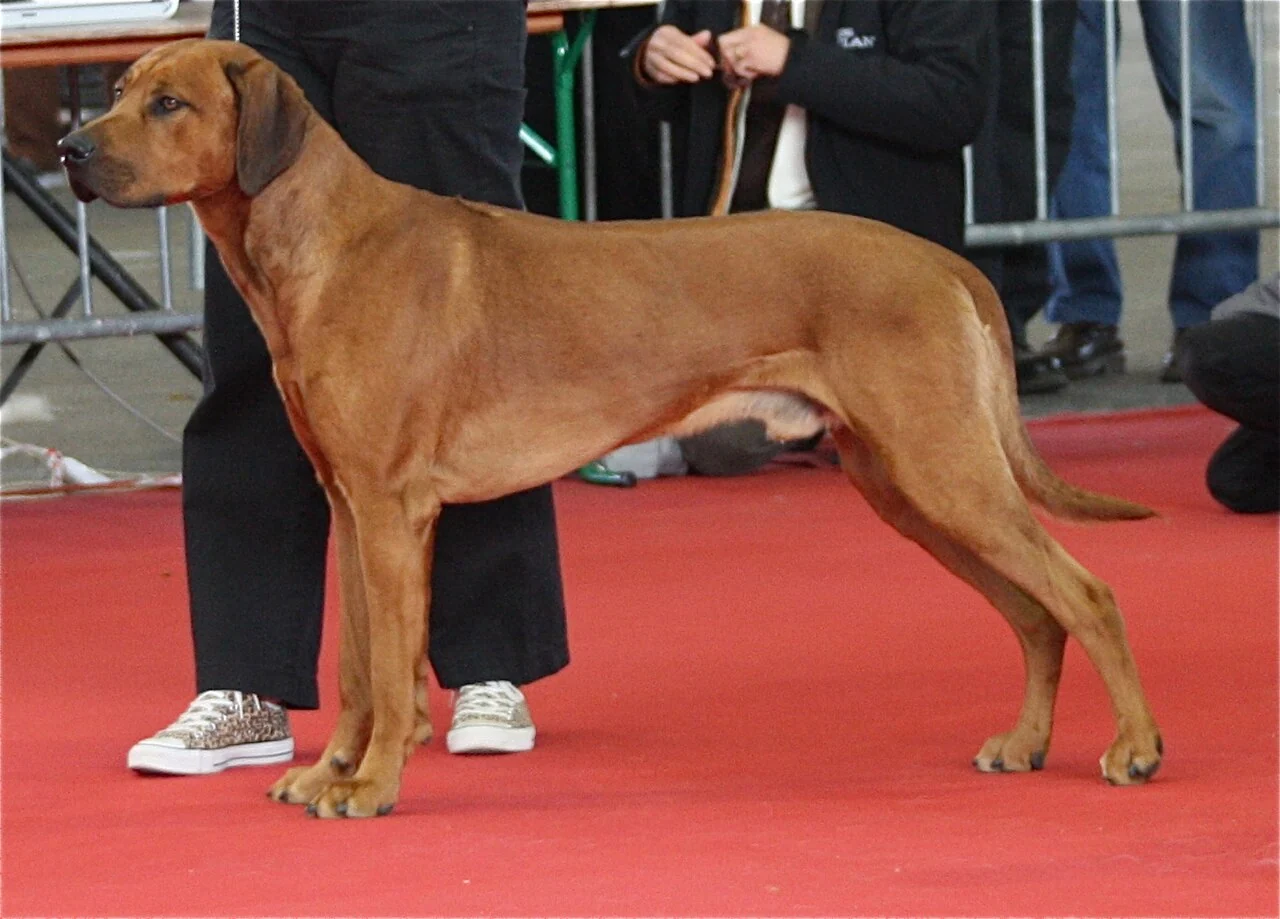
The Ridgeback is tall and muscular without looking heavy. It has a deep chest, a strong back and straight legs. The ridge runs along the back from behind the shoulders towards the pelvis; the rest of the coat is short, dense and sleek. Coat colours run from light wheaten to red wheaten.
The British breed standard gives 63 to 69 cm at the shoulder for males and 61 to 66 cm for females. PDSA gives a broad weight guide of 31 to 38 kg. Free, even movement is more important in an adult dog than an exaggerated ridge or a particularly broad build. A Ridgeback without a ridge can still be a healthy dog.
Health
Hip and elbow dysplasia are reported in the breed. Poorly formed joints can cause pain and later arthritis, so ask to see written X-ray results for both parents when choosing a puppy. A Ridgeback puppy may also have a dermoid sinus, a congenital tract from the skin on the back towards deeper tissue. Ask for the puppy's veterinary examination and an explanation of any findings. A DNA test is available for juvenile myoclonic epilepsy in breeding dogs. This inherited seizure disorder starts in young dogs and can cause sudden muscle jerks.
In a large, deep-chested dog, gastric dilatation-volvulus is an emergency. Repeated retching without bringing anything up, marked restlessness and a swollen abdomen are warning signs; the swelling may not be obvious. Call a vet or emergency clinic immediately rather than waiting. PDSA also reports hypothyroidism in Ridgebacks. Unexplained weight gain, low energy or coat changes deserve a vet check because several conditions can cause them.
Could this breed fit your life?
Could work well if …
- You enjoy long outings and can arrange secure places to run as well as recall training.
- You want a large dog and can manage visitors, children and smaller animals thoughtfully.
May be more difficult if …
- You need to let your dog off lead anywhere without spending time on recall.
- You cannot make time for long walks or safely handle a strong dog outdoors.
Similar needs, different dogs.
Selected by shared size, activity, grooming and training characteristics.
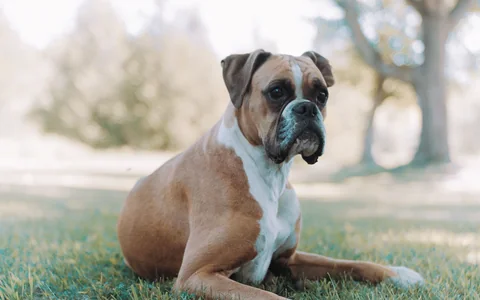
Working dog
Boxer
Powerful, playful and often exuberant well into adulthood, a Boxer needs exercise and practice with calm greetings. In warm weather, it needs a gentler pace.
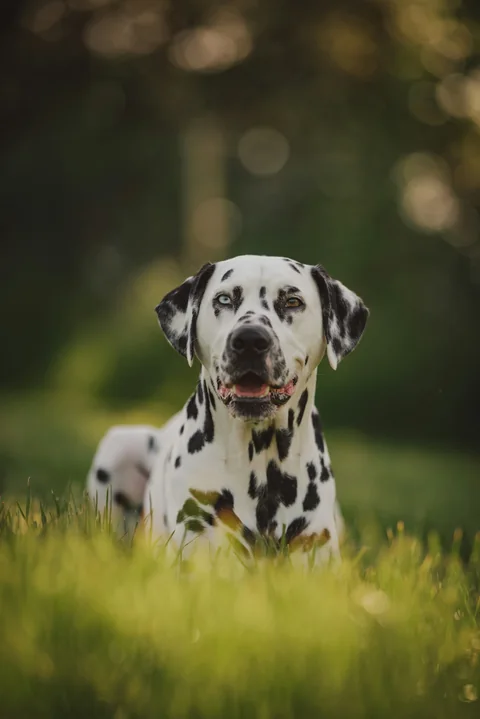
Endurance and companion dog
Dalmatian
The spots catch the eye first. In daily life, a Dalmatian is above all an energetic, enduring dog that needs plenty of time outdoors and reliable company.
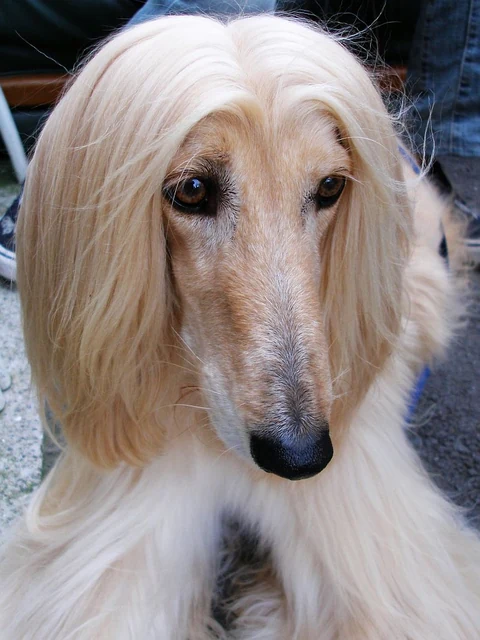
Sighthound
Afghan Hound
There is a fast hunting dog beneath the long silk coat. An Afghan Hound needs secure places to run and a substantial commitment to coat care.
Sources and photograph credit
- Teaching your dog to be left alone
Used in this profile for: Staying home alone
- GDV (Gastric Dilatation Volvulus) in dogs
Used in this profile for: Health
- Generalized myoclonic epilepsy with photosensitivity in juvenile dogs caused by a defective DIRAS family GTPase 1
Used in this profile for: Health
- Rhodesian Ridgeback, Breeds A to Z
Used in this profile for: Temperament
- Rhodesian Ridgeback breed standard
Used in this profile for: Size / Weight, Temperament, Day-to-day care, Size and build
- Rhodesian Ridgeback breed information
Used in this profile for: Size / Weight, Temperament, Everyday life, Day-to-day care, Size and build, Health, Lifespan, Could this breed fit your life?
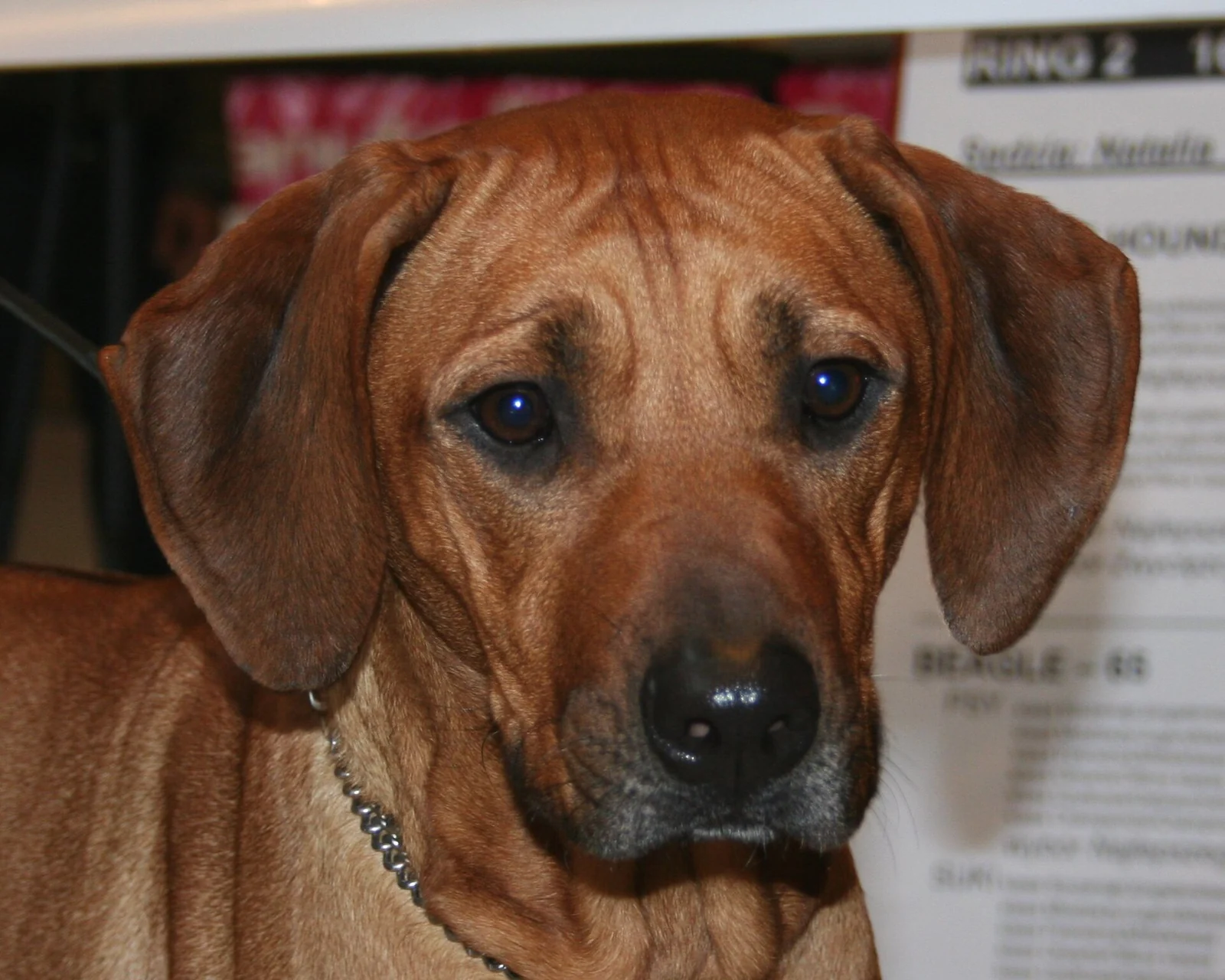
Portrait · Rhodesian ridgeback głowa rzut z przodu · Pleple2000 · CC BY-SA 3.0 · Edited

Side view · Akani Stehbild · Vulkano12 · CC BY-SA 3.0 · Edited

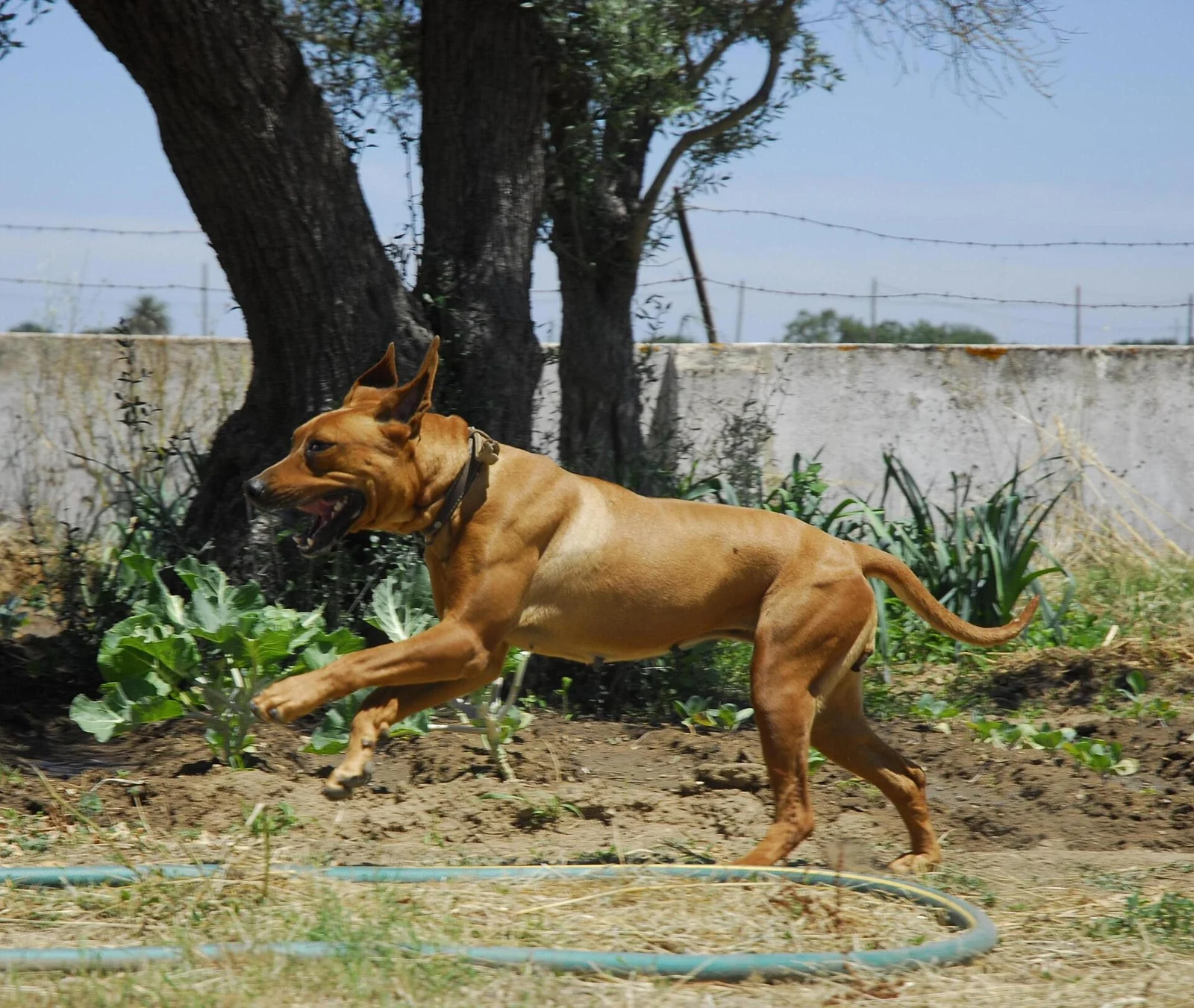
In action · Leao da rodesia a correr · Carlos (Fotograf), Joao (Halter) · CC BY-SA 3.0 · Edited

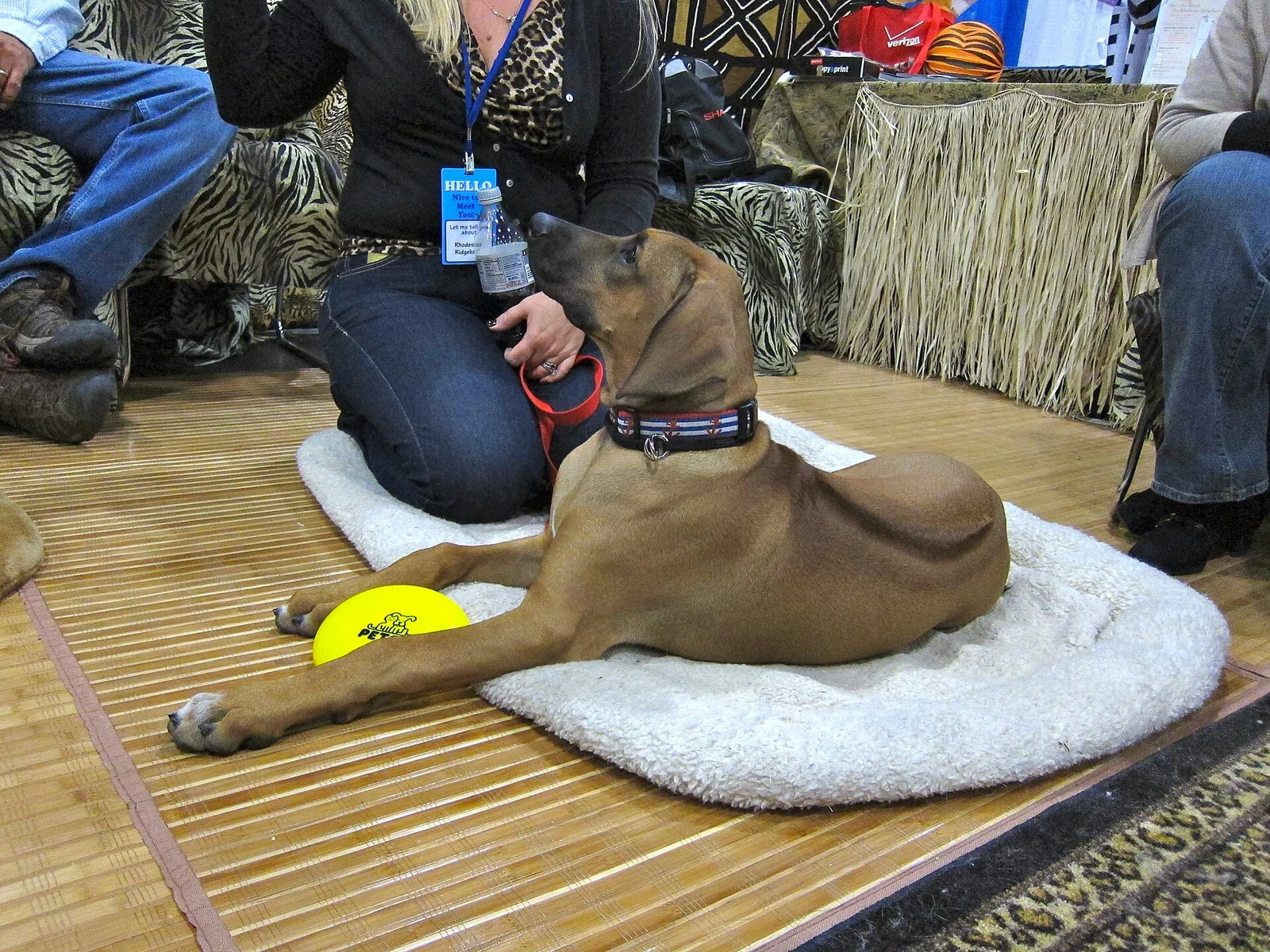
Puppy · Rhodesian ridgeback puppy · Pets Adviser from Brooklyn, USA · CC BY 2.0 · Edited
