 fellfolio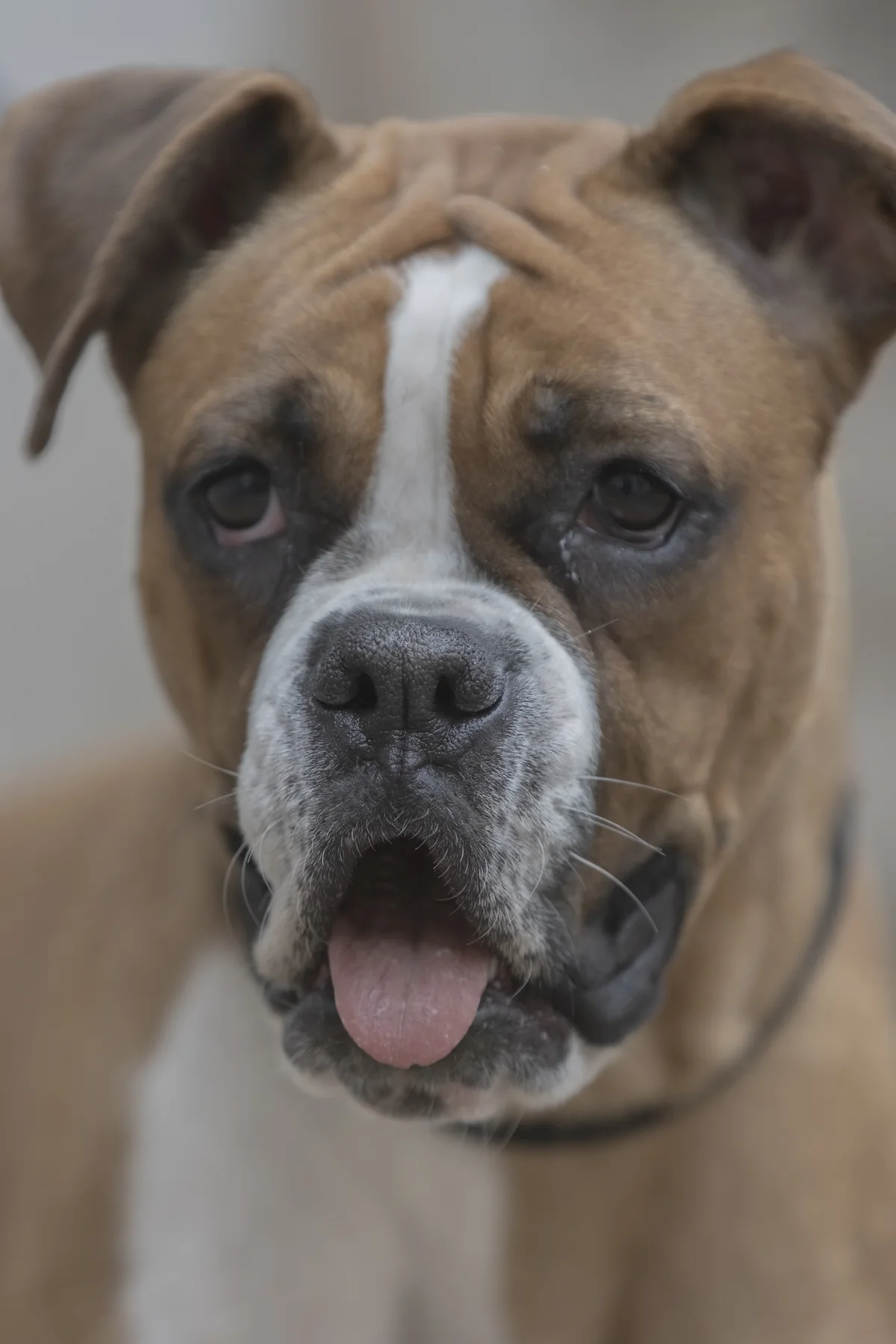
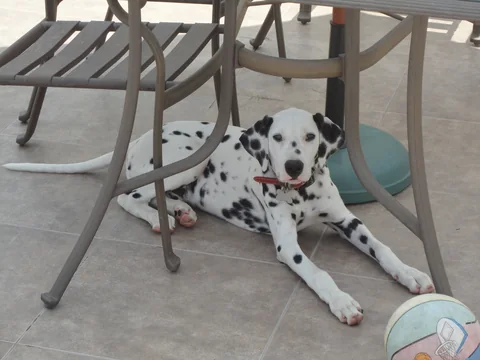
Endurance and companion dog
Dalmatian
A watchful, athletic companion with a short coat and substantial daily exercise needs.
Working dog
A playful, strong dog that matures slowly. Exercise, patient training and room for its energy all need planning.
Boxers were bred as working dogs and can stay exuberant well into adulthood. Good humour does not replace self-control when a large dog greets people excitedly.
PDSA recommends at least two hours of daily exercise. Split it across the day and practise calm greetings. A large garden helps only when walks and shared tasks are part of the routine too.
Being alone needs gradual practice. The RSPCA advises no more than four hours at a time; puppies and some adults need much shorter intervals. Arrange company during longer absences.
Brush the short coat weekly. Keep facial folds clean and dry. Include regular dental and nail care.
PDSA gives different weights by sex: 25 to 27 kg for females and 30 to 32 kg for males. Slow maturation calls for suitable exercise.
PDSA lists heart disease, hip dysplasia, epilepsy, eye, airway and skin problems, and cancer. Ask about heart screening and breathing problems in the family line.
Breed traits describe tendencies. Breeding line, socialisation, care and experience shape the individual. Children and animals always need responsible supervision.
Selected by shared size, activity, grooming and training characteristics.
Endurance and companion dog
A watchful, athletic companion with a short coat and substantial daily exercise needs.
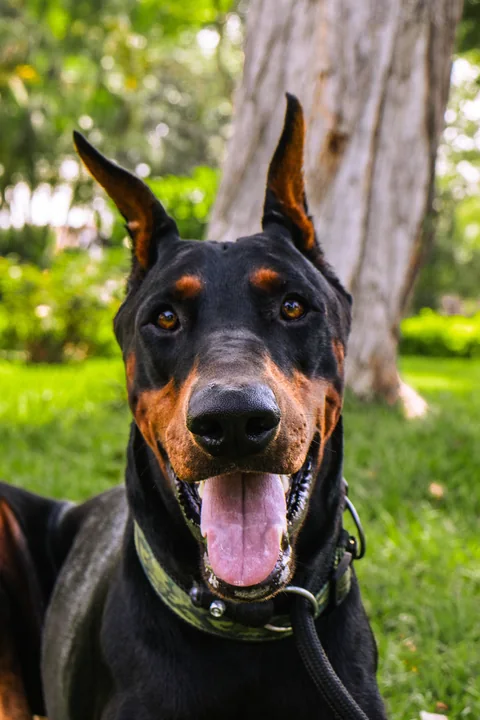
Working and guarding dog
Athletic, alert and closely bonded to its family. A Dobermann needs plenty of exercise and regular training, while its short coat requires little grooming.
Working dog
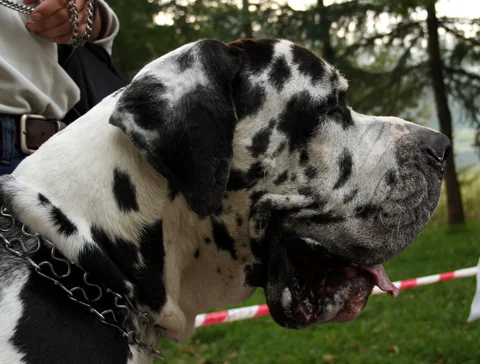
Exceptionally tall and usually short-coated, with substantial space and handling needs. Even a gentle dog can knock people over by accident.
_,_Iran_04.jpg)