 fellfolio
Shorthair · Isle of Man
Manx
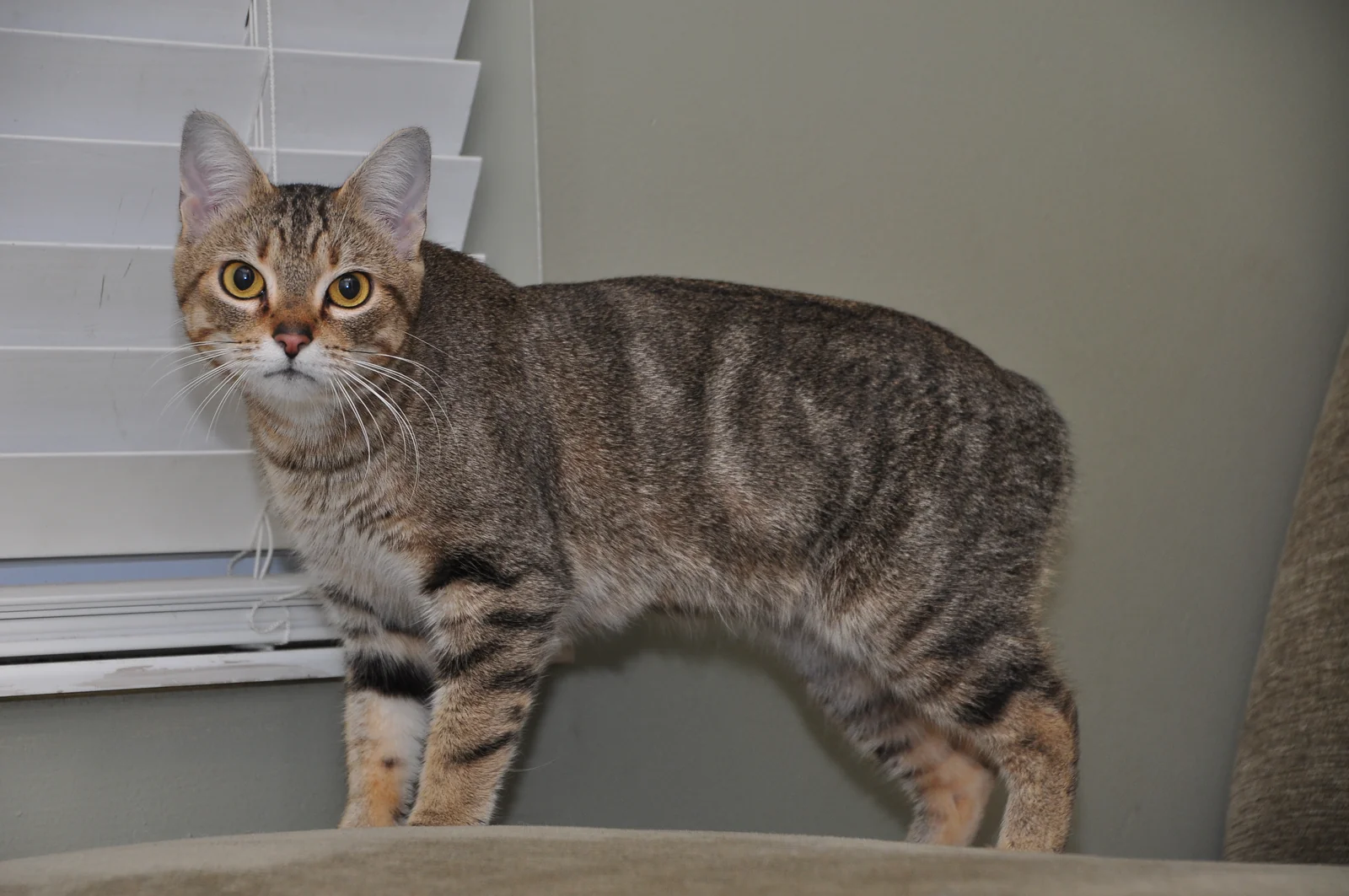
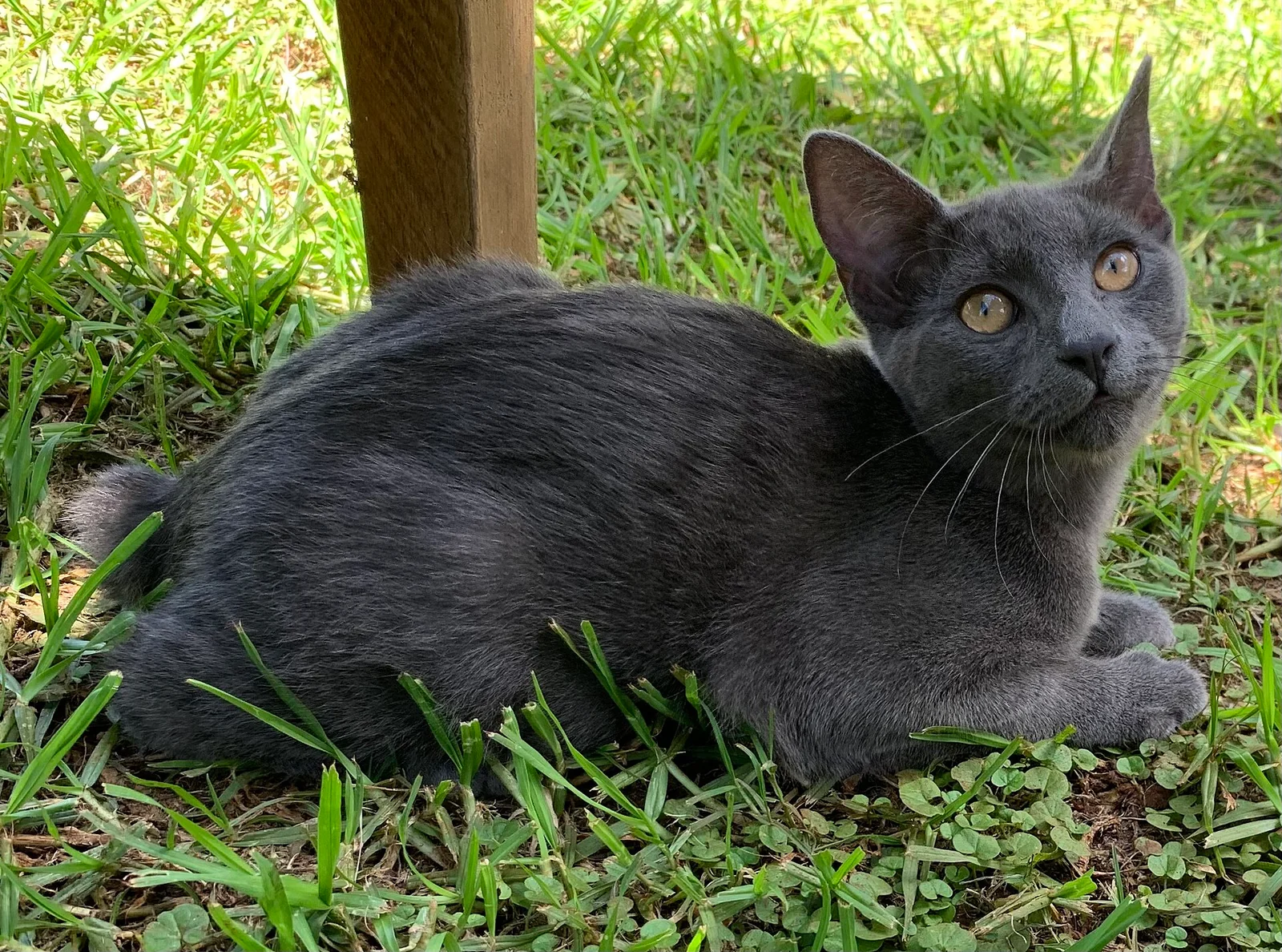
The Manx is a sturdy, round-bodied cat from the Isle of Man. Its tail may be absent, short or full length. Tail shape can be linked to changes in the spine and nerves.
At a glance
- Size
- Medium
- Weight
- 3.6 to 5.4 kg
- Lifespan
- Not sufficiently documentedWhy is there no reliable range?
- Activity
- Moderate
- Care needs
- Low
- Enrichment
- Enjoys learning together
- Owner experience
- Experience recommended
Friendly and alert
Many Manx cats are calm with familiar people and enjoy playing. They like staying close and may do well with children, other cats and cat-friendly dogs after gentle introductions. Some make soft trilling sounds. Supervise children when they stroke the cat and show them when to let it walk away. Nobody should press or pull around the tail base.
Play and everyday movement
A healthy Manx may race around the home, jump up and retrieve suitable cat toys. Offer stable climbing routes and a food puzzle from which the cat can work out small portions of its daily food. During play, watch whether it moves without hesitation, lands comfortably and uses the litter tray normally. New reluctance to jump or difficulty passing urine or faeces needs prompt veterinary assessment. Straining to urinate while passing only drops or no urine is an emergency. Contact a vet or emergency veterinary service immediately.
For practical play, food searches and quiet retreats, read Indoor Cat Enrichment: Play, Food Puzzles and Safe Retreats ↗
Coat care and gentle handling
The short, dense double coat benefits from regular combing and more frequent sessions during shedding. The Manx can look naturally round, so check whether ribs and waist are still easy to assess. Handle a short tail and its base gently because pressure there can hurt. Support the back legs and bottom when lifting the cat to avoid putting strain on its back. A reaction to light pressure may indicate pain rather than a difficult temperament.
Origin, body shape and tail lengths
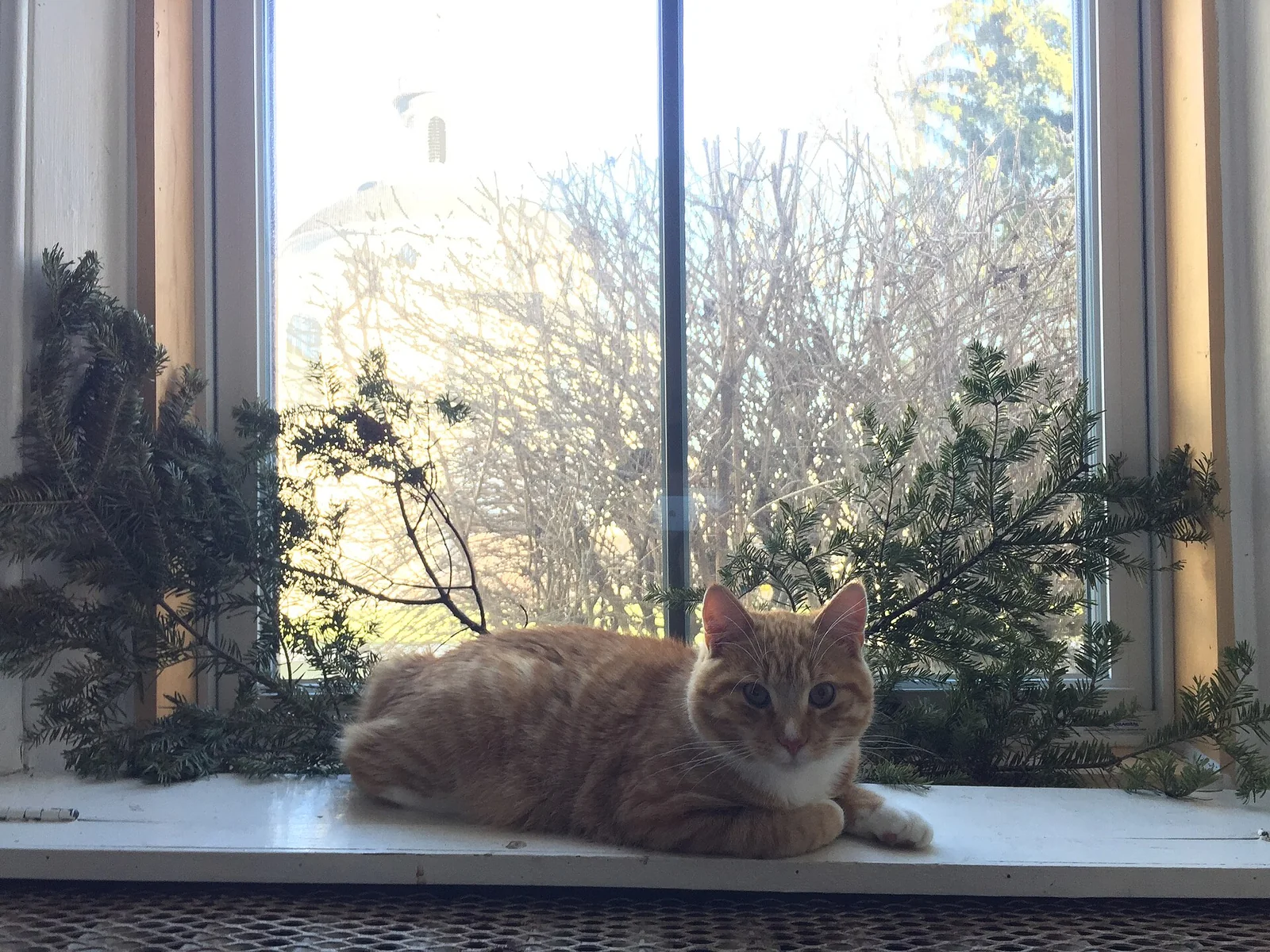
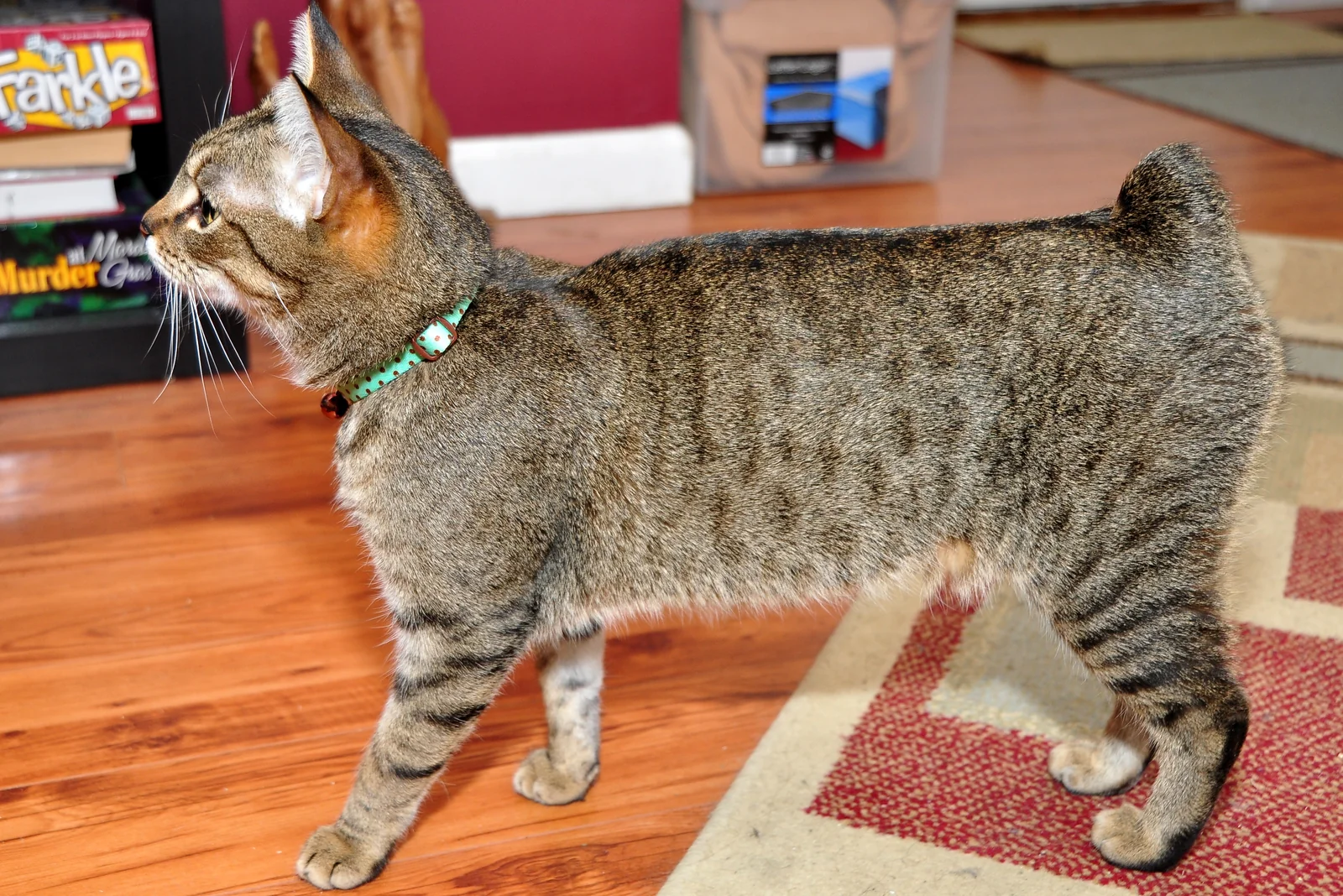
The Manx is associated with the Isle of Man. It has a compact body, round head, broad chest and longer back legs. Not every Manx lacks a tail: a litter may include kittens with none visible, a short stump or a longer tail. The unusual shape stems from a change in spinal development. The shortest possible tail should never be the aim when choosing a kitten.
Taillessness and the spine
The mutation behind taillessness can also affect the spine and nerves. Affected kittens may have trouble walking or controlling urine and faeces; problems can also emerge later. Cats Protection therefore warns against breeding deliberately for the absence of a tail. If offering a Manx a home, ask for an independent veterinary assessment of movement, back and toileting. Freedom from pain and good quality of life matter more than tail length.
Lifespan
TICA gives Manx cats more than 16 years, while GCCF gives 12 to 14. Those figures conflict sharply. A single number would also hide the wide variation in individual Manx health.
Could this breed fit your life?
Could work well if …
- You want a people-oriented cat and have time for daily play and company.
- You can plan for veterinary checks and, if needed, ongoing treatment.
May be more difficult if …
- You are looking for a cat with the lowest possible risk of inherited spinal problems.
- You could not arrange prompt treatment for movement or toileting problems.
Meet other cat breeds.
Selected by size, activity, care and play needs.
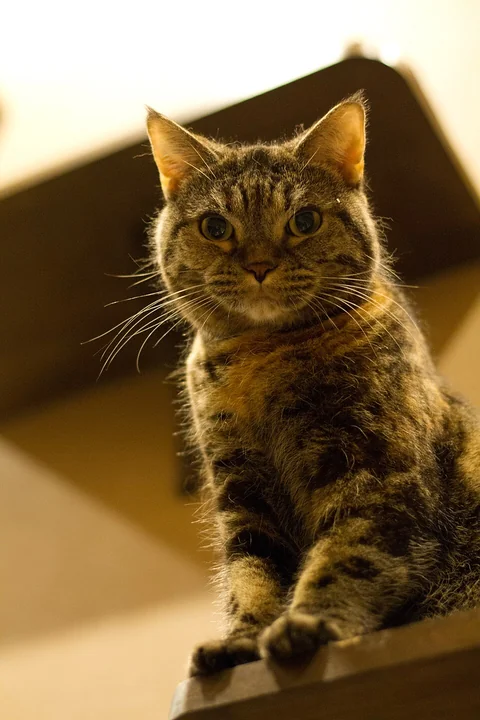
Shorthair cat · United States
American Shorthair
Sturdy, even-tempered and playful, the American Shorthair enjoys shared games while keeping a measure of independence.
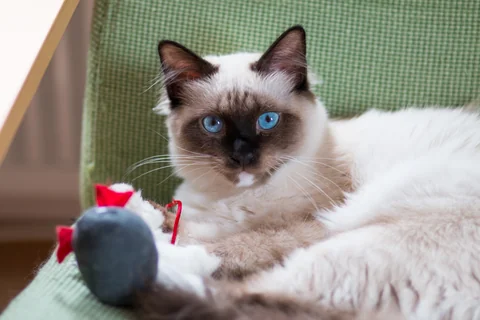
Semi-longhair · France
Birman
The Birman combines blue eyes, pale silky fur and white paws with a gentle, people-oriented nature. Many seek company and enjoy short play sessions.
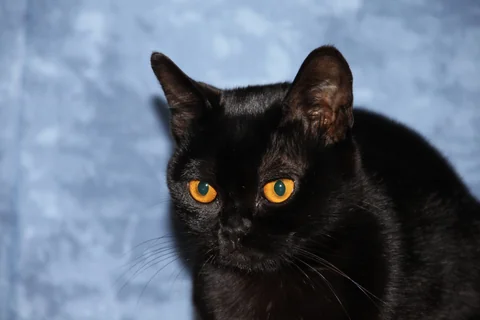
Shorthair · United States
Bombay
The Bombay has glossy black fur and copper eyes. Muscular and sociable, it enjoys playing with its people.
Sources and photograph credit
- Getting a Pedigree Cat
Used in this profile for: Health
- Feline Lower Urinary Tract Disease
Used in this profile for: Everyday life
- How to Feed a Cat: Addressing Behavioral Needs
Used in this profile for: Everyday life
- Manx
Used in this profile for: Size / Weight, Size and build, Lifespan
- Malformations and the Manx syndrome in cats
Used in this profile for: Health, Lifespan
- Manx
Used in this profile for: Size / Weight, Temperament, Everyday life, Day-to-day care, Size and build, Health, Lifespan, Could this breed fit your life?
Portrait · A Rumpy Manx Cat · Michelle Weigold · CC BY-SA 4.0 · Edited

Side view · Rumpy Riser Manx Kitten · Michelle Weigold · CC BY-SA 4.0 · Edited

Young cat · Manx kitten · TheEaterofCorn · CC BY-SA 4.0 · Edited

By the window · Linus the Manx 2 · De Insomniis · CC BY-SA 4.0 · Edited
