 fellfolio
Terrier
Soft Coated Wheaten Terrier
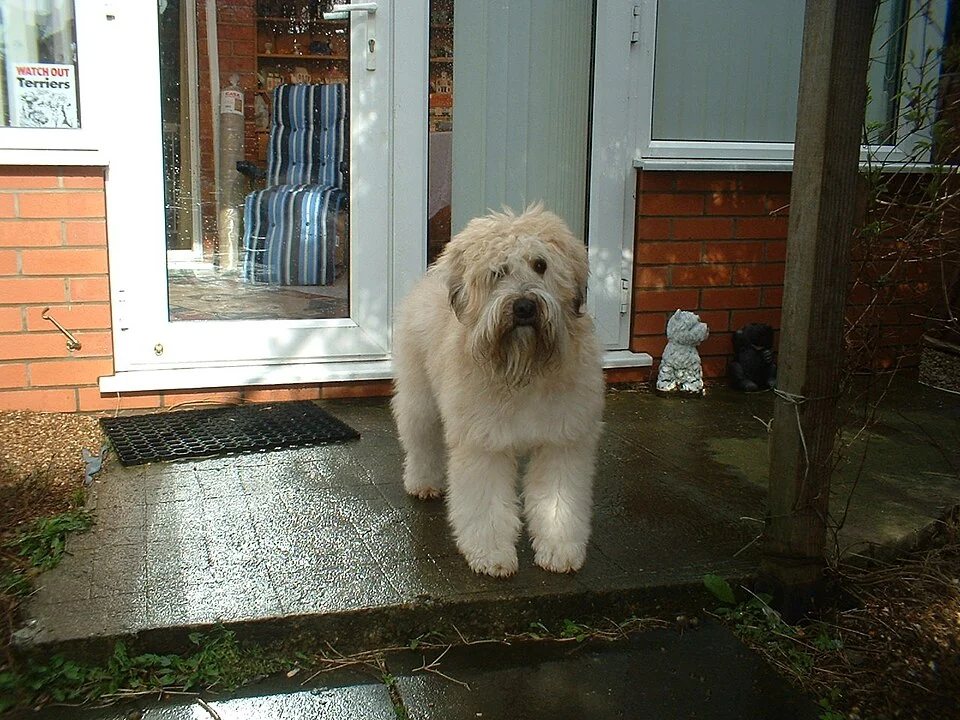
The Irish Wheaten Terrier often greets people with enthusiasm and follows interesting scents outside. Its soft coat sheds little but needs regular combing down to the skin.
At a glance
- Size
- Medium
- Lifespan
- over 12 yearsUK Royal Kennel Club breed profile
- Activity
- High
- Grooming
- Daily
- Training
- Patience & clear guidance
- Owner experience
- First dog with support
Friendly company with a terrier core
On Irish farms the Wheaten took on several jobs: alerting to visitors, dealing with small pests and accompanying people at work. Today its open, often exuberant greeting is easier to spot. The British standard describes a confident, intelligent dog that enjoys human company. A friendly manner does not remove its curiosity or interest in pursuing small animals.
A young Wheaten may greet visitors with a full-body leap. Teach an arrival routine with four feet on the floor and reward calm waiting before the door opens. Children need to learn when the dog wants to play and when it needs a break. Introduce other pets carefully, with room to move away on both sides.
Everyday life
The Royal Kennel Club places the Wheaten in its up-to-one-hour daily exercise category. An adult Wheaten also needs variety: walks with time to sniff, a search game in the garden or brief practice with recall and the lead. Its farm background helps explain why it likes to be included in family life. Long hours shut away alone rarely suit that character.
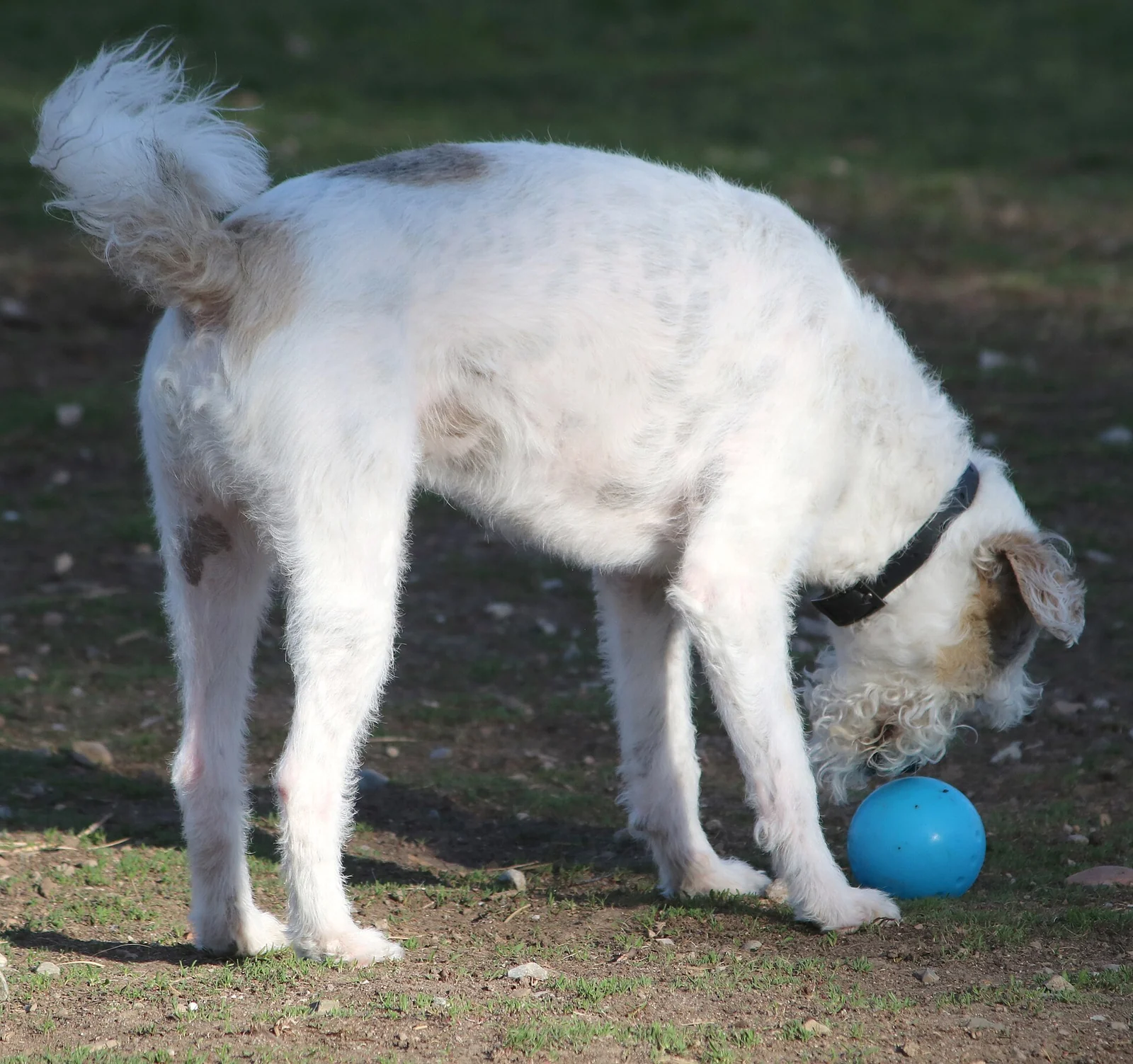
Many Wheatens love playing with their people, but excitement can rise quickly. End a game with one easy, familiar cue and a quiet pause instead of adding throw after throw. Wildlife scents and secure fencing still matter when considering off-lead time. Build recall in stages rather than trying it for the first time during a chase.
Staying home alone
Dogs learn to stay home alone in small steps. The RSPCA advises no more than four hours at a time. Puppies and dogs that become unsettled when left alone need shorter absences and gradual practice. Arrange someone to care for your dog when you will be away longer.
Day-to-day care
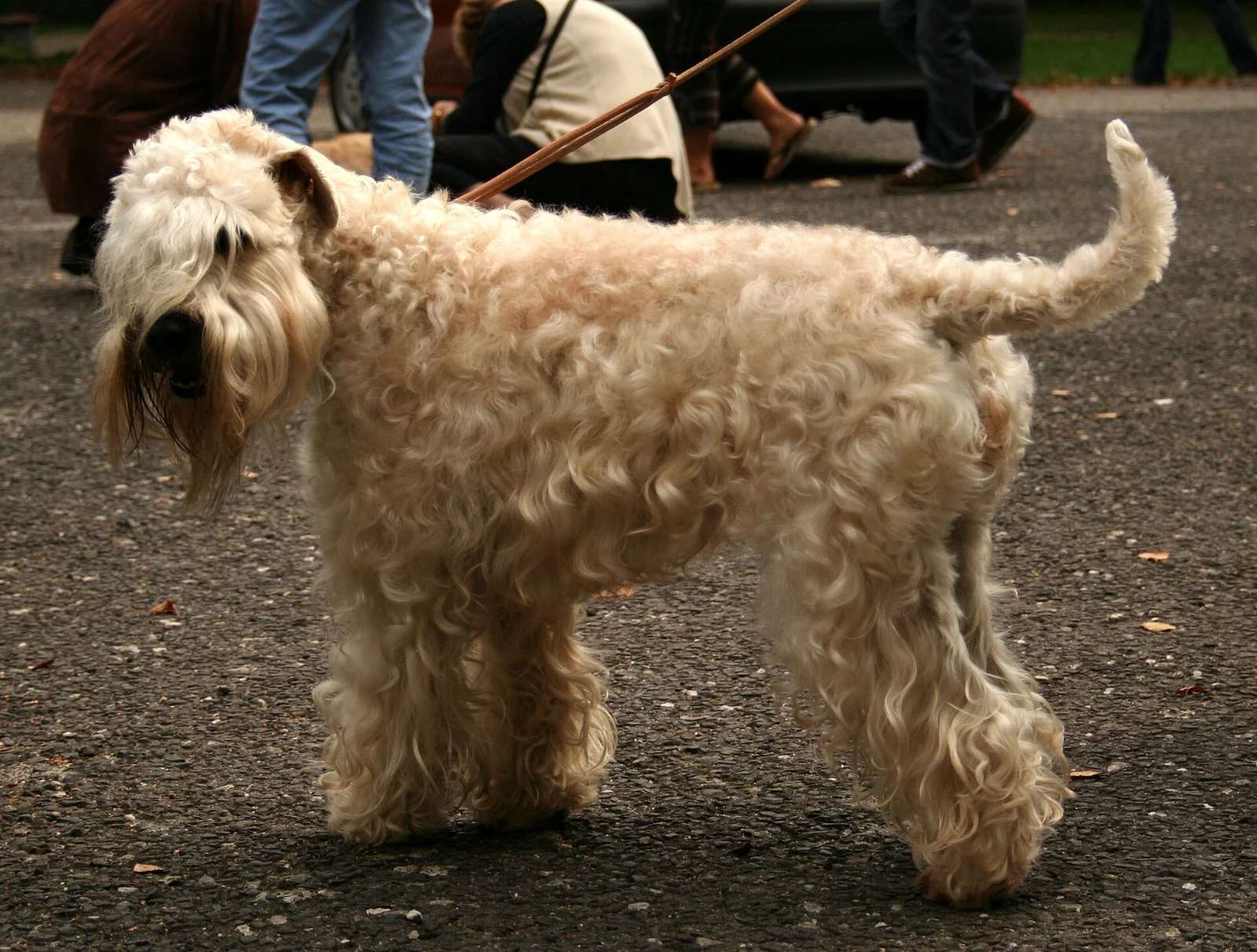
The soft, silky coat falls in loose waves and releases little hair around the home. Dead hairs do not disappear, though: without thorough combing they remain in the coat and form knots, especially in the armpits, along the legs and beneath a harness. The British breed club advises daily combing down to the skin for puppies and through the change into an adult coat. Put those minutes in the routine and ask someone experienced to show you the technique.
A groomer can tidy the outline but cannot replace combing at home. A Wheaten is not hand-stripped like a wire-coated terrier. After wet walks, dry the coat and feet before dirt settles into the soft hair. Low shedding is not a promise that a person with allergies will tolerate this dog.
Size and build
The Wheaten is medium-sized, compact and strong without looking clumsy. The British standard puts males at roughly 46 to 49 cm at the shoulder and 16 to 20.5 kg; females are somewhat smaller and lighter. The chest is deep, the back level, and the legs should carry a free, lively stride. Long hair makes the head look fuller than the skull beneath it.
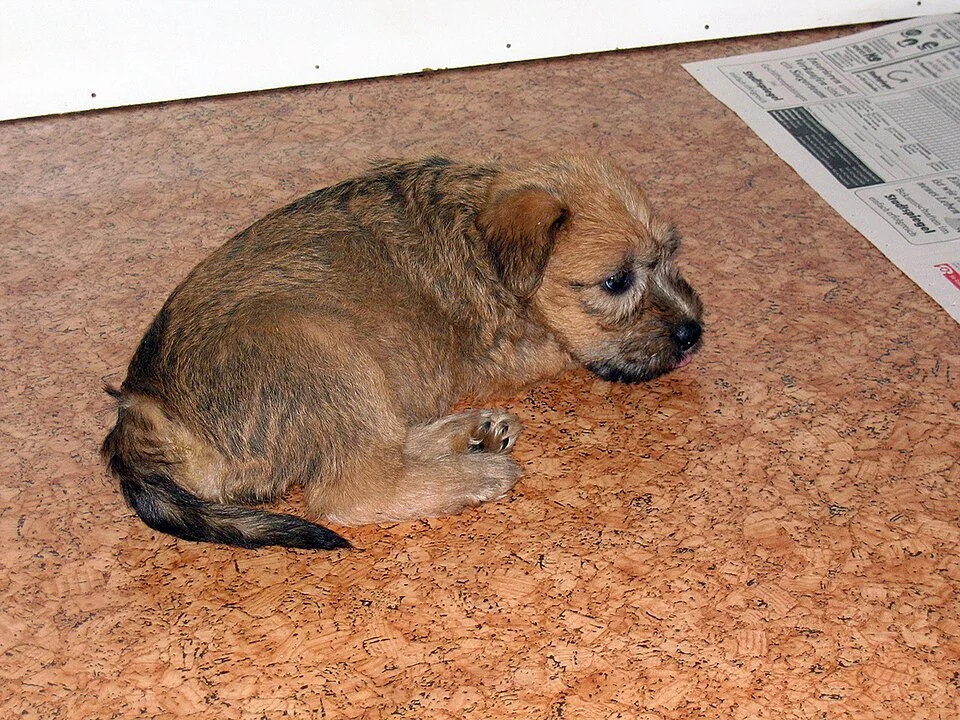
Puppies often have darker shading and a different coat feel from adults. The familiar light wheaten colour and silky texture develop until around the second birthday. A dark puppy coat is therefore a poor reason to reject a youngster. Sound movement, traceable parentage and early, comfortable grooming practice tell you far more.
Health
Kidney and bowel health deserve particular attention in Wheatens. In the kidney condition known as PLN, protein is lost from the blood into the urine. PLE causes protein loss through the gut. Both conditions are recorded in the breed. The British breed club therefore recommends annual blood and urine tests for adult Wheatens, including a urine protein measure. They may show a change before behaviour alone makes it obvious.
For breeding dogs the club also advises eye and hip assessments and a DNA test for variants associated with PLN. The result indicates inherited risk. It cannot predict with certainty whether disease will develop or rule out other kidney or bowel disease, so the recommended monitoring remains important. Ask for the parents’ reports and family health history. Markedly increased drinking, weight loss, persistent diarrhoea or unusual lethargy merits a veterinary visit.
Could this breed fit your life?
Could work well if …
- You want a sociable, active dog that joins in with daily life.
- You can comb regularly and stay on top of health monitoring.
May be more difficult if …
- You expect low shedding to mean little need for a comb or groomer.
- You cannot manage boisterous greetings or interest in chasing small animals safely.
Similar needs, different dogs.
Selected by shared size, activity, grooming and training characteristics.
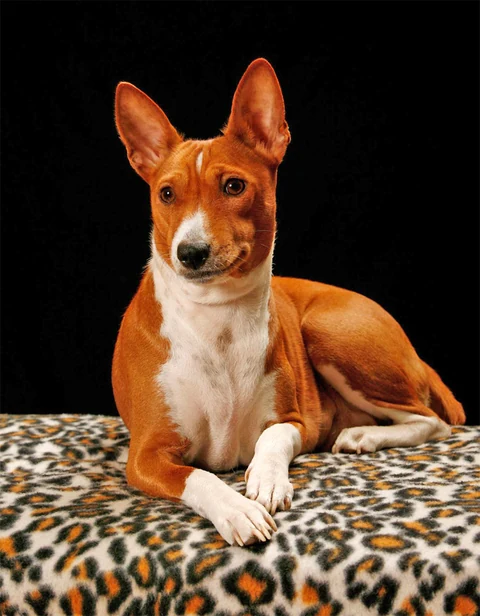
Hound
Basenji
The Basenji rarely barks but can make yodelling sounds. Outside, it may follow a scent or moving animal at speed, so off-lead running calls for secure fencing.
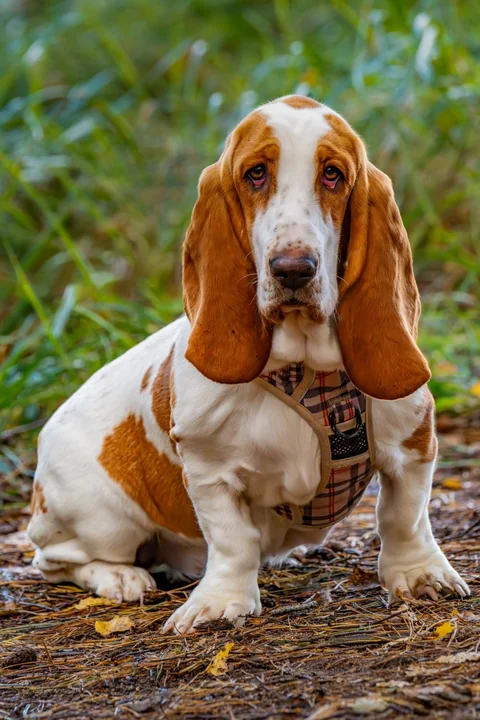
Scent hound
Basset Hound
Easy-going with people and tireless on a trail, the Basset Hound is a sociable hunting dog with a substantial body and a nose that can set the pace outdoors.

Scent hound
Beagle
The Beagle is a sturdy little scent hound with stamina, an excellent nose and a taste for company. Walks are better when there is time to sniff.
Sources and photograph credit
- Teaching your dog to be left alone
Used in this profile for: Staying home alone
- Soft Coated Wheaten Terrier history
Used in this profile for: Temperament, Everyday life
- Pet Allergy: no truly hypoallergenic dog breeds
Used in this profile for: Day-to-day care
- Conditions affecting the breed
Used in this profile for: Health
- Grooming the Soft-Coated Wheaten Terrier
Used in this profile for: Day-to-day care, Could this breed fit your life?
- Glomerulopathy and mutations in NPHS1 and KIRREL2 in soft-coated Wheaten Terrier dogs
Used in this profile for: Health
- Soft Coated Wheaten Terrier, Breeds A to Z
Used in this profile for: Everyday life, Health, Lifespan, Could this breed fit your life?
- Soft Coated Wheaten Terrier breed standard
Used in this profile for: Size / Weight, Temperament, Day-to-day care, Size and build
- Health testing for adult dogs and puppies
Used in this profile for: Health
Portrait · My Cute Little Soft Coated Wheaten Terrier, Clio · ACBest · CC BY-SA 3.0 · Edited

Side view · Soft-coated wheaten terrier · Pleple2000 · CC BY-SA 3.0 · Edited

In action · Wheaten Terrier 06 · claralieu · CC BY 2.0 · Edited

Puppy · Wheaten-Welpen-Wikipedia · .fla · CC BY-SA 2.0 de · Edited
