fellfolio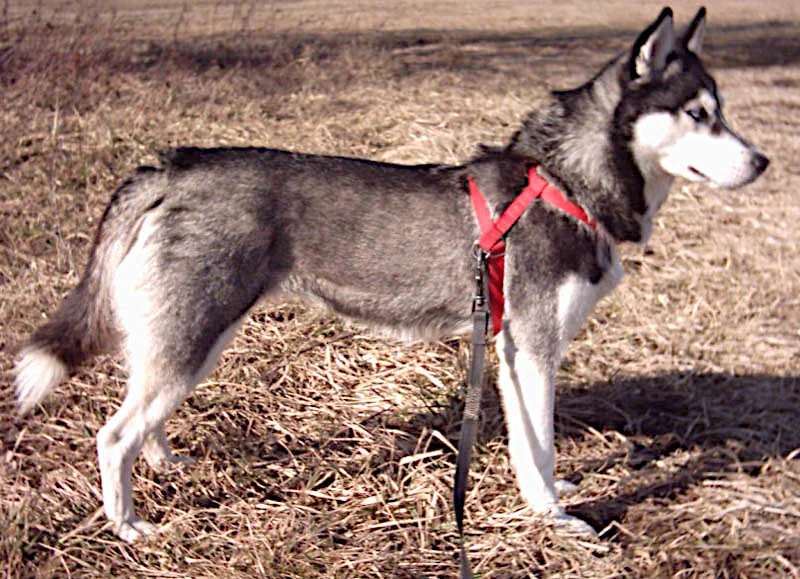
Herding dog
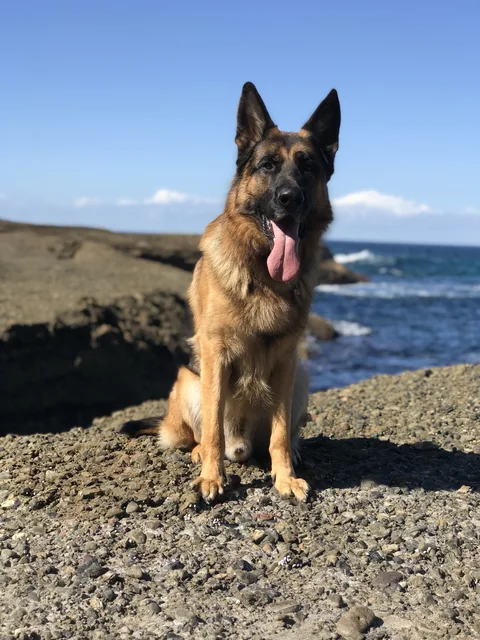
German Shepherd
An alert working dog that enjoys learning and benefits from a clear role. Strength and herding instincts both need to be part of the plan.
Sled dog
An enduring sled dog with a dense coat and a strong need to move. Company, secure routes and summer heat all need planning.
Siberian Huskies were bred to work in cold conditions. Many enjoy covering distance. Recall, howling and escape attempts are practical concerns for owners.
Plan at least two hours of varied exercise and activity. Gardens and off-lead areas need to be genuinely secure. Adjust exertion and timing carefully in warm weather.
Being alone needs gradual practice. The RSPCA advises no more than four hours at a time; puppies and some adults need much shorter intervals. Arrange company during longer absences.
Brush the dense double coat regularly and much more during seasonal shedding. Heavy moulting is part of the year.
PDSA gives an adult height of 51 to 60 cm and recommends substantial daily activity. Size alone says nothing about safe exercise in heat.
Listed concerns include hip dysplasia, epilepsy, eye conditions and certain cancers. PDSA recommends eye screening for breeding dogs among other checks.
Breed traits describe tendencies. Breeding line, socialisation, care and experience shape the individual. Children and animals always need responsible supervision.
Selected by shared size, activity, grooming and training characteristics.
Herding dog
An alert working dog that enjoys learning and benefits from a clear role. Strength and herding instincts both need to be part of the plan.
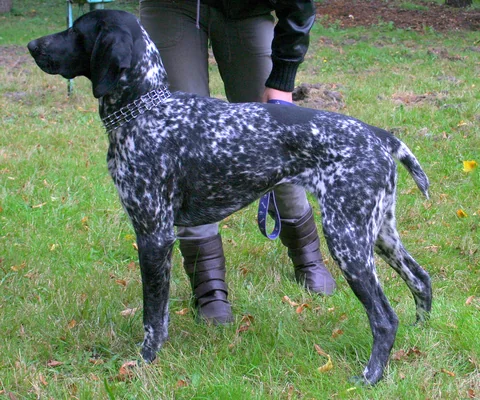
Pointing dog
A versatile hunting dog with a fine nose and high stamina. Shared work and reliable recall are central parts of daily life.
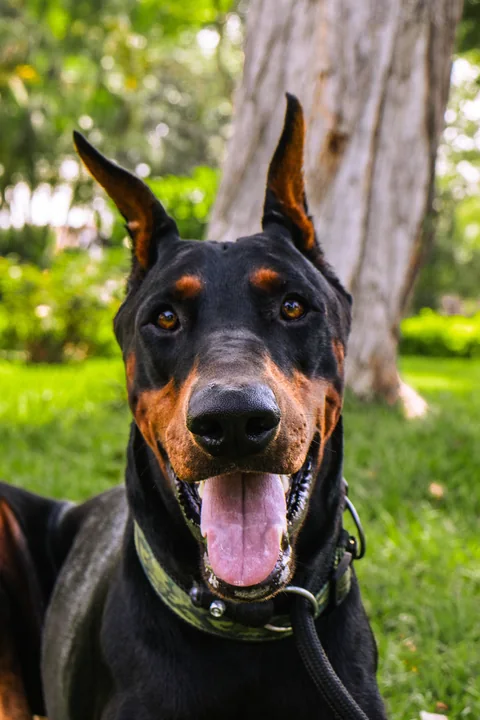
Working and guarding dog
Athletic, alert and closely bonded to its family. A Dobermann needs plenty of exercise and regular training, while its short coat requires little grooming.
Portrait · xJaM (talk · contribs) · CC BY-SA 3.0 · Image cropped