 fellfolio
Herding dog
Rough Collie
The Rough Collie comes from sheep work in Scotland. Many enjoy close family life. Regular walks, coat care and a quiet place when visitors arrive are part of the routine.
At a glance
- Size
- Large
- Height at shoulder
- 51 to 61 cm
- Lifespan
- over 12 yearsUK Royal Kennel Club breed profile
- Activity
- Moderate
- Grooming
- Daily
- Training
- Patience & clear guidance
- Owner experience
- First dog with support
Watchful without constant intensity
The Rough Collie’s ancestors worked sheep in Scotland. Today it is often a companion that watches its surroundings closely and enjoys family company. Many get on well with children and other dogs when meetings start calmly. When visitors are lively, give the dog a quiet place and let it join them later if it wishes. A Collie should not have to tolerate noise or hugs simply because the breed is thought of as gentle.
Some Collies announce visitors loudly. Teach a brief cue to interrupt barking and reward the dog for returning to you. A sensitive dog usually learns more easily with a quiet voice and predictable routines than with loud corrections.
Everyday life
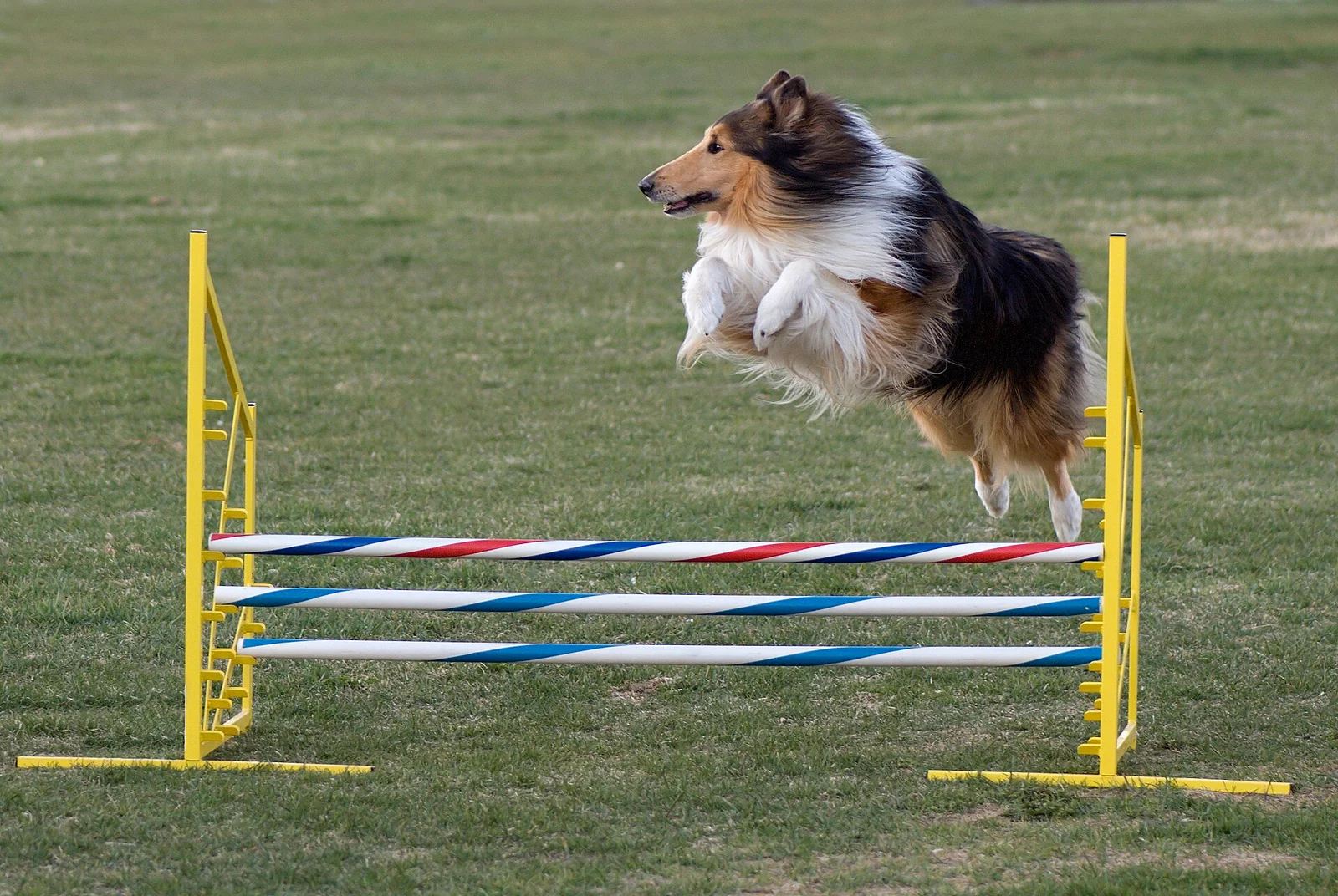
The Royal Kennel Club puts Rough Collies in an up-to-one-hour-a-day exercise category. Several walks, play and short searches suit many adults. A Collie does not need a flock to enjoy learning: hide a toy, practise recall between two points on a walk or teach it to distinguish simple objects.
Watch the individual. Some enjoy longer routes; others want a rest after lively play. The dense coat can make warm weather hard work, so move activity to cooler hours and provide water and shade.
Staying home alone
Dogs learn to stay home alone in small steps. The RSPCA advises no more than four hours at a time. Puppies and dogs that become unsettled when left alone need shorter absences and gradual practice. Arrange someone to care for your dog when you will be away longer.
Day-to-day care
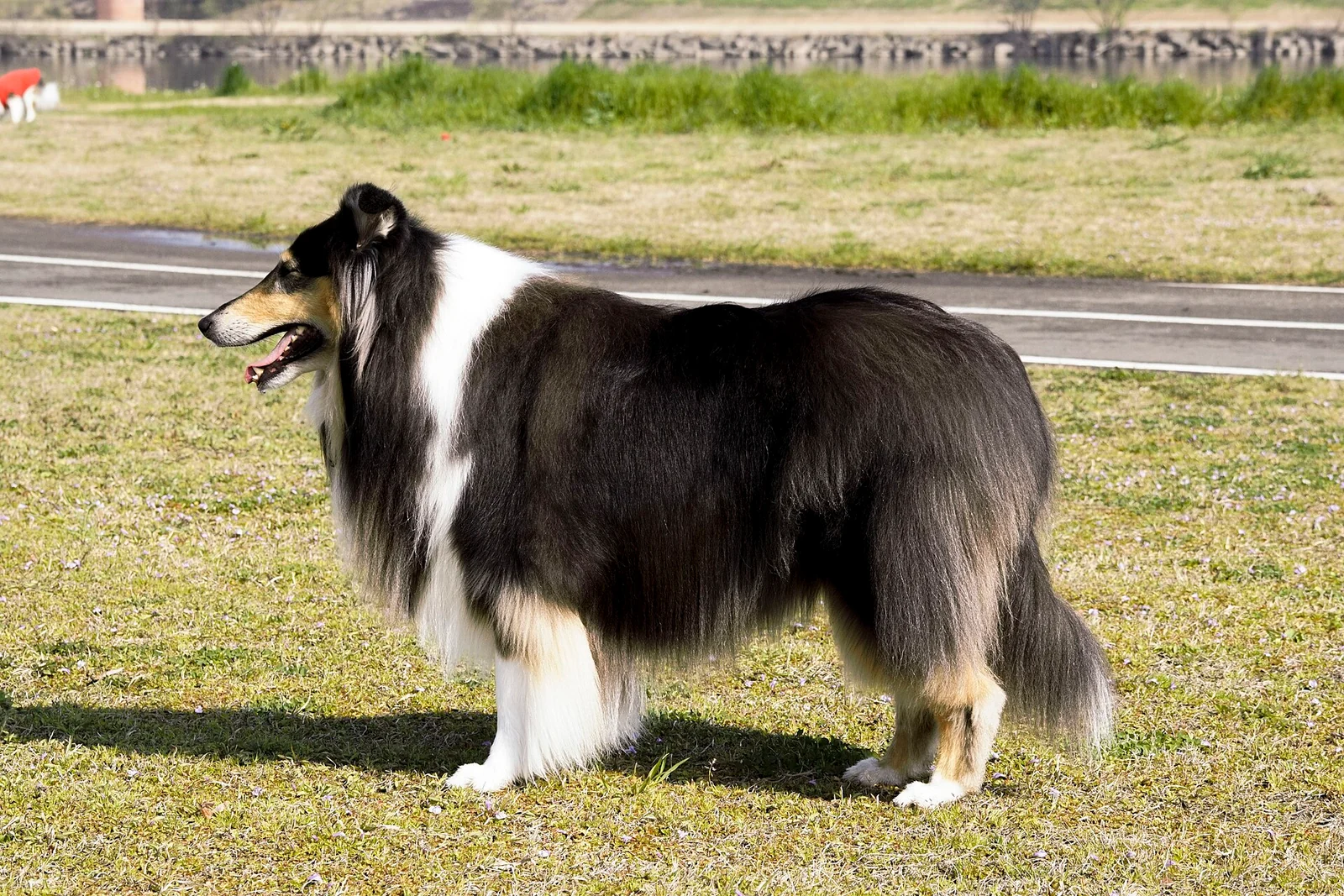
A long outer coat stands over a very dense, soft undercoat. Brush through to the skin regularly; on a heavily coated dog a short, thorough daily session may be easiest. Mats form behind the ears, at the chest, on the legs and beneath a harness. Large amounts of undercoat come loose when it sheds.
Regular brushing and combing are essential for the long coat. Keep the eyes and ears clear and the skin beneath the coat dry. Remove burrs after walks through long grass before they tighten into the hair.
Size and build
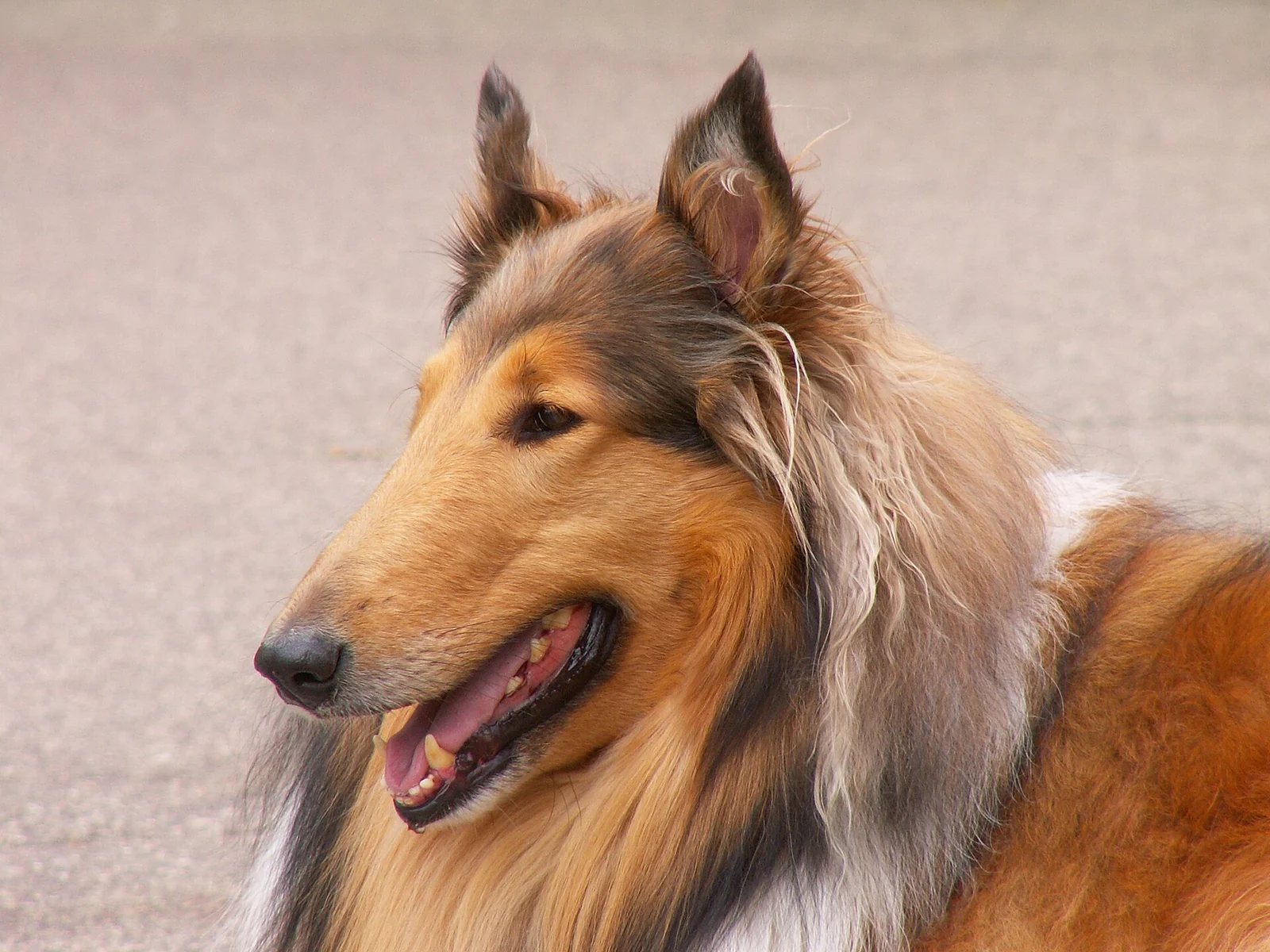
The Rough Collie has a slightly long, athletic body and a long, wedge-shaped head. The British standard gives shoulder heights of 56 to 61 cm for males and 51 to 56 cm for females. Small ears tip forward at the top; movement should be light and free. The full neck ruff and bushy tail complete the outline.
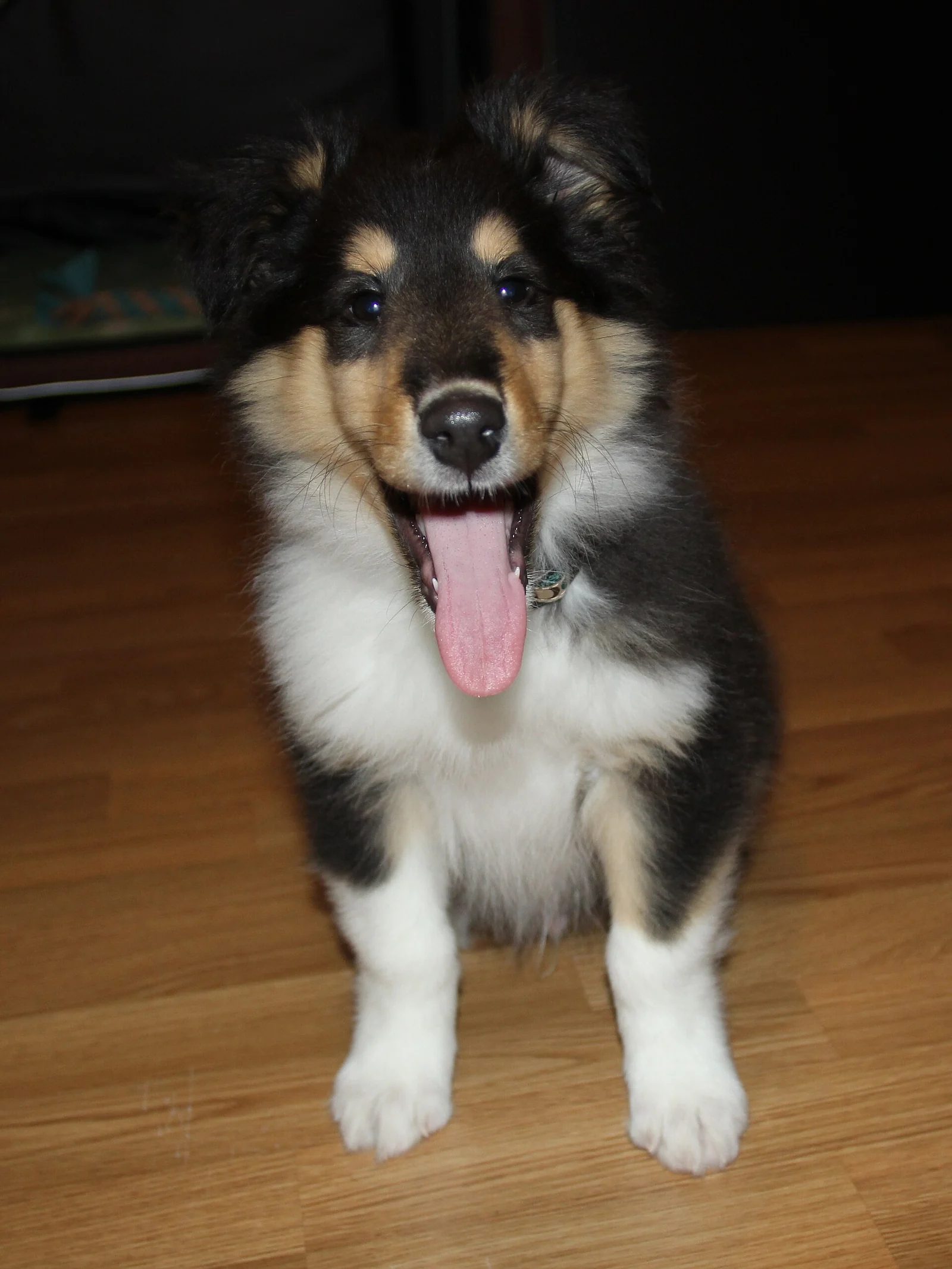
The British standard recognises three colour patterns. Sable-and-white combines golden to dark brown hair with white markings. Tricolour combines black, white and tan. Blue merle has a silvery grey background with black patches and marbling. When choosing a puppy, sound vision and movement matter more than a dramatic pattern. Merle-to-merle mating carries increased risk of sight and hearing problems.
Health
For Rough Collie breeding dogs, the Royal Kennel Club recommends eye and hip examinations. DNA tests include Collie Eye Anomaly, an inherited problem with eye development, and PRA-rcd2, a form of progressive retinal damage. Another test concerns degenerative myelopathy, which damages the spinal cord. Ask for both parents’ individual reports and the litter’s eye examinations.
The MDR1 result is particularly useful when treatment is needed. This genetic change impairs the transport of certain drugs out of the brain, making serious adverse effects possible. Dogs with just one copy can also be sensitive. Keep the report and show it to the vet before treatment so that the medication and dose can be chosen appropriately.
Painful eyes, worsening vision or repeated lameness need veterinary investigation even when breeding records show clear results.
Could this breed fit your life?
Could work well if …
- You want a friendly companion for walks and calm training.
- You can groom a dense coat down to the skin regularly.
May be more difficult if …
- Regular company and coat care are difficult to provide.
- You expect a Collie to handle every situation without practice.
Similar needs, different dogs.
Selected by shared size, activity, grooming and training characteristics.
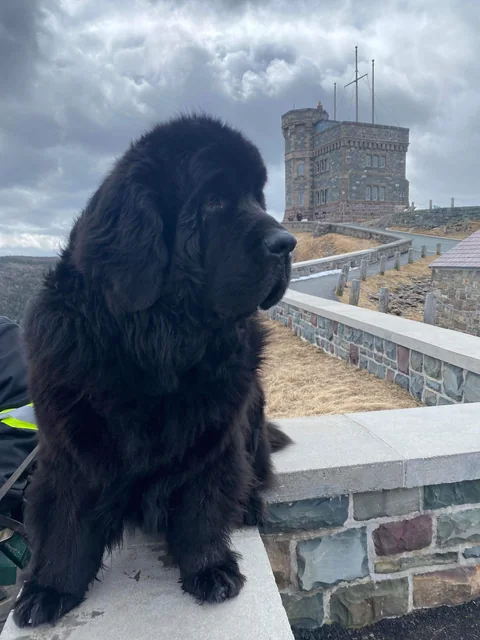
Working water dog
Newfoundland
The Newfoundland is a powerful water-working dog with a calm nature. In family life, its friendly character comes with a real need for space, grooming and careful handling of its size.
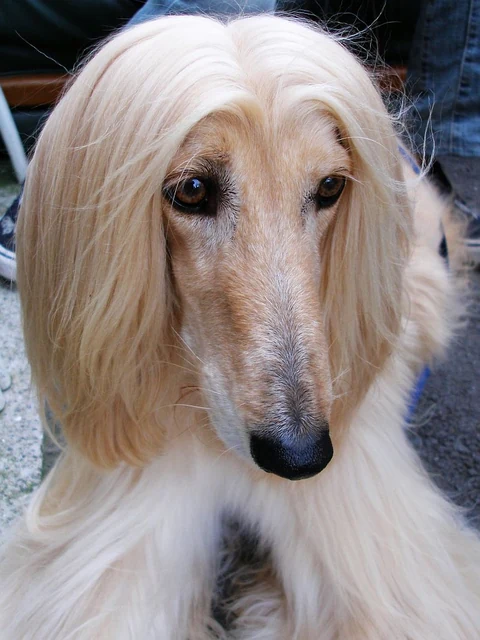
Sighthound
Afghan Hound
There is a fast hunting dog beneath the long silk coat. An Afghan Hound needs secure places to run and a substantial commitment to coat care.
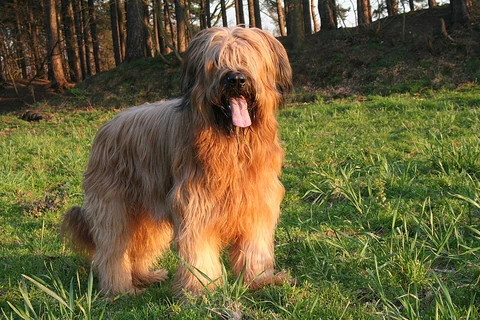
Herding dog
Briard
The Briard is a large French herding dog with a long, coarse-textured coat and an attentive nature. Exercise, consistent guidance and daily grooming all matter.
Sources and photograph credit
- Teaching your dog to be left alone
Used in this profile for: Staying home alone
- Disease Descriptions
Used in this profile for: Health
- Collie (Rough), Breeds A to Z
Used in this profile for: Temperament, Everyday life, Day-to-day care, Size and build, Health, Lifespan, Could this breed fit your life?
- Collie (Rough) breed standard
Used in this profile for: Size / Weight, Temperament, Everyday life, Day-to-day care, Size and build, Lifespan, Could this breed fit your life?
- Multidrug Sensitivity (MDR1)
Used in this profile for: Health
Portrait · Rough Collie portrait · Jim Twitchell (Redacted) · CC BY 2.0 · Edited

Side view · Rough Collie japan03 · Yasu w · CC BY-SA 4.0 · Edited

In action · HMKC 4/24/2007 Practice · Ron Armstrong from Helena, MT, USA · CC BY 2.0 · Edited

Puppy · Rough Collie puppy 8 weeks · Sundance Raphael · CC BY-SA 4.0 · Edited
