 fellfolio
Working water dog
Newfoundland
The Newfoundland is a powerful water-working dog that is often calm and friendly with its family. It needs space, daily coat care and people who can handle its size and dry its coat after swimming.
At a glance
- Size
- Large
- Height at shoulder
- 66 to 71 cm
- Weight
- 50 to 69 kg
- Lifespan
- under 10 years
- Activity
- Moderate
- Grooming
- Daily
- Training
- Patience & clear guidance
- Owner experience
- First dog with support
Calm company, great strength
On the coast of Newfoundland, these dogs hauled fishing nets and carts; later they also worked in water rescue. Many are now patient, people-focused companions. That helps explain their appeal as family dogs, but they remain very large and strong.
Even a friendly dog can knock someone off balance at this size. Practise loose-lead walking, waiting at doors and greeting visitors with four paws on the floor from an early age. Supervise young children around such a heavy dog.
Everyday life
The UK veterinary charity PDSA suggests around an hour of exercise a day for adult Newfoundlands. Steady walks work well, and many enjoy swimming. Choose safe access to the water and stay close rather than letting your dog swim unsupervised.
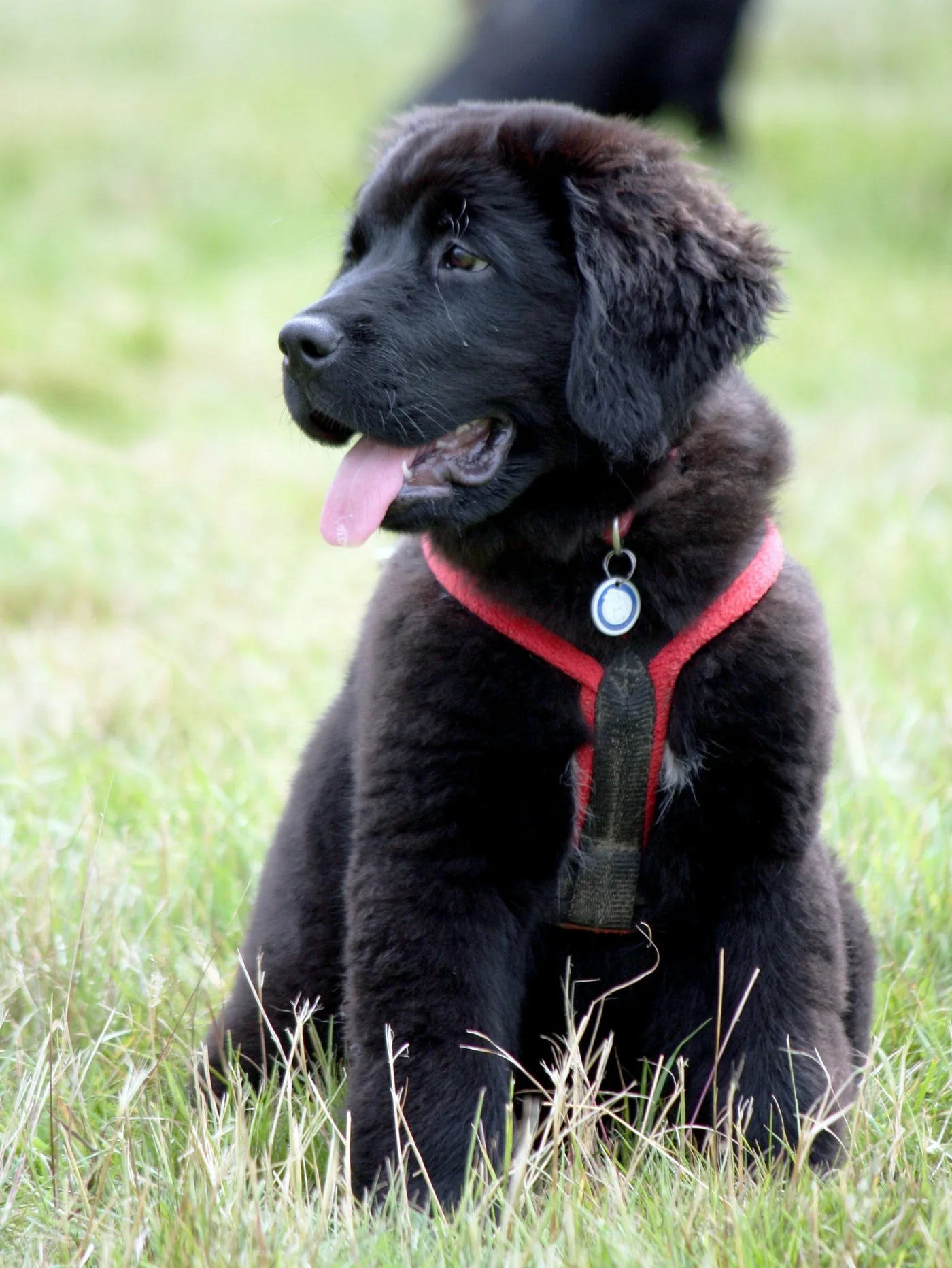
Puppies and young dogs still have developing bones and joints. Long hikes, repeated jumps and exhausting play are poor choices for them. At home, an adult needs enough room to move around and lie down comfortably.
Staying home alone
Dogs learn to stay home alone in small steps. The RSPCA advises no more than four hours at a time. Puppies and dogs that become unsettled when left alone need shorter absences and gradual practice. Arrange someone to care for your dog when you will be away longer.
Everyday dog training: recall, a loose lead and clear communication ↗
Day-to-day care
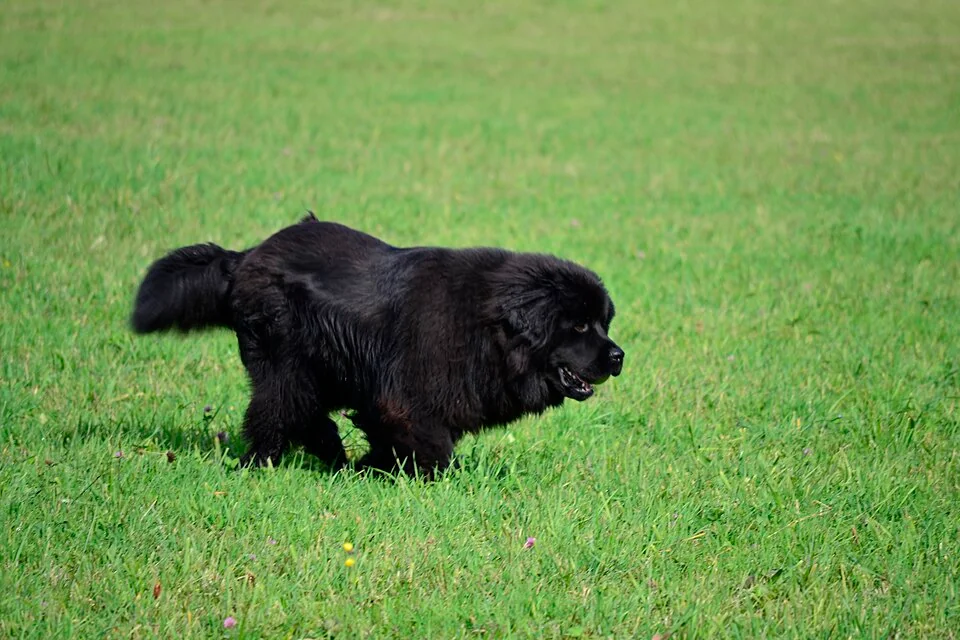
The dense, water-resistant coat has a soft undercoat and longer hair around the neck, chest and legs. Brush it through every day; during shedding seasons loose hair can remain trapped beneath the surface. After a swim, allow time and space for the dog to dry.
Newfoundlands often drool and may leave the area around their water bowl wet. A towel near the bowl and a washable resting spot for a damp dog make everyday life easier.
Size and build
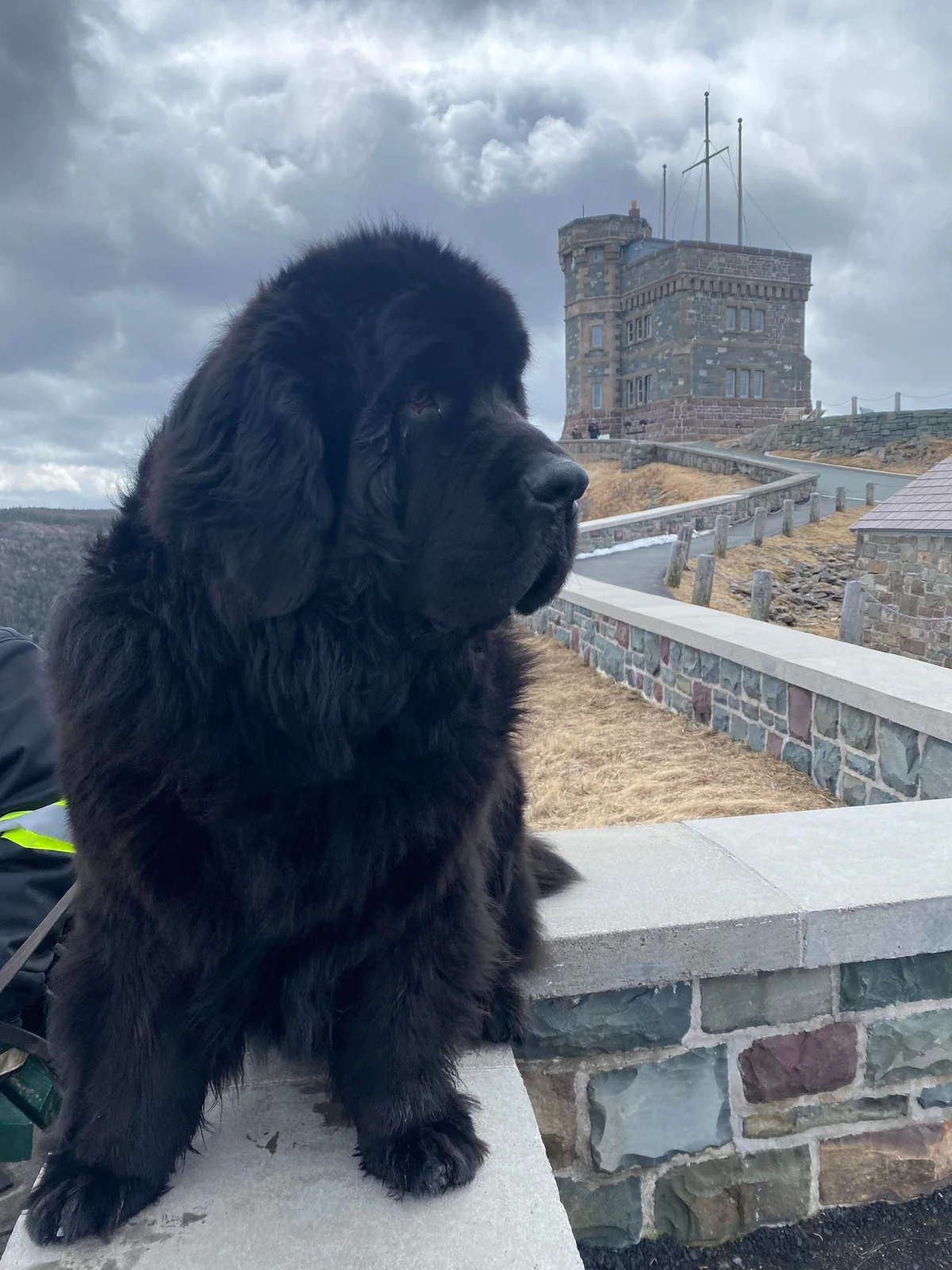
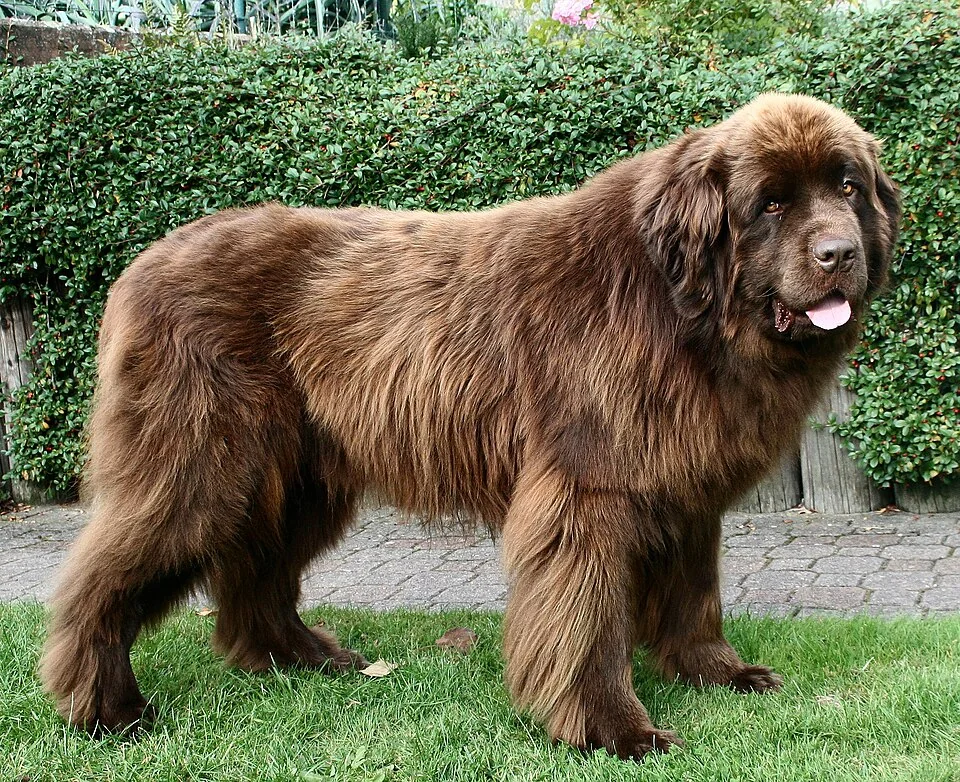
At around 66 to 71 cm at the shoulder and 50 to 69 kg, the Newfoundland is a very large dog. The body is broad and deep, the back strong, and the large feet have webbing between the toes. A dense, slightly oily coat helps shed water; colours include black, brown and white with black.
A broad head carries a strong, fairly square muzzle, with small triangular ears lying close to the head. The body is slightly longer than it is tall and should look strong without looking cumbersome. The well-coated tail hangs low at rest and rises slightly in motion. Watch for even, easy steps and a steady back. The dog should move freely despite its size and coat.
From puppy to senior: caring for your dog through every life stage ↗
Health
If you are looking for a puppy, ask to see both parents’ hip and elbow results, a cardiologist’s heart assessment, ideally including an echocardiogram, an ultrasound scan of the heart, recent eye screening and DNA results for cystinuria. If a parent is documented as genetically clear through its own tested parents, ask to see that paperwork too. In cystinuria, excess cystine passes into the urine and can form stones, sometimes while a Newfoundland is still young. A dog unable to pass urine needs immediate veterinary help.
Subaortic stenosis is one heart condition known in the breed. It narrows blood flow out of the heart. Have the heart results explained to you and arrange a prompt vet check if your dog becomes unusually tired. If it faints, collapses or suddenly struggles to breathe, call your vet or an emergency vet immediately.
This large, deep-chested breed can also develop gastric dilatation-volvulus, a life-threatening twist of the stomach. If your dog retches without bringing anything up, becomes markedly restless or develops a swollen abdomen, call an emergency vet and go in at once. The swelling may not be visible.
Could this breed fit your life?
Could work well if …
- You have room for a very large dog and enjoy calm activities together.
- Daily grooming, water and drool are manageable parts of your routine.
May be less suitable if …
- Your home, car or regular routes cannot accommodate a dog of this size.
- You cannot safely handle a heavy dog or want a low-maintenance companion.
Similar needs, different dogs.
Selected by shared size, activity, grooming and training characteristics.
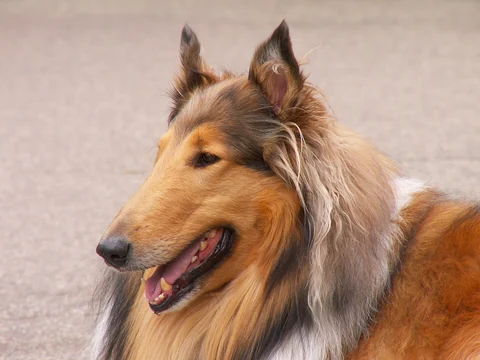
Herding dog
Rough Collie
The Rough Collie comes from sheep work in Scotland. Many enjoy close family life. Regular walks, coat care and a quiet place when visitors arrive are part of the routine.
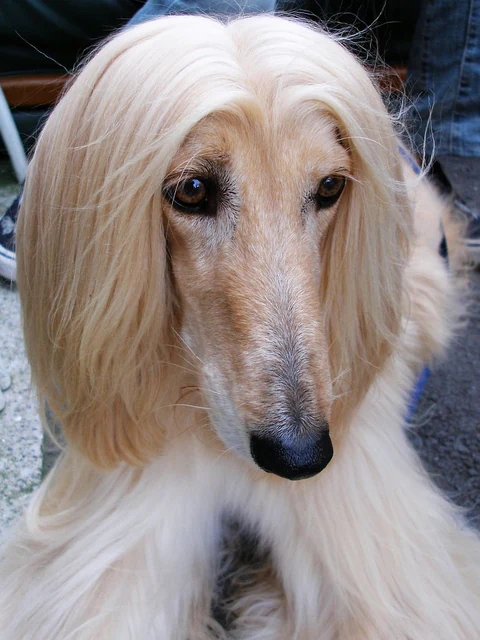
Sighthound
Afghan Hound
There is a fast hunting dog beneath the long silk coat. An Afghan Hound needs secure places to run and a substantial commitment to coat care.
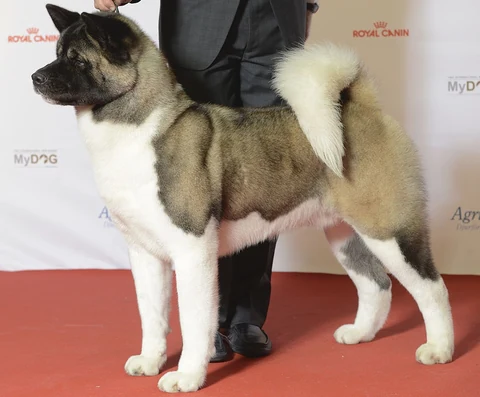
Large companion with Japanese roots
American Akita
The American Akita is a large, powerful dog with a broad head, upright ears and a dense coat. It can be deeply attached to its family while being less comfortable around unfamiliar dogs. Experienced handling and thoughtful arrangements for walks, visitors and temporary care are important.
Sources and photograph credit
- Teaching your dog to be left alone
Used in this profile for: Staying home alone
- The Kennel Club Health Standard
Used in this profile for: Health
- Newfoundland · breed profile
Used in this profile for: Temperament, Everyday life
- Newfoundland · breed standard
Used in this profile for: Size and build
- Newfoundland Club of America · breeding stock health testing
Used in this profile for: Health
- Newfoundland Dog Health Center · subaortic stenosis
Used in this profile for: Health
- First aid for pets struggling to breathe
Used in this profile for: Health
- GDV (gastric dilatation volvulus) in dogs
Used in this profile for: Health
- Newfoundland cystinuria DNA test
Used in this profile for: Health
- Newfoundland · breed guide
Used in this profile for: Size / Weight, Temperament, Everyday life, Day-to-day care, Size and build, Health, Lifespan, Could this breed fit your life?
Photo credits
Portrait · Genadi Yakovlev · Pexels License
Puppy · Karen Arnold · CC0 1.0
In action · File:201210161149d (Hartmann Linge) Angelo Moosbrunn.jpg · © Hartmann Linge, Wikimedia Commons, CC-by-sa 4.0 · CC BY-SA 4.0 · Edited

Side view · File:Ohle01.jpg · Peter Ludes · CC BY-SA 3.0 · Edited
