 fellfolio
Italian livestock guardian with an independent working style
Maremma Sheepdog
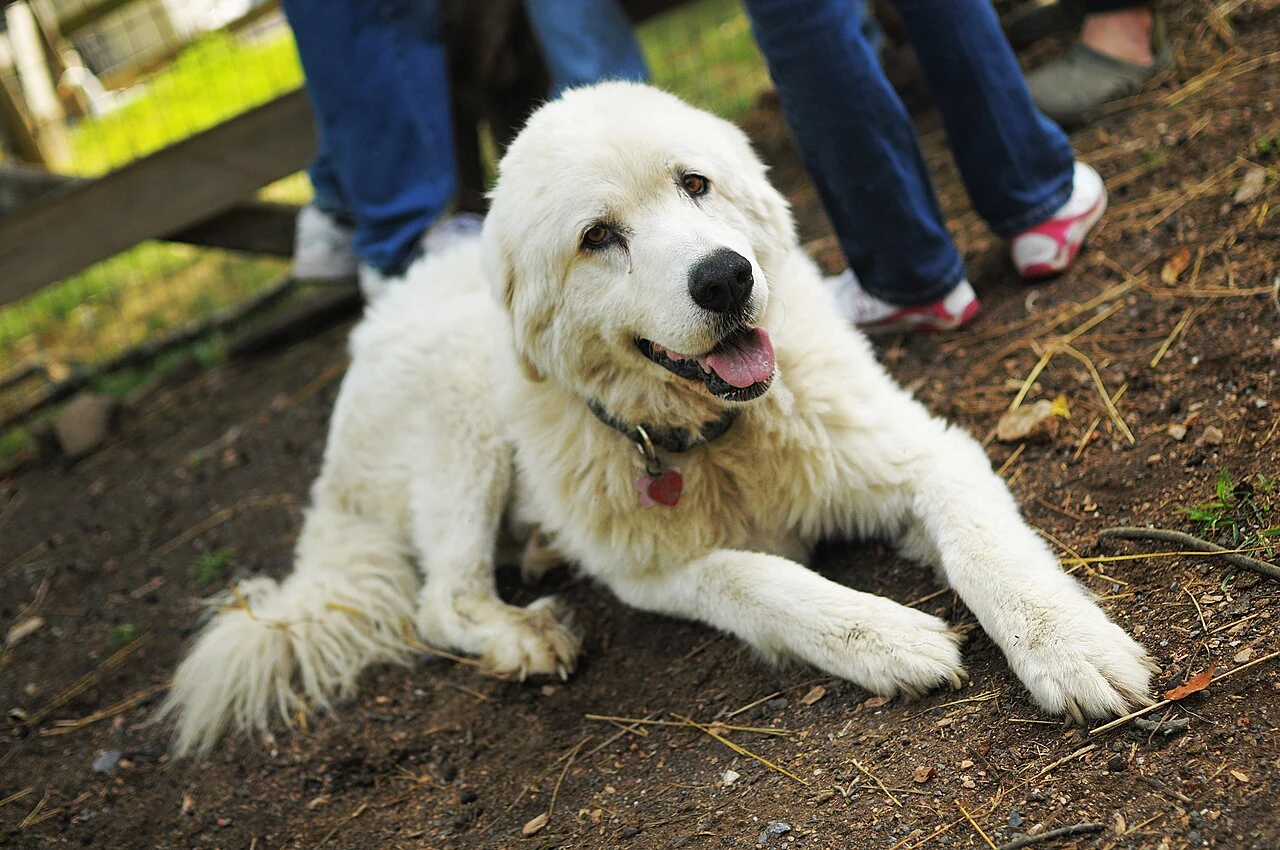
The Maremma Sheepdog is a large white livestock guardian from Italy. Its work involves watching over animals and assessing possible threats independently. Suitable living conditions allow it to carry out that work with knowledgeable support. Its protective behaviour and independence call for considerable experience.
At a glance
- Size
- Large
- Height at shoulder
- 62 to 73.5 cm
- Weight
- 35 to 52 kg
- Lifespan
- over 10 years
- Activity
- High
- Grooming
- Several times weekly
- Training
- Patience & clear guidance
- Owner experience
- Experience recommended
A guardian whose way of life centres on livestock
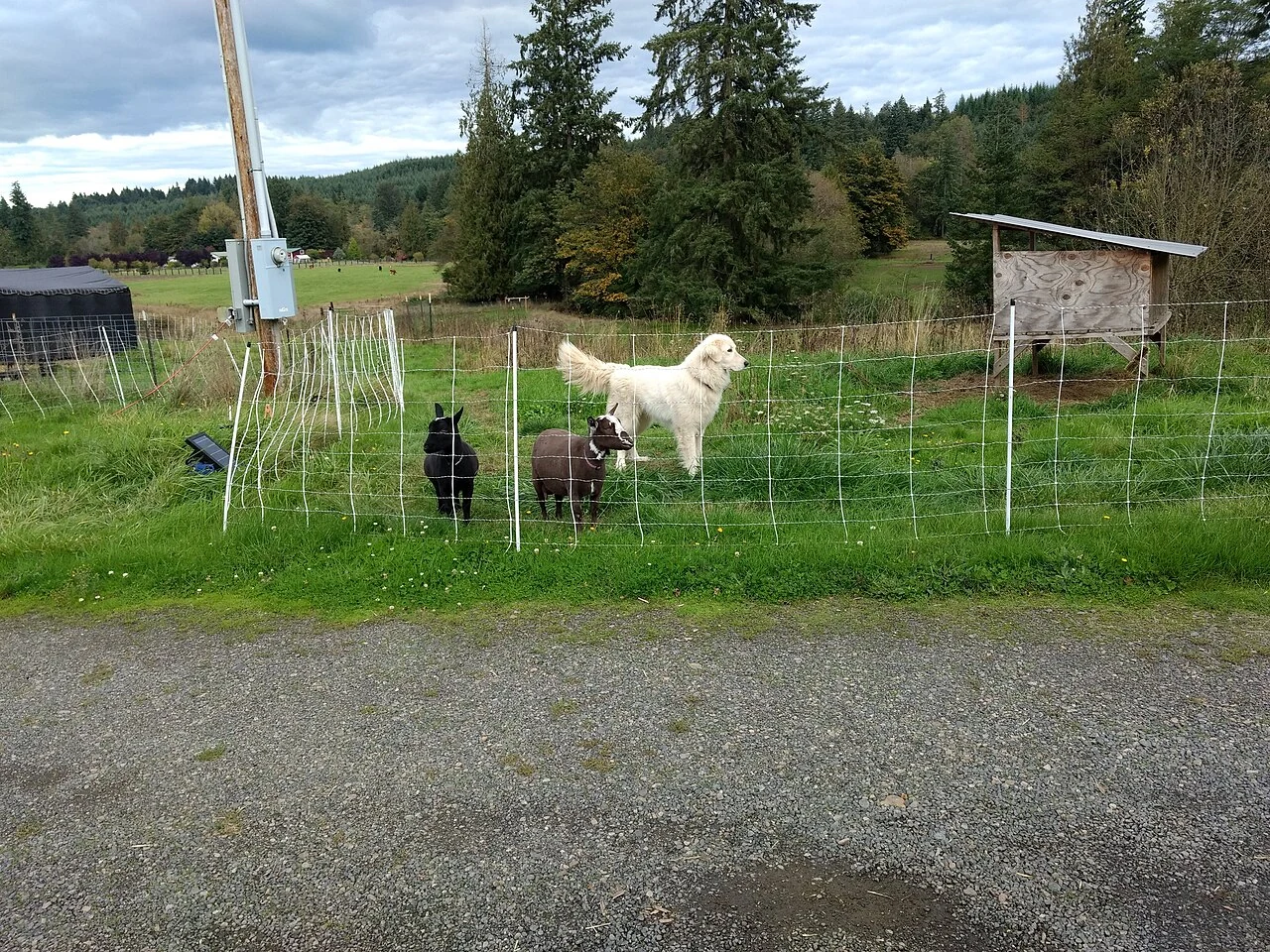
Guarding livestock and herding are different jobs. A herding dog moves animals in response to its handler’s instructions. A Maremma stays with them and watches over them. This work requires close attention to its surroundings and an ability to respond independently. The breed’s roots lie in the white shepherd dogs of the Abruzzi and Maremma regions. Seasonal movement of flocks brought those regional dogs into contact.
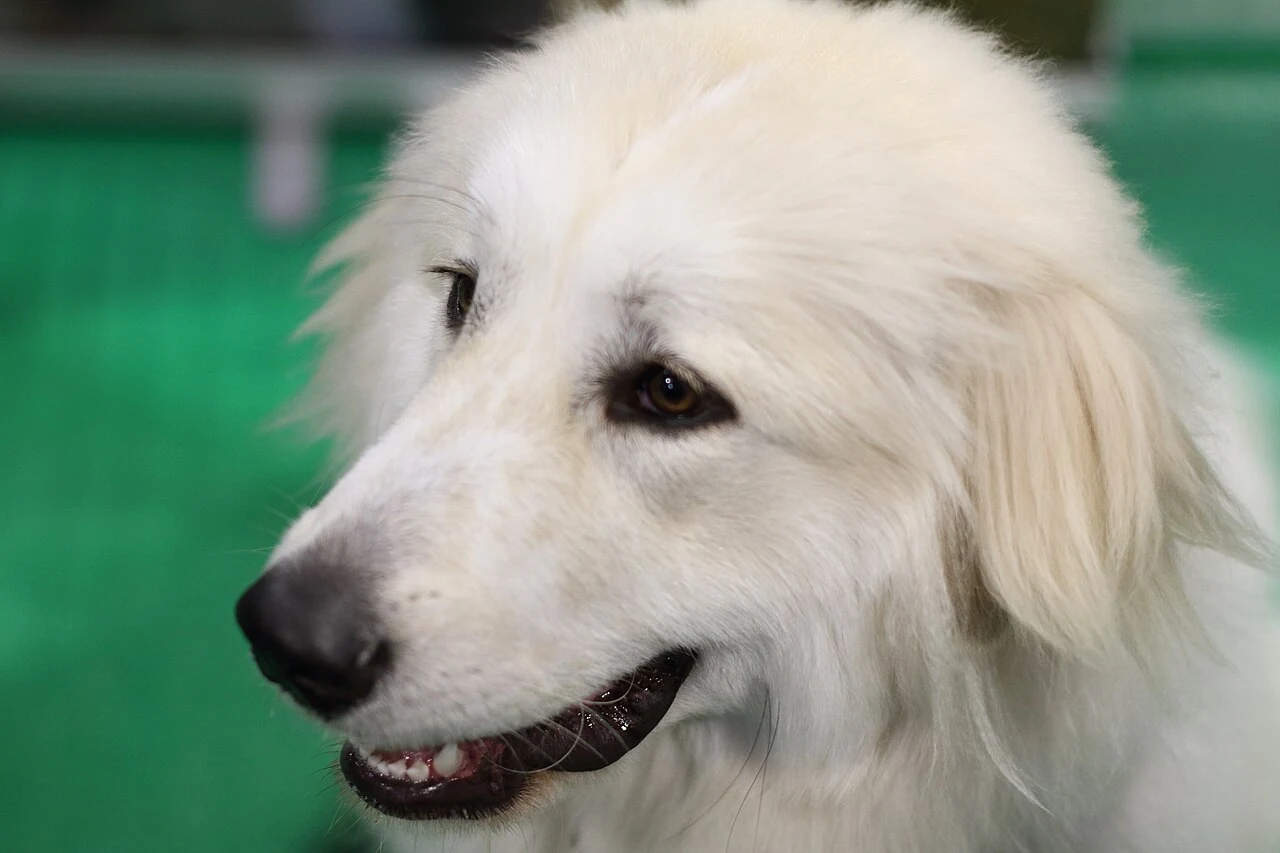
Its dense white coat has firm, largely straight outer hair and an undercoat that becomes particularly thick in winter. The current standard of the international canine federation FCI gives males a shoulder height of 67 to 73.5 centimetres and a weight of 40 to 52 kilograms. Females measure 62 to 70 centimetres and weigh 35 to 45 kilograms. It is a powerful working dog that people should be able to handle safely beyond its property too.
A close bond with familiar people and animals accompanies strong protective behaviour. An unfamiliar visitor at the gate may look quite different to the dog than to its owner. Arrangements for arrivals, where the dog waits and which areas visitors can enter should therefore be thought through. Children need adult supervision around it and should respect its resting places.
Everyday life
The living situation is central to suitability. The Maremma Sheepdog Club of America explicitly advises against keeping the breed solely as a pet. The club describes how independent guarding in a small, unsuitable environment can become increasingly directed towards people and possessions. A rural address and a large garden are therefore insufficient reasons on their own for acquiring one. Appropriate livestock guardian work with suitable animals and experienced support is a particularly relevant setting.
A working dog still needs daily human contact, suitable exercise, fresh water and shelter from the weather. It should receive active care rather than simply being left to manage itself. Practical foundations include secure fencing, reliable gates and clear routines for feeding, visitors and veterinary care. Calm waiting, walking on a lead and comfortable handling can be taught with small rewards.
Carers should know the dog, the livestock and the site. A Fellfolio handover can bring feeding arrangements, access to different areas and important contacts together. On a farm, this is particularly useful if the usual carer becomes unavailable unexpectedly. How the dog can work appropriately with the flock should be assessed on site by someone experienced in livestock protection.
Staying home alone
Dogs learn to stay home alone in small steps. The RSPCA advises no more than four hours at a time. Puppies and dogs that become unsettled when left alone need shorter absences and gradual practice. Arrange someone to care for your dog when you will be away longer.
Everyday dog training: recall, a loose lead and clear communication ↗
Day-to-day care
The substantial coat should be brushed and checked for knots several times a week. Much of the undercoat may come loose during shedding. Dense hair can conceal small skin injuries or trapped plant material, so a careful check after working outdoors is useful.
Paws and nails need regular attention. A lame dog should have its condition assessed instead of being expected to continue working. A suitable brush and dog toothpaste are useful for dental care. Friendly introduction to brief grooming sessions is worthwhile early in life. When a heavy adult needs examination or care for an injured paw, familiar handling and calm standing make things easier for everyone.
Size and build
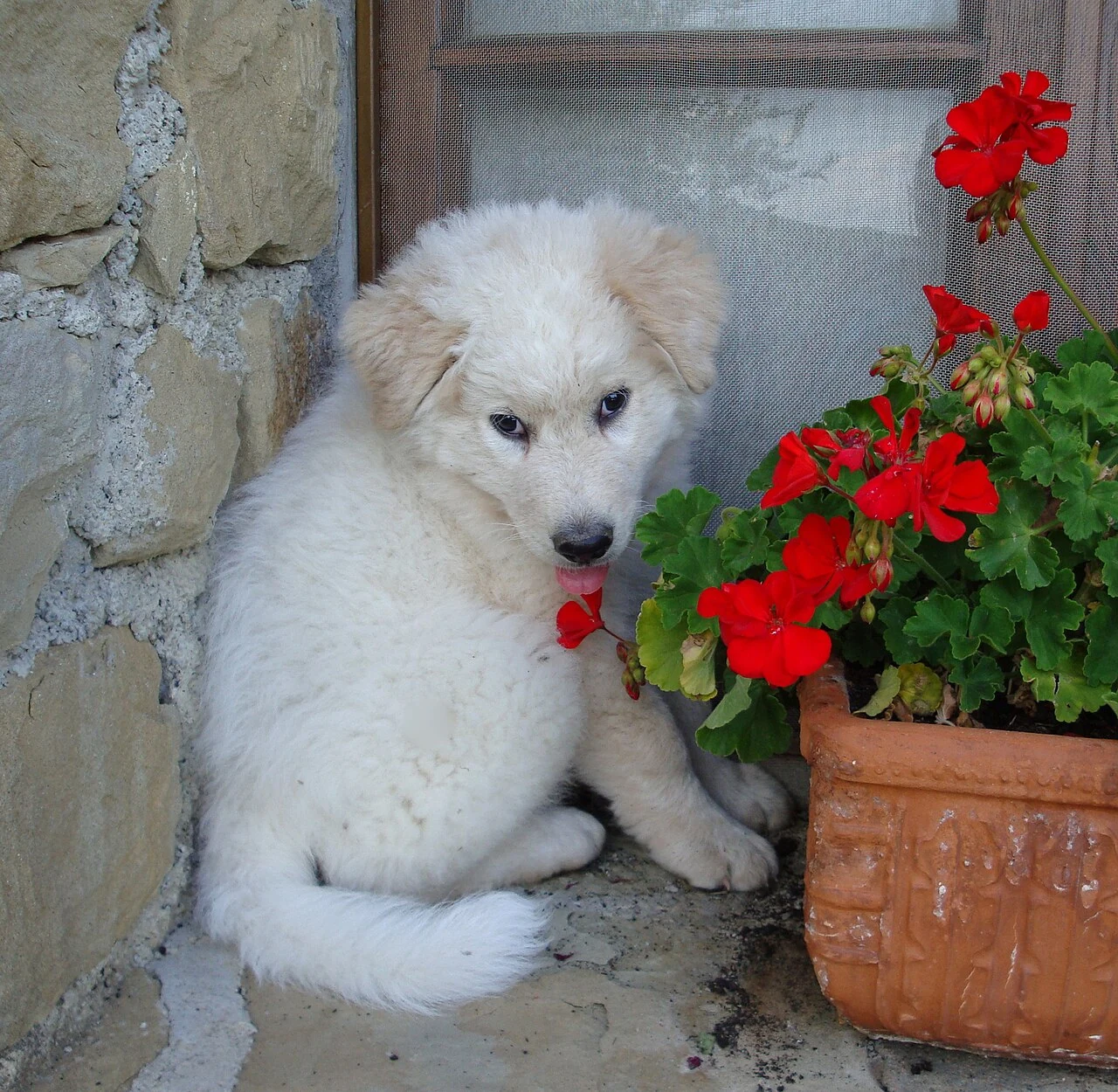
A bond with livestock develops through appropriate early experiences and knowledgeable supervision. A puppy should have a planned introduction to the flock and should not be left to play freely with the animals. The livestock species, the behaviour of individual animals and safe retreat areas for the puppy all need consideration. Experienced breeders and livestock guardian specialists can help with this process.
A young Maremma is still developing into a reliable adult guardian. Responsibility for both the dog and livestock remains with people. While growing, it needs exercise with breaks and should not be encouraged into long runs or repeated high jumps. In later life, shorter working periods, a comfortable bed and easier access to different areas may be needed. Fellfolio can record changes in movement and veterinary recommendations for its care.
From puppy to senior: caring for your dog through every life stage ↗
Health
Both parents’ hip examination results should be available before a puppy is chosen. Britain’s Royal Kennel Club recommends hip screening, and the American breed club includes it in its breeding guidelines. Hip dysplasia is abnormal development of the hip joint. It can cause pain, lameness and later joint damage. A healthy weight and exercise suited to the dog’s age matter for a working guardian too.
The breed club also recommends veterinary assessment for possible inherited abnormalities. These include an eyelid that rolls inward, allowing hair to rub against the eye’s surface. A watery, red or repeatedly closed eye should be examined promptly. Before acquiring a dog, you should ask which conditions are known in the family and which examinations have actually been completed.
Regular preventive care belongs in the farm routine. Vaccination and parasite protection should match the region, the dog’s work and contact with other animals. Weight, injuries and treatments can be kept together in Fellfolio. This also helps different carers understand when restricted activity or a follow-up examination is needed.
Could this breed fit your life?
Could work well if …
- You can offer suitable living conditions and knowledgeable livestock guardian work.
- You understand livestock protection or can arrange experienced support before acquiring a dog.
- Fencing, gates, visitors and cover for the usual farm carer are reliably organised.
What to consider
- The breed is developed for independent livestock protection and should be chosen with that work in mind.
- Limited living space and frequent unfamiliar visitors can make guarding difficult to manage.
- Early livestock experiences require knowledge and responsible human supervision.
Similar needs, different dogs.
Selected by shared size, activity, grooming and training characteristics.
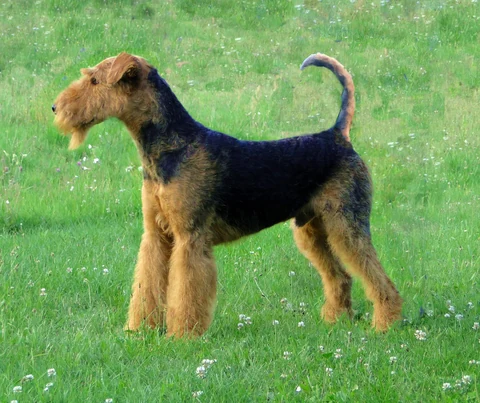
Large terrier from Yorkshire
Airedale Terrier
With its wiry coat, long head and distinctive beard, the Airedale is hard to miss. It is the largest terrier and shares much of the curiosity and independence of its smaller relatives. The breed originated along Yorkshire’s rivers, where dogs were needed for hunting on the banks. Today it suits people who enjoy being out with their dog, train patiently and make time for regular coat care.
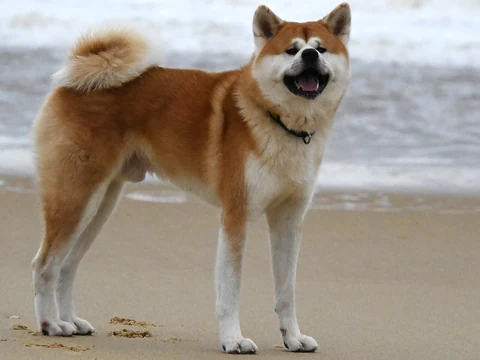
Japanese spitz with a dense undercoat
Akita
The Japanese Akita is a large dog with a dense undercoat, upright ears and a curled tail. It can form close bonds with familiar people while remaining more reserved with strangers. Its independence and hunting instincts suit people willing to guide encounters calmly and work with it regularly.
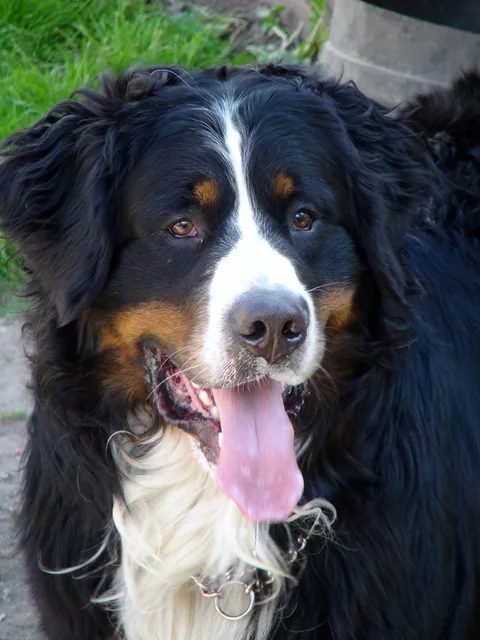
Swiss mountain dog
Bernese Mountain Dog
This large Swiss farm dog likes being close to its people. Start lead training early, groom its thick coat regularly and plan summer walks for the cooler parts of the day.
Sources and photograph credit
- Teaching your dog to be left alone
Used in this profile for: Staying home alone
- What is a Maremma Sheepdog?
Used in this profile for: Temperament, Everyday life, Size and build, Could this breed fit your life?
- Starting Your Maremma Pup
Used in this profile for: Everyday life, Size and build
- MSCA Code of Ethics and Standards of Care
Used in this profile for: Everyday life, Health, Could this breed fit your life?
- Abruzzes and Maremma Shepherd Dog, FCI Standard No.201
Used in this profile for: Size / Weight, Temperament, Day-to-day care
- Maremma Sheepdog
Used in this profile for: Everyday life, Day-to-day care, Health, Lifespan, Could this breed fit your life?
- Entropion in dogs
Used in this profile for: Health
- Exercising your puppy
Used in this profile for: Size and build, Health
- Children and Dogs
Used in this profile for: Temperament
- Dog dental care
Used in this profile for: Day-to-day care
- Training your dog
Used in this profile for: Everyday life
Photo credits
Portrait · Maremma at a farm sanctuary.jpg · Mark Peters from Baltimore, USA · CC BY 2.0 · Edited

Coat and features · Crufts 2019- NEC, Birmingham- 08-March 2019 - 32389378087.jpg · adam w · CC BY 2.0 · Edited

Everyday life · Alert Maremma Sheepdog and Nigerian Dwarf Goats.jpg · Wonderchook · CC BY-SA 4.0 · Edited

Puppy · Brando Maremma Sheepdog.jpg · Monica · CC BY 2.0 · Edited
