 fellfolio
Working dog
Hovawart
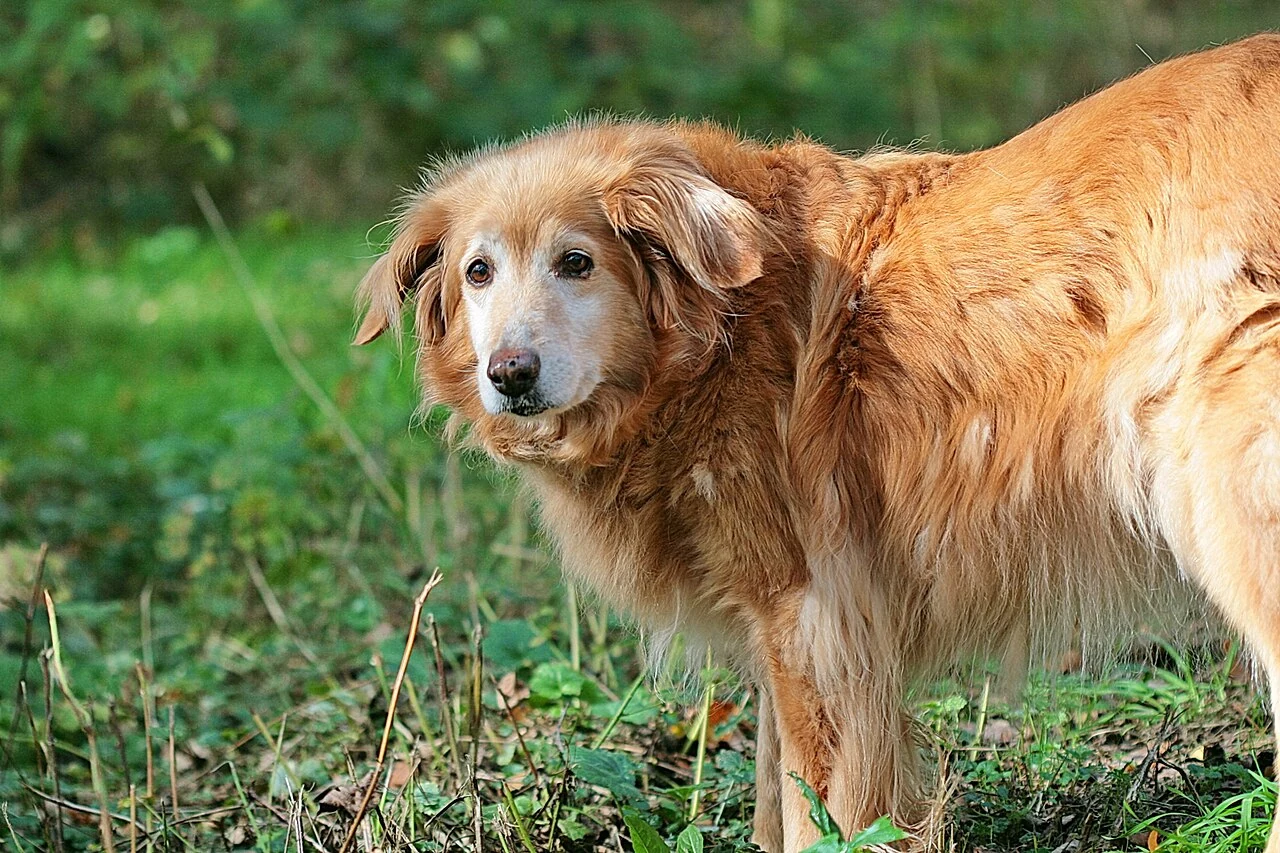
The Hovawart is a large, strong, long-coated dog with a history of guarding farms. Shared exercise, scent work and reliable training belong in everyday life with it. It suits people who want an attentive companion and have the time to shape a rewarding daily routine together.
At a glance
- Size
- Large
- Height at shoulder
- 58 to 70 cm
- Lifespan
- over 10 years
- Activity
- High
- Grooming
- Several times weekly
- Training
- Patience & clear guidance
- Owner experience
- Experience recommended
Watchful at home and active by your side
A Hovawart may pay close attention to activity around its home, reflecting its background as a farm guardian. In family life, however, the dog should not have to decide who is allowed onto the property. The dog can learn to go to a familiar resting place away from the door when visitors arrive. That routine and calm greetings can help it get used to the situation. Guiding the dog from the beginning gives you opportunities to reward the behaviour you want.
The German breed club Rassezuchtverein für Hovawart-Hunde describes a dog closely involved with its family. In practice, that makes shared daily life important. A dog spending most of its time in a garden has few opportunities to get to know its people and the world beyond the fence. Suitability around children, cats or another dog should be considered according to the individual Hovawart’s experience and behaviour.
Everyday life
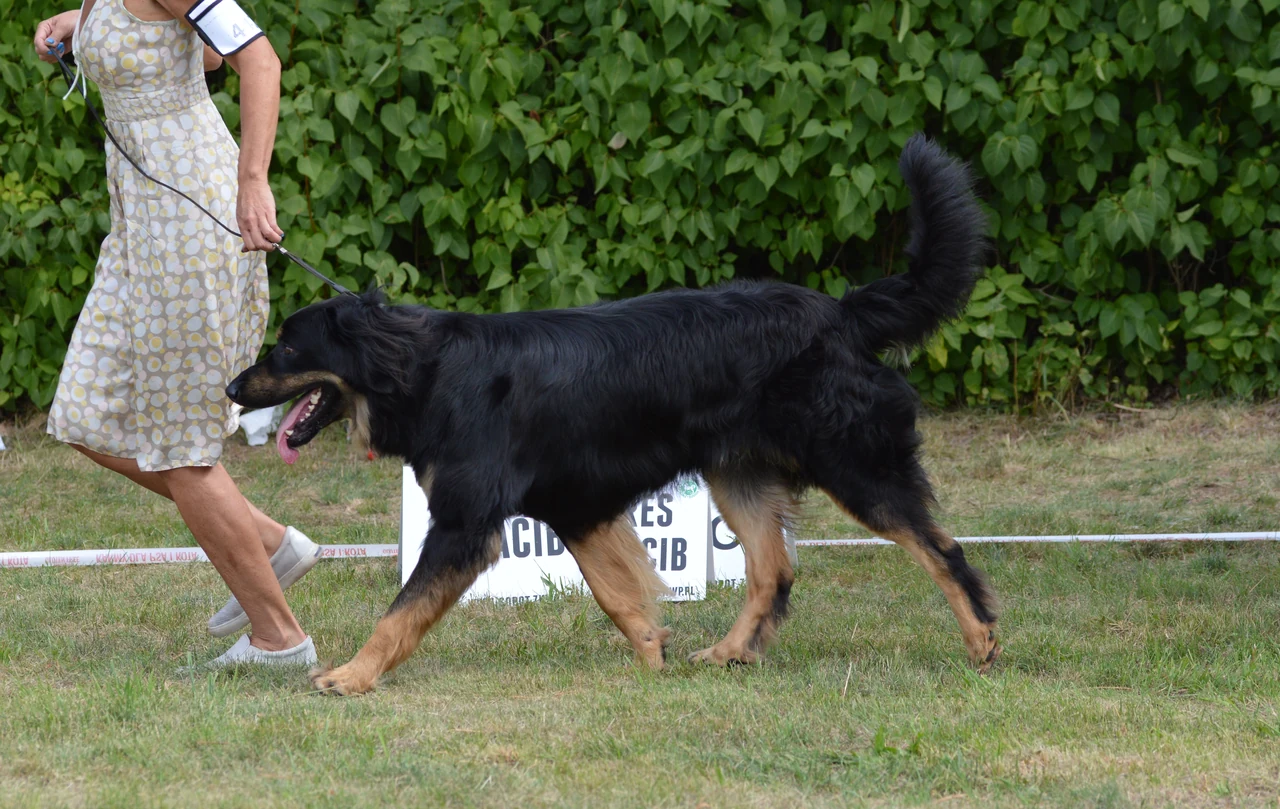
The UK’s Royal Kennel Club gives more than two hours of daily exercise as a broad guide for a healthy adult Hovawart. Shared walks with time for sniffing and exploring fit well within that day. A securely fenced garden is useful, but does not replace outings and involvement with the family.
Scent can provide a different sort of task. When searching for a familiar toy, the dog can first watch where it is hidden. The search can become more challenging as the game becomes familiar. In mantrailing, a dog follows an individual person’s scent to find them. A suitable class develops the task and teamwork gradually. Scent work complements physical activity. A young dog should not start with an adult’s workload. Exercise, rest and sporting tasks should change as it develops.
Staying home alone
Dogs learn to stay home alone in small steps. The RSPCA advises no more than four hours at a time. Puppies and dogs that become unsettled when left alone need shorter absences and gradual practice. Arrange someone to care for your dog when you will be away longer.
Everyday dog training: recall, a loose lead and clear communication ↗
Day-to-day care
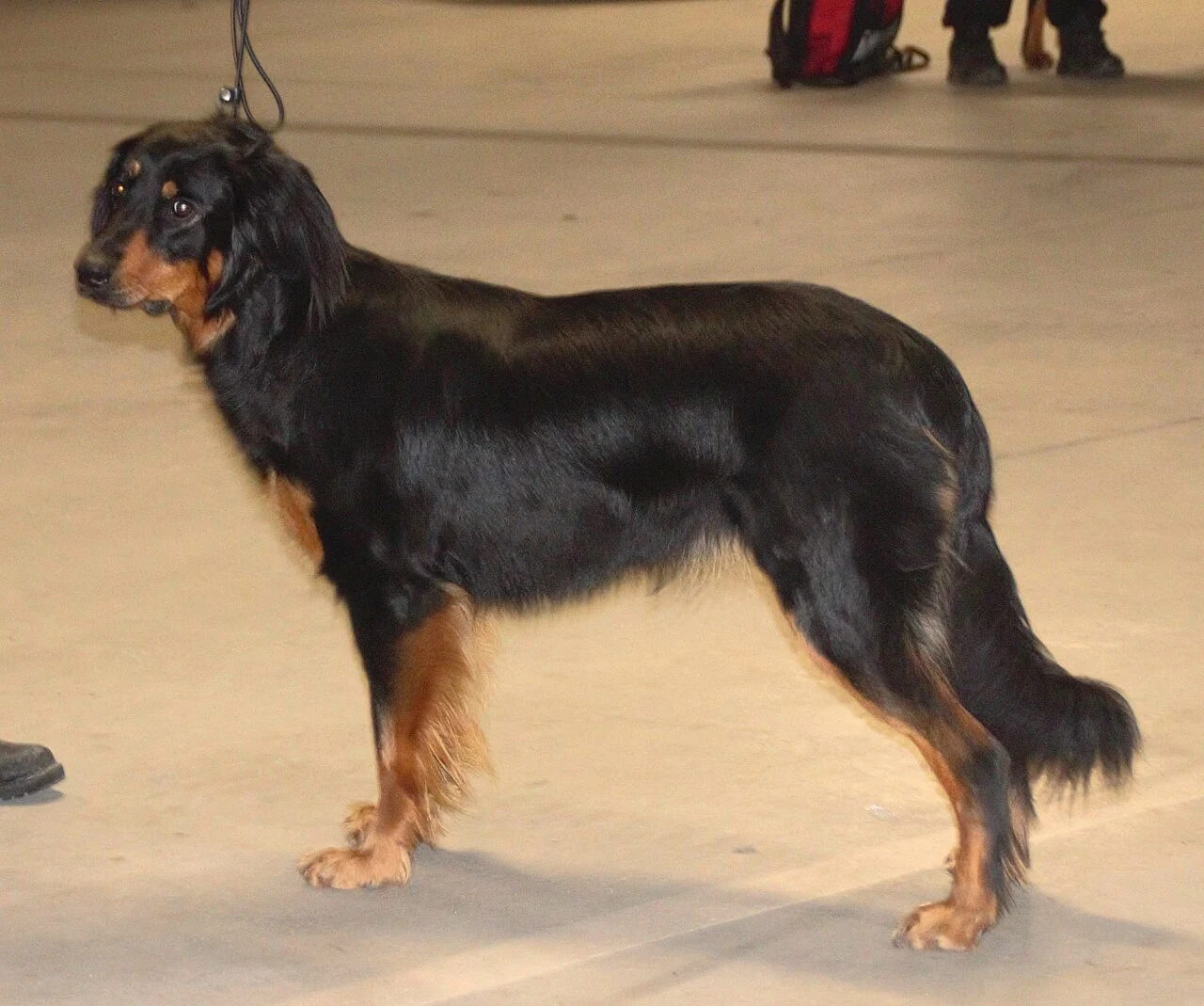
The long coat lies close to the body and, according to the international standard, has relatively little undercoat, the shorter, softer hairs beneath the outer coat. A Hovawart still sheds and needs thorough brushing several times a week. Tangles can develop behind the ears and in the longer hair on the legs. A comb helps you check those areas before larger mats form.
Drying the dog after a walk also provides a chance to look at its paws and skin. Trapped plant material or an irritated patch may be easier to notice then. A puppy should begin learning a brief, comfortable grooming routine early on. Appropriate food portions, nail checks and regular toothbrushing also belong in care. Training treats should count towards the overall amount of food.
Size and build
The Hovawart’s name comes from old words for farm and guardian. Development of the modern breed began in 1922 using farm-dog types and crosses with other breeds, including the German Shepherd, Newfoundland and Leonberger. The aim was a versatile working dog, able to perform different practical tasks.
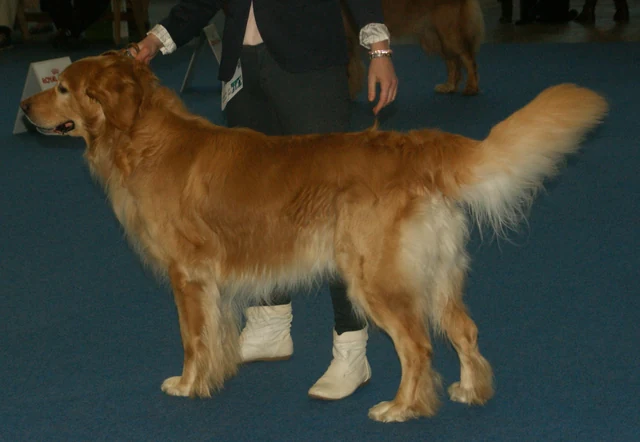
The international standard of the Fédération Cynologique Internationale, or FCI, the federation of national kennel clubs, describes a strong dog with a body slightly longer than its height. It specifies 63 to 70 cm in height for males and 58 to 65 cm for females. Height is measured in a standing dog to the highest point of the shoulders. The standard does not give a fixed weight range. The three coat colours are black, black and tan, and blond. Black and tan means a black coat with clearly defined lighter markings.
From puppy to senior: caring for your dog through every life stage ↗
Health
Before getting a Hovawart, you should be able to check its background and health assessments. The German breed club requires breeding dogs to undergo screening for hip dysplasia and certain hereditary eye conditions. Hip dysplasia is a developmental problem of the joint that can cause pain and later joint damage. An adult that struggles to get up or limps needs assessment regardless of earlier breeding results.
The British Hovawart club also lists thyroid assessments and genetic testing for degenerative myelopathy, or DM. DM is a progressive spinal cord disease that can cause weakness in the hind legs. A DNA test identifies an associated risk. Even a dog with two copies of the tested variant will not necessarily develop the disease. New movement problems need a veterinary diagnosis.
As with other large dogs, owners should recognise the signs of possible gastric dilatation and volvulus, commonly called bloat. The stomach fills with gas and twists. Repeated retching without bringing anything up, marked restlessness or sudden swelling of the abdomen call for immediate contact with an emergency vet. The Royal Kennel Club lists over ten years as a general lifespan guide for the Hovawart.
Could this breed fit your life?
Could work well if …
- People who enjoy longer outings with a dog and are interested in training or scent work.
- A household that plans visitor routines, resting places and care before the dog arrives.
- Owners with experience or good professional support who want to guide a large, watchful dog responsibly.
What to consider
- A property on its own does not replace shared outings and family involvement.
- Watchful behaviour needs early guidance so that handling visitors does not become the dog’s responsibility.
- Health records, grooming and potential veterinary costs belong in the planning before getting a dog.
Similar needs, different dogs.
Selected by shared size, activity, grooming and training characteristics.
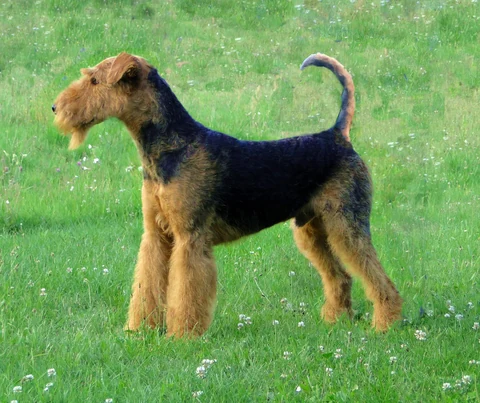
Large terrier from Yorkshire
Airedale Terrier
With its wiry coat, long head and distinctive beard, the Airedale is hard to miss. It is the largest terrier and shares much of the curiosity and independence of its smaller relatives. The breed originated along Yorkshire’s rivers, where dogs were needed for hunting on the banks. Today it suits people who enjoy being out with their dog, train patiently and make time for regular coat care.
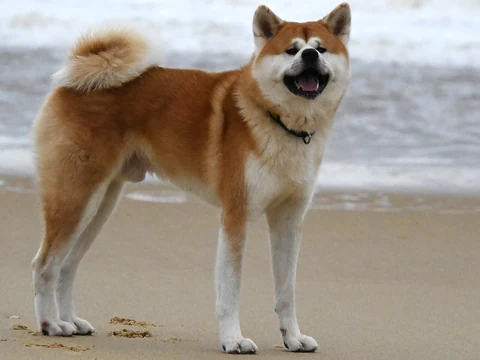
Japanese spitz with a dense undercoat
Akita
The Japanese Akita is a large dog with a dense undercoat, upright ears and a curled tail. It can form close bonds with familiar people while remaining more reserved with strangers. Its independence and hunting instincts suit people willing to guide encounters calmly and work with it regularly.
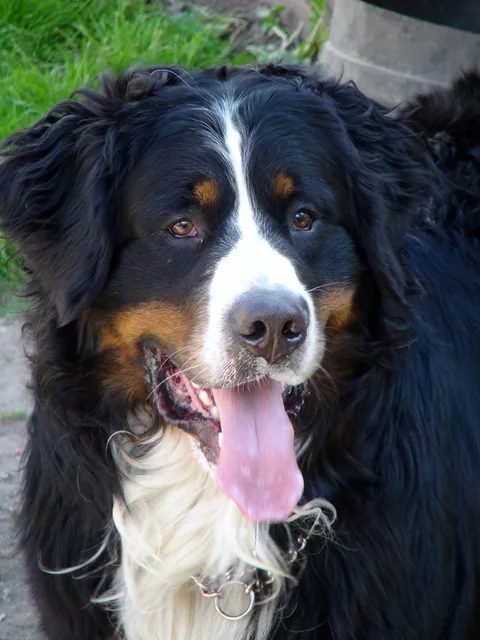
Swiss mountain dog
Bernese Mountain Dog
This large Swiss farm dog likes being close to its people. Start lead training early, groom its thick coat regularly and plan summer walks for the cooler parts of the day.
Sources and photograph credit
- Teaching your dog to be left alone
Used in this profile for: Staying home alone
- Mantrailing for the Scent-Driven Dog
Used in this profile for: Everyday life
- Humane Dog Training Position Statement
Used in this profile for: Temperament, Could this breed fit your life?
- Hovawart
Used in this profile for: Everyday life, Health, Lifespan, Could this breed fit your life?
- Erziehung und Haltung
Used in this profile for: Temperament, Everyday life, Could this breed fit your life?
- Gesundheit
Used in this profile for: Health
- FCI Standard No. 190: Hovawart
Used in this profile for: Size / Weight, Temperament, Day-to-day care, Size and build
- Care and Grooming
Used in this profile for: Everyday life, Day-to-day care
- Hovawart Health
Used in this profile for: Health
- Disorders of the Stomach and Intestines in Dogs: Bloat
Used in this profile for: Health
- Keeping Children Safe Around Dogs
Used in this profile for: With children
- Looking After Your Dog’s Teeth
Used in this profile for: Day-to-day care
- Degenerative Myelopathy
Used in this profile for: Health
Photo credits
Portrait · File:Hovawart-Hündin Lenka IMG 4440.JPG · losch · CC BY-SA 3.0 · Edited

Everyday life · File:Hovawart 2021.jpg · Wojciech Pędzich · CC BY-SA 4.0 · Edited

Everyday life · File:Hovawart-black&tan1.jpg · Canarian · CC BY-SA 4.0 · Edited

Everyday life · File:Hoff-blond1.jpg · Canarian · CC BY-SA 4.0 · Edited
