 fellfolio
Pointing dog
German Wirehaired Pointer
A rugged German hunting dog for field and water. Its wiry coat is practical, but its need for exercise and purposeful activity takes real time.
At a glance
- Size
- Large
- Height at shoulder
- 56 to 67 cm
- Weight
- 20.5 to 34 kg
- Lifespan
- over 10 yearsUK Royal Kennel Club breed profile
- Activity
- Very high
- Grooming
- Weekly
- Training
- Demanding activities
- Owner experience
- Experience recommended
A working dog close to its family
The German Wirehaired Pointer was developed in Germany for versatile hunting work: finding and indicating game, then retrieving it, including from water. It likes to work closely with its person but also makes decisions outdoors. Its drive calls for daily tasks and steady guidance.
It may be watchful around strangers at first. Early, pleasant introductions and clear everyday rules help more than harsh handling. Its wide hunting interests mean that recall and self-control need practice around real scents, not only in a living room.
Everyday life
The Royal Kennel Club places the breed in its more-than-two-hours-a-day exercise category. Long outings, scent work and tasks on land or in water suit its background. For example, hide a toy in different places and ask the dog to find and bring it back. Teach it to settle after activity as well.
A secure enclosure helps with safe off-lead running. In open country, a lead or long line is sensible until recall holds up around wildlife. Someone who is active only at weekends may struggle to meet the daily requirement.
Staying home alone
Dogs learn to stay home alone in small steps. The RSPCA advises no more than four hours at a time. Puppies and dogs that become unsettled when left alone need shorter absences and gradual practice. Arrange someone to care for your dog when you will be away longer.
Day-to-day care
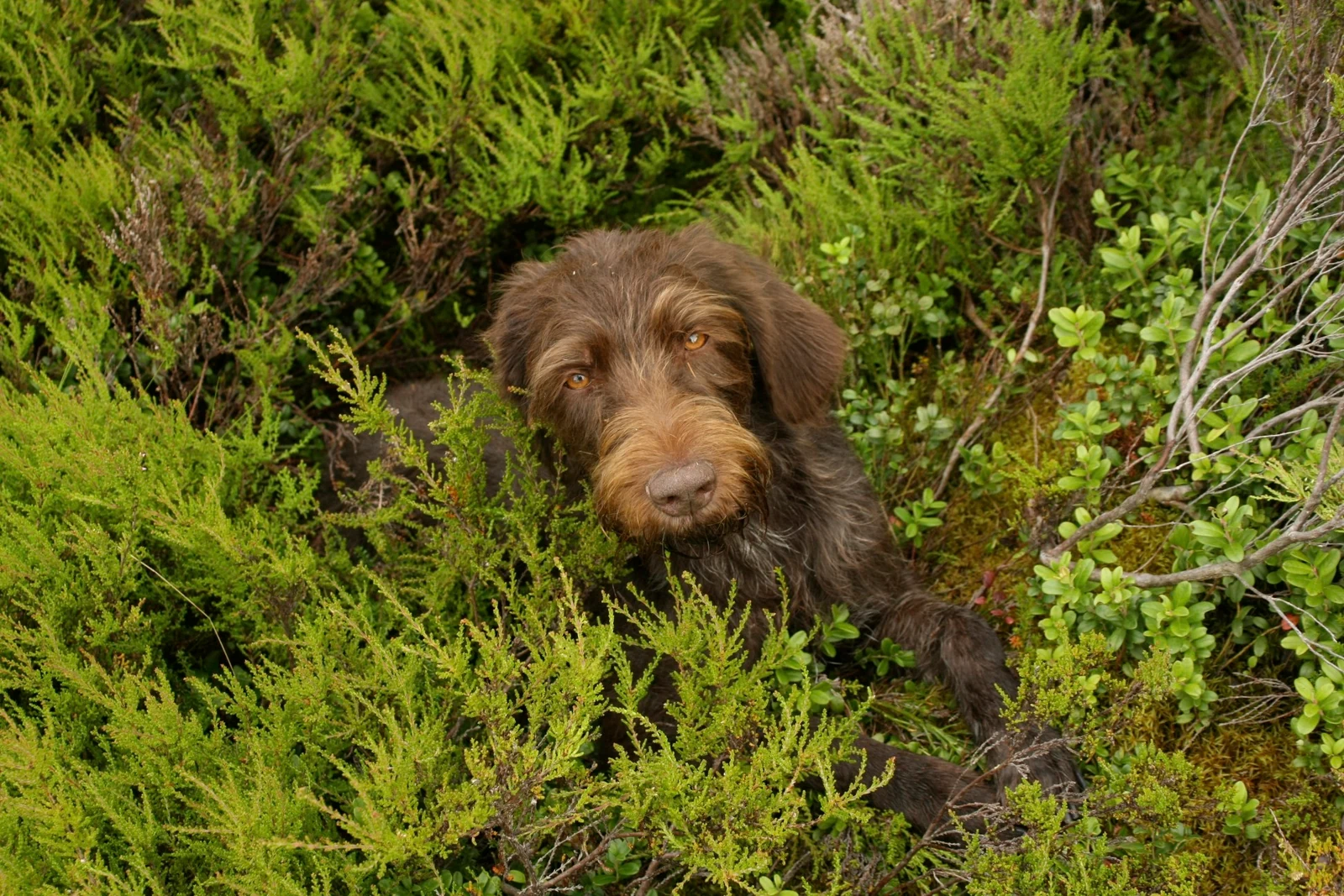
The short-to-medium hard outer coat lies over a dense undercoat and protects the dog in cover and wet weather. A weekly pass with a comb and soft brush removes loose hair and dirt. The beard can hold moisture and food after eating or drinking; clean it when needed.
After field walks or swimming, check ears, feet and eyes for grass, redness or small injuries. Recurrent ear odour or head shaking needs a vet check. More undercoat comes loose during shedding, so brush more often then.
Size and build
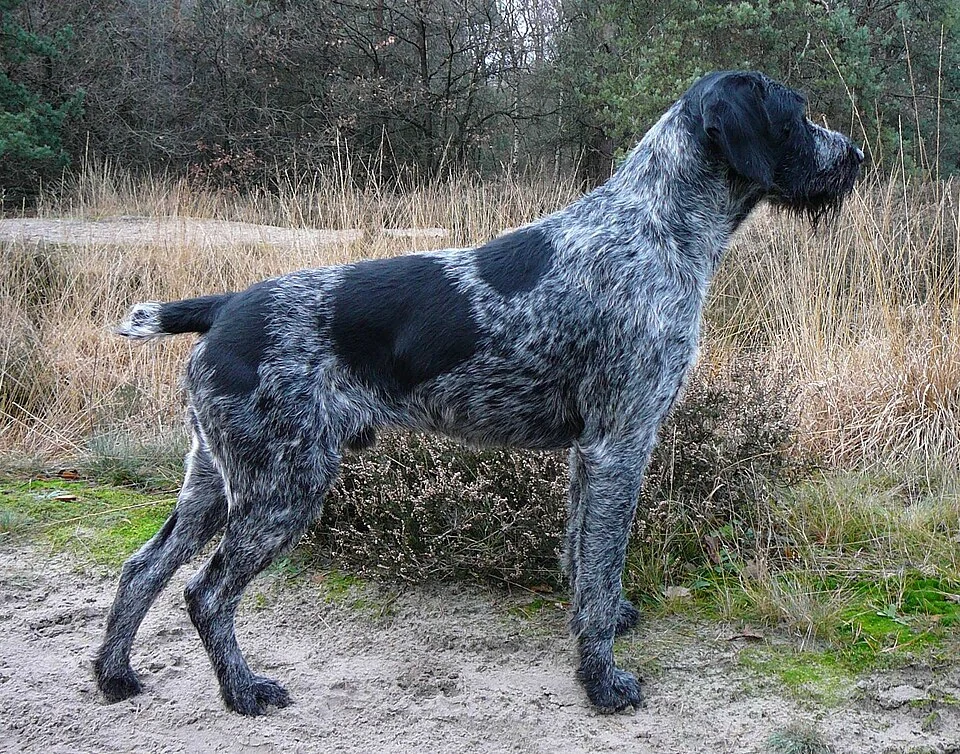
The German Wirehaired Pointer is slightly longer than tall, powerful yet mobile. The British standard gives 60 to 67 cm at the shoulder and 25 to 34 kg for males, and 56 to 62 cm and about 20.5 to 29 kg for females. It has a deep chest and muscular legs, with a stride that covers ground easily.
The dense, harsh outer coat grows no longer than about four centimetres. Bushy eyebrows and a beard frame the face without obstructing vision. Liver-and-white or black-and-white markings occur. Free movement and a useful coat matter more than the fullest possible beard.
Health
The Royal Kennel Club recommends hip, elbow and eye assessments in breeding dogs. A DNA test is available for type 2 von Willebrand disease, an inherited defect in a protein needed to control bleeding. Ask to see both parents’ examination results and any DNA reports, and ask about bleeding problems in related dogs. US breed recommendations also include heart and thyroid checks.
Repeated lameness and eye problems need veterinary examination. Seek immediate help for unusually heavy or prolonged bleeding. Tell the practice about known clotting problems before surgery.
Could this breed fit your life?
Could work well if …
- You are out for long stretches every day and want to practise clear search and retrieve tasks.
- You can guide a strong hunting dog kindly and consistently.
May be more difficult if …
- You want an undemanding dog for occasional weekend adventures.
- Small animals live freely in the home and separation is impossible.
Similar needs, different dogs.
Selected by shared size, activity, grooming and training characteristics.
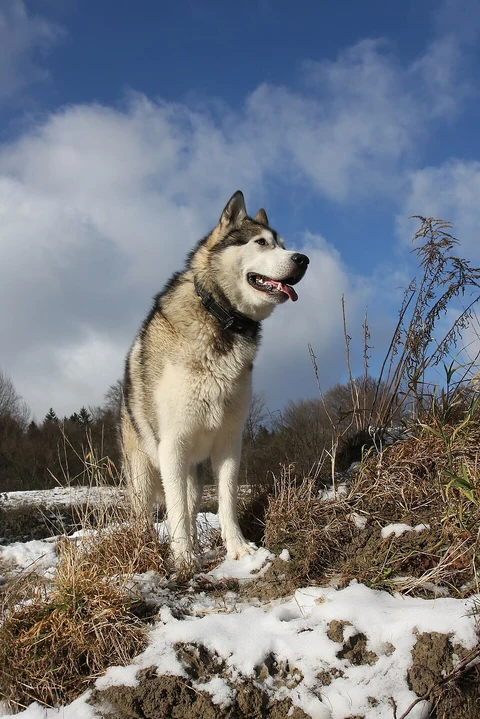
Sled dog
Alaskan Malamute
A powerful sled dog bred for sustained work. Its thick coat, pulling strength and need to move shape daily life far more than its striking Arctic appearance.
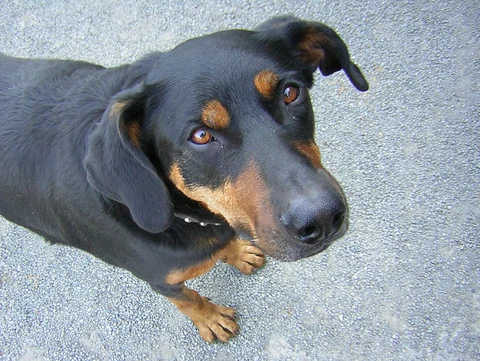
Herding dog
Beauceron
The Beauceron once herded and guarded flocks in France. This large, quick dog needs long outings and early practice with leads, visitors and life around children.
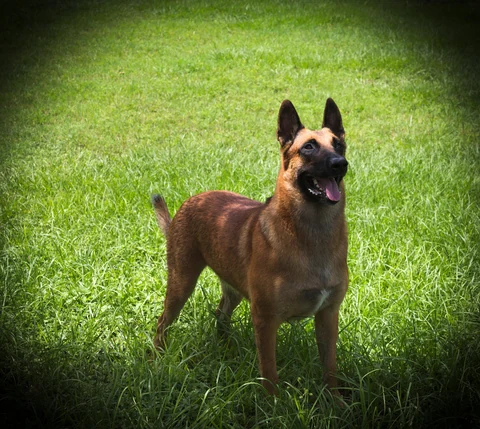
Herding dog
Belgian Malinois
The Malinois learns quickly, moves tirelessly and notices small changes around it. It suits people who can make daily time for training and calm guidance.
Sources and photograph credit
- Teaching your dog to be left alone
Used in this profile for: Staying home alone
- Canine von Willebrand Disease
Used in this profile for: Health
- German Wirehaired Pointer dog breed information
Used in this profile for: Temperament, Everyday life, Day-to-day care, Size and build, Health, Lifespan, Could this breed fit your life?
- German Wirehaired Pointer, Breeds A to Z
Used in this profile for: Temperament, Everyday life, Size and build, Health, Lifespan, Could this breed fit your life?
- German Wirehaired Pointer breed standard
Used in this profile for: Size / Weight, Temperament, Day-to-day care, Size and build, Lifespan, Could this breed fit your life?
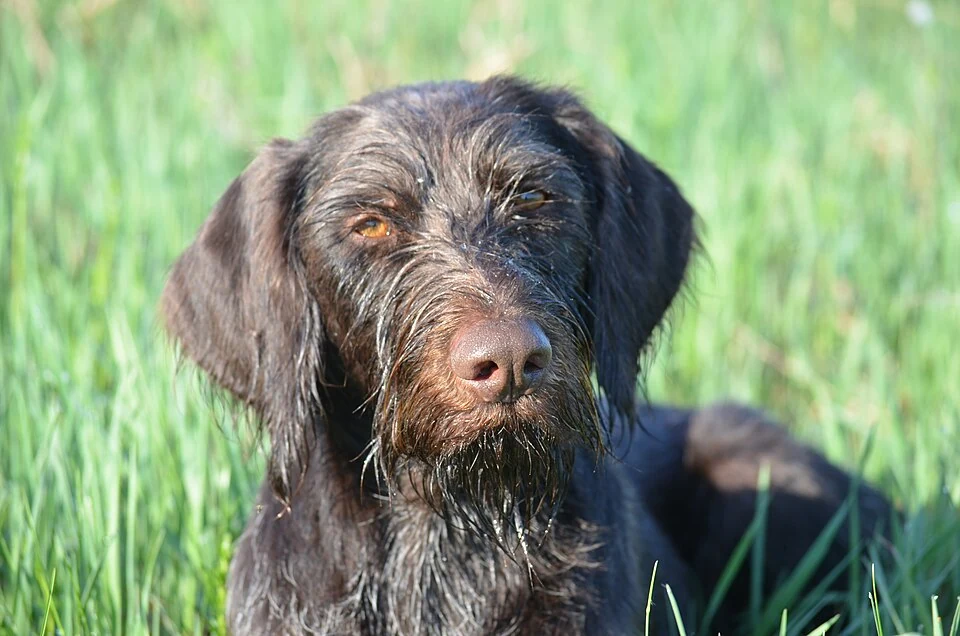
Portrait · German Wirehaired Pointer Azart look, head shape · Kseniya-nosenko · CC BY-SA 4.0 · Edited

Side view · German Wirehaired Pointer 2011 · ad bekkers · CC BY-SA 3.0 · Edited

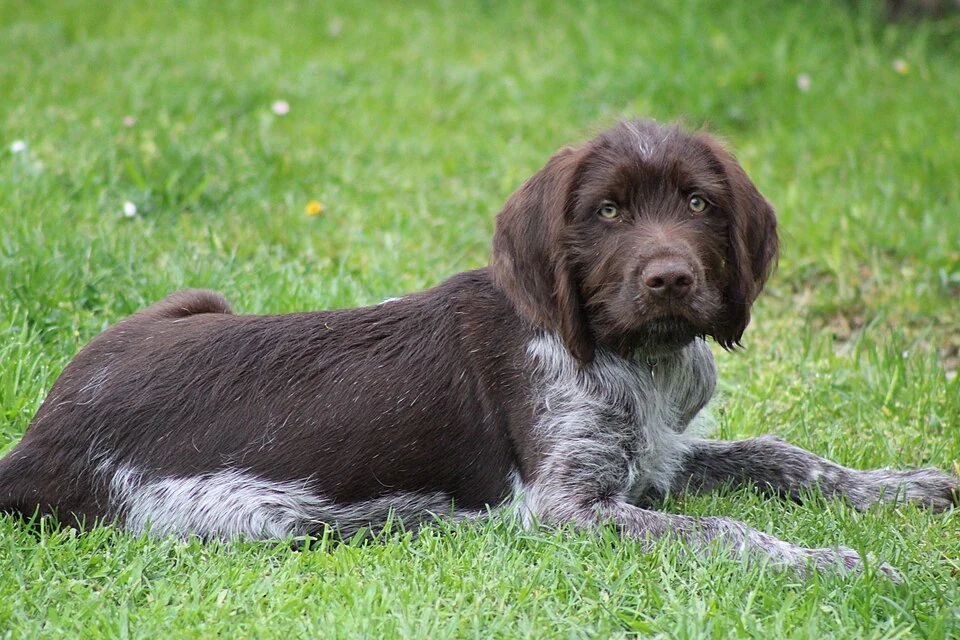
Puppy · Drahtaar Chiot · Loubilou2807 · CC BY-SA 4.0 · Edited

Coat and features · German Wirehaired Pointer · fkallgren · CC BY-SA 2.0 · Edited