 fellfolio
Sled dog
Alaskan Malamute
A powerful sled dog bred for sustained work. Its thick coat, pulling strength and need to move shape daily life far more than its striking Arctic appearance.
At a glance
- Size
- Large
- Height at shoulder
- 58 to 64 cm
- Weight
- 34 to 39 kg
- Lifespan
- over 10 yearsPDSA veterinary breed guide
- Activity
- Very high
- Grooming
- Daily
- Training
- Demanding activities
- Owner experience
- Experience recommended
Built to cover distance with a load
The Alaskan Malamute was developed to pull heavy loads over long distances in Arctic conditions. It is built for steady, powerful movement rather than short bursts of speed. That background can be obvious on a walk: when something catches its interest, the whole dog leans into the lead. A well-fitting harness helps you handle that strength, but loose-lead walking still needs practice.
Malamutes can be affectionate and playful with their people. Their size and independence nevertheless call for patience and a consistent routine. Start loose-lead practice on a quiet route and reward the dog for staying with you. Add more distracting places once that works, especially where other dogs or wildlife scents catch its attention. Some Malamutes howl or vocalise a great deal, something to consider if you live close to neighbours.
Everyday life
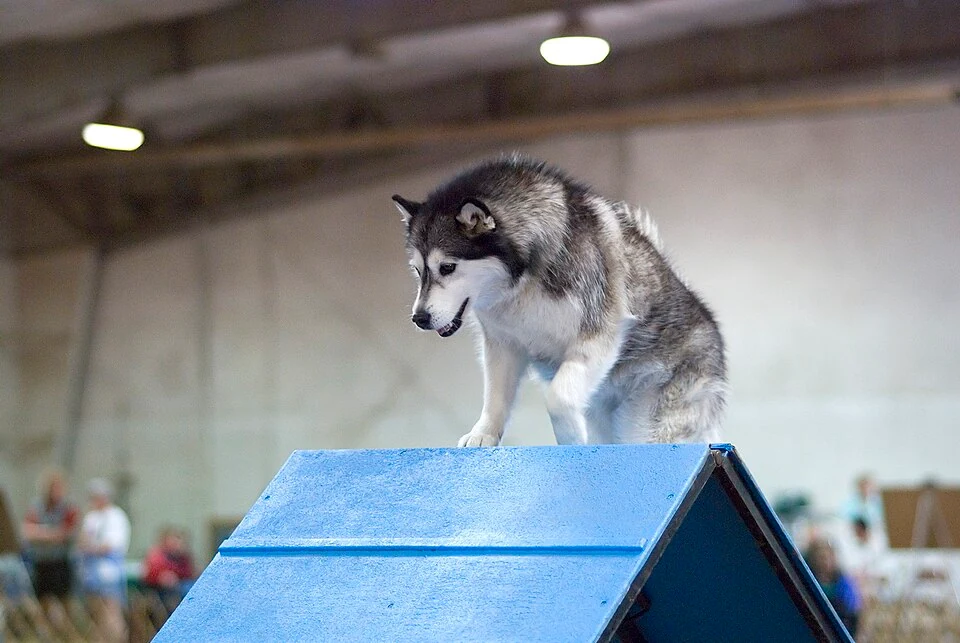
The UK veterinary charity PDSA advises at least two hours of exercise a day for an adult Malamute. Long walks in cool weather, short training sessions and time to sniff can be spread through the day. Clubs offer pulling sports even without snow. If that appeals to you, ask experienced people to help with equipment, load and training; a growing puppy should not be asked to pull heavy weights.
The coat protects against cold but makes hot weather difficult. Move longer summer walks to the cooler hours and provide shade and water. For off-lead exercise, choose a securely fenced area: Malamutes can roam far and may pursue wildlife. A garden needs secure boundaries and does not replace walks. Never leave small pets alone with the dog.
Staying home alone
Dogs learn to stay home alone in small steps. The RSPCA advises no more than four hours at a time. Puppies and dogs that become unsettled when left alone need shorter absences and gradual practice. Arrange someone to care for your dog when you will be away longer.
Day-to-day care
A dense, woolly undercoat sits beneath the coarser outer hair. PDSA recommends brushing every day, and sometimes twice a day during heavy seasonal shedding. Work through the coat in sections down to the skin, particularly around the neck, behind the ears and along the back of the legs. Smoothing only the surface leaves loose undercoat behind.
Dog hair around the house is part of life with this breed. A professional grooming visit can help with a very dense coat but will not replace routine care at home. Look at the skin as you brush: redness, weeping patches or persistent itching need veterinary advice, not harder combing.
Size and build
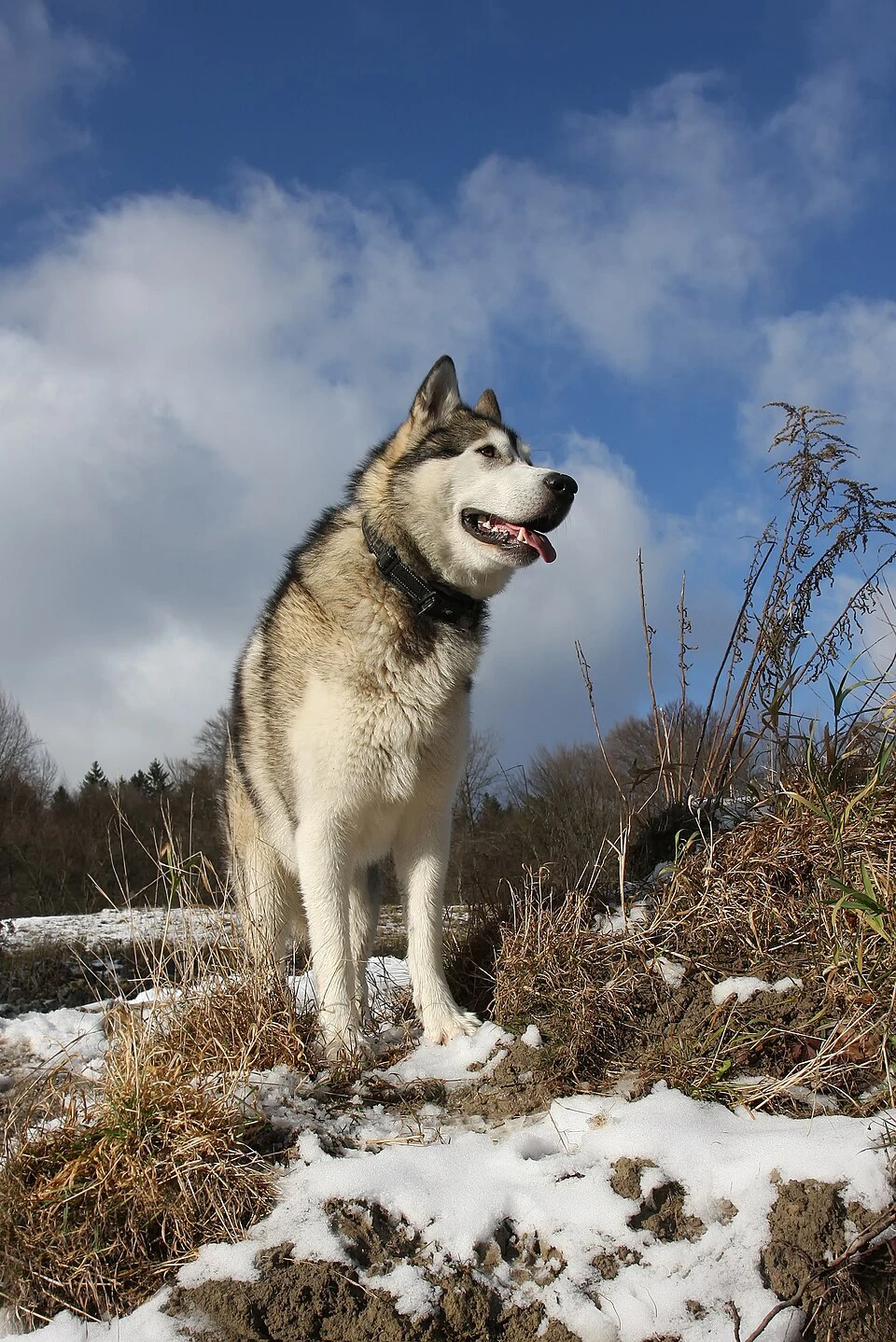
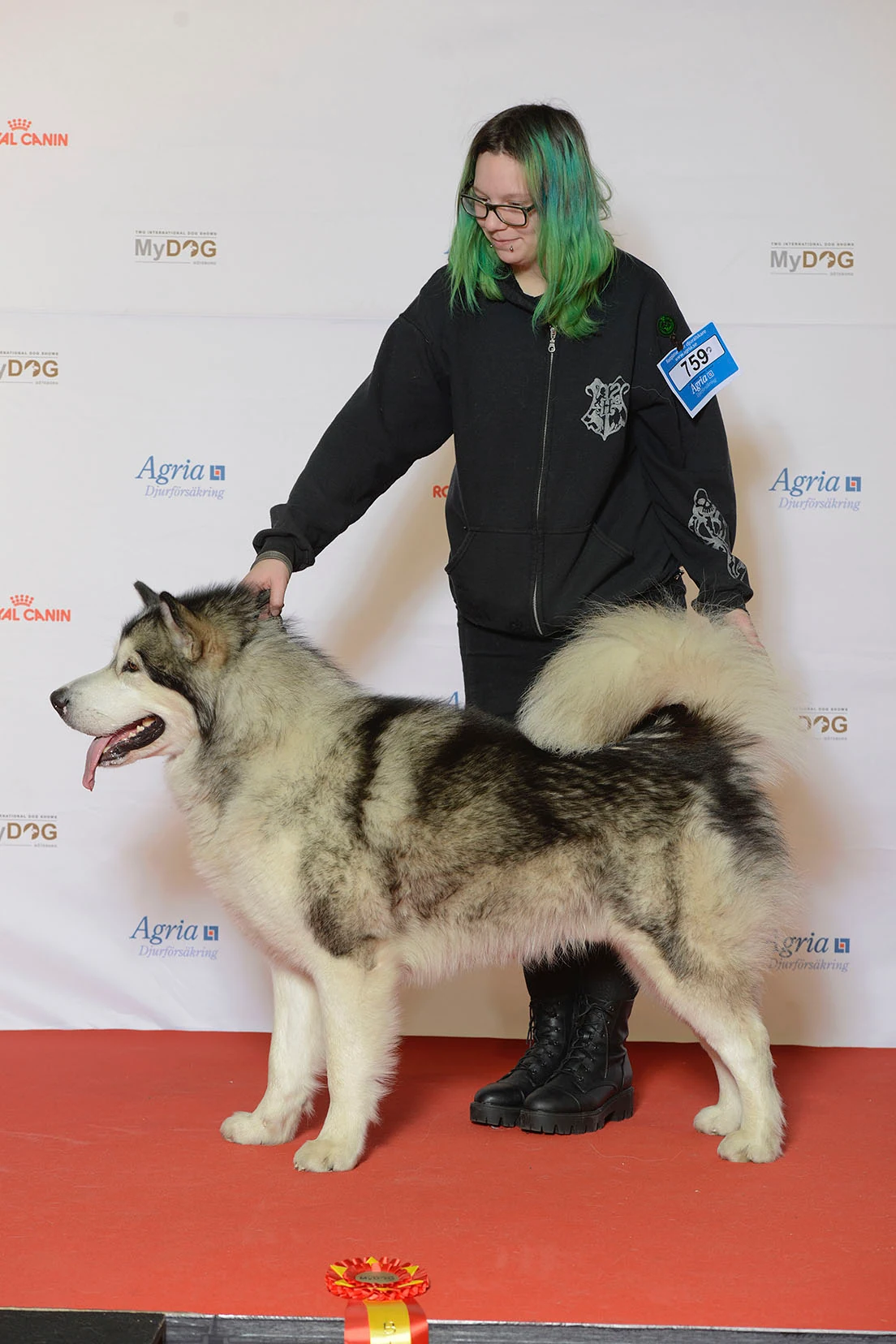
The Malamute is a large, strong-boned and muscular dog. Its chest is deep, back strong and feet large and compact. Movement should look smooth and tireless. The well-furred tail is often carried over the back but, under the British standard, should not be tightly curled against it. Relatively small triangular ears stand on a broad head; the eyes are brown and almond-shaped.
The British breed standard gives preferred measurements of about 64 cm and 39 kg for males, and 58 cm and 34 kg for females. PDSA summarises average measurements as 58 to 64 cm at the shoulder and 34 to 39 kg. A coarse outer coat covers a dense undercoat, with colours from grey and black through shades of red, together with white markings. Strength is part of the breed, but excess weight only makes movement harder.
Health
Hip dysplasia can leave a joint unstable and lead to painful arthritis. Ask to see the parents' written hip X-ray results when choosing a puppy. Cataracts, which cloud the lens, and an inherited form of day blindness are also reported. A DNA test is available for day blindness, and you should ask about eye examinations in breeding dogs.
PDSA also lists inherited polyneuropathy, which affects nerves and movement, and chondrodysplasia, which disrupts cartilage and bone development. Ask which checks were performed in this breeding line and have the results explained. If your dog suddenly moves unsteadily, stumbles repeatedly or appears unusually sensitive to light, arrange a vet examination. Hypothyroidism is another reported condition; low energy, weight gain and coat changes need investigation rather than being put down to the breed.
Could this breed fit your life?
Could work well if …
- You enjoy long outings in cool weather and can safely handle a strong dog.
- You can make room for daily coat care, consistent training and secure off-lead exercise.
May be more difficult if …
- You want a dog content with short walks and little hair in the house.
- Small pets would be left alone with the dog, or you have no safe place for it to run.
Similar needs, different dogs.
Selected by shared size, activity, grooming and training characteristics.
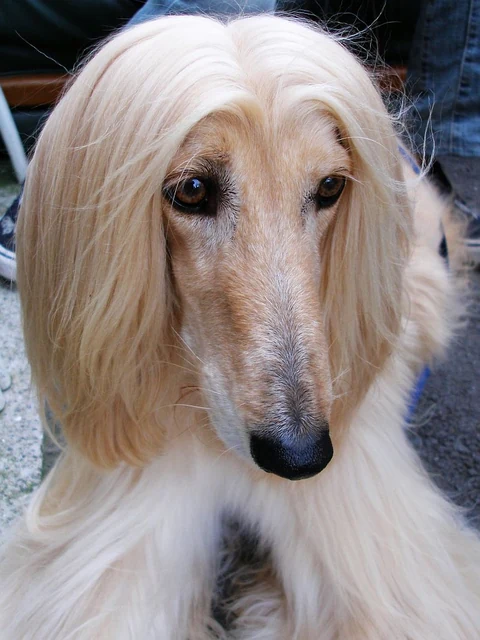
Sighthound
Afghan Hound
There is a fast hunting dog beneath the long silk coat. An Afghan Hound needs secure places to run and a substantial commitment to coat care.
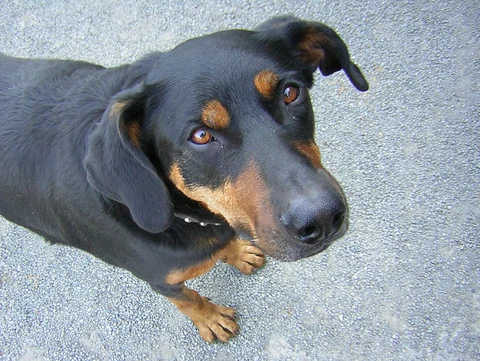
Herding dog
Beauceron
The Beauceron once herded and guarded flocks in France. This large, quick dog needs long outings and early practice with leads, visitors and life around children.
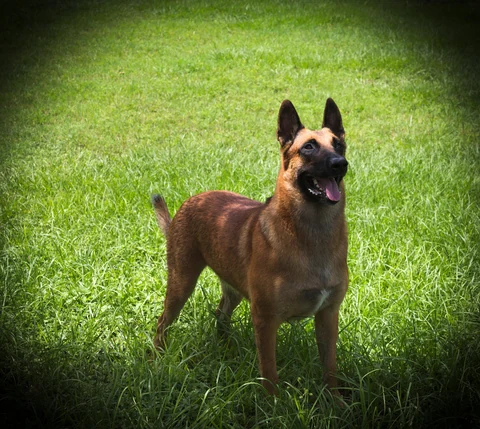
Herding dog
Belgian Malinois
The Malinois learns quickly, moves tirelessly and notices small changes around it. It suits people who can make daily time for training and calm guidance.
Sources and photograph credit
- Teaching your dog to be left alone
Used in this profile for: Staying home alone
- Alaskan Malamute breed standard
Used in this profile for: Size / Weight, Temperament, Everyday life, Day-to-day care, Size and build
- Alaskan Malamute breed information
Used in this profile for: Size / Weight, Temperament, Everyday life, Day-to-day care, Size and build, Health, Lifespan, Could this breed fit your life?
Portrait · Alaskan Malamute R Bartz · Richard Bartz · CC BY-SA 2.5 · Edited

Side view · BIR Grupp 5:ALASKAN MALAMUTE, Cahppes Glacier Ice Cliff · Johan Frick-Meijer / Svenska Mässan · CC BY 2.0 · Edited
.jpg)
In action · HMKC Spring 2007 Agility Trial · Ron Armstrong from Helena, MT, USA · CC BY 2.0 · Edited

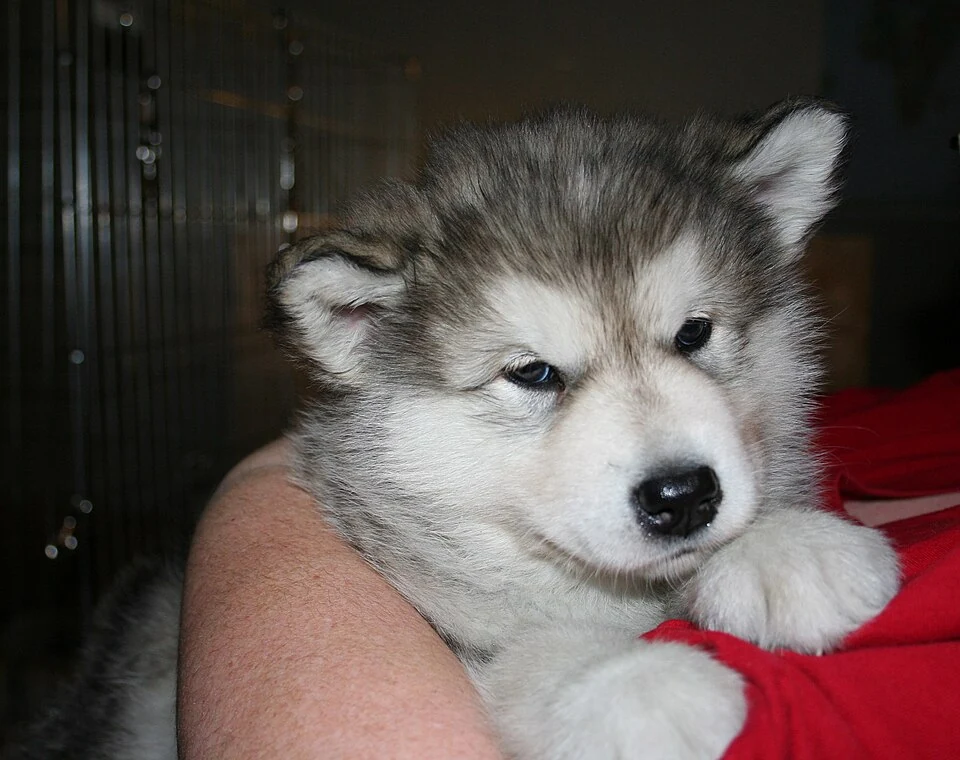
Puppy · Paige-6weeks · Winterwindmals · Public domain
