 fellfolio
Spanish sighthound combining quiet time at home with fast pursuit by sight
Galgo Español
A Galgo Español may happily spend quiet hours on a soft bed at home. Outdoors, the same dog can become instantly alert to a moving hare. This Spanish sighthound needs both relaxed companionship and safe opportunities to use its speed.
At a glance
- Size
- Large
- Height at shoulder
- 60 to 70 cm
- Lifespan
- Not sufficiently documentedWhy is there no reliable range?
- Activity
- High
- Grooming
- Several times weekly
- Training
- Patience & clear guidance
- Owner experience
- First dog with support
The Spanish sighthound with two coat types
The Galgo Español is an old Spanish sighthound breed, traditionally used especially for hunting hares in open country. Sighthounds rely mainly on their eyes while hunting and pursue visible prey. Stamina and quick reactions are part of the Galgo’s working background. Its quiet behaviour in the living room can therefore conceal how determined it may be to follow an animal fleeing outdoors.
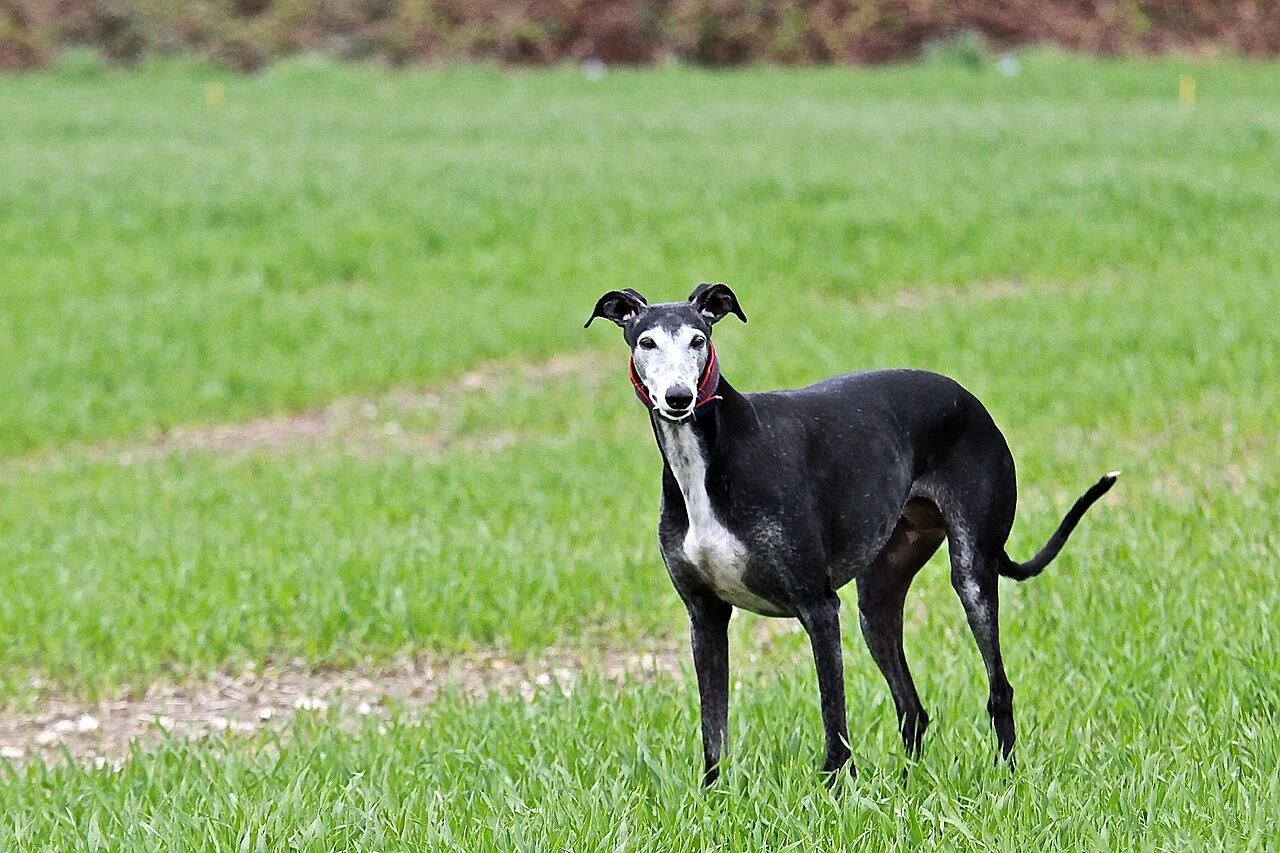
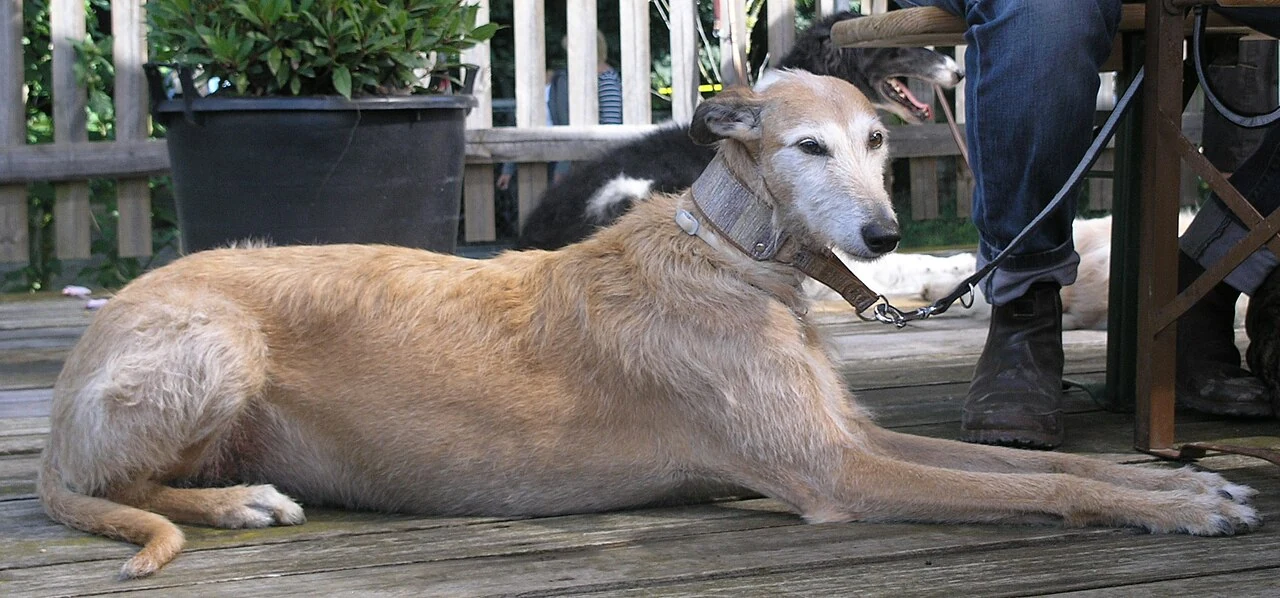
A long, narrow head, deep chest and long tail define its outline. There is a short coated variety and a rough coated variety with longer hair, often including a beard and more pronounced eyebrows. The international canine organisation FCI gives shoulder heights of 62 to 70 centimetres for males and 60 to 68 centimetres for females.
It can be gentle and affectionate with familiar people. Some Galgos initially approach new situations cautiously. With an adult rescue dog, asking about previous experiences is especially useful. A dog unfamiliar with indoor life may first need to learn about stairs, household sounds and brief periods without company.
An adult should guide interactions with children and provide an undisturbed resting place. Living with a cat also depends on the individual dog’s experience. A familiar household cat and an unfamiliar cat running away outside are different situations. Small pets should be protected and kept physically separate where direct contact could trigger hunting behaviour.
Everyday life
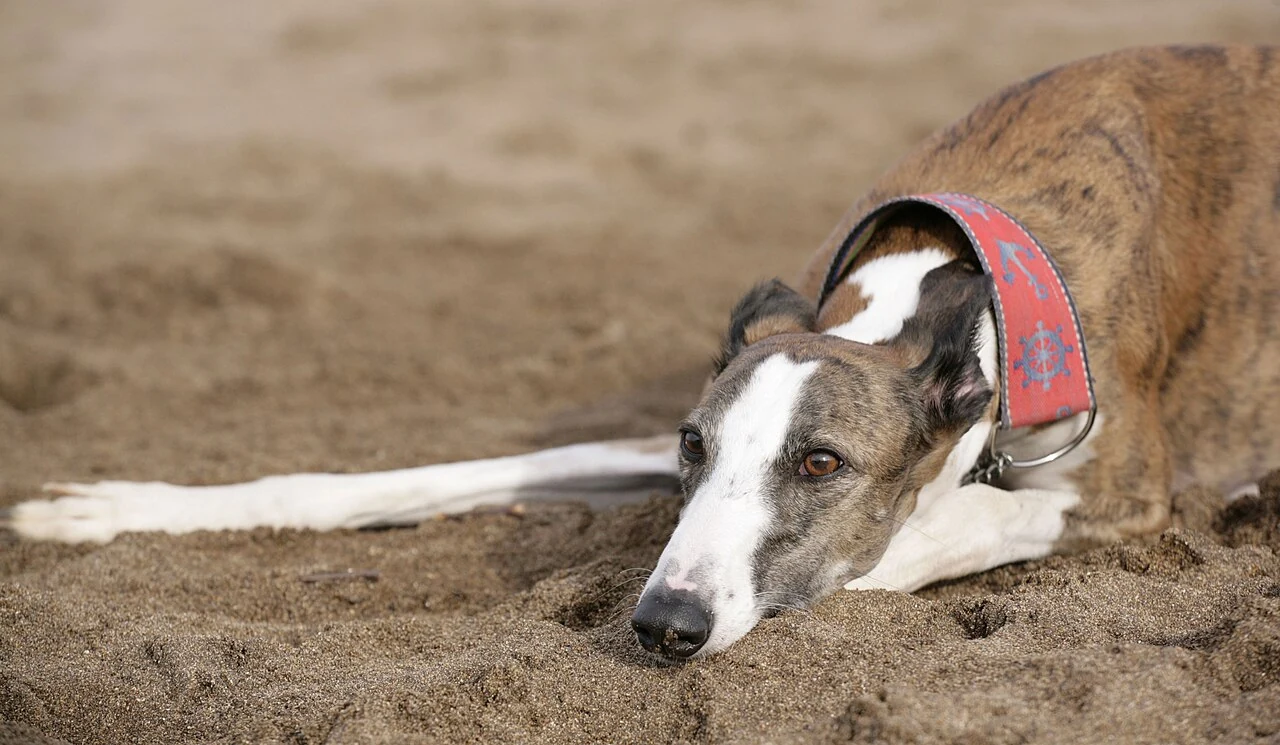
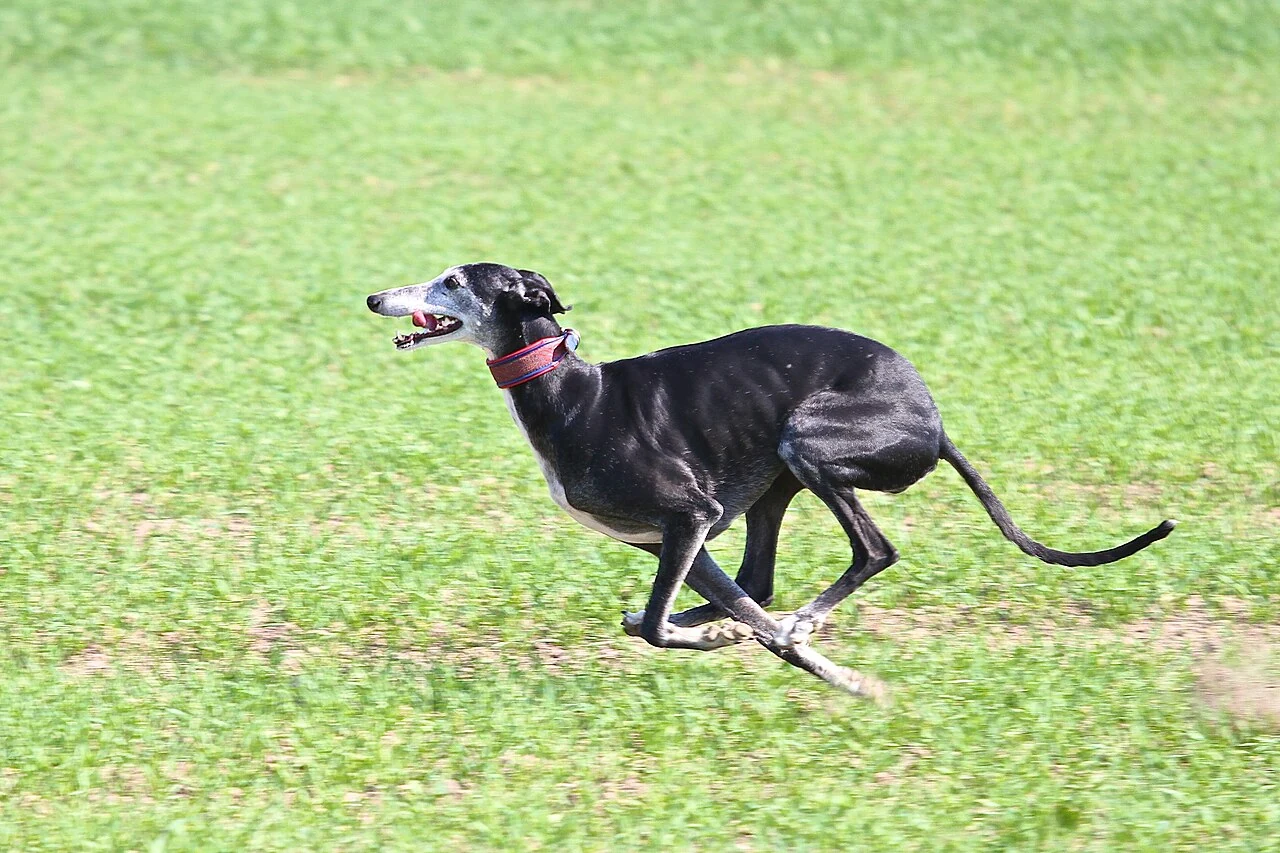
A Galgo needs daily walks, time to explore and regular opportunities for free running. A securely fenced area without access to wildlife is particularly useful. The boundaries should be checked carefully, because an obstacle that contains a smaller dog may be easy for a Galgo to clear. Shared outings followed by rest suit it better than a stream of new stimulation.
Coming back when called can be developed through brief practice and a worthwhile reward. In areas with wildlife, it should remain secured on a suitable lead while a chase cannot reliably be prevented. A properly fitted harness is particularly important for a newly adopted or anxious dog. The rehoming organisation can explain which arrangements suit its experience and build.
Small learning tasks could include waiting briefly or settling on a mat. Galgos often respond well to friendly, clear exercises with food rewards. A soft bed in a quiet spot helps provide somewhere to relax. Time alone should be introduced gradually, with care arranged for longer absences.
Staying home alone
Dogs learn to stay home alone in small steps. The RSPCA advises no more than four hours at a time. Puppies and dogs that become unsettled when left alone need shorter absences and gradual practice. Arrange someone to care for your dog when you will be away longer.
Everyday dog training: recall, a loose lead and clear communication ↗
Day-to-day care
The short coat usually needs gentle brushing. A rough coated Galgo may also benefit from the removal of old hairs that are ready to come out. An experienced groomer can demonstrate how to do this without pulling firmly attached hair. After outings, paws and skin should be checked for minor injuries or trapped plant material.
A suitable coat may help in cold or wet weather if the dog feels chilled. Nails should stay short enough not to interfere with movement. Regular toothbrushing with dog toothpaste also belongs in the routine. Mouth pain can remain unnoticed even while a dog continues eating. Red gums or a marked change in breath should therefore be investigated.
Size and build
A puppy should explore its surroundings in manageable stages. Brief outings and playful exercises should be balanced with plenty of sleep. Long runs beside a bicycle and repeated high jumps should wait until physical maturity, with fitness developed gradually.
When an adult Galgo arrives, its previous experiences matter first. A simple daily routine and quiet walking routes can help it find its feet. Fellfolio can record progress with time alone, introductions or grooming, making it easier to see which situations still need support.
In later life, shorter walks with plenty of sniffing and an easily reached soft bed may suit it well. New difficulty rising, reduced enthusiasm for running or weight loss should be assessed by a vet.
From puppy to senior: caring for your dog through every life stage ↗
Health
For a Galgo arriving from another country, its origin, previous locations and health records should be discussed with the veterinary practice. This is particularly relevant to possible infections transmitted by sand flies. These small biting insects can transmit Leishmania, single celled parasites that may affect the skin and kidneys, among other organs. The important questions are where the dog has lived and whether sand flies may have bitten it there.
The practice should assess which examinations fit the travel history and whether follow up checks are needed. Skin changes, reduced stamina or weight loss should be investigated. Fellfolio can keep findings, medication records and the timeline together, helping important information stay available when changing practices.
Teeth also need regular attention. Strong mouth odour, altered chewing or red gums can indicate painful problems. Before adoption, you should ask about known conditions, previous treatment and outstanding follow up appointments.
Lifespan
The official breed information reviewed does not provide a sufficiently supported life expectancy range.
Could this breed fit your life?
Could work well if …
- You want a sighthound and can offer regular free running in a secure setting.
- You enjoy quiet time at home and can let a newly adopted dog settle gradually.
- You are willing to explore its experience with cats, children and time alone.
What to consider
- Quiet behaviour indoors says little about its response to an animal fleeing outside.
- Harness fit and fencing should be checked for the individual dog before it arrives.
- For an adoption from abroad, travel history and health records should be discussed with the practice.
Similar needs, different dogs.
Selected by shared size, activity, grooming and training characteristics.
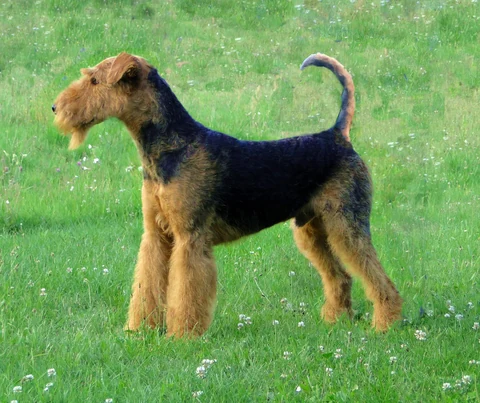
Large terrier from Yorkshire
Airedale Terrier
With its wiry coat, long head and distinctive beard, the Airedale is hard to miss. It is the largest terrier and shares much of the curiosity and independence of its smaller relatives. The breed originated along Yorkshire’s rivers, where dogs were needed for hunting on the banks. Today it suits people who enjoy being out with their dog, train patiently and make time for regular coat care.
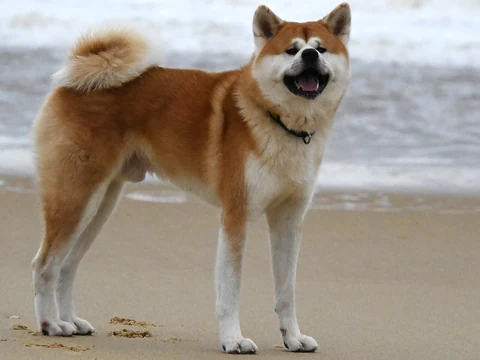
Japanese spitz with a dense undercoat
Akita
The Japanese Akita is a large dog with a dense undercoat, upright ears and a curled tail. It can form close bonds with familiar people while remaining more reserved with strangers. Its independence and hunting instincts suit people willing to guide encounters calmly and work with it regularly.
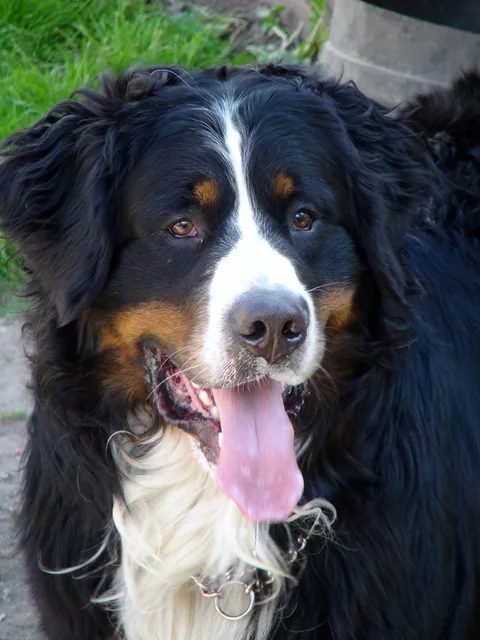
Swiss mountain dog
Bernese Mountain Dog
This large Swiss farm dog likes being close to its people. Start lead training early, groom its thick coat regularly and plan summer walks for the cooler parts of the day.
Sources and photograph credit
- Teaching your dog to be left alone
Used in this profile for: Staying home alone
- Position Statements and Humane Dog Training
Used in this profile for: Everyday life
- Der Galgo Español
Used in this profile for: Temperament, Everyday life, Day-to-day care, Size and build, Lifespan, Could this breed fit your life?
- Galgo Español FCI international standard
Used in this profile for: Size / Weight, Temperament, Day-to-day care, Lifespan
- What to Expect When You Are Expecting a Galgo
Used in this profile for: Temperament, Everyday life, Size and build, Could this breed fit your life?
- Dental Disease in Dogs
Used in this profile for: Day-to-day care, Health
- Exercising Your Puppy
Used in this profile for: Size and build
- Training Your Dog to Be Left Alone
Used in this profile for: Everyday life, Size and build
- Children and Dogs
Used in this profile for: Temperament
- Train Your Dog to Come When Called
Used in this profile for: Everyday life
- Leishmaniasis in Dogs
Used in this profile for: Health
Photo credits
Portrait · Galgo Español.jpg · Netspy · CC BY-SA 3.0 · Edited

In action · Galgo español running.jpg · Netspy · CC BY-SA 3.0 · Edited

Side view · Galgo rough.jpg · Anka Friedrich · CC BY-SA 3.0 · Edited

Coat and features · Galgo Español en la arena.JPG · OmarCurrosSimón · CC BY-SA 3.0 · Edited
