 fellfolio
Schnauzer and companion dog
Standard Schnauzer
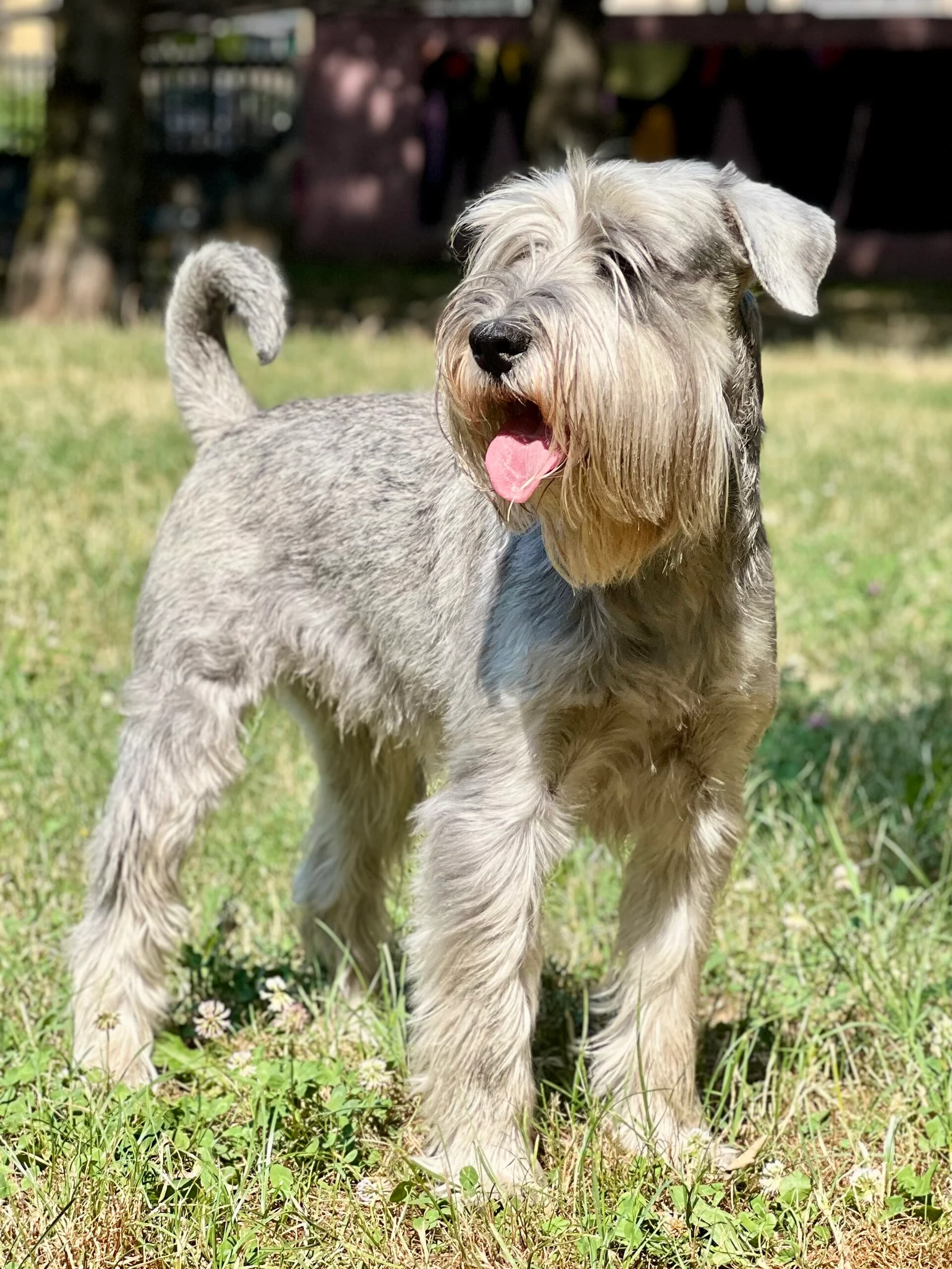
The original Schnauzer is medium-sized, wiry and alert. Once a farm dog and rat catcher, it is now a lively companion that enjoys walks, small tasks and dependable routines.
At a glance
- Size
- Medium
- Height at shoulder
- 45 to 48 cm
- Lifespan
- over 10 yearsUK Royal Kennel Club breed profile
- Activity
- Moderate
- Grooming
- Several times weekly
- Training
- Often cooperative
- Owner experience
- First dog with support
An attentive companion with farm dog roots
The Standard Schnauzer is the original size of the breed. On German farms it kept mice and rats down, helped around livestock and accompanied people at work. That background helps explain its watchfulness and the way it notices much more outdoors than a leisurely stroll might suggest. The British standard calls it dependable and alert, but primarily a companion dog.
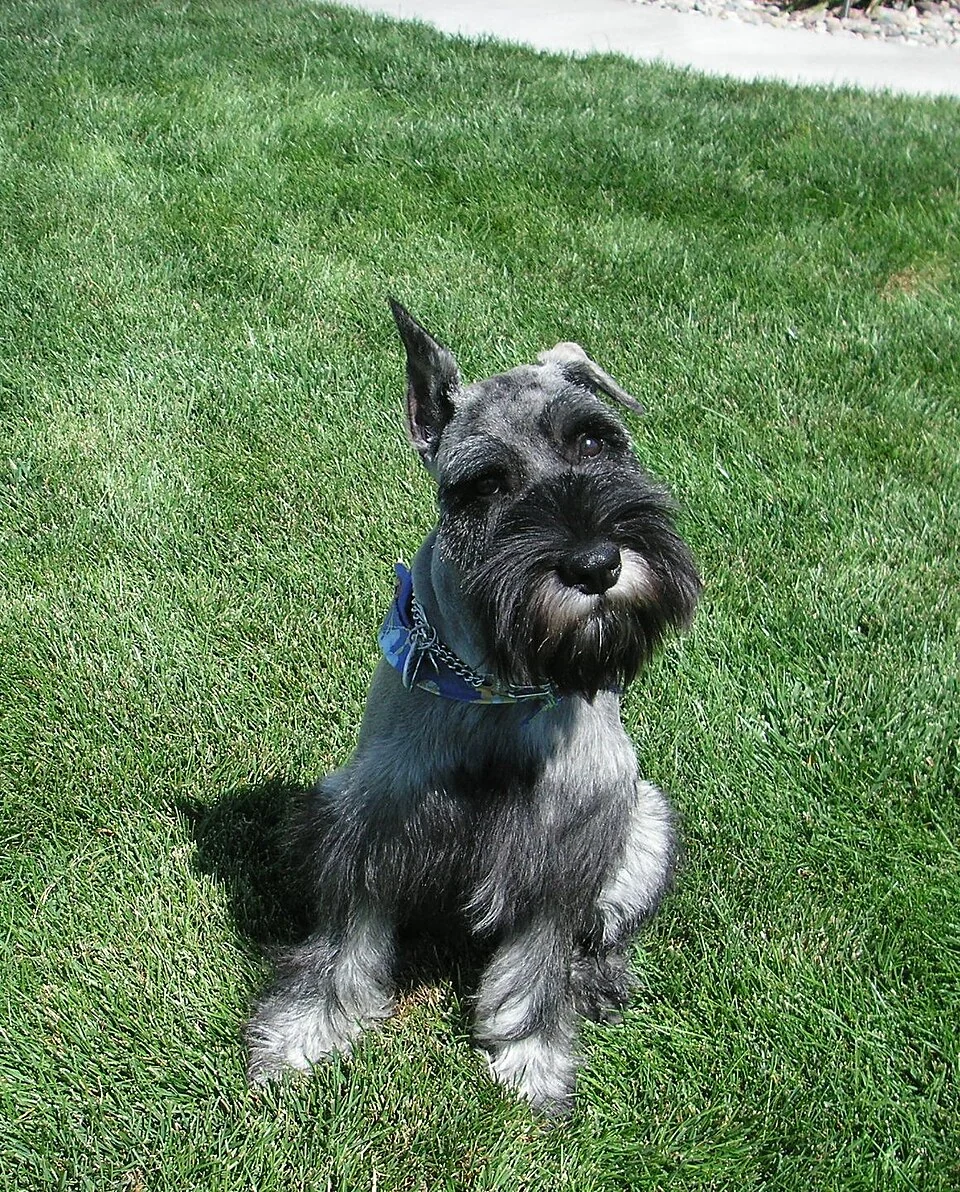
Let a young Schnauzer meet different people, dogs and everyday situations at a manageable pace. If it barks at a passer-by from the window, call it to you and reward it for turning away. This short exercise works better than shouting a prohibition across the room. Its old rat-catching role may show in interest in rustling hedges. Begin recall practice in easy places and use a lead around abundant wildlife until the response is reliable.
Everyday life
The Royal Kennel Club gives up to an hour of daily exercise as a broad guide for adults. Walks with time to sniff and explore suit the breed. Add short tasks: find a hidden toy, wait before crossing a road or carry an object. This need not become a sport programme. It gives the dog a clear activity that fits ordinary days.
A smaller home can work if the Schnauzer gets regular outings and barking at noises is addressed. Build time alone in small steps. Young children should leave the dog undisturbed when it sleeps or eats; a robust appearance does not change that need. Around small animals, its rat-catching history is a practical reason to stay attentive.
Staying home alone
Dogs learn to stay home alone in small steps. The RSPCA advises no more than four hours at a time. Puppies and dogs that become unsettled when left alone need shorter absences and gradual practice. Arrange someone to care for your dog when you will be away longer.
Day-to-day care
The characteristic coat combines hard outer hair and dense underfur. A beard and bushy eyebrows make the Schnauzer instantly recognisable, but they need care. Brush through the undercoat several times a week, particularly on the legs, belly and behind the ears. Food and water collect in the beard after meals. Clean it when needed and dry it if it stays damp.
The harsh coat is traditionally hand-stripped to remove dead hair. Ask a knowledgeable groomer which method suits your dog and its skin. Clipping alone can soften the coat texture. While grooming, check ears, nails and the skin under the beard. Frequent scratching, a sore patch or a strong smell from an ear calls for an examination rather than just a different shampoo.
Size and build
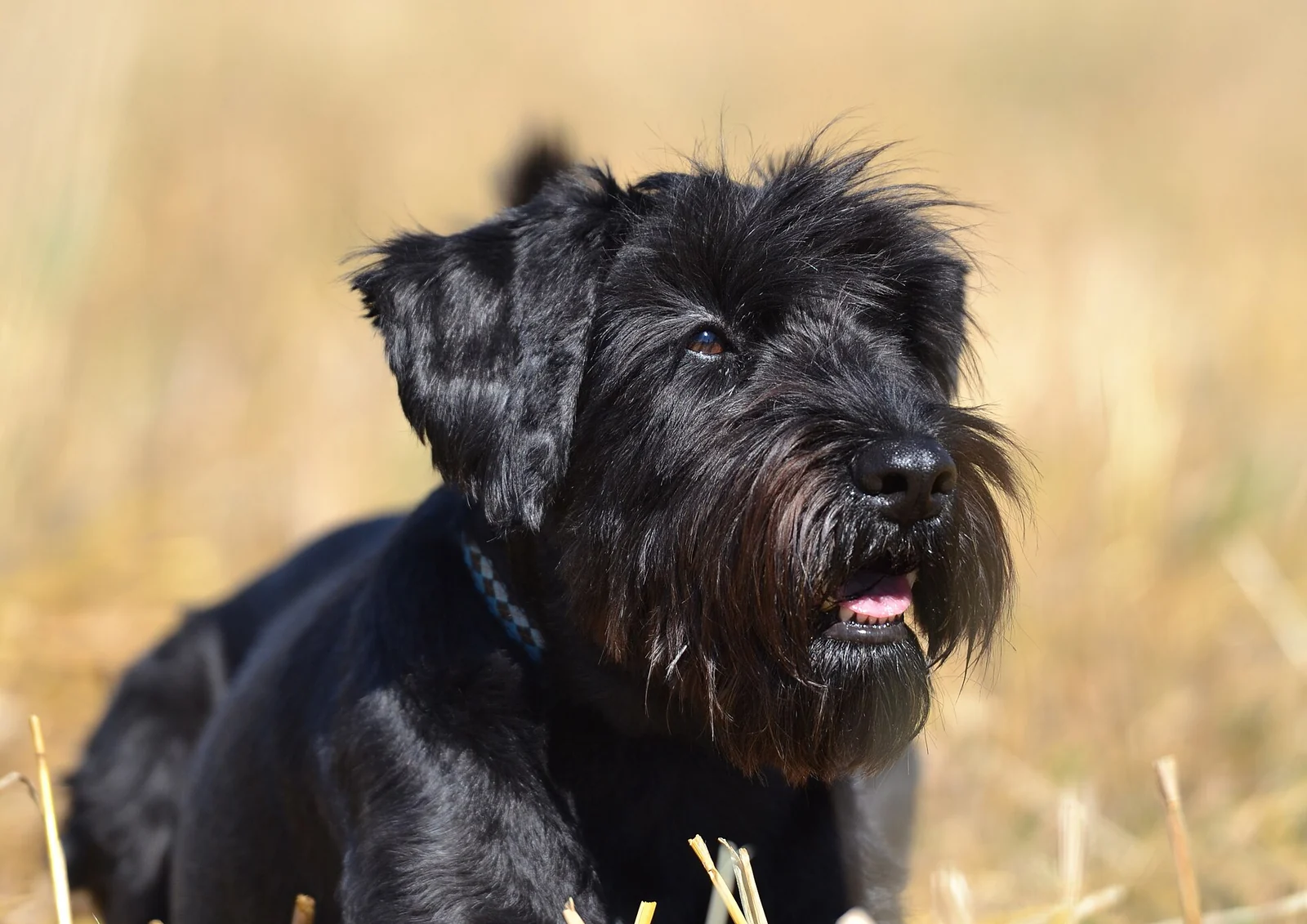
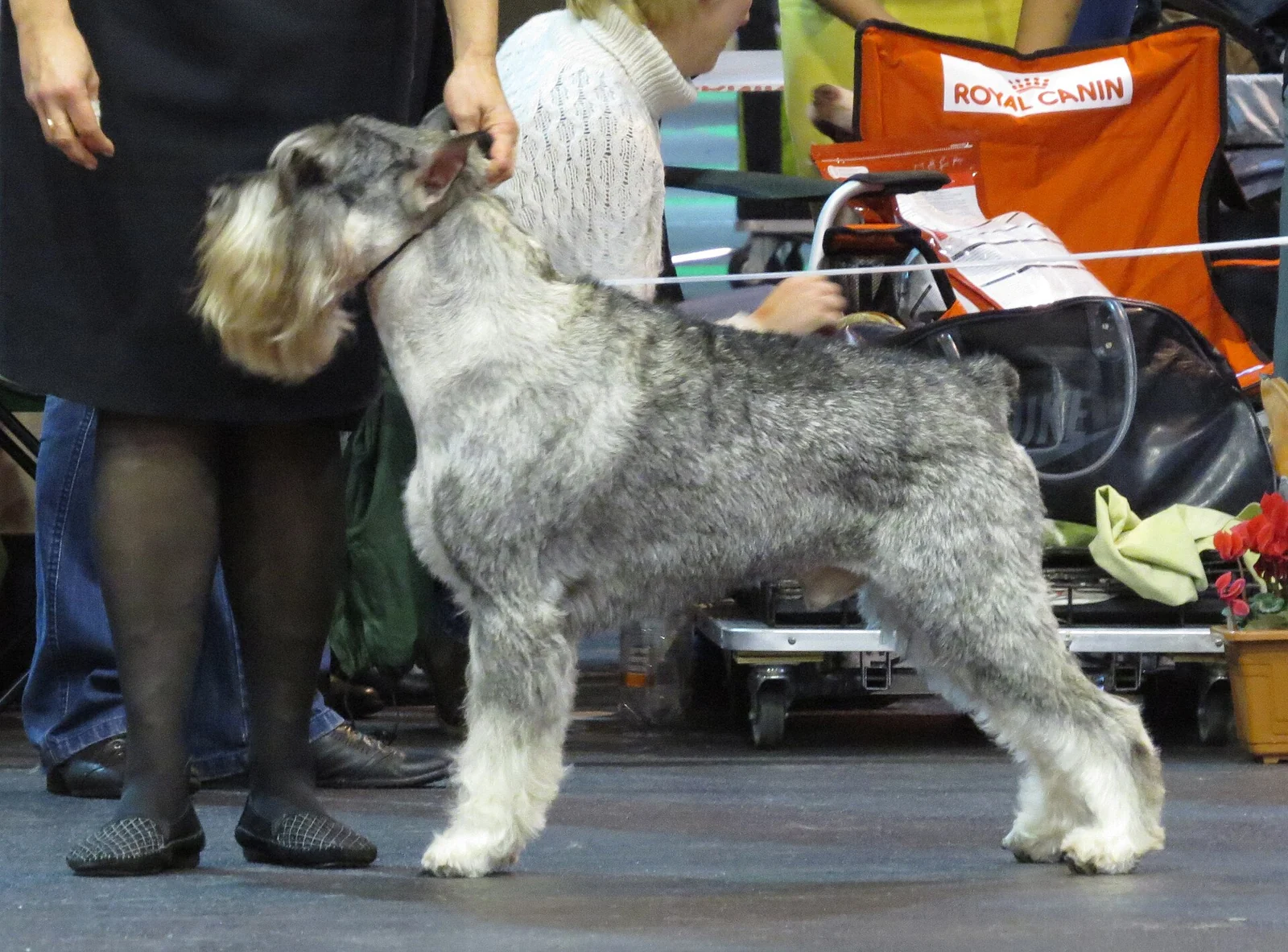
The Standard Schnauzer is sturdy, sinewy and nearly square. Body length is close to shoulder height, the chest reaches to the elbows and the legs carry it in a free, balanced gait. Dark eyes sit under prominent brows; V-shaped ears fold forward. A firm, bristly beard finishes the muzzle. The coat is harsh and may be black or pepper and salt.
The British standard gives ideal shoulder heights of about 48 cm for males and 45.7 cm for females. It does not supply a general weight interval here. A full coat should not hide whether the dog has a waist and moves easily. For a young dog, healthy body condition matters more than a rigid target weight.
Health
The Royal Kennel Club recommends hip assessment and a DNA test for one form of dilated cardiomyopathy in breeding dogs. This condition reduces the heart muscle’s pumping strength. In Standard Schnauzers, a change in the RBM20 gene is associated with the disease. A study confirmed the association in dogs carrying two copies.
Ask to see both parents’ results and ask about heart disease in their close relatives. The DNA test detects this particular genetic change. It cannot replace a heart examination or rule out other heart diseases.
If your dog tires much earlier than usual, repeatedly coughs or seems weak, arrange a veterinary examination. Breathing difficulty or collapse needs immediate attention.
Could this breed fit your life?
Could work well if …
- You like an alert, medium-sized dog and enjoy practising recall and calm lead walking on outings.
- You can plan regular brushing and appointments to maintain the wiry coat.
May be more difficult if …
- You expect a former farm dog to ignore all noises and small animals.
- You want to spend very little time on training or coat care.
Similar needs, different dogs.
Selected by shared size, activity, grooming and training characteristics.
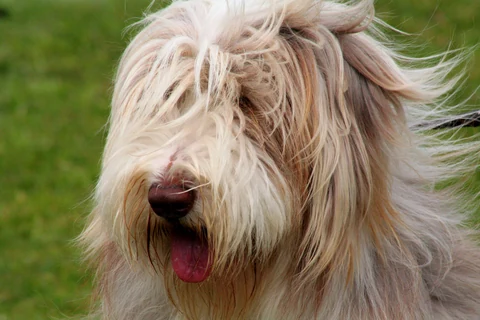
Herding dog
Bearded Collie
The Bearded Collie is a cheerful, agile herder with a long coat. It enjoys walks with its people, and its dense coat needs thorough combing every day.
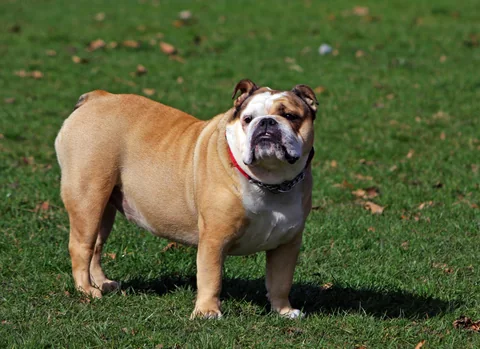
Companion dog
English Bulldog
English Bulldogs often enjoy close company. Their short face, skin folds and heavy build can make breathing and movement difficult; before choosing a puppy, watch the parents awake and moving, and ask for their health records.
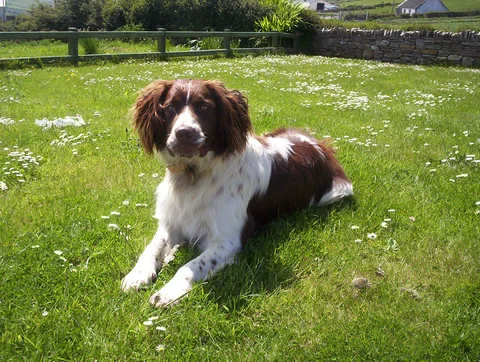
Flushing and retrieving dog
English Springer Spaniel
A friendly, energetic gundog that loves using its nose and needs plenty of time outdoors with its people.
Sources and photograph credit
- Teaching your dog to be left alone
Used in this profile for: Staying home alone
- Disease Descriptions
Used in this profile for: Health
- Prevalence, geographic distribution, and impact on lifespan of a dilated cardiomyopathy-associated RNA-binding motif protein 20 variant in genotyped dogs
Used in this profile for: Health
- Schnauzer, Breeds A to Z
Used in this profile for: Temperament, Everyday life, Day-to-day care, Health, Lifespan, Could this breed fit your life?
- Schnauzer breed standard
Used in this profile for: Size / Weight, Temperament, Day-to-day care, Size and build, Could this breed fit your life?
Portrait · Standard Schnauzer · LoProject09 · CC BY-SA 4.0 · Edited

Side view · Schnauzer Pepper&Salt in Riga · Томасина · CC BY-SA 3.0 · Edited

Young dog · Standard-6months · Divedeeper · CC BY-SA 3.0 · Edited

Coat and features · Paula vom Siebenmühlental · PaulasBunt · CC BY-SA 4.0 · Edited
