 fellfolio
Herding dog
Old English Sheepdog
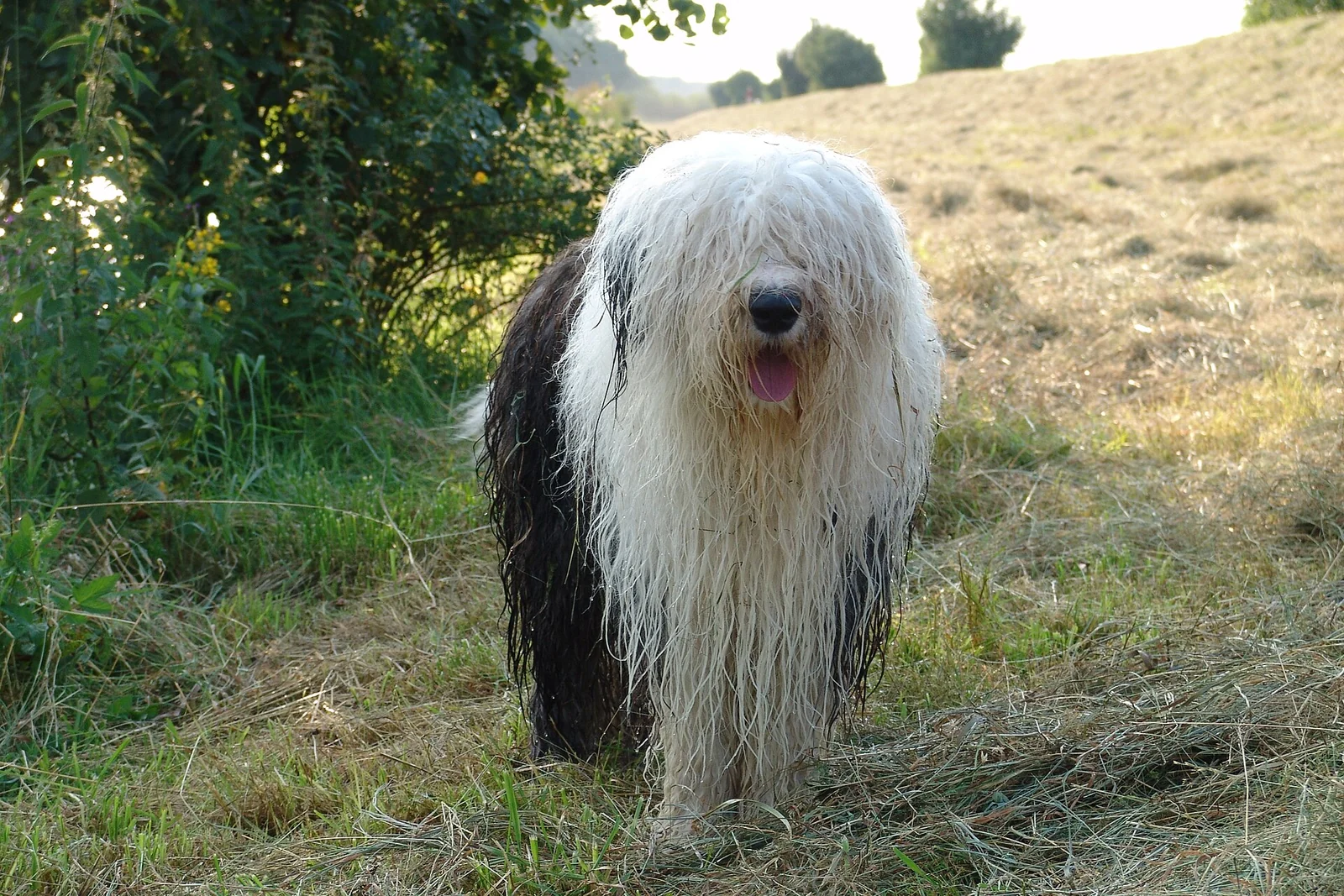
Beneath the lavish blue-and-white coat is a strong, mobile herding dog. An Old English Sheepdog needs daily time for exercise, grooming and family life.
At a glance
- Size
- Large
- Height at shoulder
- 56 to 61 cm
- Weight
- 27 to 30 kg
- Lifespan
- over 10 yearsUK Royal Kennel Club breed profile
- Activity
- Very high
- Grooming
- Daily
- Training
- Often cooperative
- Owner experience
- First dog with support
Friendly, playful and often vocal
The Old English Sheepdog once helped move livestock and needed stamina as well as responsiveness. Many are friendly and playful today, and some are quite vocal. It may announce visitors with a deep bark at the front door. Teach the dog early to announce a visitor and then return to its resting place.
Its size makes exuberant greetings hard to manage. Supervise play with children, particularly when everyone starts running. A family dog does not have to be available for attention every minute: a quiet place where no one pulls its coat or ears makes daily life easier for all.
Everyday life
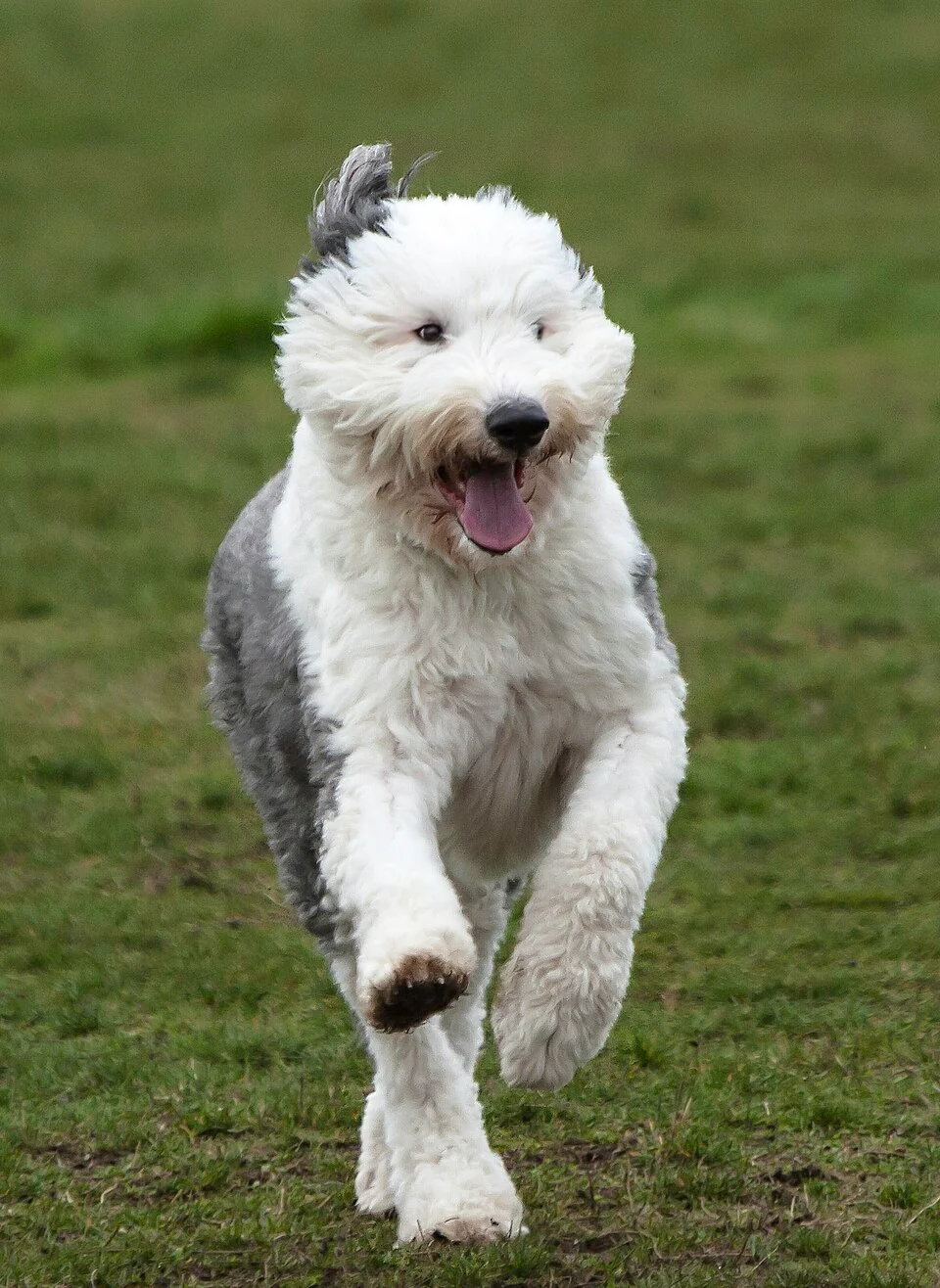
The UK veterinary charity PDSA advises at least two hours of activity a day, divided between several outings. Shared walks, safe off-lead time and brief practice suit this strong dog. Hide a toy, call it around trees or practise walking calmly beside a field of livestock. A garden alone does not offer the same variety.
Many Old English Sheepdogs form close bonds with family. Practise time alone gradually. A full working day without care is a poor starting point even if a long morning walk is possible.
Staying home alone
Dogs learn to stay home alone in small steps. The RSPCA advises no more than four hours at a time. Puppies and dogs that become unsettled when left alone need shorter absences and gradual practice. Arrange someone to care for your dog when you will be away longer.
Day-to-day care
The shaggy outer coat and dense undercoat need daily brushing and combing through to the skin. Knots build behind the ears, under a harness and around the legs. Damp mats can leave skin sore; smoothing only the outer layer is not enough. The beard collects water and dirt after walks.
For many families, a professionally maintained shorter pet trim is more practical than a full show coat. Regular care and checking the skin are still needed. Keep the eyes visible. Teach a puppy through short sessions to stand calmly on a non-slip surface for grooming.
Size and build
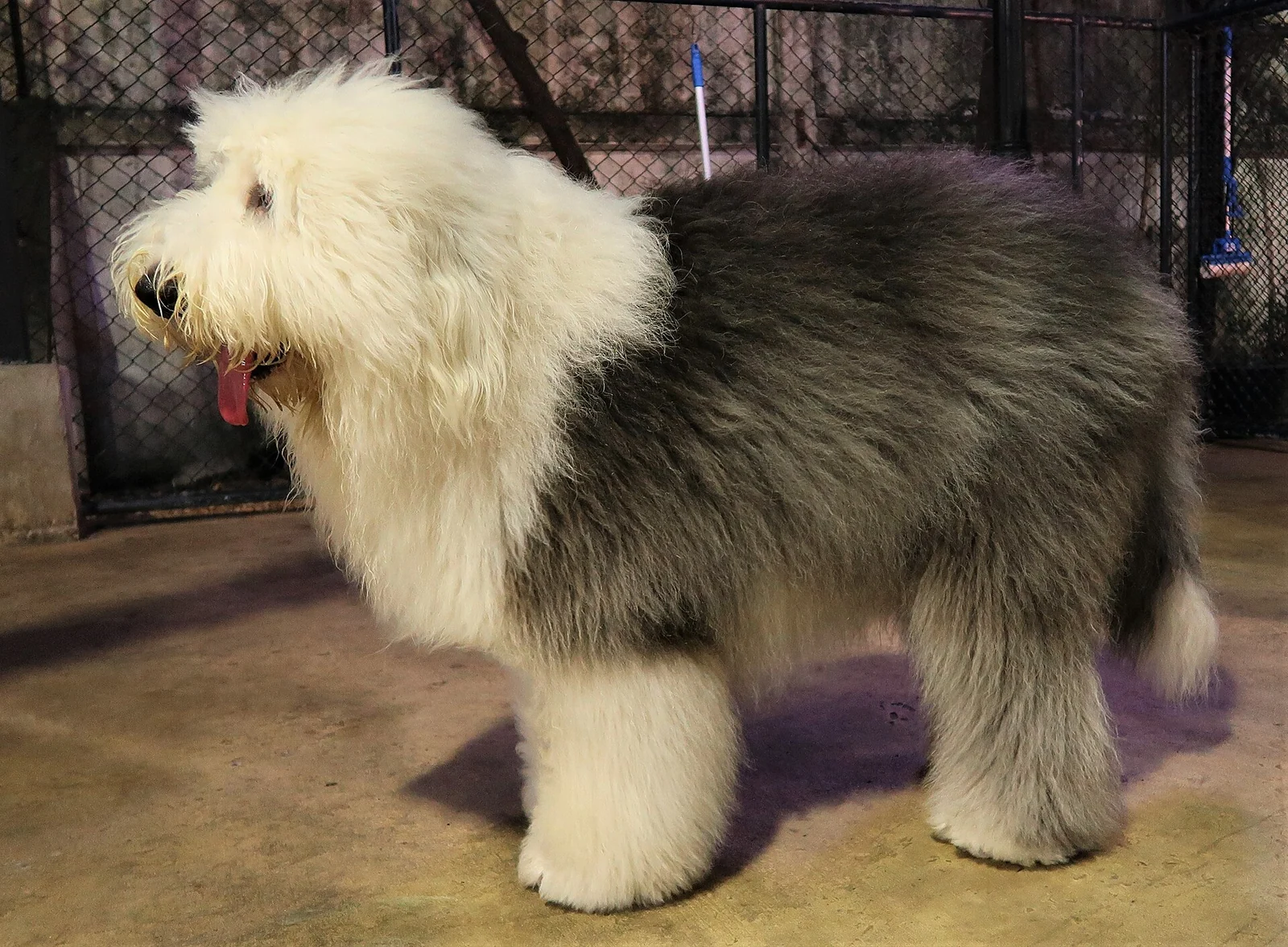
The British standard describes a strong, compact-looking dog with a deep chest and a distinctive gentle roll at slow walking speed. Males should stand at least 61 cm and females at least 56 cm; PDSA offers broad everyday guides of 56 to 61 cm and about 27 to 30 kg. The coat is grey or blue-grey, sometimes with lighter and darker hairs mixed together, alongside white areas.
The old nickname “Bobtail” recalls a time when tails were commonly docked. A natural full tail is normal today. Look for clear vision, free movement and a body shape that can be assessed beneath the coat.
Health
The Royal Kennel Club recommends hip, elbow and eye examinations for breeding dogs. A DNA test for primary ciliary dyskinesia also matters; this inherited condition can cause respiratory problems. PDSA lists deafness and hereditary cataracts. A cataract clouds the eye lens and can impair vision. Ask for the parents’ reports and, where available, the puppy’s hearing result.
This large, deep-chested dog can also develop gastric dilatation-volvulus, in which the stomach bloats and twists. Repeated unproductive retching, marked restlessness and a suddenly tense abdomen are emergency signs: go to a veterinary hospital immediately. Recurrent coughing, breathing problems or unusual stumbling need a veterinary check.
Could this breed fit your life?
Could work well if …
- You can provide two substantial activity periods and daily grooming.
- You enjoy a sociable, strong dog and can guide barking kindly.
May be more difficult if …
- You want a low-shedding, low-grooming dog.
- The dog would regularly spend very long hours without people.
Similar needs, different dogs.
Selected by shared size, activity, grooming and training characteristics.
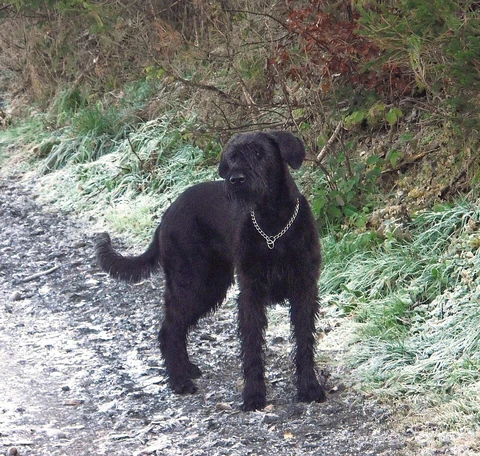
Large working and guard dog
Giant Schnauzer
A strong, enduring working dog with a wiry coat and a distinctive beard. The Giant Schnauzer needs exercise, learning and close contact with its people. Its size and alertness call for calm, dependable guidance.
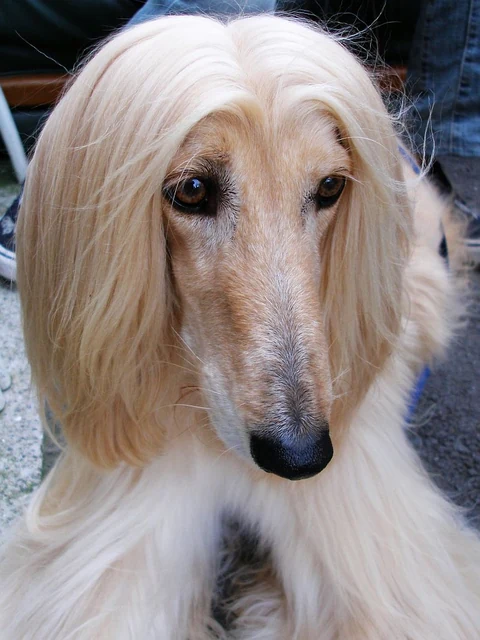
Sighthound
Afghan Hound
There is a fast hunting dog beneath the long silk coat. An Afghan Hound needs secure places to run and a substantial commitment to coat care.
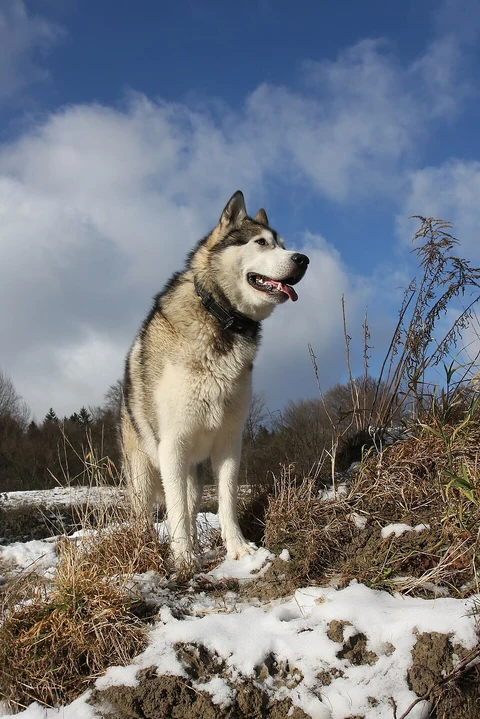
Sled dog
Alaskan Malamute
A powerful sled dog bred for sustained work. Its thick coat, pulling strength and need to move shape daily life far more than its striking Arctic appearance.
Sources and photograph credit
- Teaching your dog to be left alone
Used in this profile for: Staying home alone
- Old English Sheepdog breed information
Used in this profile for: Size / Weight, Temperament, Everyday life, Day-to-day care, Size and build, Health, Lifespan, Could this breed fit your life?
- Old English Sheepdog, Breeds A to Z
Used in this profile for: Temperament, Everyday life, Day-to-day care, Size and build, Health, Lifespan, Could this breed fit your life?
- Old English Sheepdog breed standard
Used in this profile for: Size / Weight, Temperament, Everyday life, Size and build, Lifespan, Could this breed fit your life?
- Cataracts in dogs
Used in this profile for: Health
Portrait · Nasser Bobtail · Patrik Huber · CC BY 3.0 · Edited

Side view · Old English Sheepdog (side) · AKS.9955 · CC BY-SA 4.0 · Edited

In action · Shaggy Dog running · Sheila Sund · CC BY 2.0 · Edited

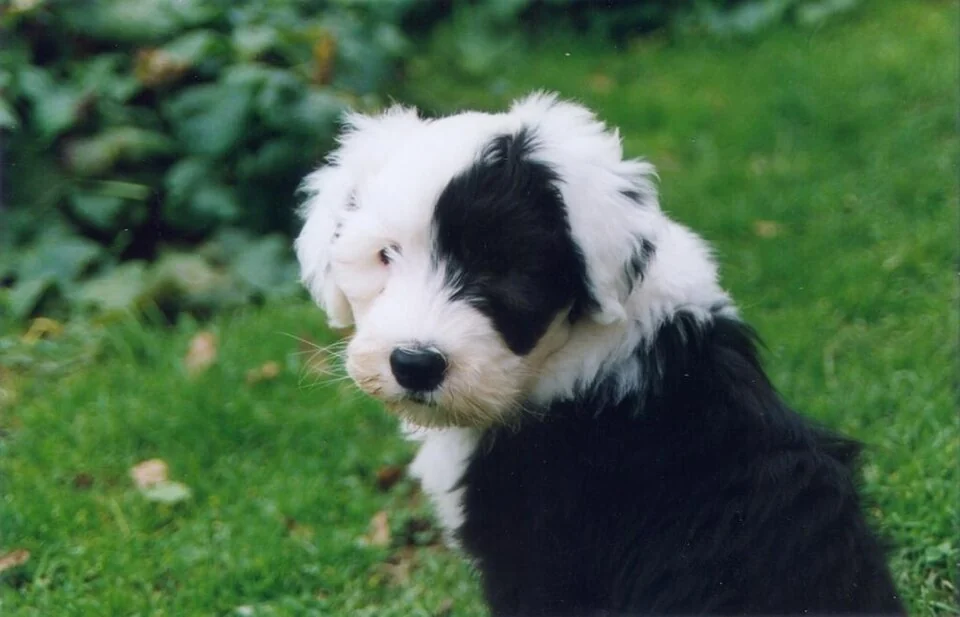
Puppy · Chiot bobtail · Hervé, Brigitte · CC BY-SA 3.0 · Edited
