 fellfolio
Herding dog
Briard
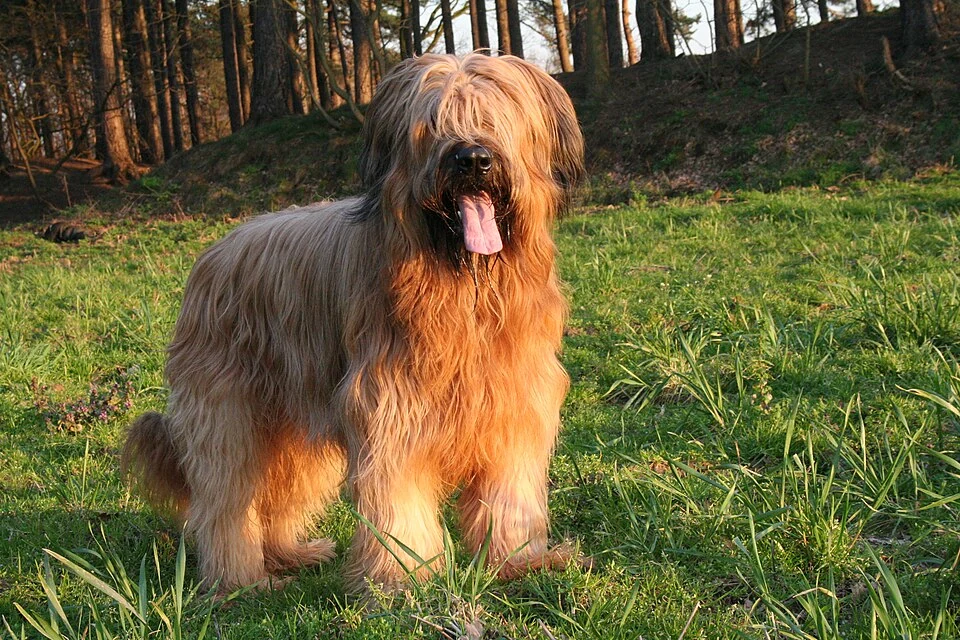
The Briard is a large French herding dog with a long, coarse-textured coat and an attentive nature. Exercise, consistent guidance and daily grooming all matter.
At a glance
- Size
- Large
- Height at shoulder
- 58 to 69 cm
- Lifespan
- over 10 yearsUK Royal Kennel Club breed profile
- Activity
- Very high
- Grooming
- Daily
- Training
- Patience & clear guidance
- Owner experience
- Experience recommended
Independent with flocks, close to family
In France, Briards were used to herd sheep and guard their flocks. Their old job was not simply to await a cue; they had to notice changes for themselves. Many bond closely with family while taking time over strangers. Let the dog settle before visitors approach to touch it.
A young Briard may try to follow and direct running children or animals. Call it back early and reward it for staying with you. Provide some distance and a quiet resting place if the children’s game becomes too exciting. Practise meetings and time alone early in small, achievable steps. Clear boundaries matter, but pressure and intimidation are poor teaching tools for this sensitive dog.
Everyday life
The Royal Kennel Club places Briards in its more-than-two-hours-a-day exercise category. Long walks, safe off-lead movement and brief searches suit a dog once expected to travel far. Hide a toy in grass or practise changing direction together so that the Briard stays connected instead of handling every distraction alone.
A garden helps, but cannot replace those shared outings. Allow time afterwards as well: the coat gathers twigs, soil and water. If you are choosing a puppy from a working-focused line, find out how its adult relatives live day to day.
Staying home alone
Dogs learn to stay home alone in small steps. The RSPCA advises no more than four hours at a time. Puppies and dogs that become unsettled when left alone need shorter absences and gradual practice. Arrange someone to care for your dog when you will be away longer.
Day-to-day care
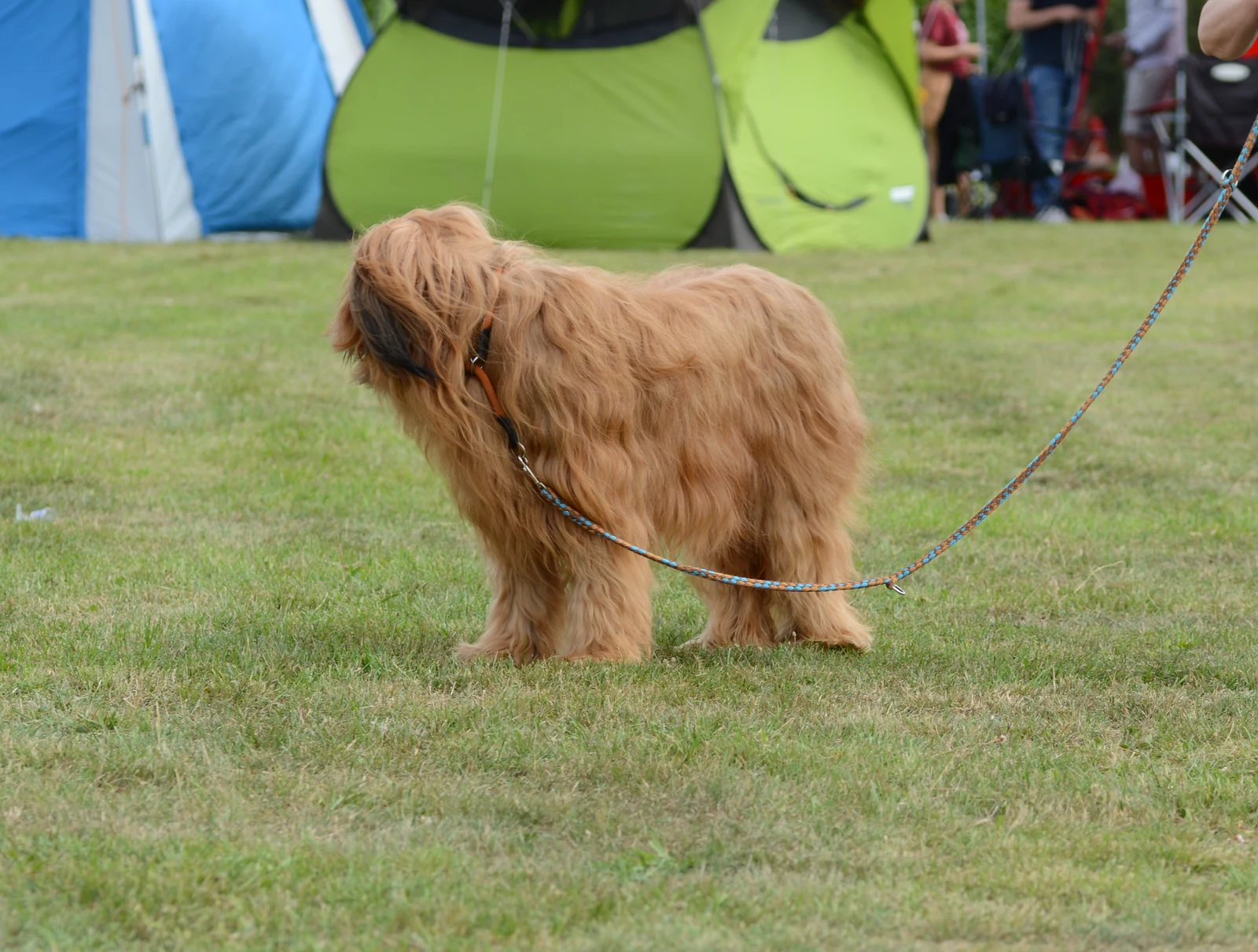
The slightly wavy outer coat is at least seven centimetres long and feels dry rather than silky. A fine undercoat lies beneath. Brush and comb to the skin every day, especially behind the ears, in the armpits and under a harness. Smoothing the surface leaves knots underneath that can pull painfully at the skin.
The beard and hair around the feet collect dirt on wet walks. Keep the eyes visible, and seek skilled grooming help if mats become hard to manage. Introduce brush, comb and brief standing practice to a puppy through short, pleasant sessions.
Size and build
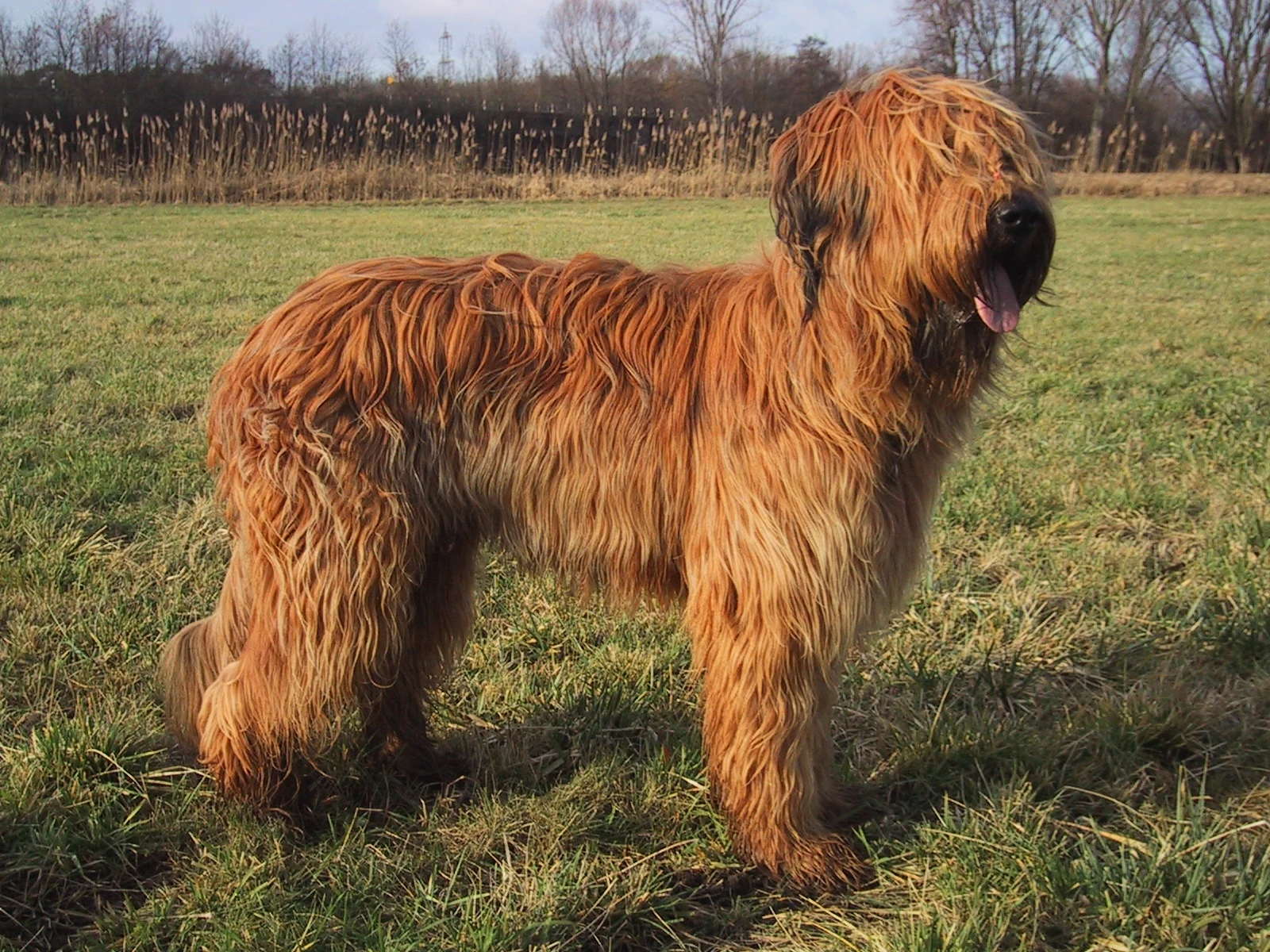
The Briard is muscular and slightly longer than tall. The British standard gives 61 to 69 cm at the shoulder for males and 58 to 65 cm for females. Beard and eyebrows frame the head without heavily hiding the eyes. Double dewclaws, two extra claws higher up each rear leg, are characteristic. Check their length regularly because walking does little to wear them down. Movement should remain long, supple and easy.
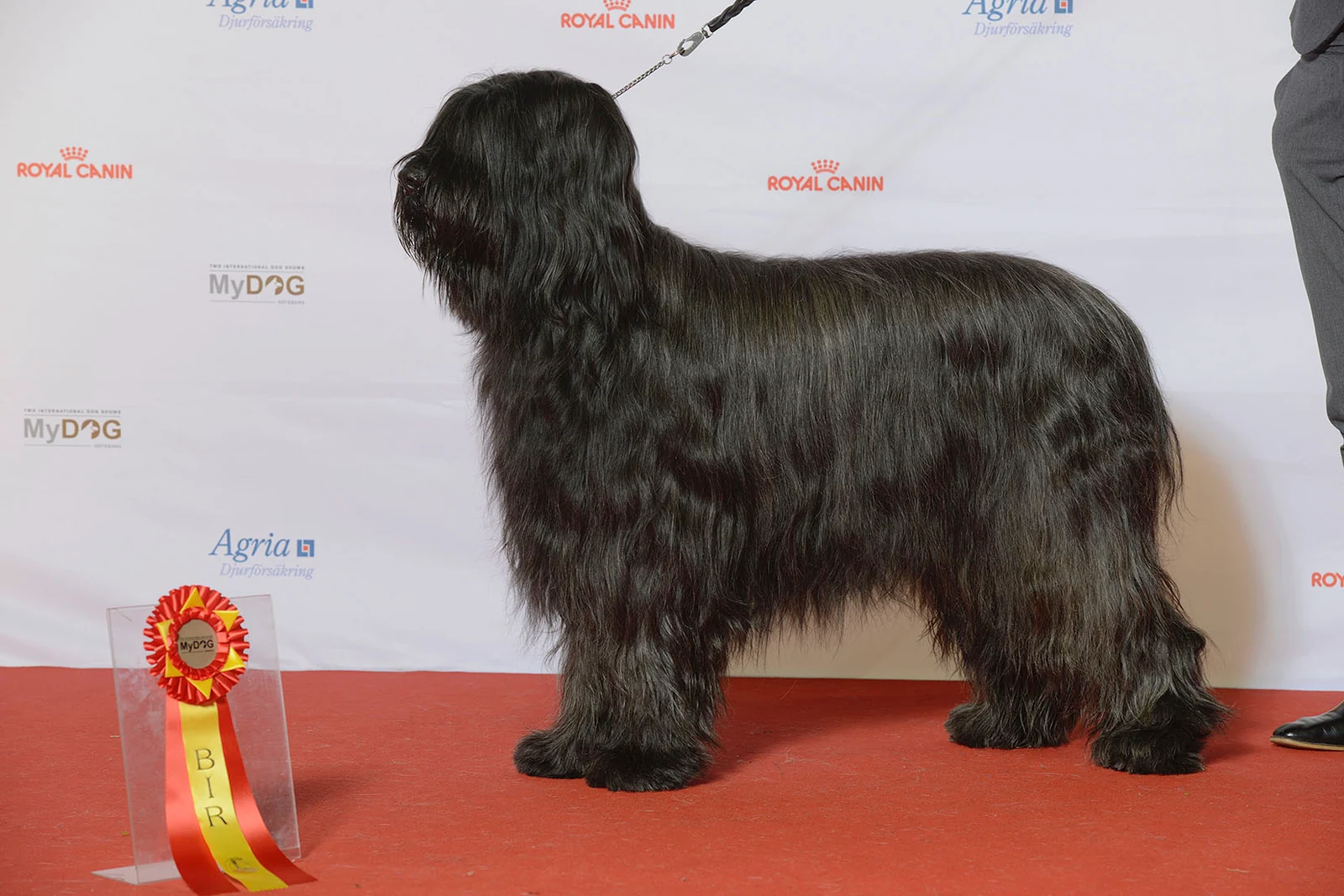
Black, fawn and slate grey are recognised coat colours. The impressive outline must not conceal whether the dog can see clearly, move freely and lie down comfortably. In a growing Briard, even movement and healthy skin under the coat matter.
Health
The Royal Kennel Club recommends hip grading and a DNA test for congenital stationary night blindness, especially relevant in imported lines. The known genetic change affects retinal function. Affected dogs struggle in dim light and may also have impaired daytime vision. The US breed club also advises eye examinations. Ask for the parents’ actual results, not only whether they were “tested”, and how the mating accounts for each gene result.
A dog that repeatedly bumps into things in low light, develops a limp or has painful-looking eyes needs veterinary assessment. Dense hair can hide irritated eyes or skin, so checking beneath the coat belongs in routine care.
Could this breed fit your life?
Could work well if …
- You can make long outings and daily combing part of life.
- You enjoy kind training with an alert, independent dog.
May be more difficult if …
- You expect the long coat to take care of itself.
- You need a dog that greets every visitor immediately and confidently.
Similar needs, different dogs.
Selected by shared size, activity, grooming and training characteristics.
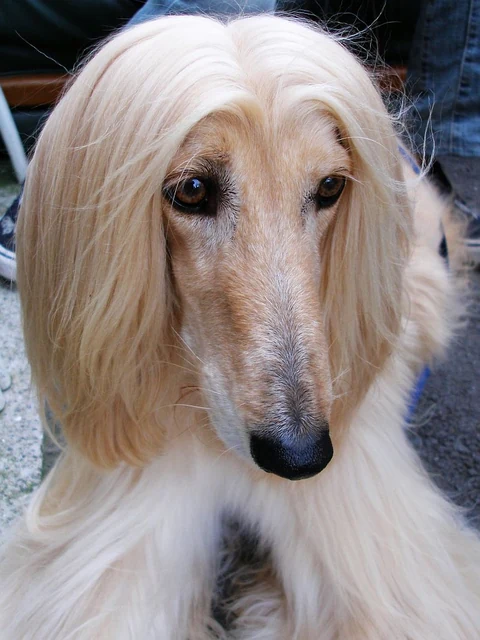
Sighthound
Afghan Hound
There is a fast hunting dog beneath the long silk coat. An Afghan Hound needs secure places to run and a substantial commitment to coat care.
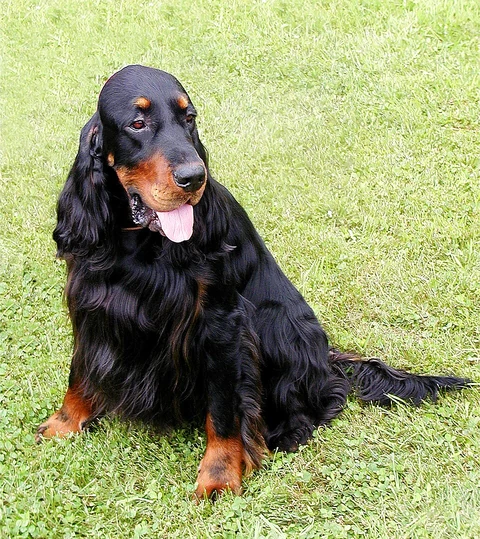
Setter
Gordon Setter
The Gordon Setter is a strong Scottish bird dog. It searches by scent, keeps going over long distances and stays close to its family. Expect long walks and regular coat care.
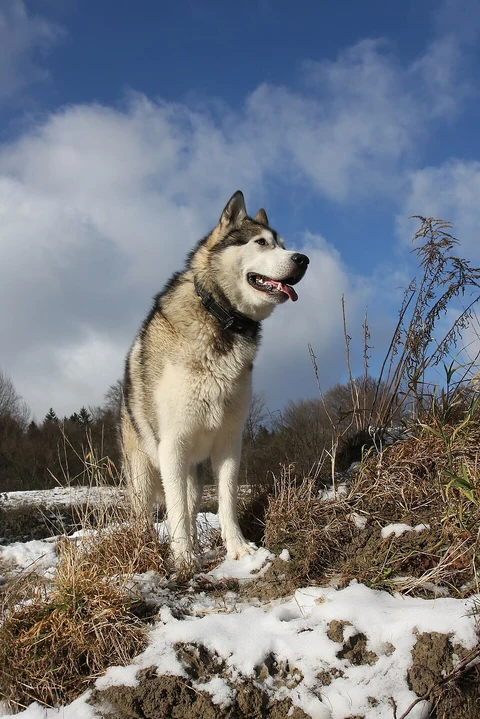
Sled dog
Alaskan Malamute
A powerful sled dog bred for sustained work. Its thick coat, pulling strength and need to move shape daily life far more than its striking Arctic appearance.
Sources and photograph credit
- Teaching your dog to be left alone
Used in this profile for: Staying home alone
- Briard dog breed information
Used in this profile for: Temperament, Everyday life, Size and build, Health, Lifespan, Could this breed fit your life?
- Leber congenital amaurosis
Used in this profile for: Health
- Briard, Breeds A to Z
Used in this profile for: Temperament, Everyday life, Day-to-day care, Size and build, Health, Lifespan, Could this breed fit your life?
- Congenital stationary night blindness in the dog: common mutation in the RPE65 gene indicates founder effect
Used in this profile for: Health
- Briard breed standard
Used in this profile for: Size / Weight, Temperament, Everyday life, Day-to-day care, Size and build, Lifespan, Could this breed fit your life?
Portrait · Briard 2 jaar · Dardeche at Dutch Wikipedia · Public domain

Side view · Grupp 1, BRIARD, CIB&CIE CSSP CH EE CH KORAD NORD&FI UCH TJH(PTRH) Chêne Colinne’s Dissmissed · Johan Frick-Meijer / Svenska Mässan · CC BY 2.0 · Edited
_Ch%C3%AAne_Colinne%E2%80%99s_Dissmissed_(23683385323).jpg)
Fawn coat · Briard fauve · Birgit Balzer · CC BY-SA 3.0 · Edited

At a dog show · Owczarek francuski briard · Wojciech Pędzich · CC BY-SA 4.0 · Edited
