 fellfolio
Compare breeds
British Shorthair or Ragdoll: How Do They Differ at Home?
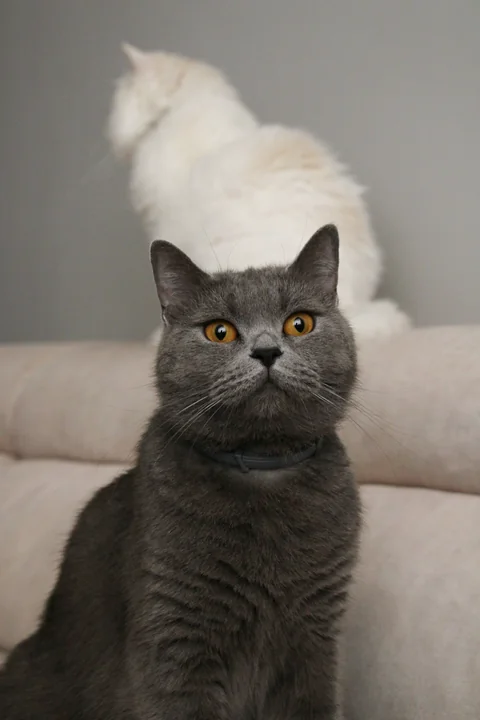
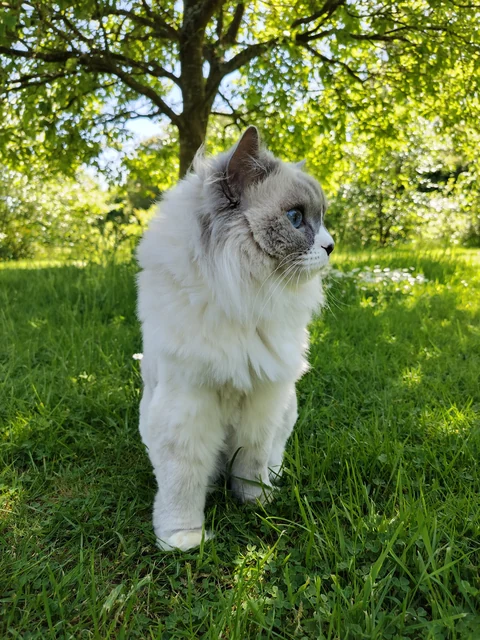
Both cats can appear relaxed, but their coats, ways of seeking company and breeding health checks differ. A British Shorthair may prefer affection with all four paws on the floor, while many Ragdolls follow their people around the home. These are tendencies, not promises about any individual cat. The useful question is how you will meet that cat's needs for play, care and health monitoring.
At a glance
| British Shorthair | Ragdoll | |
|---|---|---|
| Size | Medium | Large |
| Weight | 3.2 to 7.7 kg | Not sufficiently documented |
| Lifespan | 12 to 20 years | 12 to 17 years |
| Care needs | Moderate | Moderate |
These figures come from the linked breed profiles. They are broad guides and do not describe an individual animal.
Compare breeds
The day-to-day choice
A British Shorthair may suit you if you appreciate a cat that often chooses when to approach and whose short coat is simpler to maintain. A Ragdoll may suit you if you want a cat often close to people and can make regular checks of a longer coat part of your routine. Neither is merely a sofa ornament. Meet the individual cat and check the relevant parental health records before deciding.
Company and handling: Let the cat set the pace
A British Shorthair can form a close bond yet dislike being carried. Give her a way to retreat from visitors and wait for her to approach. Many Ragdolls seek more frequent company and follow their people through the home. That does not mean every Ragdoll wants a lap or enjoys being picked up. With an adult cat, notice where she chooses to rest and how she responds to touch. For a kitten, ask about the parents and how the litter was raised, while allowing for the kitten's own personality. In a home with children, either cat needs a quiet place where nobody lifts her out to play.
Sources: British Shorthair: breed, care and health · Governing Council of the Cat Fancy, Ragdoll · The International Cat Association
Play and space: A calm appearance does not replace activity
Both cats need daily play. A British Shorthair may watch a wand toy before pouncing; a Ragdoll that looked settled a moment ago may chase a ball across the room. Offer toys the cat can pursue and catch, then put away strings after play. Indoors, both need scratching places, raised perches and hiding spots. A large Ragdoll particularly needs a stable cat tree with platforms wide enough to rest on. Weigh your cat regularly or ask your vet to show you how to assess the ribs and waist. A dense or long coat can hide extra weight from view.
Sources: British Shorthair: breed, care and health · Governing Council of the Cat Fancy, Ragdoll · The International Cat Association, Cats and play · Cats Protection, Indoor cats · Cats Protection
Coat care: Shorter is simpler, not care free
The British Shorthair's short coat is dense, so loose hair needs removing thoroughly during shedding seasons. A weekly check and combing as needed make a workable routine. The Ragdoll's semi long, silky coat has relatively little undercoat. TICA still advises a weekly comb, with special attention to tangles under the front legs and behind the ears. Work through either coat down to the skin without pulling. A Ragdoll usually takes more time to check and detangle even though the coat can feel lighter. Have tight mats removed by an experienced professional rather than cutting close to the skin yourself.
Sources: British Shorthair: breed, care and health · Governing Council of the Cat Fancy, Ragdoll · The International Cat Association
Health checks: Keep kidney and heart results separate
For a British Shorthair, ask for the DNA result concerning polycystic kidney disease, or PKD. Fluid filled cysts can replace healthy kidney tissue. Separately, ask for the parents' latest heart scan reports. Hypertrophic cardiomyopathy, or HCM, thickens the heart muscle, and GCCF says there is no HCM DNA test for the British breed. In Ragdolls, a known MYBPC3 variant is associated with HCM. Ask for both the DNA results and the most recent heart scans. A negative genetic result does not rule out other causes of HCM, while a normal scan records only the condition at that time. For either breed, request dated written findings rather than a general assurance that the parents are healthy.
Sources: British Shorthair: breed, care and health · Governing Council of the Cat Fancy, Polycystic Kidney Disease · Cornell Feline Health Center, Hypertrophic Cardiomyopathy · Cornell Feline Health Center, Ragdoll Cat Hypertrophic Cardiomyopathy (HCM) · North Carolina State University · College of Veterinary Medicine, Ragdoll · The International Cat Association
Read the full breed profiles
Each profile explains exercise, care, health and fit with sources for each section.