 fellfolio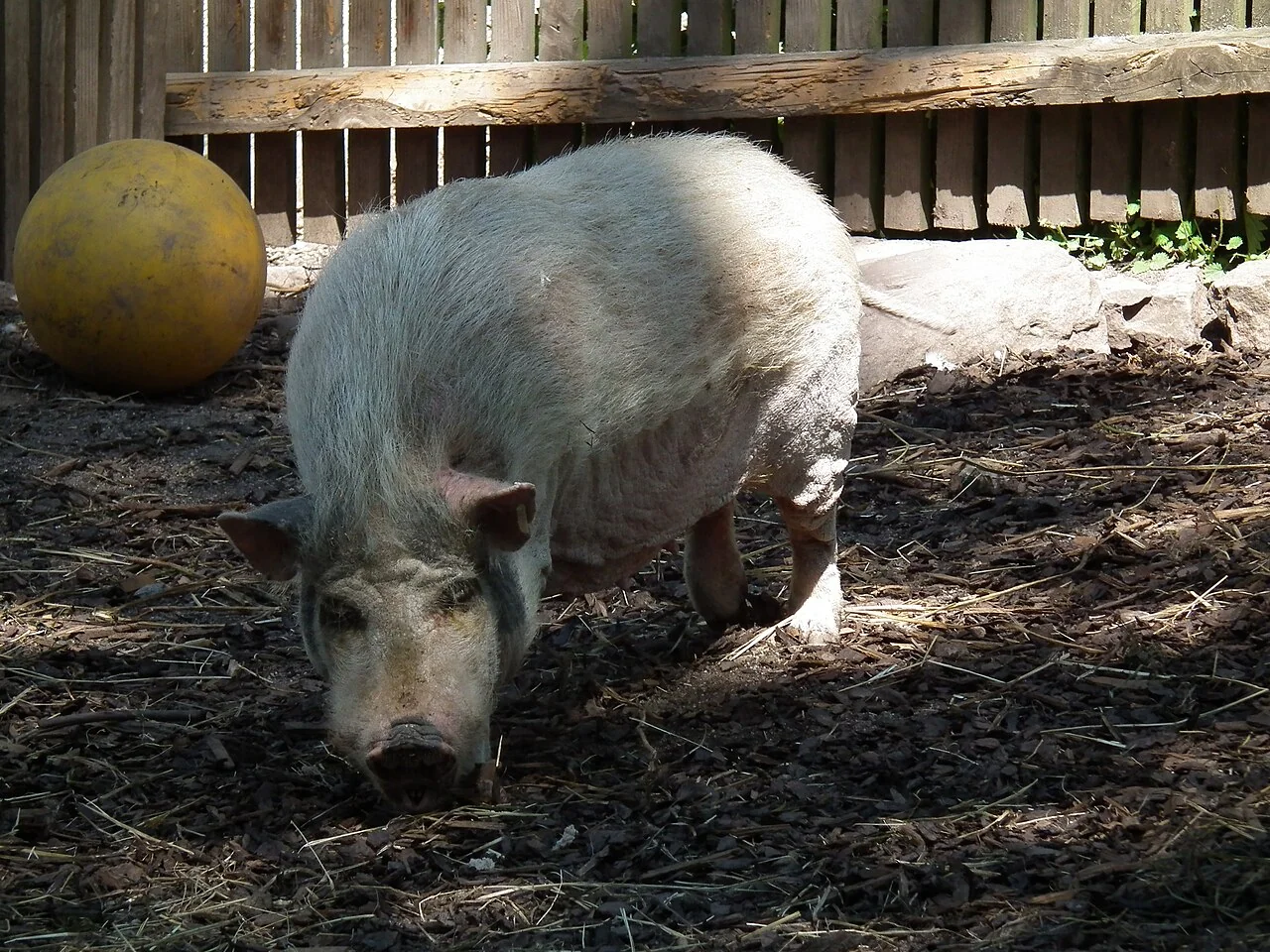
What the miniature pig label tells you
Miniature pigs are domestic pigs, descended from wild boar. Smaller breeding lines vary in build and adult size. Potbellied pigs are a familiar example. Even a pig that stays smaller than a large farm pig needs a substantial enclosure. Once grown, it can also be much harder to handle than a piglet.
Ask to see fully grown pigs from the same background and find out how old the parents are. Young parents are a poor guide to eventual size. Promises that a pig will remain tiny or suit any apartment deserve closer scrutiny. If a pig is deliberately given too little food to keep it small, it lacks the energy and nutrients it needs for healthy development.
Living with other pigs
Pigs are social animals, so compatible pig companions should be part of your plans from the start. Resting together, exploring and staying close to familiar pigs are normal parts of their lives. You can spend plenty of time with them, but cannot fully replace these relationships.
Building a group involves more than choosing a number of pigs. The animals need to suit each other and have room to move away. Several feeding places and sheltered resting areas can reduce competition. Prepare introductions with the veterinary practice or an experienced pig rescue when a newcomer is joining the group.
Space to sleep, root and move
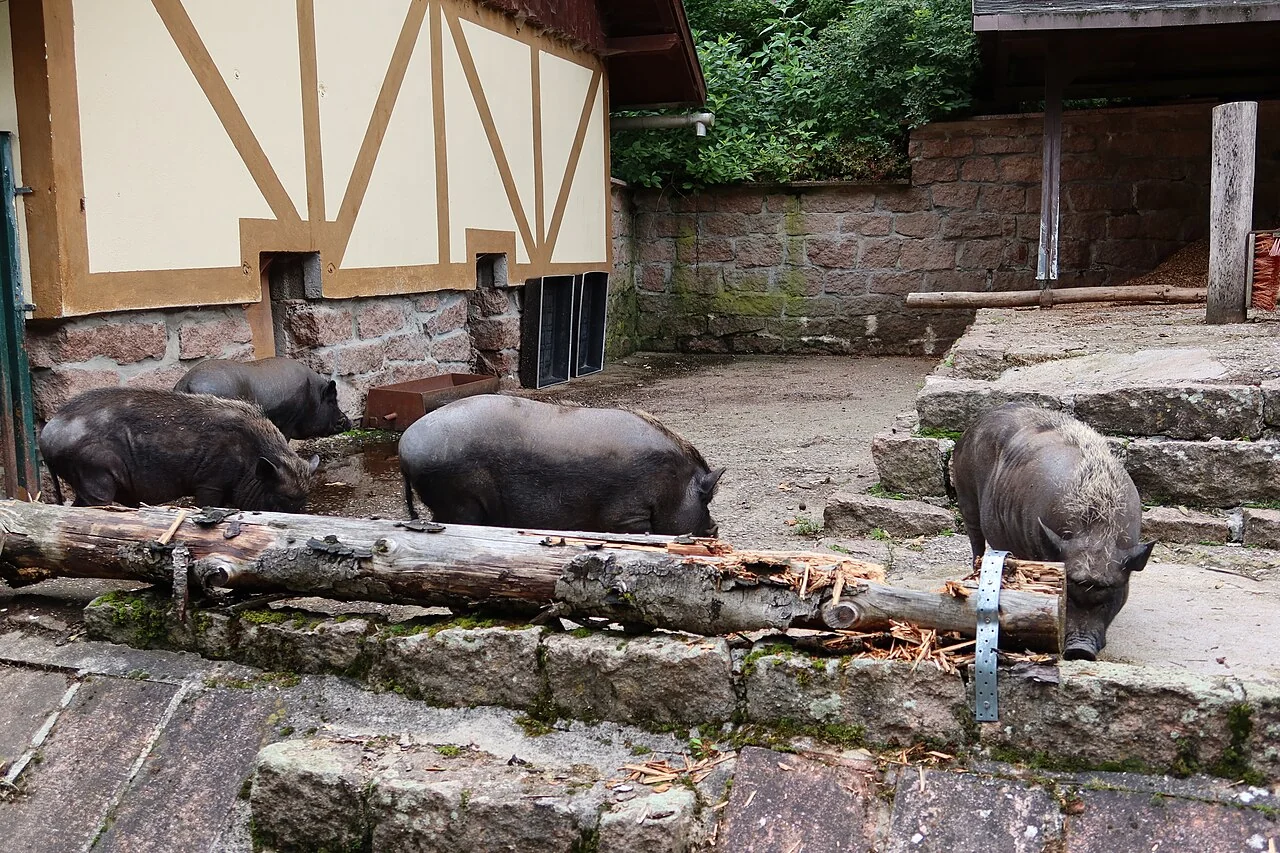
The sleeping area should be dry, well ventilated and protected from draughts, with clean bedding for comfortable rest. The feeding area, sleeping space and the place the pigs use for toileting should be arranged separately where possible. This makes cleaning easier without disturbing their entire resting area.
Outside, miniature pigs need room to move and suitable ground to explore with their snouts. A paved yard with nowhere to root offers little scope for this behaviour. Fencing should withstand a strong pig. Check the ground and reachable objects for sharp edges, poisonous plants and small parts that could be swallowed.
Why shade and a wallow matter
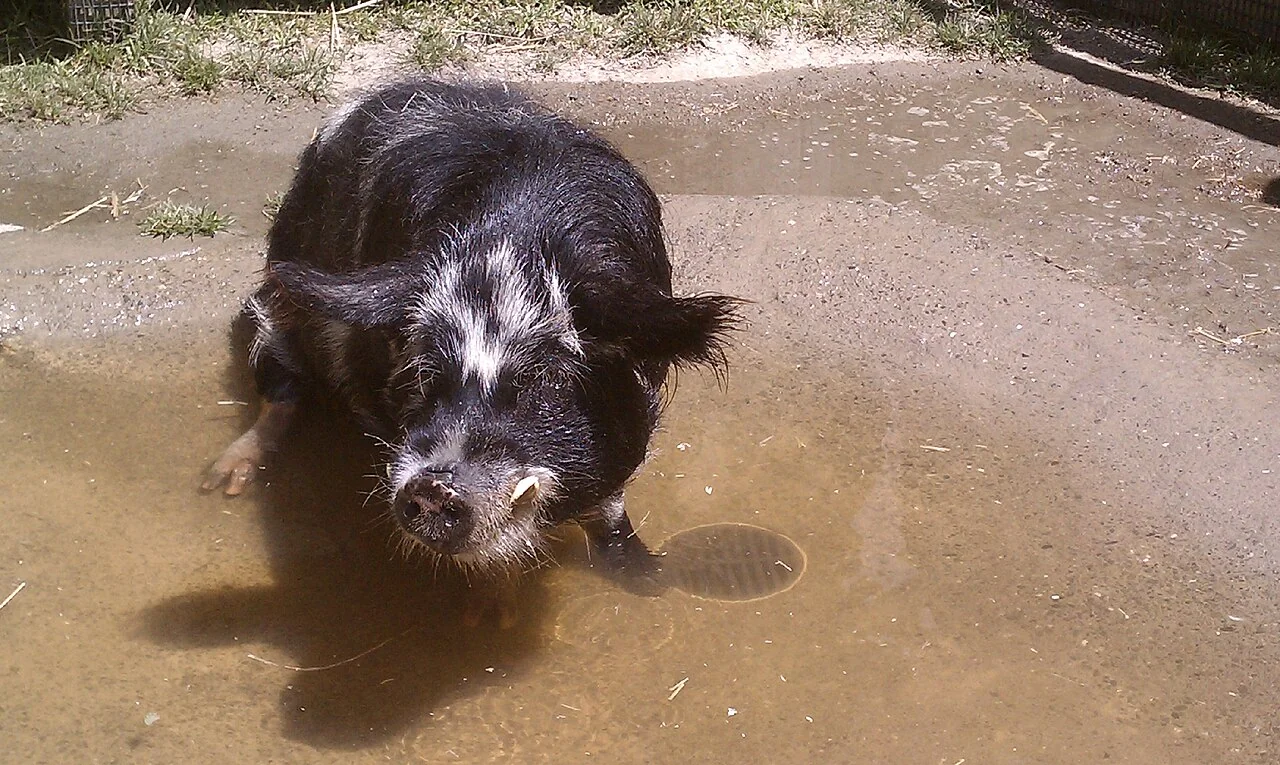
Pigs have a limited ability to cool themselves by sweating. In warm weather, they should always be able to reach shade and a suitable way to cool down. A wallow is a shallow area of water and mud where they can cool their bodies. It should be designed so they can get in and out safely.
In winter, they need a sheltered, dry resting place with suitable bedding. Check the approach to the shelter as well. It should stay clear and provide secure footing so the pigs can reach their sleeping area comfortably in wet weather.
Choose feed for their age and body condition
A suitable complete feed provides the nutrients a pig needs at its current life stage. Growing piglets need a different nutritional balance from adult pigs. Discuss feeding amounts with a vet experienced in pig care, taking body condition, age and activity into account. Fruit and other rewards also contribute to the day's total food.
You can offer part of an appropriate ration as a search activity. This gives the pigs something to do while feeding. Use clean, suitable places and materials that cannot be eaten along with the feed. Fresh drinking water should always be available. Check drinkers regularly in case rooting or tipping has left them unusable.
Use calm practice to make care easier
Miniature pigs can learn short exercises using suitable rewards. Useful examples include walking calmly into a transport vehicle or standing still for an examination. Start with a small step the pig can manage and reward it straight away. Over time, the animal learns which action earns the reward.
Introduce necessary handling gently when pigs are young. An older pig may need more time or a more comfortable place to stand. Forceful restraint and hurried chasing often make the next care session harder. Ask the veterinary practice how to prepare for examinations and which care you can safely carry out yourself.
Find suitable veterinary care before arrival
Not every small animal practice treats pigs. Ask specifically about miniature pig experience, home visits or transport arrangements and emergency cover before the animals arrive. Discuss vaccination, parasite checks, hoof care and dental checks too. The right plan depends on the pigs and their living conditions.
At home, pay attention to appetite, movement, breathing and body condition. A pig that suddenly becomes lame, eats much less or withdraws unusually should be examined by a vet. Breathing difficulty, collapse or obvious distress in hot weather needs urgent help. Note when a change began and what you observed so you can describe it clearly to the practice.
Dogs and pigs need clear boundaries
Even a familiar dog can chase or injure a pig. Squealing and running away can encourage pursuit. Plan secure separate spaces and do not leave dogs and pigs together unsupervised. A friendly first meeting gives too little information to judge how later encounters will go.
Children need clear guidance as well. Adults should supervise encounters, and the pigs need a retreat where nobody crowds them. The people providing care should also be able to handle a fully grown animal physically.
Check the rules where the pigs will live
In England, pet pig keeping involves registration and requirements for moving pigs. You need a licence to walk a pet pig outside your home or premises. Kitchen and catering waste must not be fed to pigs. Ask the relevant authority about the requirements for your planned site before buying animals or arranging collection.
Other countries have their own rules. In Germany, pig keeping must be notified to the responsible authority before it begins, including private miniature pig keeping. The local veterinary authority can explain identification, reporting, fencing and outdoor requirements. Kitchen and catering waste must not be fed to the animals. Preventing contact with wild boar also helps reduce the risk of spreading animal disease.
Prepare for taking the pigs home
Meet the pigs in their current surroundings where possible. Ask about their origin, age, health records, usual feed and relationships with other pigs. With adults, you can also see the size and handling needs you will actually be taking on. A pig rescue can introduce suitable animals and explain their history.
Ongoing costs include feed, bedding, maintenance, care cover and veterinary treatment. Transport, fencing work or treatment can bring larger bills. The cost planner helps you collect your own figures. For a substitute carer, clear feeding, care and contact information is useful. The handover and emergency card bring these details together for people looking after your animals.
Common questions
Can a miniature pig live alone?
Plan for compatible pig companions. Pigs are social animals. People, dogs and other pets can provide activity, but cannot replace a pig group.
Can miniature pigs live in an apartment?
An apartment as their only living space cannot offer enough opportunities to root or provide their different everyday areas. Plan suitable outdoor space with a sheltered sleeping area, and check the arrangement with the responsible authority before bringing pigs home.
How large will a miniature pig grow?
This depends on its background and the individual animal. A sales label says little about eventual size. Meet fully grown pigs from the same background and consider whether your site would suit them too.
A closer look
Sources and photo credit
- Keeping pigs as petsRSPCAWhat the miniature pig label tells you · Prepare for taking the pigs home
- RSPCA position on micro and mini pigs, 2010RSPCAWhat the miniature pig label tells you
- Heimtiere: Mini-PigsLandestierschutzbeauftragte HessenLiving with other pigs
- Behavior of SwineMSD Veterinary ManualWhat the miniature pig label tells you · Living with other pigs
- Creating a good environment for pigsRSPCASpace to sleep, root and move
- Management of Miniature Pet PigsMSD Veterinary ManualWhy shade and a wallow matter · Use calm practice to make care easier
- Providing a Home for a Potbellied PigMSD Veterinary ManualSpace to sleep, root and move · Why shade and a wallow matter · Dogs and pigs need clear boundaries
- Caring for pigsRSPCALiving with other pigs · Choose feed for their age and body condition
- Feeding and Nutrition of Miniature Pet PigsMSD Veterinary ManualChoose feed for their age and body condition
- Routine Health Care of Potbellied PigsMSD Veterinary ManualUse calm practice to make care easier · Find suitable veterinary care before arrival
- Disorders and Diseases of Potbellied PigsMSD Veterinary ManualFind suitable veterinary care before arrival
- Selecting a Potbellied PigMSD Veterinary ManualPrepare for taking the pigs home
- Pigs and DogsLafeberVetDogs and pigs need clear boundaries
- Viehverkehrsverordnung § 26Bundesministerium der Justiz und Bundesamt für JustizCheck the rules where the pigs will live
- Schweinepest-Verordnung § 2aBundesministerium der Justiz und Bundesamt für JustizCheck the rules where the pigs will live
- Merkblatt zur Haltung von Minischweinen, Stand 11. Oktober 2021Landkreis GießenSpace to sleep, root and move · Dogs and pigs need clear boundaries · Check the rules where the pigs will live
- Keeping a pet pig or micropigDepartment for Environment, Food and Rural AffairsCheck the rules where the pigs will live
Photo credits
Photo: Minischwein Wildpark Pforzheim.JPG · 4028mdk09 · CC BY-SA 3.0. Image format adapted.

Photo: Minischweine im Tierpark Suhl Bild 1 2023-08-08.jpg · Strubbl · CC BY-SA 4.0. Image format adapted.

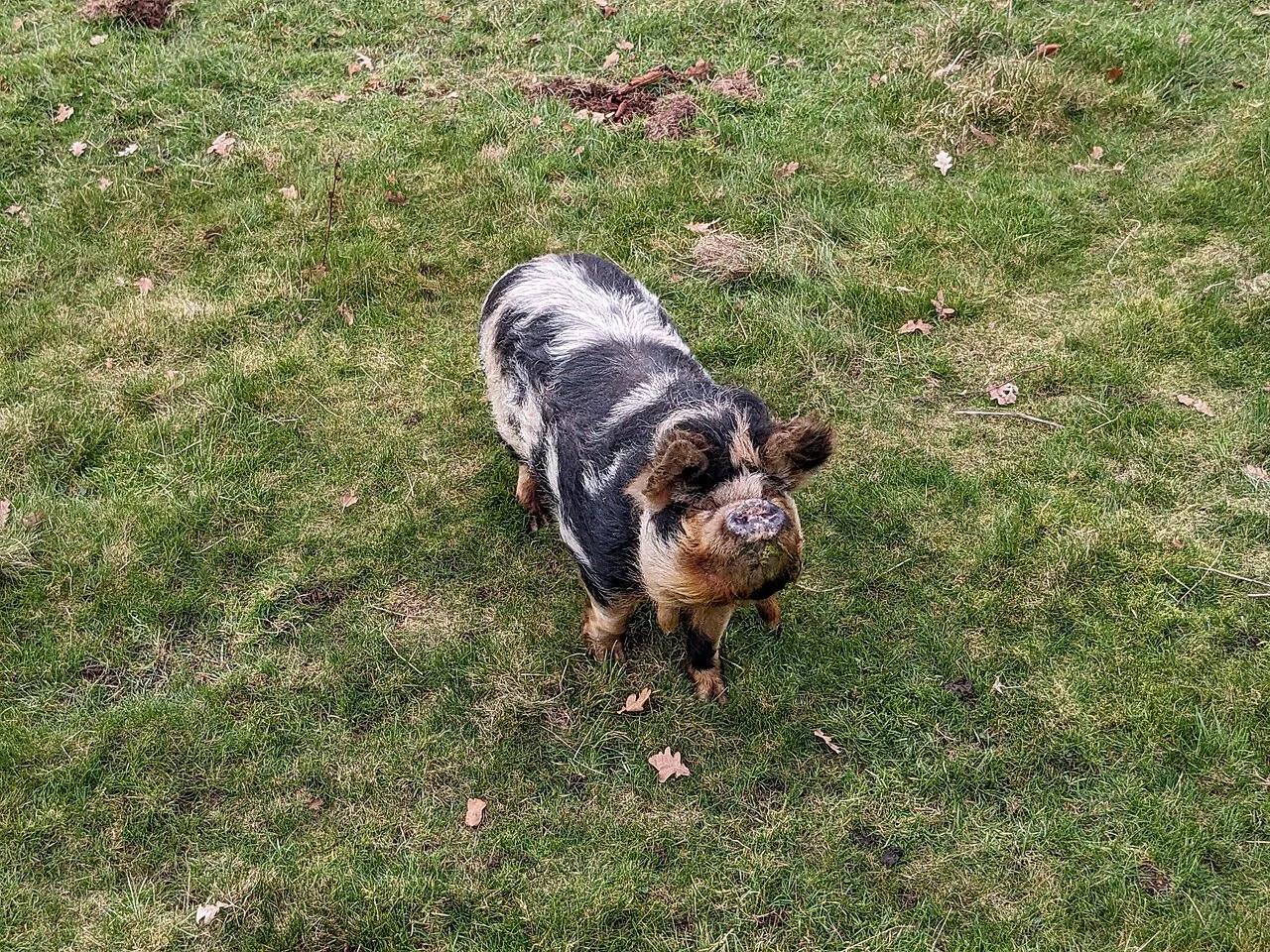
Photo: Kunekune pig at Pudleston - geograph.org.uk - 7402856.jpg · Fabian Musto · CC BY-SA 2.0. Image format adapted.

Photo: Kunekune pig wallowing at the SF zoo.jpg · Steven Walling · CC BY-SA 3.0. Image format adapted.
