 fellfolio
Herding dog
Finnish Lapphund
The Finnish Lapphund’s ancestors helped the Sámi, an Indigenous people of northern Europe, herd their reindeer. It is alert, agile and close to its people. Its dense coat needs regular care and shorter outings in hot weather.
At a glance
- Size
- Medium
- Height at shoulder
- 41 to 52 cm
- Weight
- 15 to 24 kg
- Lifespan
- over 12 yearsUK Royal Kennel Club breed profile
- Activity
- Moderate
- Grooming
- Weekly
- Training
- Often cooperative
- Owner experience
- First dog with support
A herder from the far north
For centuries the Sámi used dogs of this type to guard and herd reindeer. The dogs had to watch the animals' movements, keep out of their way and still work with their people. Today's Finnish Lapphund is usually a companion, but retains the alertness and agility of its working past. Many learn eagerly when lessons are clear and kind.
Start with a small task on a walk: ask the dog to stay beside you as someone passes at a comfortable distance, and reward it for moving on calmly. Later, add simple searches or tricks. Its herding history does not mean it needs constant entertainment. The dog should also learn to relax while family life carries on around it.
Everyday life
The Royal Kennel Club lists up to an hour of daily exercise as a guide. An adult Lapphund enjoys dependable walks and time to investigate scents. A short training game can happen outdoors; at home, a few minutes finding a hidden toy may be enough. After scent games outdoors, give it time to sleep at home.
In summer, its dense coat calls for extra care. Walk in the cooler hours, carry water and avoid hot pavements. The dog need not cover the same distance in every kind of weather. Puppies also need time to meet new sounds, people and dogs without being crowded. Gradual introductions to children and other animals, with a quiet place to retreat, help everyone settle.
Staying home alone
Dogs learn to stay home alone in small steps. The RSPCA advises no more than four hours at a time. Puppies and dogs that become unsettled when left alone need shorter absences and gradual practice. Arrange someone to care for your dog when you will be away longer.
Day-to-day care
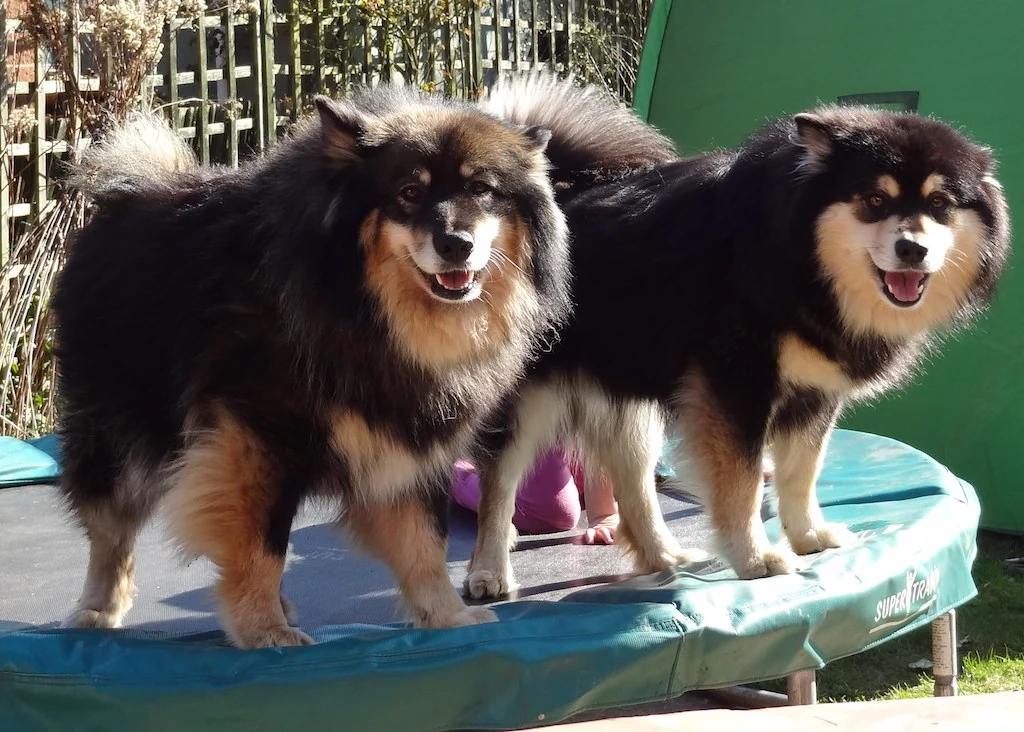
Long, fairly coarse outer hair covers a soft, dense undercoat. Brush at least weekly, paying attention behind the ears, around the neck and tail, and through the longer leg hair. Small knots can form there. Much more undercoat comes loose during a seasonal moult; comb more often then. The coat protects against wet and cold, so routinely clipping it short for convenience is not good everyday care.
After woodland walks, check between the toes and through the longer hair on the legs. Seeds, burrs or twigs can rub against the skin. Remove loose debris gently; persistent redness or chewing at a spot needs attention. Check the ears and nails during grooming too.
Size and build
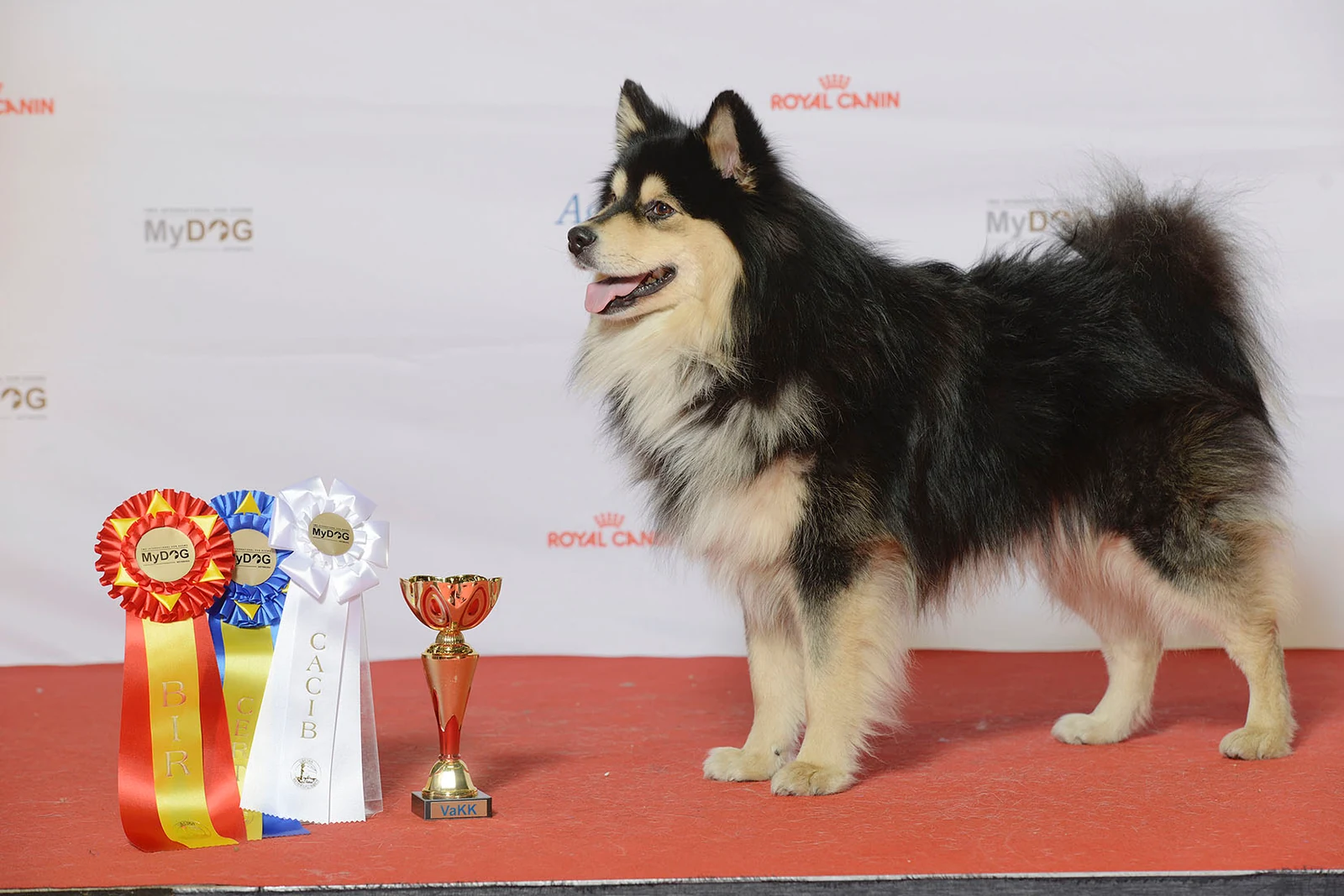
The Finnish Lapphund is sturdier than its fluffy outline suggests. Its body is slightly longer than it is tall, with a straight broad back and muscular legs. The ears stand upright or partly upright and move readily. Its bushy tail curves over the back when moving and may hang at rest. Movement should look light and agile rather than lumbering.
The British standard gives an ideal shoulder height of 49 cm for males and 44 cm for females, with a 3 cm allowance either way. The American Kennel Club gives roughly 15 to 24 kg as a weight guide. Many coat colours occur so long as one dominates; merle is excluded from the British standard. The long outer hair is shorter on the head and fronts of the legs. Regular grooming helps you notice whether the dog remains lean and well-muscled beneath it.
Health
Progressive retinal atrophy, or PRA, is among the conditions Finnish Lapphund breeders can test for. Affected dogs gradually lose vision, often first in dim light. The Royal Kennel Club recommends a DNA test for the prcd-PRA form and eye examinations. When choosing a puppy, ask to see the actual results for both parents.
Another DNA test covers Pompe disease, also called GSD II. An inherited enzyme deficiency prevents the normal breakdown of stored sugar within certain parts of cells. It accumulates in tissues including muscle. Affected young dogs can develop severe muscle weakness. The test helps breeders account for this genetic change when planning a litter.
Hip and elbow X-rays are also recommended for breeding dogs. If your dog loses vision, repeatedly limps or seems unusually weak, arrange a veterinary examination. Clear parental results do not replace investigation of symptoms.
Could this breed fit your life?
Could work well if …
- You would enjoy a friendly, alert dog and have time for daily walks and brief training games.
- You are comfortable with a dense coat and the extra loose hair of seasonal moulting.
May be more difficult if …
- You expect a dog to take long walks at any time of day in summer heat.
- You do not want to brush a thick undercoat or deal with additional shedding around the home.
Similar needs, different dogs.
Selected by shared size, activity, grooming and training characteristics.
Herding dog
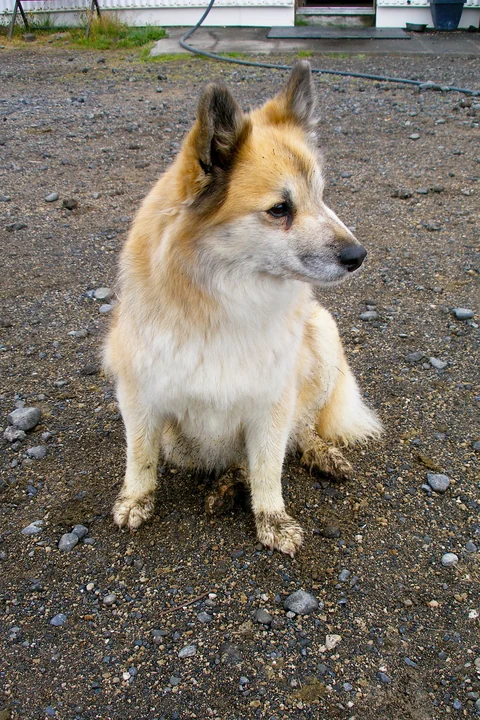
Icelandic Sheepdog
The Icelandic Sheepdog is a smaller, weatherproof herder that enjoys company. Barking helped it work livestock and remains part of many dogs’ daily life.
Herding dog
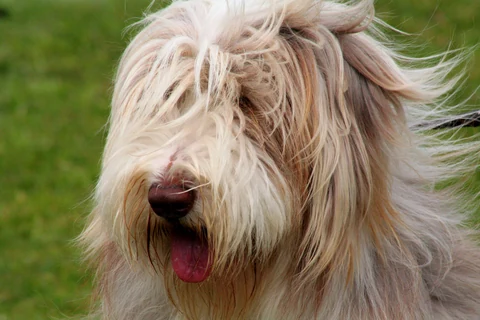
Bearded Collie
The Bearded Collie is a cheerful, agile herder with a long coat. It enjoys walks with its people, and its dense coat needs thorough combing every day.
Guardian and companion
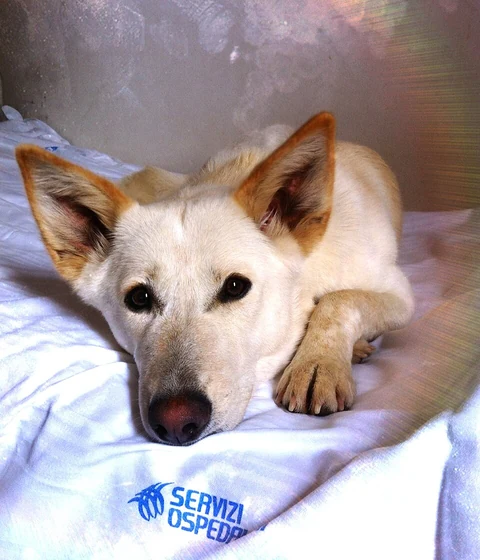
Canaan Dog
The Canaan Dog is an alert working breed from the Middle East. It stays close to familiar people but often watches new visitors from a distance first.
Sources and photograph credit
- Teaching your dog to be left alone
Used in this profile for: Staying home alone
- Breed Weight Chart
Used in this profile for: Size / Weight, Size and build
- DNA test - GSDII
Used in this profile for: Health
- Finnish Lapphund, Breeds A to Z
Used in this profile for: Temperament, Everyday life, Day-to-day care, Health, Lifespan, Could this breed fit your life?
- Finnish Lapphund breed standard
Used in this profile for: Size / Weight, Temperament, Everyday life, Day-to-day care, Size and build, Could this breed fit your life?
- A Nonsense Mutation in the Acid α-Glucosidase Gene Causes Pompe Disease in Finnish and Swedish Lapphunds
Used in this profile for: Health
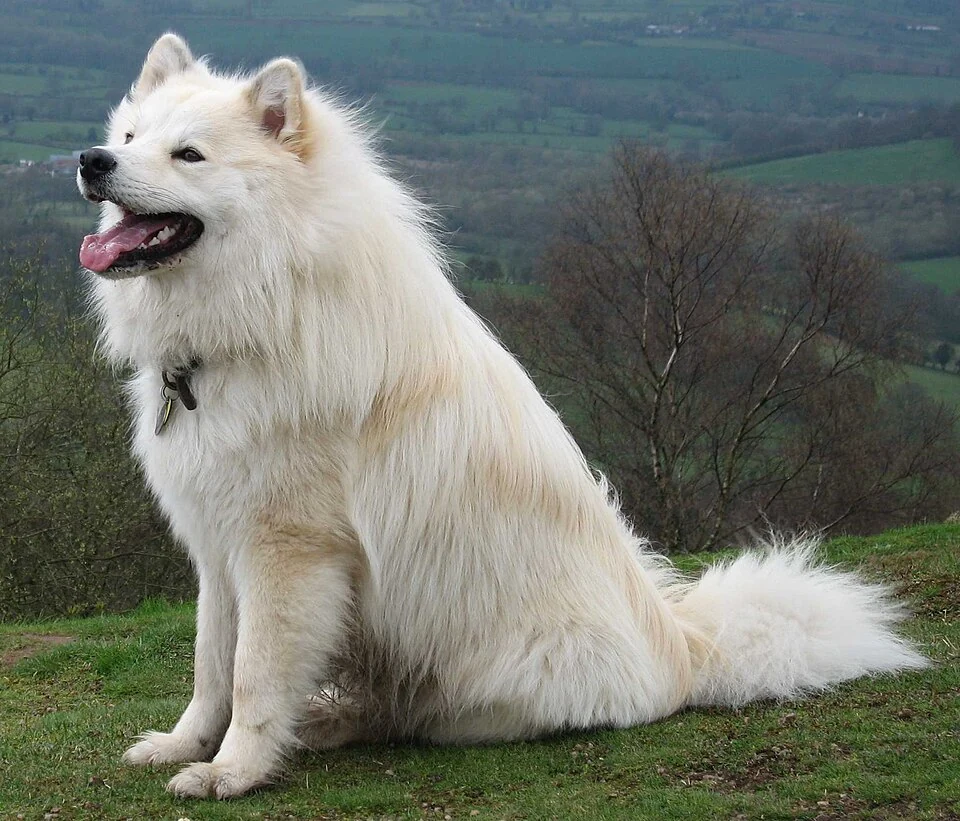
Portrait · Finnish Lapphund Oskar · Apdevries · CC BY-SA 2.5 · Edited

Side view · Grupp 5 FINSK LAPPHUND, Black Blossom Troll Raffi · Johan Frick-Meijer / Svenska Mässan · CC BY 2.0 · Edited
.jpg)
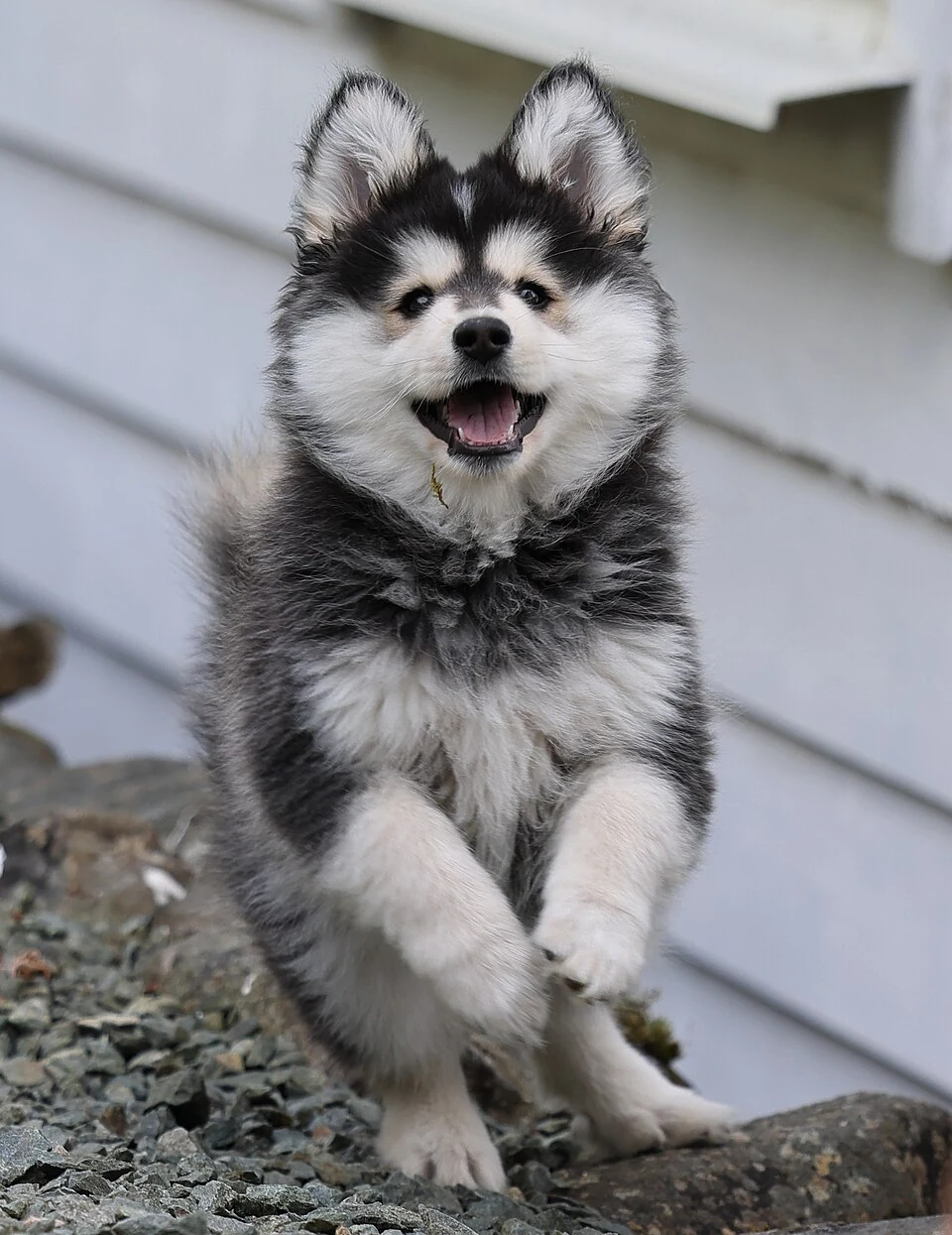
Puppy · Kvelp av finsk lapphund · Christoffer Hjeltnes Støle · CC BY-SA 4.0 · Edited

Coat and features · Double Trouble · Adrian Hollister · CC BY-SA 2.0 · Edited